
Last updated October 30, 2026
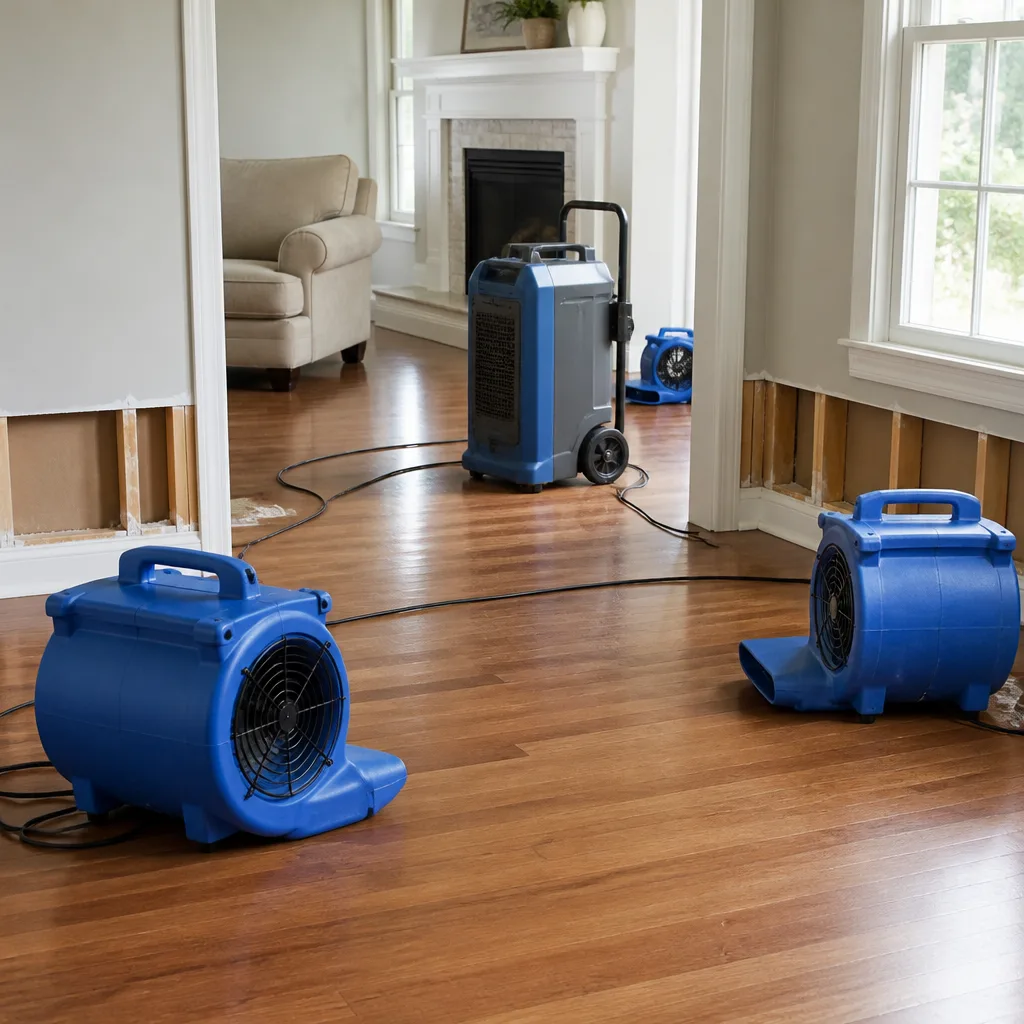 Water damage drying
 Fire & smoke cleanup
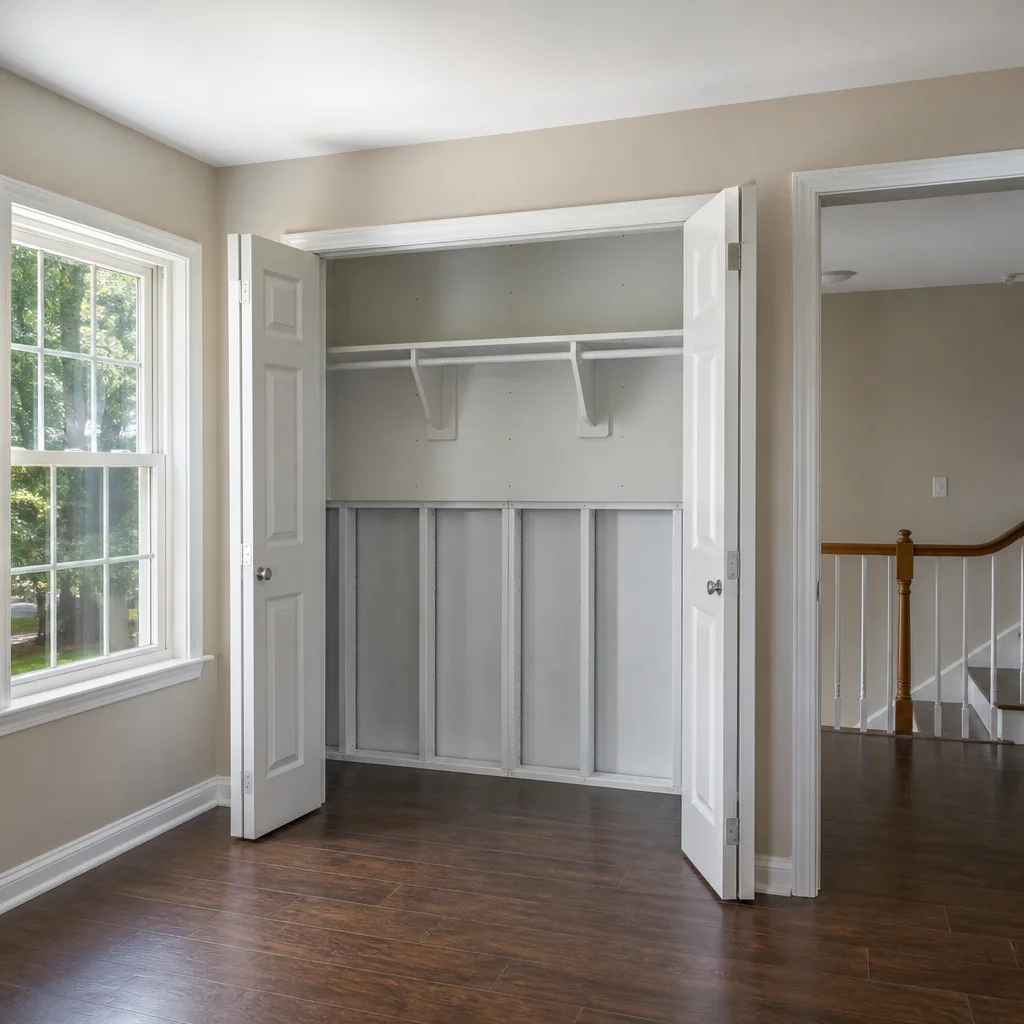 Mold remediation
 Storm response
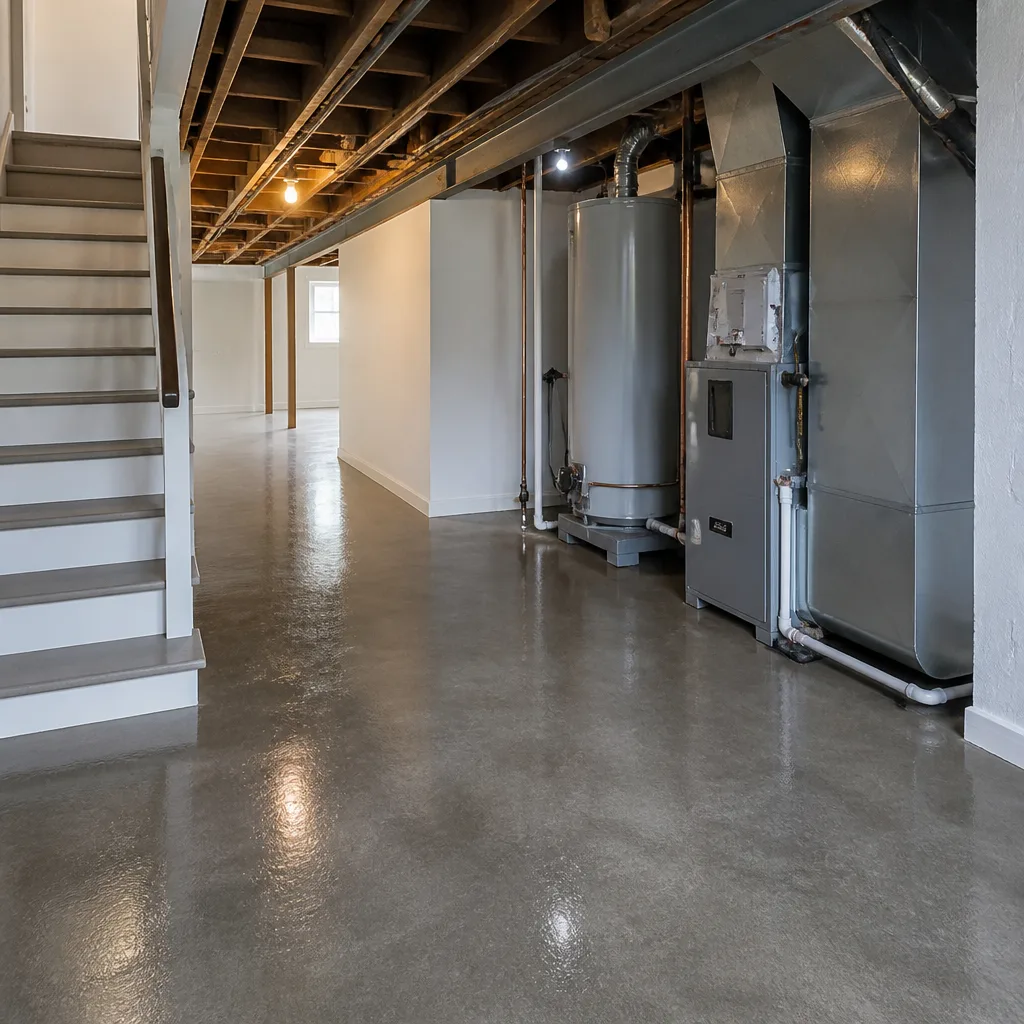 Sewage cleanup
 Reconstruction
Free visual inspection and a written scope of work before any mitigation begins - photos, moisture readings, and drying logs go in your claim file
The scope we write is the scope we bill. Anything new gets shown to you, in writing, before we touch it.
Get your free estimateDamage Restoration Emergency Preparedness Guide for San Bernardino Homes
The most expensive decision in water damage restoration is usually made in the first 20 minutes, not by a contractor, but by the homeowner who decides to wait until morning to make calls. Or who runs box fans on Category 2 water without extraction. Or who flips the HVAC back on and distributes contaminated air through the duct system. This guide is built on a counterintuitive premise: emergency preparedness for damage events isn’t about flashlights and bottled water. For more guides & resources, visit our blog. It’s about pre-deciding the actions that determine whether a $900 extraction job becomes a $28,000 rebuild. In San Bernardino, where summer heat accelerates mold growth and wildfire season presses smoke against every window seal, those first 90 minutes matter more than almost anywhere else in California. By the end of this guide, you’ll have a written protocol for the four damage events most likely to hit your home, the shut-off sequence that prevents secondary damage, and the exact questions to ask before you let anyone through your front door.
Restoration work we handle
Quick Answer
Emergency preparedness for San Bernardino homeowners means having a pre-decided action protocol for water, fire, and storm damage: know where your water main, electrical panel, and HVAC shut-offs are located; document your home’s pre-loss condition with photos; save your insurance policy details offline; and pre-select a restoration company that uses IICRC-certified protocols and professional-grade equipment such as Dri-Eaz and Phoenix. The decisions made in the first 90 minutes of a damage event determine the majority of your total restoration cost and timeline, as covered in our Damage Restoration Warning Signs: A San Bernardino Homeowner’s Reference Guide.
Table of Contents
- The Pre-Event Documentation Protocol
- The Utility Shut-Off Sequence: Why Order Matters
- The 90-Minute Decision Tree for San Bernardino’s Four Most Common Damage Events
- Insurance Triage: What to Photograph, What Not to Disturb
- Questions to Ask a Restoration Company in the First Phone Call
- Why Equipment and Certification Matter in the First 48 Hours
- Common Mistakes to Avoid
- When to Call a Professional
- Frequently Asked Questions
- The Bottom Line
The Pre-Event Documentation Protocol
Insurance claims live and die on documentation. When a pipe bursts at 2 a.m. in a San Bernardino home, the adjuster who reviews your claim three weeks later has no idea what your baseboards looked like before the water hit. Unless you can show them. A pre-event documentation file changes the dynamic from “prove it” to “here it is.” We’ve seen claims settle 40% faster when homeowners can produce baseline photos of their property within the first conversation with an adjuster.
Here’s the checklist every San Bernardino homeowner should complete this weekend, before anything goes wrong:
- Photograph every room from at least two angles, including floors, walls, ceilings, and baseboards. Use your phone but back the images up to cloud storage and a physical drive stored outside the home.
- Photograph building systems: water heater, HVAC unit and ductwork, electrical panel, washing machine hoses, under-sink plumbing in every bathroom and the kitchen, and all visible shut-off valves.
- Note the exact location of every shut-off in a written document. Main water shut-off, individual fixture shut-offs, gas shut-off, electrical main breaker, and HVAC kill switch. Include a photo of each with an arrow drawn on it.
- Record serial numbers and model numbers of the water heater, HVAC system, and major appliances. These establish replacement value and age at the time of loss.
- Store your insurance policy declarations page offline. A printed copy in a sealed bag in the garage, a screenshot saved locally on your phone, and a copy in your email. Not just in the online portal, which you might not be able to access if the event disables power or internet.
- Save at least two restoration contractor contact numbers in your phone contacts. Not bookmarked. Saved in the contacts app, physically, where you can dial without thinking. If you have a San Bernardino Restoration Co home contact already saved, you’re ahead of most homeowners.
- Document your policy limits and deductibles for water, mold, and fire coverage specifically. Read the exclusions section. Many San Bernardino homeowners discover flood exclusions only after a storm event, and the time to know that is now, not during a claim.
This documentation protocol takes under two hours and costs nothing. It is the single highest-ROI preparedness action available to a homeowner.
The Utility Shut-Off Sequence: Why Order Matters
The sequence in which you shut off utilities during a water intrusion event determines whether you have a contained cleanup or a compounding emergency. Most homeowners shut off water and call it done. That can leave a live electrical circuit sitting in pooled water, or an HVAC system actively pulling water-laden air into every room. Here’s the correct order, and the reasoning behind each step.
Step 1: Water main first. This stops the source. In most San Bernardino homes, the main shut-off is near the street meter or where the water line enters the building, typically in the front yard or along the exterior wall of the garage. Every adult in the household should be able to find and turn this valve in under 60 seconds, in the dark, with a phone light. Practice it once.
Step 2: Electrical, only if water is near panels, outlets, or wiring. If the water intrusion is in a second-floor bathroom and the panel is in a dry garage, leave the power on. Turning off the breaker kills lights and pumps that you may need for the response. But if water is running down a wall toward an outlet, or if standing water covers any floor area with electrical cords or a subpanel, shut the main breaker before anyone walks into that water. Electricity and standing water are a lethal combination. Do not reset the breaker until a licensed electrician or Water Damage Restoration in San Bernardino technician has confirmed the area is dry and safe.
Step 3: HVAC off, always. This is the step most people skip, and it’s the one that turns a single-room water event into a whole-house contamination problem. An HVAC system running during or after a water event pulls moisture and any microbial content into the return air and distributes it through the ductwork. In San Bernardino’s dry climate, homeowners sometimes think the HVAC will “help dry things out.” It will not. It will spread the problem. Shut the system off at the thermostat and at the breaker, and don’t turn it back on until a professional has assessed whether the ducts need cleaning or sealing.
For gas: only shut off gas if you smell it, hear a hiss, or see a line that has been physically damaged. A gas shut-off in a non-gas emergency creates an unnecessary relight hassle and can introduce new risk if done improperly.
The 90-Minute Decision Tree for San Bernardino’s Four Most Common Damage Events
Every damage event follows a decision tree, whether or not the homeowner realizes they’re walking one. Here’s what the first 90 minutes should look like for the four events we respond to most frequently in San Bernardino homes.
1. Pipe Burst or Supply Line Failure
- Minutes 0-10: Shut off the water main. Then shut off HVAC. Then assess whether electrical shut-off is needed based on water proximity to electrical components.
- Minutes 10-30: Photograph the affected area extensively before moving anything. Wide shots, close-ups, and a video walkthrough with narration. Move small, valuable, or water-sensitive items out of the water path, but leave the structural damage in place for the insurance adjuster to see.
- Minutes 30-60: Call your insurance company and report the loss with the factual language outlined in the insurance triage section below. Then call your pre-selected restoration company.
- Minutes 60-90: Begin removing standing water if you can do so safely with a wet/dry vacuum. Do not use household fans, and do not run the HVAC. If the water came from a sewer backup, a washing machine that washed heavily soiled items, or any source other than a clean supply line, do not attempt cleanup yourself. That’s Category 2 or Category 3 water, and it requires professional containment and disposal protocols.
2. Roof Intrusion from Rain or Storm
- Minutes 0-15: Contain the water at the point of entry with buckets, towels, or a tarp if you can safely place one. Do not climb onto a wet or storm-damaged roof. The goal is to minimize interior damage, not to perform a rooftop repair in unsafe conditions.
- Minutes 15-45: Photograph the interior water damage, then photograph the visible roof area from the ground or through an upper window if visible. Document ceiling staining, drips, and any water running down walls.
- Minutes 45-90: Call insurance with the factual report. If the interior is taking significant water, call a restoration company that can provide emergency tarping and interior extraction same-day. San Bernardino summer monsoon events can dump an inch of rain in an hour on a roof that has held for months of dry weather, and the interior damage multiplies quickly.
3. Appliance Overflow (Washing Machine, Water Heater, Dishwasher)
- Minutes 0-10: Shut off the appliance supply valve, not just the main house valve if the appliance has its own dedicated shut-off. Then cut power to the appliance at the breaker. Then shut the HVAC off.
- Minutes 10-30: Photograph. Then begin extracting water with a wet/dry vac if the water is clean supply water. If it’s a dishwasher overflow that mixed with food particles or a washing machine that handled soiled clothing, treat it as Category 2 water and leave extraction to professionals with proper PPE.
- Minutes 30-60: Call insurance. Then call restoration. A water heater failure in a San Bernardino garage is one of the most common calls we receive, because many homes have the water heater in the garage with finished drywall or stored belongings nearby.
4. Wildfire Smoke and Ash Infiltration
- Minutes 0-15: Shut off the HVAC immediately. Do not run it even on “fan only” mode. Do not open windows to “air out” the house during an active smoke event. Ash and smoke particles are far smaller than standard air filters can capture.
- Minutes 15-45: Document visible ash accumulation on surfaces, and photograph any smoke-affected rooms. Note the date of the fire event and which fire it was, if identifiable.
- Minutes 45-90: Call your insurance company. Smoke damage claims require very specific documentation, and an adjuster may want to send an assessor before cleaning occurs. Do not wipe surfaces or run air purifiers before talking to your adjuster, as this can alter the evidence. If your insurer approves, a professional restoration company can seal the home, run HEPA air scrubbers, and perform duct assessment.
The common thread across all four events: the first call is not to a handyman, not to a neighbor with a shop vac, and not to a general contractor. It’s to shut down systems, document, and call a restoration team that works from a written protocol, not improvisation.
Insurance Triage: What to Photograph, What Not to Disturb
The language you use in your first insurance call shapes how the claim is categorized and processed. The photos you take before anyone moves anything determine whether your payout reflects the actual scope of loss. Here’s the protocol.
What to Photograph
- The source of the damage, if visible: the failed supply line, the water stain on the ceiling, the visible fire source, the appliance that overflowed.
- Every affected room from multiple angles, including the ceiling, walls, and flooring.
- Close-ups of any visible moisture lines, wicking, or staining on baseboards and drywall.
- Personal property that has been affected, both in place and set aside for inspection.
- Any containment steps taken, such as a tarp placed over a roof breach or towels soaking up standing water.
What Not to Disturb
- Do not remove baseboards, trim, or flooring before an adjuster has seen it. This can reduce the documented scope of damage.
- Do not discard any damaged materials. Bag them and hold them for inspection or at minimum photograph them thoroughly.
- Do not begin demolition of any kind unless a restoration company has determined it’s necessary for safety protocols and documented the pre-demolition condition.
- Do not attempt mold cleaning or chemical application on affected surfaces before insurance has inspected. This alters the evidence.
The Exact Language to Use on Day One
When you call your insurer, use factual, unemotional language. Do not say “I think there might be mold.” Do say “There is standing water in the hallway from a burst supply line under the bathroom sink, the water has been running for at least four hours, and I have photographs.” Do not say “My whole house is ruined.” Do say “Water has affected the hallway, the adjacent bedroom carpet, and the wall shared between the bathroom and living room.” The adjuster records your exact words. Those words follow the claim through the entire process.
Report the event as soon as possible on day one, even before you know the full scope. Delayed reporting is one of the most common reasons claims are reduced or denied. And keep a written log of every phone call, including the date, time, name of the person you spoke with, and what was said. This log becomes your reference document if the claim process gets complicated.
Questions to Ask a Restoration Company in the First Phone Call
The first phone call to a restoration company tells you more about their protocol than their website ever will. Here are the questions that separate trained, certified teams from improvisers, and what a good answer sounds like.
- “Are your technicians IICRC-certified, and who holds the certification on the crew that would be sent to my home?” A direct, confident “yes, the lead technician on any water or mold job holds active IICRC certification” is the baseline. Hesitation, or an answer that shifts to “our team is very experienced,” is a red flag.
- “What equipment would be deployed for a water extraction and drying job like mine?” The answer should name specific equipment classes: truck-mounted or portable extraction units, low-grain refrigerant dehumidifiers such as Dri-Eaz or Phoenix, high-velocity air movers, and possibly an Injectidry system for wall cavities. If the answer is “fans and dehumidifiers we rent from the hardware store,” you are talking to a generalist, not a restoration specialist.
- “Do you provide a written scope of work and a drying plan before starting?” The correct answer is yes, always. A professional team documents moisture readings, establishes a drying goal, and puts the plan in writing before equipment is set.
- “How do you document moisture readings and drying progress?” The answer should reference specific meters: a non-invasive moisture meter for initial assessment, a thermo-hygrometer for ambient conditions, and daily or twice-daily logging of readings against the drying plan.
- “Do you coordinate directly with insurance adjusters and provide the documentation they need?” This should be a yes. A restoration team that works with insurers regularly handles photo documentation, drying logs, and itemized scopes that align with claim requirements.
- “What happens if you find mold during a water damage job?” A professional answer references Mold Remediation in San Bernardino protocols, containment, and clearance testing. An amateur answer dismisses it or offers to “spray something on it.”
Why Equipment and Certification Matter in the First 48 Hours
The difference between a $900 water extraction and a $28,000 rebuild often comes down to what happened in the first 48 hours after the water stopped flowing. Not the first 48 hours of labor. The first 48 hours of drying, which requires the right equipment running at the right capacity, monitored against actual moisture data.
Professional-grade dehumidifiers such as Dri-Eaz and Phoenix units move substantially more pints of water per day than consumer dehumidifiers. That is not a nuance. It is the difference between your subfloor drying in three days or sitting wet for two weeks while mold colonizes the underside. Consumer-grade equipment that a homeowner can buy at a big-box store does not have the grain depression, the pint removal rate, or the continuous-duty rating to hit restoration drying targets. We run the same equipment on a residential kitchen flood in San Bernardino that we run on a commercial warehouse loss.
Injectidry is another edge most homeowners have never heard of. When water gets into a wall cavity, the standard approach used to be tearing out the drywall to expose the cavity and dry it. Injectidry pushes air through the cavity using a negative-pressure manifold system that dries the interstitial space without demo. That protects the structure and the budget. It also requires training to set up correctly, which is part of why IICRC certification matters. The IICRC’s S500 standard for water damage restoration is the industry’s governing document for how drying should be performed, and an IICRC-certified technician has been tested on it.
Professional association standing matters too. Companies that maintain membership in the Restoration Industry Association (RIA) are bound to a professional code of ethics and ongoing industry-standard alignment. The IFA association adds a layer of accountability to a broader professional community. These are signals that the company is answerable to peers, not just to its own marketing.
For fire damage, the same principle applies. Smoke odor and soot removal require HEPA air scrubbers, thermal fogging, and surface-specific cleaning methodologies. A property owner who tries to clean smoke-affected surfaces with household products often sets the soot and drives the odor deeper into porous materials. Fire Damage Restoration in San Bernardino demands a documented process from board-up to odor clearance.
Common Mistakes to Avoid
- Waiting until morning to call about a water event. Six to eight hours of standing water in a San Bernardino summer, when interior temperatures climb into the 80s even overnight, is enough time for significant microbial growth to begin. Call the moment the source is shut off.
- Running HVAC after a water or smoke event. The HVAC system is a distribution network. If there is water, mold spores, or smoke particles in the return air path, the HVAC spreads them to every room in minutes. Shut it off at the thermostat and the breaker.
- Using household fans instead of professional extraction. Fans move air. They do not remove water. And in a Category 2 water event, fans aerosolize the contamination and distribute it. Extraction comes first, always.
- Not photographing before moving things. Any item you move before photographing is a claim item your insurer can question. Document first, then act.
- Reporting to insurance before shutting off the source. The insurer needs the facts, but you should have the water main off and the HVAC off before you pick up the phone. The adjuster will ask. “The source is shut off and I have photos” is the strongest possible opening line.
- Choosing a restoration contractor on price alone. The cheapest response is often the one that shows up with hardware-store equipment, sets three fans, and mails you a bill. Restoration, not just cleanup, is what gets a San Bernardino home back to its pre-loss condition without a secondary mold event.
- Paying a contractor to “do a quick fix” before insurance inspects. This can void portions of your coverage and leave you paying out of pocket for work the insurer would have covered.
When to Call a Professional
Here’s the straight answer: if you have standing water across a room, water in a wall or ceiling cavity, a sewage or Category 2 water event, visible mold growth larger than a few square feet, or any smoke or fire damage, call a professional restoration company the same day. The DIY vs Professional Damage Restoration: The San Bernardino Homeowner’s Decision Guide makes clear that the DIY window closes fast, and the cost of guessing wrong is measured in thousands of dollars and weeks of disruption. A water event that has been running for more than a few hours has already penetrated materials the eye cannot see. A mold patch on drywall usually means the mold is on the other side of the drywall too. A kitchen fire that seems “contained” has sent soot and smoke throughout the HVAC system. San Bernardino Restoration Co offers free estimates in San Bernardino, call (877) 358-7678.
Frequently Asked Questions
Shut off the water main first, then the HVAC system, then the electrical panel only if water is near electrical components or wiring. Photograph the damage extensively before moving anything, then call your insurance company and a professional restoration company with IICRC-certified technicians. Call (877) 358-7678 for immediate guidance.
Mold can begin colonizing on wet organic materials within 24 to 48 hours, and San Bernardino’s warm temperatures accelerate that timeline, particularly in the summer months when indoor temperatures stay elevated. Professional extraction and drying with commercial-grade equipment within the first 24 hours is the single most effective action to prevent a mold problem.
Most standard homeowner policies cover sudden and accidental water damage, such as a burst pipe or appliance overflow, but they typically exclude flood damage from external sources and gradual leaks that developed over time. Your policy’s specific coverage depends on your declarations page, which is why you should review it before an event occurs and speak with your adjuster on day one of any claim. See Damage Restoration Permits, Codes & Inspections in CA: What You Need to Know for additional compliance considerations.
Category 1 is clean water from a supply line or faucet; Category 2 contains significant contamination, such as washing machine overflow with soiled clothing or dishwasher discharge; Category 3 is grossly contaminated water, such as sewage backup or storm flood water. Category 1 can be handled with standard extraction, but Category 2 and Category 3 require professional PPE, containment, and disposal protocols to protect the home and the people in it.
No. Running the HVAC during or after a water event pulls moisture and any microbial content into the duct system and distributes it throughout the house. Shut the HVAC off at the thermostat and the breaker, and leave it off until a professional has assessed whether the ducts require cleaning or sealing.
Ask about IICRC certification on the specific crew that would be sent to your home, request the exact equipment models they would deploy for a water extraction and drying job, and confirm they provide a written scope of work and drying plan before starting. A company that operates with professional-grade equipment such as Dri-Eaz and Phoenix dehumidifiers and follows IICRC-standard protocols will answer these questions directly. Call (877) 358-7678 to ask us anything on this list.
The Bottom Line
Emergency preparedness for San Bernardino homeowners is not about buying gear. It’s about pre-deciding the decisions that determine whether a damage event is a costly inconvenience or a drawn-out displacement. Document your home before anything happens. Know where every shut-off is and the sequence for using them. Pre-select a restoration company that deploys professional-grade equipment and IICRC-certified protocols, not a generalist with rented fans. Photograph before you move, report to insurance with factual language, and never run the HVAC during or after a water or smoke event. The homeowner who prepares this way walks into a damage event with a plan. The homeowner who doesn’t walks into it with a phone and a panic.
Written by the team at San Bernardino Restoration Co, serving San Bernardino since 2016.
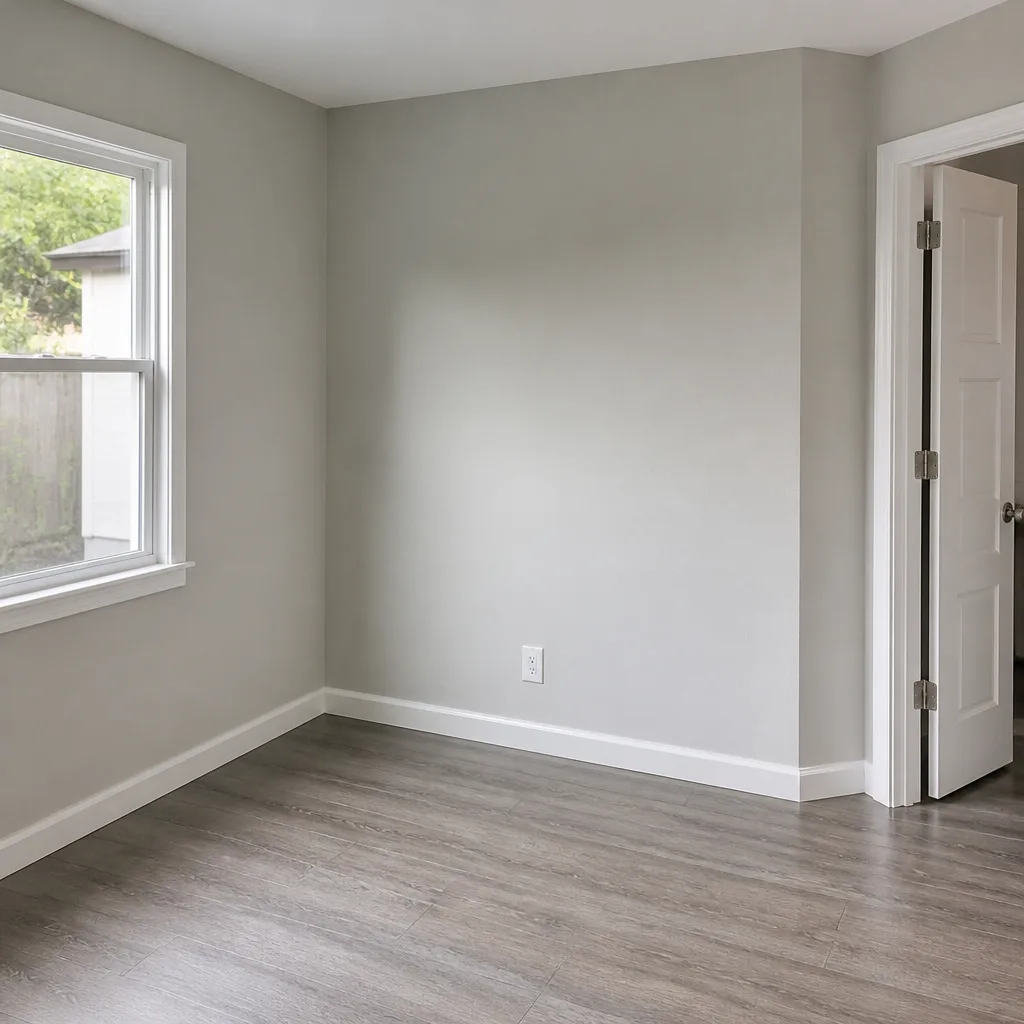
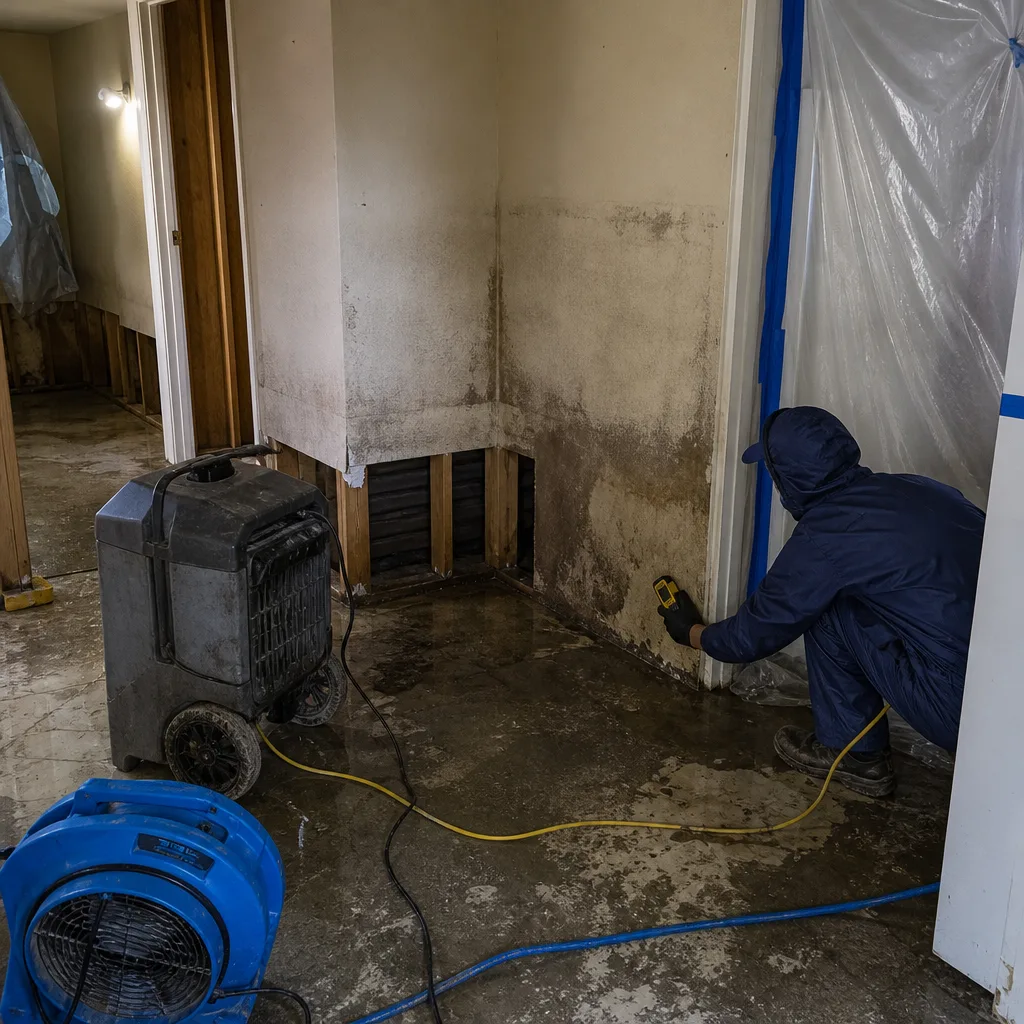
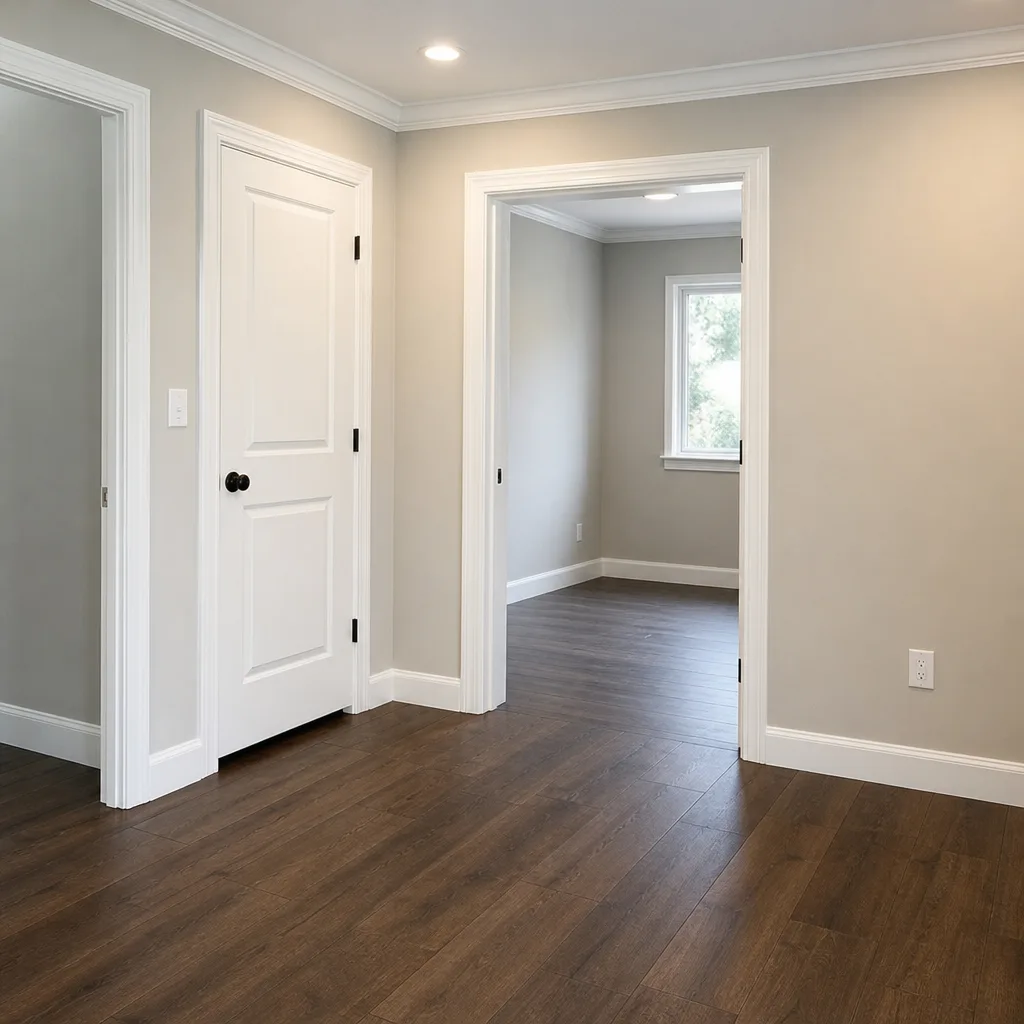
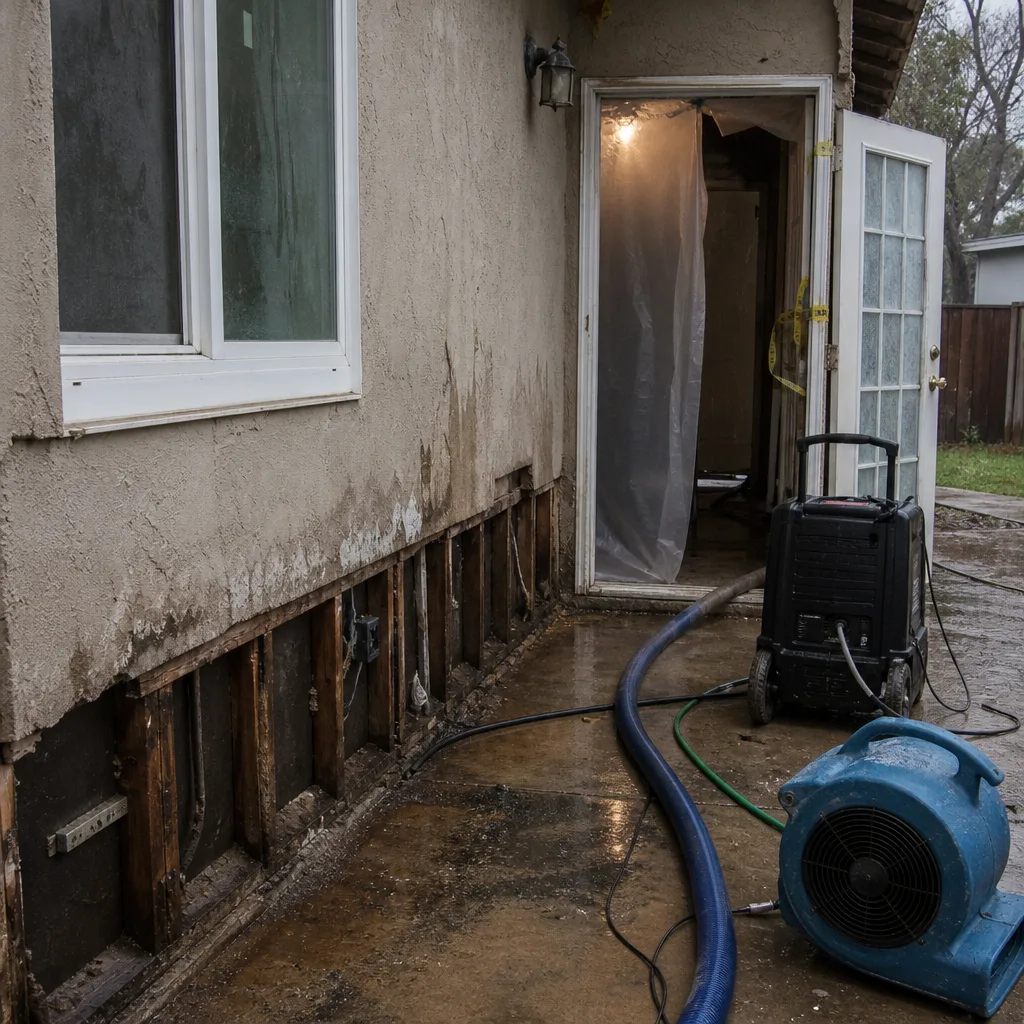
See the difference
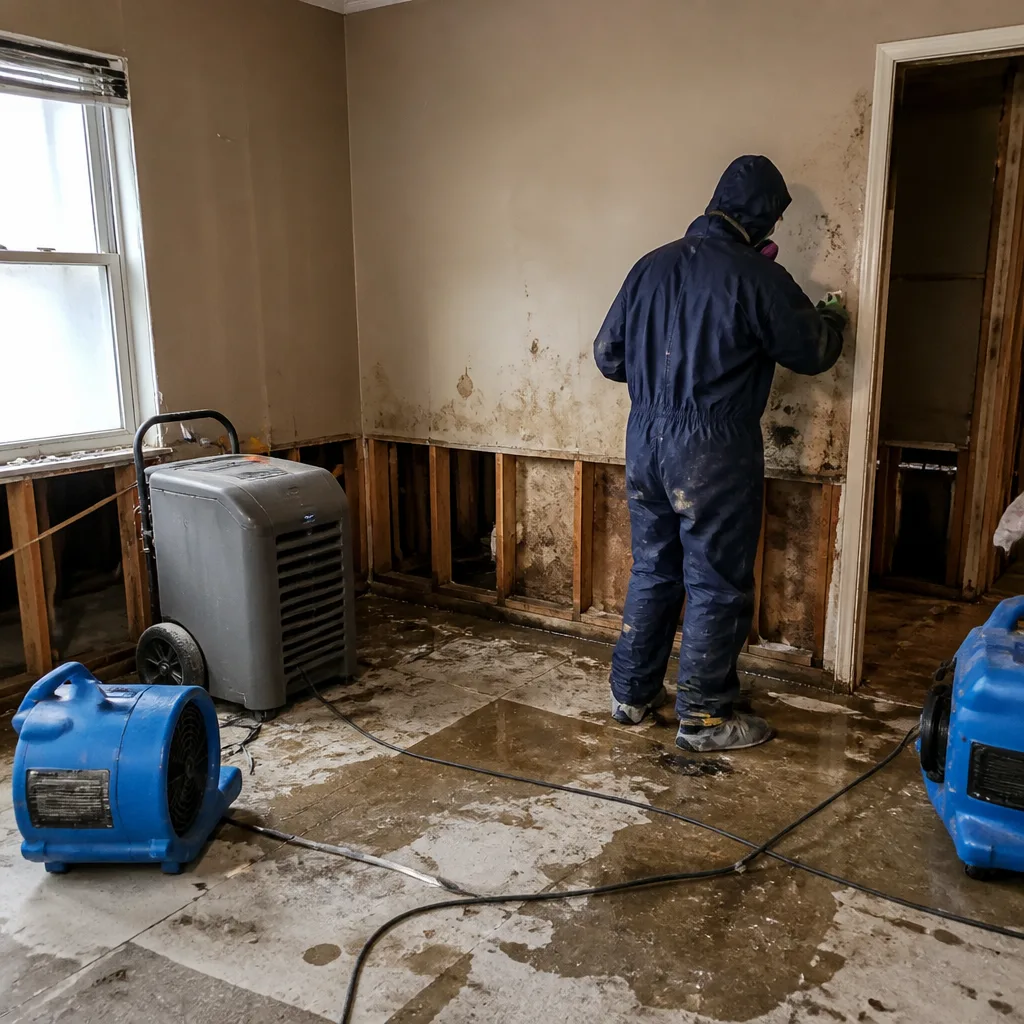 Before
 After
 Before
 After
 Before
 After