
Last updated October 30, 2026
 Water damage drying
 Fire & smoke cleanup
 Mold remediation
 Storm response
 Sewage cleanup
 Reconstruction
Free visual inspection and a written scope of work before any mitigation begins - photos, moisture readings, and drying logs go in your claim file
The scope we write is the scope we bill. Anything new gets shown to you, in writing, before we touch it.
Get your free estimateSeasonal Damage Restoration Care for San Bernardino: Year-Round Homeowner’s Guide
In a single calendar year, a San Bernardino home can face wind-driven ember exposure in October, pipe freeze events in January at elevations above 2,000 feet, monsoon roof intrusion in August, and clay-soil hydrostatic pressure against foundations in February. Four entirely different damage mechanisms. Four different preparation protocols. Most homeowners in San Bernardino treat the region as a dry, low-risk climate and are genuinely surprised when a roof leak appears during a monsoon burst or a supply line splits during a brief January cold snap. This guide lays out the full seasonal cycle, what actually fails, how to spot early warning signs, and where professional restoration becomes necessary. For more guides & resources, visit our blog.
Restoration work we handle
Quick Answer
Seasonal damage prevention in San Bernardino breaks into four distinct windows: Santa Ana fire-hardening from October through December, freeze-thaw pipe protection from January through March, monsoon moisture management from July through September, and post-wet-season foundation assessment from April through June. Each window requires specific, observable checks, and the single most important year-round habit is maintaining drainage and vapor conditions around slab-on-grade foundations, where the region’s 15-inch annual rainfall meets 100°F summer evaporation rates and clay soils expand and contract dramatically.
Table of Contents
- October – December: Santa Ana Wind Season and Ember Defense
- January – March: Freeze-Thaw Risk by Elevation Zone
- April – June: Post-Wet-Season Foundation Assessment
- July – September: Monsoon Moisture and Roof Saturation
- Year-Round: Slab Foundation Vapor and Drainage Maintenance
- The Seasonal Inspection Checklist
- Common Mistakes to Avoid
- When to Call a Professional
- Frequently Asked Questions
- The Bottom Line
October – December: Santa Ana Wind Season and Ember Defense
Santa Ana winds in San Bernardino are not a minor seasonal nuisance. They are a fire-brand delivery system. Wind speeds in the Cajon Pass and along the foothill corridors routinely exceed 40 mph during peak events, and when those winds align with low humidity and dry vegetation, embers can travel a mile or more ahead of any flame front. The homes that survive wind-driven fire events are almost never saved by firefighters at the roofline; they survive because the embers had nowhere to lodge.
The preparation window opens in early October, before the first significant Santa Ana event. By the time a red flag warning is issued, the work should already be done.
Ember Entry Points That Fail First
In our experience inspecting San Bernardino homes after wind events, three entry points account for the majority of ember-related damage:
- Vent screens: Attic, crawl space, and eave vents with standard 1/4-inch mesh allow embers to pass directly into enclosed spaces filled with dry framing. The fix is 1/8-inch welded wire mesh screening, or ember-resistant vent covers specifically rated for wildfire zones.
- Roof-to-wall gaps: The junction where roof sheathing meets exterior wall framing often has gaps hidden by fascia or trim. Embers collect there, smolder, and ignite the attic from below.
- Deck and porch undersides: In San Bernardino’s hillside neighborhoods, elevated decks with unenclosed undersides collect leaf litter and embers simultaneously. The combination is an ignition source directly adjacent to the house.
What to Check Before Santa Ana Season
- Walk the roofline with binoculars and inspect every vent screen for holes, rust, or gaps larger than 1/8 inch.
- Remove accumulated leaf litter from roof valleys, gutters, and any flat roof sections. Dry eucalyptus and oak debris is ember fuel sitting directly on the structure.
- Check the gap between roofing material and exterior wall cladding. Caulk or foam any opening wider than a pencil.
- Clear the zone within 5 feet of the foundation of dead vegetation, firewood stacks, and stored lumber.
- Verify that the garage door seal closes tightly to grade. Wind-driven embers flow under gaps as easily as through open vents.
If embers do gain entry and smolder within wall cavities or attic spaces, the damage is often invisible from the exterior. Smoke odor, faint discoloration on ceiling drywall, or a persistent acrid smell after the wind event passes are the first indicators. That’s a Fire Damage Restoration in San Bernardino situation, not a DIY cleanup, because smoldering embers can persist in insulation for days before igniting.
January – March: Freeze-Thaw Risk by Elevation Zone
San Bernardino County spans elevations from roughly 1,000 feet in the valley to over 6,000 feet in the mountain communities, and that range means freeze risk is not distributed evenly. The critical threshold is 2,000 feet. Below that elevation, overnight lows below 28°F are rare and brief. Above 2,000 feet, in neighborhoods like Del Rosa, Verdemont, and the foothill communities along Highway 330 and Highway 18, freezing temperatures are common enough that pipe failures occur every winter.
The pipes that fail first are not the ones running through interior walls. They are:
- Exterior wall supply lines: Pipes run inside west-facing and north-facing exterior walls in older San Bernardino homes, where insulation is often missing or compressed. A 28°F night with a 15 mph wind drops the effective temperature inside that wall cavity below freezing.
- Garage supply lines: Garage spaces built on slabs without insulated ceilings, with supply lines running through unheated space, freeze before the house interior drops a single degree.
- Garden hose bibs: The most common failure point in San Bernardino’s freeze events. Homeowners leave hoses attached, the water freezes inside the bib, and the ice expansion splits the pipe inside the wall.
Freeze Protection Protocol
- Disconnect and drain all garden hoses before the first freeze forecast. A connected hose prevents the bib from draining and guarantees ice formation inside the pipe.
- Install insulated covers over all exterior hose bibs. These cost under $20 and prevent the most common freeze failure in San Bernardino.
- Identify which of your supply lines run through exterior walls or unheated garage space. On nights forecast below 30°F at your elevation, open the faucet served by that line to a pencil-width trickle.
- Leave cabinet doors open under kitchen and bathroom sinks on exterior walls to allow warm interior air to circulate around the pipes.
- Know where your main water shutoff is before you need it. If a pipe bursts, shutting off the water within 5 minutes instead of 30 changes the scope from a carpet dry-out to a full structural remediation.
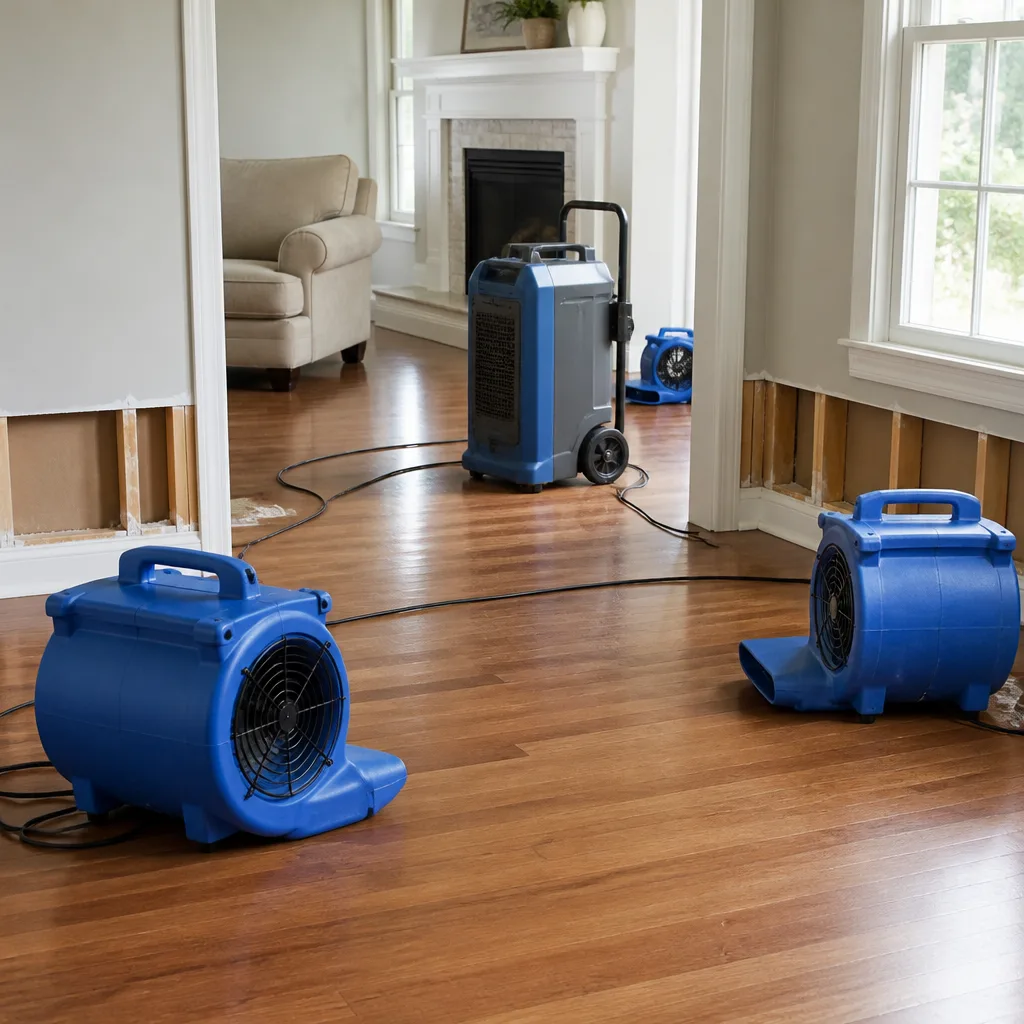
When a supply line does split inside a wall cavity, the water runs downward through insulation and framing before it ever becomes visible on a floor surface. By the time you see a stain, the wall cavity has been wet long enough for mold spore activation to begin. A professional water extraction with a documented drying plan, using equipment like Phoenix dehumidifiers and XPOWER air movers, is the difference between a two-day dry-out and a one-month mold remediation project. More on that in our Water Damage Restoration in San Bernardino guide.
April – June: Post-Wet-Season Foundation Assessment
San Bernardino sits on expansive clay soils. That’s not a minor geological footnote; it’s the dominant factor in foundation performance. Clay soil absorbs water and swells during the winter wet season, then contracts sharply during the summer dry season. The annual cycle of swell and shrink places enormous stress on slab-on-grade foundations and perimeter stem walls.
April through June is the assessment window because that’s when the swelling has peaked and the first significant drying is beginning. Problems that developed during the winter are visible now, and fixing them before the summer contraction phase prevents cracking and settlement from worsening.
What Hydrostatic Efflorescence Actually Indicates
Walk around your foundation during this window and look at the exposed block or concrete. White, chalky deposits on the surface are efflorescence: mineral salts left behind when water migrates through the masonry and evaporates. Efflorescence itself is cosmetic. But it’s evidence that liquid water is moving through the wall, and in San Bernardino’s soil conditions, that means hydrostatic pressure is pushing groundwater against the foundation.
Key indicators that deserve attention:
- Efflorescence concentrated at the base of walls on the downhill side of the property, where surface water collects after rain.
- Visible dampness or dark staining on block walls 48 hours after a rain event.
- Interior floor cracks that widen measurably over a 6-month period, particularly cracks running diagonally from corners of doors or windows.
- Doors and windows that bind seasonally: open smoothly in summer, stick in winter, or vice versa.
Assessment Steps
- Photograph any efflorescence or staining with a reference object for scale, then re-photograph the same spots every 6 months. Change over time is the signal you’re looking for.
- Confirm that downspouts discharge at least 6 feet from the foundation. A downspout that dumps water next to the wall creates the exact hydrostatic condition that produces efflorescence and, eventually, wall movement.
- Check that soil grading slopes away from the foundation on all sides. Flat or negative grade means water pools against the wall every time it rains, even in San Bernardino’s modest 15-inch annual rainfall total.
- Inspect the crawl space, if you have one, for standing water, musty odor, or condensation on the subfloor. All three indicate that groundwater or ambient moisture is not being managed correctly.
If you find active moisture inside the foundation system during this assessment window, a Mold Remediation in San Bernardino evaluation may be warranted before the summer heat accelerates spore activity inside wall cavities.
July – September: Monsoon Moisture and Roof Saturation
San Bernardino sits on the western edge of the North American Monsoon pattern, and the interaction between monsoon moisture and local topography produces a specific failure mode: rapid roof saturation events. When monsoonal moisture collides with the San Bernardino Mountains, the orographic lift forces quick, intense rainfall bursts, often 20 to 30 minutes of heavy rain that would normally be associated with a much wetter climate.
The vulnerability is that roofs in San Bernardino are designed for the region’s average annual rainfall, not for short-duration, high-intensity bursts. Flashing details that handle a steady drizzle fail when an inch of rain arrives in 25 minutes.
The Attic Inspection Protocol
Most roof leaks are discovered in the attic before they’re visible on a ceiling below. The sign is subtle: a faint water stain on the underside of roof sheathing, a slight discoloration around a nail penetration, or a musty smell that appears after rain and fades within a day or two.
Here’s the specific check:
- Enter the attic during daylight hours and turn off any attic light. Scan the sheathing for any points of light penetration from outside. Light passing through a gap means water can pass through the same gap.
- Look for water stains concentrated around plumbing vents, bathroom fan vents, and attic access hatches. These penetrations are the most common monsoon leak points.
- Check for stained insulation. Insulation that’s been wet and dried retains a grayish tint and a matted texture that’s visibly different from surrounding material.
- Run the bathroom and kitchen exhaust fans and check that each exhausts to the exterior, not into the attic space. An improperly terminated fan introduces warm, moist air into the attic, where it condenses on the underside of cool roof sheathing. The condensation pattern mimics a roof leak.
Roof Surfaces to Focus On
- Valleys: The intersection of two roof planes concentrates water flow. Debris accumulates there year-round and becomes a dam during monsoon bursts, forcing water sideways under the shingles.
- Flashing at penetrations: The sealant around plumbing stacks and vent pipes degrades under San Bernardino’s intense UV exposure, then fails under monsoon rain pressure. Reseal penetrations every 3 years regardless of age.
- Flat or low-slope roof sections: Any portion of roof with less than a 3:12 slope drains slowly enough that monsoon rain backs up and seeks the lowest penetration point.
The sequence is predictable: monsoon rain arrives faster than the drainage system can handle, water pools at the penetration points, and the first sign of trouble is a stain in the attic. That’s a water intrusion event, not just a roof repair. We’ve seen monsoon intrusions in San Bernardino reach wall cavities and require Injectidry wall-cavity drying to avoid tearing out drywall. See our Water Damage Restoration Troubleshooting: Common Problems and How to Fix Them for more on hidden moisture scenarios. When moisture is trapped inside a closed wall system, targeted drying systems prevent what would otherwise become a mold remediation project.
Year-Round: Slab Foundation Vapor and Drainage Maintenance
San Bernardino’s climate creates a unique foundation challenge: the annual rainfall total of 15 inches is modest, but the evaporation rate in summer months regularly exceeds 0.25 inches per day at 100°F ambient temperatures. The soil around a slab foundation cycles between saturated (briefly, during winter rain) and bone-dry (for months during summer). That cycle, repeated annually, is what destroys slab-on-grade foundations in this region.
The mechanism is differential movement. The soil directly under the slab center stays at a relatively stable moisture content. The soil at the slab perimeter absorbs water during the wet season and desiccates during the dry season. The perimeter expands and contracts while the center stays stable. Over time, that differential stresses the concrete and produces the perimeter cracking pattern that appears in so many San Bernardino homes built on slab foundations.
Vapor Barrier Maintenance
The vapor barrier under a slab is your first line of defense against this cycle, and it’s almost universally ignored. The poly sheeting installed at construction prevents groundwater vapor from rising through the slab into the living space. Once the barrier is compromised, or never existed, moisture migrates upward through the slab and condenses on flooring materials.
Signs that your slab vapor management is failing:
- Dark, damp spots appearing on interior concrete after the wet season that persist into summer.
- Vinyl flooring or laminate that cups, bubbles, or lifts at the perimeter of rooms.
- A persistent musty smell that’s worse after rain but never fully goes away.
- Efflorescence on the interior of exterior walls, a sign that soil moisture is migrating through stem walls.
If the barrier has failed, replacing it is not a surface repair. It involves removing flooring, addressing the slab condition, installing a proper vapor retarder, and re-securing the flooring system. A professional moisture assessment with documented readings is the first step, because guessing at the extent of vapor migration leads to a remediation that doesn’t hold.
The Seasonal Inspection Checklist
Here’s a consolidated checklist organized by season. Running through this once per quarter takes under an hour if you know what to look for.
October (Before Santa Ana Peak)
- All vent screens intact with 1/8-inch or smaller mesh.
- Roof valleys and gutters cleared of leaf debris.
- Roof-to-wall gaps sealed.
- Five-foot defensible zone cleared around foundation.
- Garage door seal tight to grade.
January (Before Freeze Events)
- Hoses disconnected and drained.
- Hose bib covers installed.
- Exterior-wall supply lines identified.
- Main shutoff located and tested.
- Cabinet doors can be opened quickly for cold-night circulation.
April (Post-Wet-Season)
- Foundation perimeter inspected for new efflorescence.
- Downspout discharge distance verified at 6+ feet.
- Interior cracks photographed and compared to previous season.
- Crawl space checked for standing water or condensation.
July (Before Monsoon Peak)
- Attic inspected for light penetration points.
- Insulation checked for matting or gray staining.
- Bathroom and kitchen fans verified as exterior-venting.
- Roof penetrations resealed if last reseal exceeds 3 years.
- Flat roof sections cleared and inspected for pooling.
Common Mistakes to Avoid
- Treating San Bernardino as a “dry” climate and skipping roof inspections. The annual rainfall average hides the reality: monsoon bursts deliver more water in 30 minutes than the roof sees in a typical winter month. Roof systems fail during the bursts, not the averages.
- Leaving garden hoses connected through January. This single oversight causes more freeze damage in San Bernardino than any other factor. The hose traps water in the bib, the water freezes, and the pipe splits inside the wall where it’s invisible until the thaw.
- Ignoring efflorescence as “just a cosmetic issue.” Efflorescence is mineral residue left by water migration. If it appears on the foundation, water is moving through the masonry. The question is never “is it ugly?” but “where is the water coming from?”
- Assuming a red flag warning gives you time to prepare. Ember defense must be in place before the wind event. Once Santa Ana winds are active, working on the roof is dangerous and the ember exposure window is already open.
- Waiting until a leak is visible on the ceiling before checking the attic. Water travels along framing and insulation before it saturates drywall. A ceiling stain is a late-stage indicator; the water has been present for days or weeks by then.
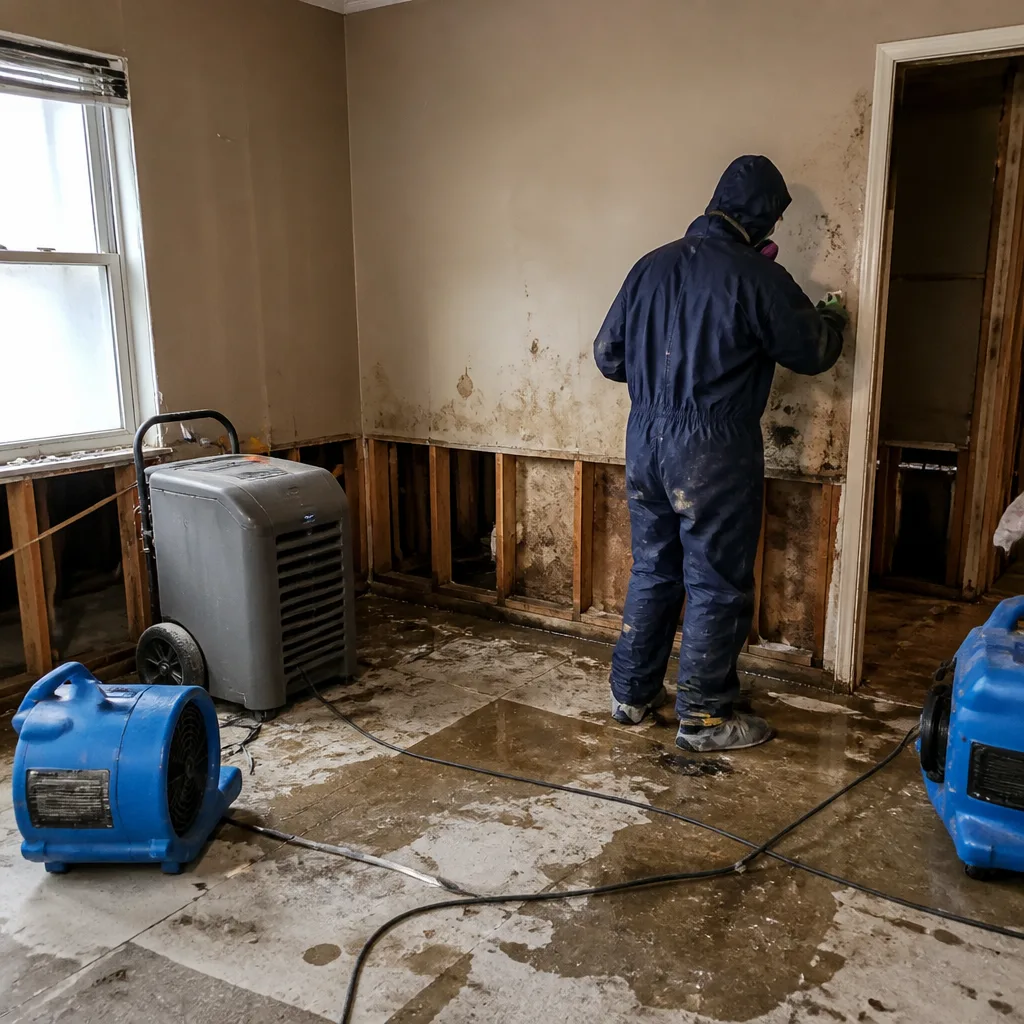
- Attempting DIY drying after a water event with consumer fans. Surface drying and structural drying are different processes. Consumer equipment cannot create the air exchange rates needed to dry hidden cavities, and the result is mold activation inside walls that were assumed dry.
- Forgetting that San Bernardino’s expansive clay soil is the active ingredient in foundation problems. The soil, not the concrete, is what fails. Foundation cracks are usually symptoms of drainage and soil-moisture management issues that can be corrected before structural work is needed.
When to Call a Professional
Several scenarios in this guide cross the line from prevention into active damage. If you find water actively entering through a roof penetration during a monsoon burst, if a supply line has split inside a wall cavity, or if your attic shows evidence of ember entry, the damage mechanism is already in motion and time is the most expensive factor. Water migration into wall and floor cavities follows gravity and capillary action, and the area affected is almost always larger than the visible stain suggests.
The same applies to post-event moisture. If you suspect water has been present inside a wall cavity for more than 48 hours, mold spore activation is a real consideration, and surface cleaning will not address it. San Bernardino Restoration Co offers free estimates in San Bernardino, call (877) 358-7678. We’ll assess the actual moisture condition with documented readings and tell you honestly whether the situation requires professional drying or is a maintenance item you can handle yourself. The San Bernardino Restoration Co home page lists our full service scope.
Frequently Asked Questions
Inspect the attic twice a year: once in March after the winter wet season ends, and once in September after the monsoon peak. The March inspection catches freeze-related condensation and winter roof intrusion; the September inspection catches monsoon leak points before the October Santa Ana winds add ember exposure to the picture.
Freeze risk in San Bernardino becomes meaningful above the 2,000-foot elevation line, which includes neighborhoods like Verdemont, Del Rosa, and the foothill communities along Highway 330 and Highway 18. Below that line, sustained freezes are rare enough that most homes have never experienced a cold-weather pipe failure, and freeze preparation is proportionally lighter.
Surface drying evaporates water from visible materials using airflow and time. Structural drying uses industrial equipment to move air through wall cavities, under flooring, and into building materials to reach the moisture that’s not visible. Structural drying requires moisture meters to verify that hidden cavities have reached a safe moisture content. Surface drying leaves hidden moisture in place, and hidden moisture becomes mold.
The cracks are not caused by rain volume; they’re caused by the boom-bust cycle of San Bernardino’s expansive clay soil. When the soil gets wet, it swells. When it dries during the long summer, it shrinks. That annual expansion and contraction at the slab perimeter creates differential movement that stresses the concrete. The wet-dry cycle is more damaging than constant moisture because the movement is more extreme.
Yes. Ember transport in Santa Ana wind events is driven by wind speed and direction, not proximity to wildland. San Bernardino’s urban neighborhoods, particularly those downwind of the Cajon Pass corridor, receive ember fallout during significant wind events regardless of distance from the nearest open space. The ember that enters your attic vent can come from a fire more than a mile away.
The April-to-June window, after the winter wet season has had time to saturate the perimeter soil, is the most useful period. That’s when hydrostatic pressure is at its seasonal peak and any drainage or water-management deficiencies are visible. Inspecting in September after a full summer of drying tells you less about drainage and more about shrinkage-related movement, which is more difficult to correct.
The Bottom Line
San Bernardino’s damage risks do not follow a simple wet season/dry season pattern. A single property here faces four distinct seasonal threats: ember exposure from October through December, pipe freezes from January through March, foundation stress from April through June, and monsoon roof intrusion from July through September. Preparation for each window must be done in advance, not reactively, and the most expensive damage is almost always the damage that was invisible while it was happening. Water inside a wall cavity, embers inside an attic vent, or soil pressure against a foundation stem wall all operate silently for weeks or months before the symptom appears. The seasonal checklist in this guide costs less than an hour per quarter to complete. The alternative is discovering the problem through the damage it causes, and that’s always more expensive.
Written by the team at San Bernardino Restoration Co, serving San Bernardino since 2016.
See the difference
 Before
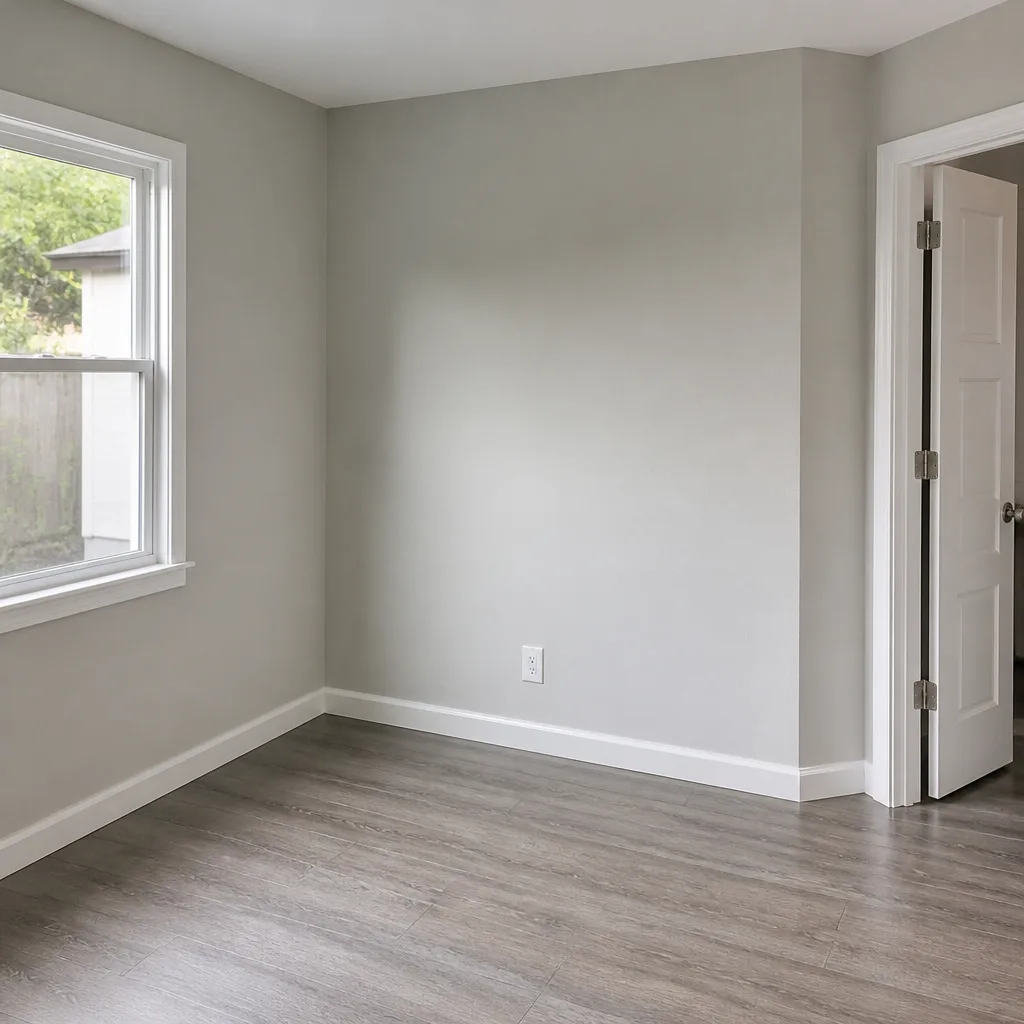 After
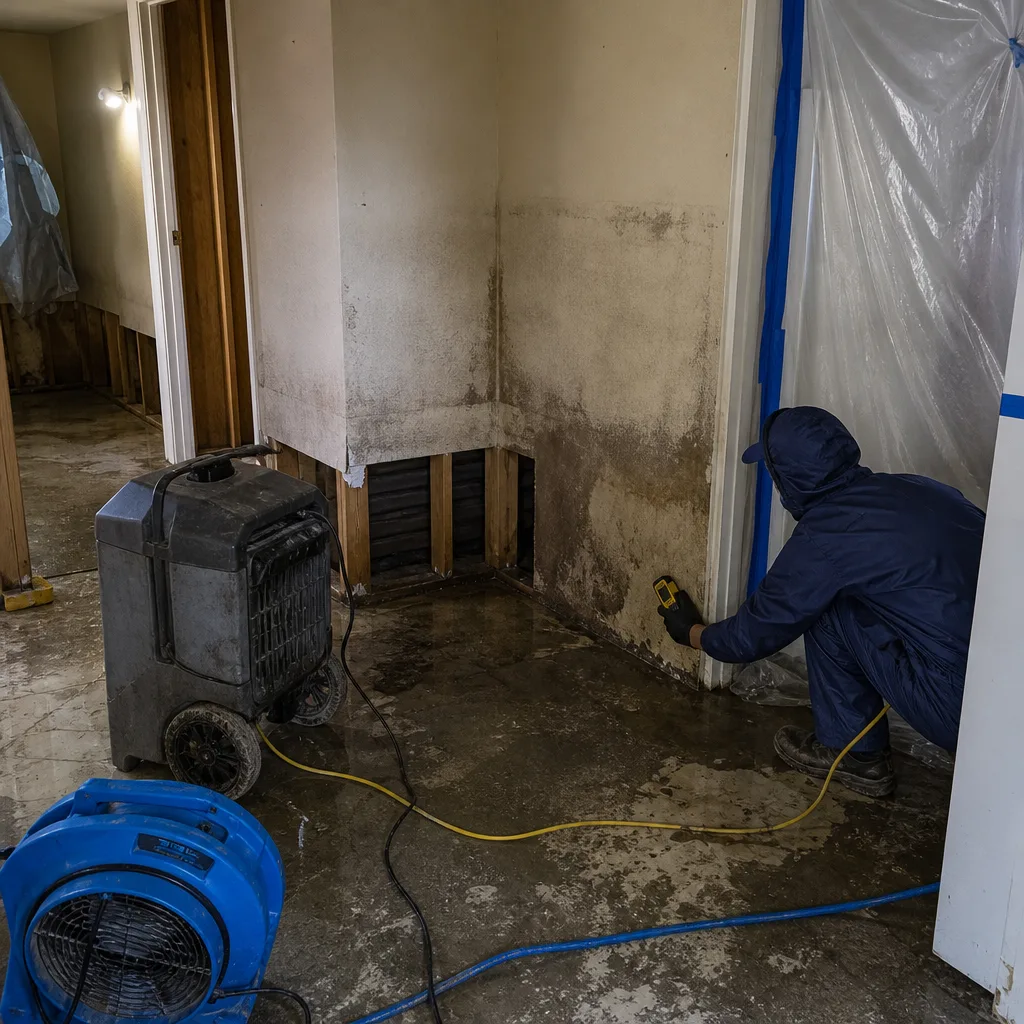 Before
 After
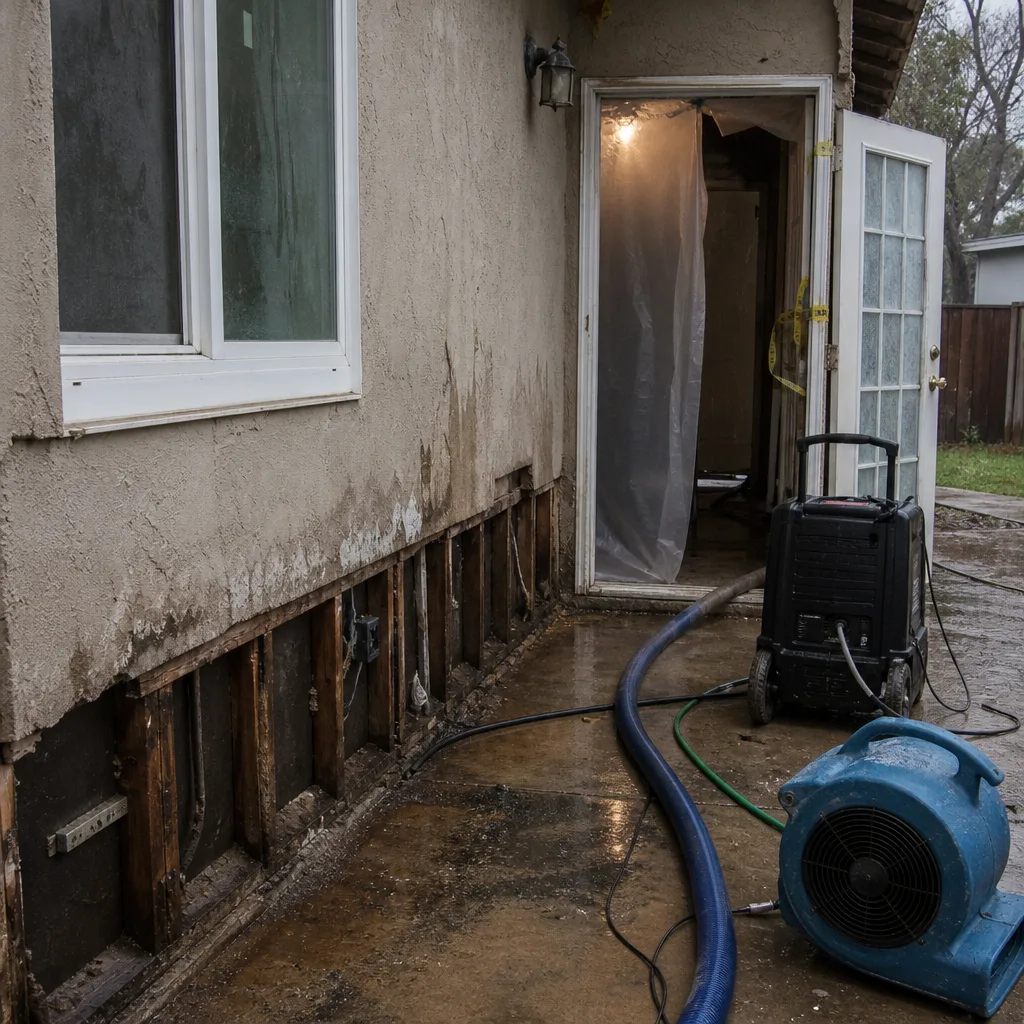 Before
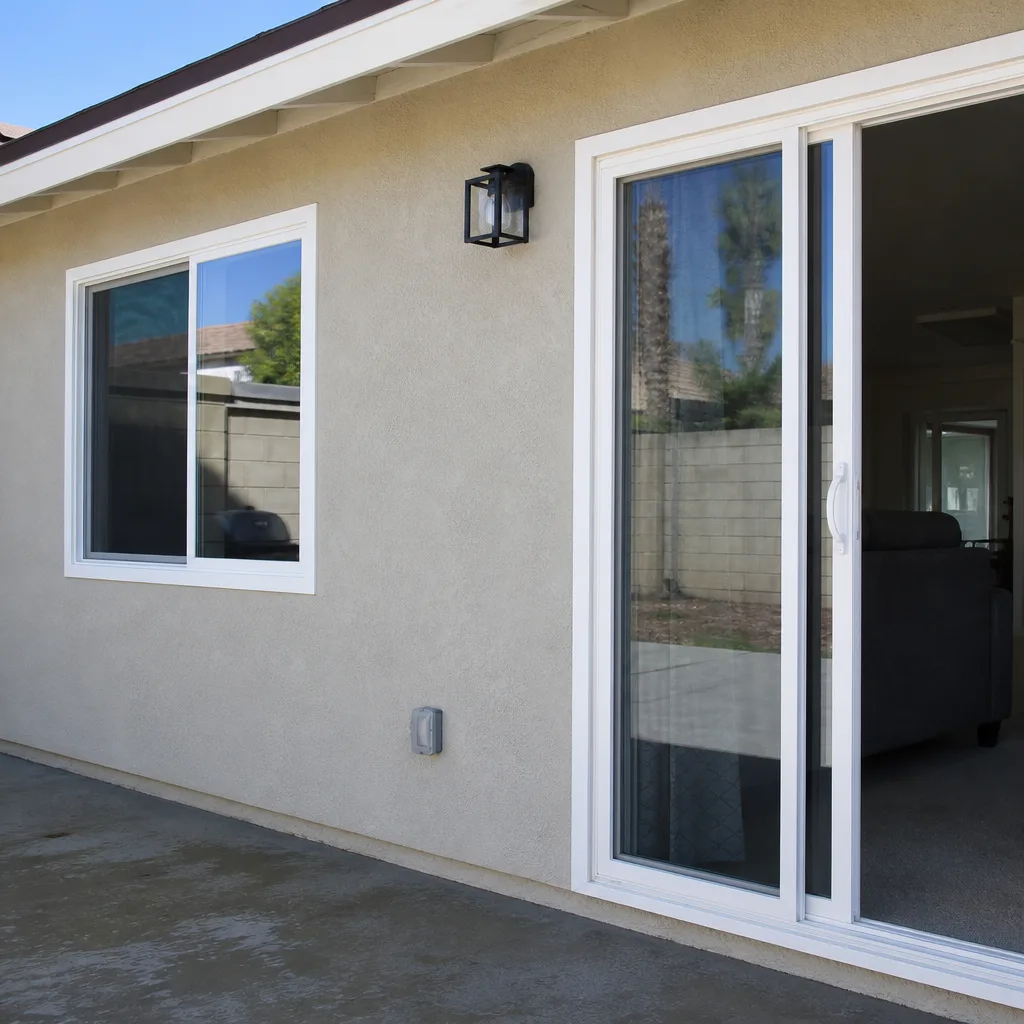 After