
Last updated October 30, 2026
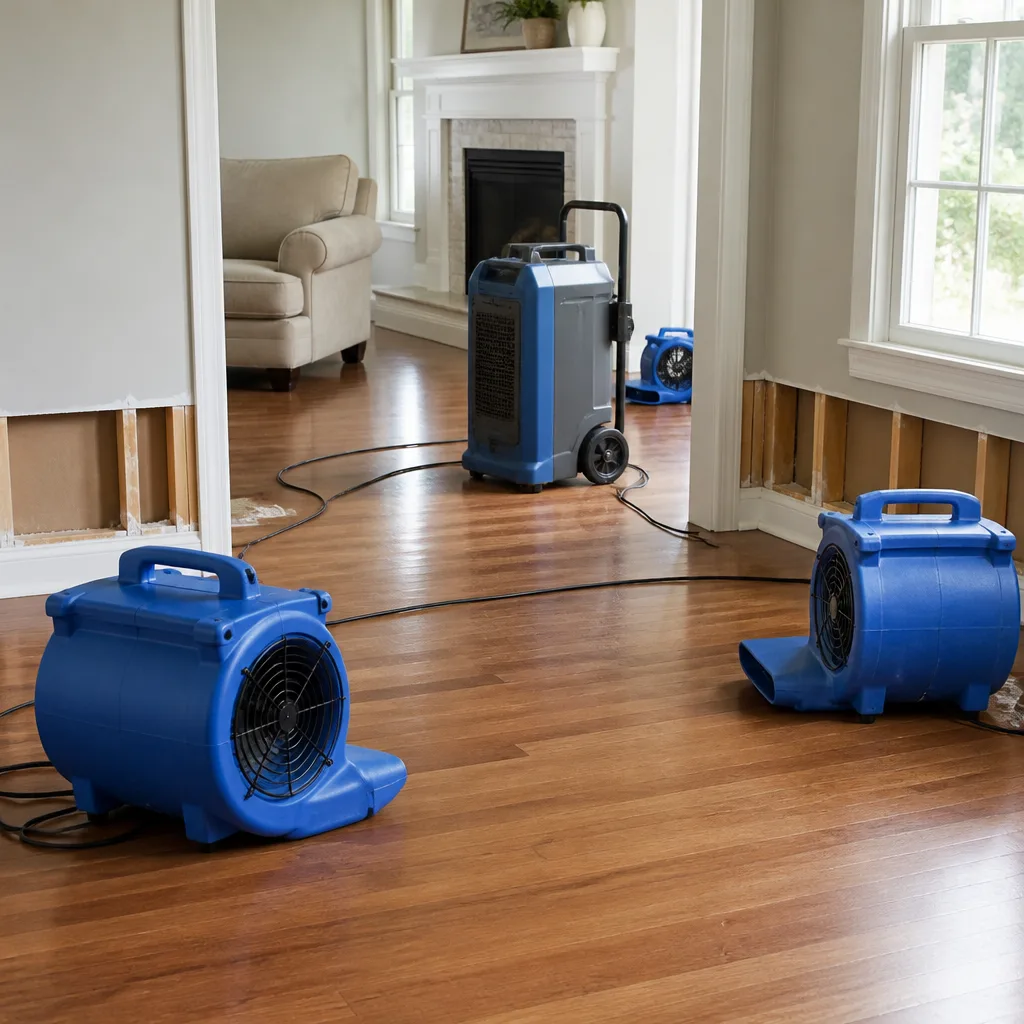 Water damage drying
 Fire & smoke cleanup
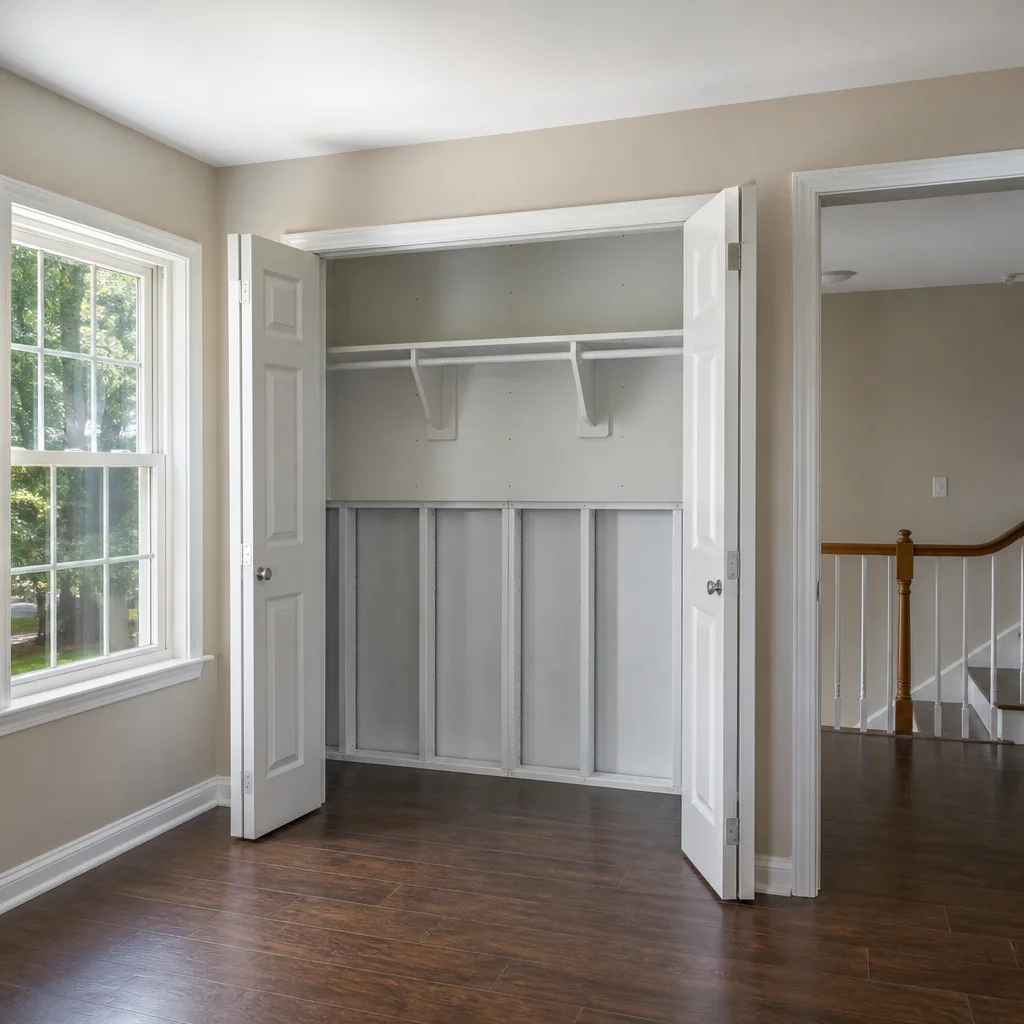 Mold remediation
 Storm response
 Sewage cleanup
 Reconstruction
Free visual inspection and a written scope of work before any mitigation begins - photos, moisture readings, and drying logs go in your claim file
The scope we write is the scope we bill. Anything new gets shown to you, in writing, before we touch it.
Get your free estimateWater Damage Restoration Troubleshooting: Common Problems and How to Fix Them
Here’s what nobody tells you after the restoration crew packs up and leaves: most “repeat” water damage isn’t a new leak. It’s the old one, unfinished. In San Bernardino, where summer temperatures routinely cross 100°F and indoor humidity can still spike during monsoonal flow, a structure that wasn’t dried to the right moisture standard will keep talking to you for months. Warped baseboards. A faint bathroom smell you can’t locate. A ceiling stain that reappears after you repainted it. Those aren’t mysteries. They’re diagnostic signals. This guide—along with The Complete Guide to Damage Restoration in San Bernardino—walks through the most common post-restoration problems we see, what each one actually means about trapped moisture, and how to verify whether a previous dry-out actually finished or quietly stalled out.
Restoration work we handle
Quick Answer
Persistent odors, warping wood floors, and reappearing stains after water damage restoration almost always mean one thing: the original drying job was incomplete and moisture is still trapped in structural materials. The fix starts with a professional moisture assessment using calibrated meters, then targeted drying with professional-grade equipment like Injectidry systems and LGR dehumidifiers. If documentation from the original job is missing or incomplete, treat it as a red flag and schedule a re-inspection before spending money on cosmetic repairs.
Table of Contents
- Symptom-to-Cause Mapping: What Your House Is Actually Telling You
- How to Pressure-Test a Previous Restoration Job
- Why LGR Dehumidifiers Matter (And What Happens Without Them)
- Encapsulation vs. Remediation: How to Tell Which One You Got
- When Troubleshooting Turns Into Re-Remediation
- San Bernardino Climate Factors That Complicate Drying
- What You Can Safely Check Yourself (And What You Shouldn’t Touch)
- Common Mistakes to Avoid
- When to Call a Professional
- Frequently Asked Questions
- The Bottom Line
Symptom-to-Cause Mapping: What Your House Is Actually Telling You
Every post-restoration complaint maps to a specific failure point in the drying process. If you learn to read the signals, you’ll know exactly what to demand from the next contractor you hire. We’ve walked into homes across San Bernardino where homeowners had been chasing “mystery odors” for months, when the culprit was evident within sixty seconds of reading the drywall with a moisture meter.
Here’s what we see most often, and what each symptom specifically indicates:
- Reappearing ceiling stains usually mean water is still trapped in insulation or the top plate of a wall cavity above the stain. The surface dried, someone painted over it, and the residual moisture is wicking back through.
- Cupping or crowning hardwood floors indicates subfloor moisture is still above 12%. Wood will cup (edges rise) when the top dries faster than the bottom. This is a moisture imbalance, not a structural failure, and it’s reversible if caught early.
- Musty odor that comes and goes typically signals moisture trapped in wall cavities or under baseboards where air doesn’t circulate. The smell intensifies when humidity rises because the trapped moisture is releasing microbial volatile organic compounds.
- Warped baseboards or door casings usually mean the bottom plate of the wall framing is still wet. Baseboards are attached to that plate, so they telegraph what’s happening inside the wall.
- Bubbling paint or peeling wallpaper is vapor pressure from moisture trying to escape through a sealed surface. The moisture is still there; you’re just seeing it push against the finish layer.
In San Bernardino specifically, we see a pattern with stucco-over-wood-frame construction. The stucco exterior acts as a vapor semi-barrier, which means moisture in wall cavities gets trapped on both sides. A dry-out that only addresses the room air and floor surfaces won’t touch these cavities. That’s why Water Damage Restoration in San Bernardino requires cavity-focused drying protocols, not just room-level dehumidification.
How to Pressure-Test a Previous Restoration Job
You don’t need to be a restoration technician to know whether the last company actually finished the job. You just need to know what completed documentation looks like and what questions to ask. Most homeowners we work with in San Bernardino are surprised to learn that a valid drying job generates a paper trail, and that the absence of that paper trail is a finding in itself.
Here’s what a legitimate drying record includes, and what to ask for:
- Initial moisture readings. The restoration company should have recorded moisture content in every affected material before starting work, using a calibrated moisture meter. Wood readings, drywall readings, carpet readings. If they never took initial readings, they were guessing.
- Daily drying log. Professional drying means monitoring. Readings should be taken every 24 hours during active drying, showing a steady downward trend. Ask to see this log. If the company doesn’t have it, you have a problem.
- Equipment placement record. Which machines were placed, where, and for how long. A legitimate drying plan maps air mover and dehumidifier placement to specific wet zones. No map, no plan.
- Final readings before equipment removal. The job isn’t done until the numbers say it’s done, not when the rental period ends or the schedule says wrap. Final readings below 16% for wood and below 10% for drywall are standard benchmarks, depending on the material and conditions.
- Post-drying clearance documentation. For significant water events, a final moisture audit on all previously wet materials. This is what “documented drying” actually means in practice.
What does missing documentation signal? At minimum, that the drying wasn’t verified. At worst, that it never finished. In our experience with San Bernardino properties, a missing drying log is the single most common predictor of a future re-remediation. It’s also the first thing an insurance adjuster will ask for when a claim turns into a dispute. If your previous contractor can’t produce these records, the San Bernardino Restoration Co home team can perform a re-inspection and tell you exactly where moisture is still hiding.
Why LGR Dehumidifiers Matter (And What Happens Without Them)
LGR stands for Low Grain Refrigerant. These dehumidifiers pull moisture out of air far more aggressively than standard refrigerant units, especially in the tight, warm conditions that define a closed-up house during restoration. When a contractor shows up with a conventional dehumidifier, the math works against you from the start.
Here’s the difference in practical terms. A conventional refrigerant dehumidifier works by cooling air below the dew point, condensing water onto coils, and draining it off. This is fine for a damp basement on a cool day. But in a hot, saturated room where the air is already warm, the temperature differential needed for condensation is much harder to achieve. The unit runs, the coils sweat a little, and the room stays humid. LGR units use a different refrigeration cycle designed specifically for low-grain, high-efficiency moisture removal. They keep pulling water when conventional units plateau.
What happens when a contractor uses conventional equipment on a restoration job? The room air eventually dries, sure. But materials like drywall, subfloor, and wall framing hold moisture far longer than the air does. Air that stays humid because of inadequate dehumidification will actually re-humidify surfaces that had started to dry. The drying curve stalls. The contractor may declare the job done because the floor feels dry to the touch, but the structure is still saturated. A professional-grade fleet matters. We run Dri-Eaz and Phoenix LGR dehumidifiers on every structural drying job because these are the machines built for tight conditions and aggressive water removal. If the prior company can’t tell you what dehumidifier model they used and why, that tells you something.
Encapsulation vs. Remediation: How to Tell Which One You Got
This is the hardest distinction for a homeowner to spot, because encapsulation looks like restoration. It walks like restoration. It might even smell like restoration. But encapsulation masks a problem while remediation solves it. Here’s how to tell the difference.
Encapsulation means sealing something off rather than removing or drying it. Examples: painting over a stained ceiling with a stain-blocking primer instead of removing the wet drywall and drying the cavity behind it. Installing new flooring over a subfloor that still reads 18% moisture. Fogging a room with an odor masker instead of identifying and removing the microbial source. None of these actions solve anything. They just delay the reckoning.
Remediation means the moisture source is eliminated, affected materials are either dried to standard or removed, and the remaining structure is verified clean and dry before anything gets rebuilt or refinished. The distinction shows up in the methods, not the words. Ask the previous contractor: what did you physically remove, and what did you dry in place? Where were the final moisture readings? Can I see the clearance data? If the answers are vague or defensive, you probably got encapsulation.
San Bernardino properties present a specific risk here because so many homes have wall cavities that are difficult to access. A company that doesn’t have Injectidry capability, or doesn’t know how to use it, will skip cavity drying entirely and patch the opening. That’s encapsulation by default. We’ve corrected many of these jobs across San Bernardino, and the pattern is always the same: the surface looked fine for a few months, then the odor came back.
When Troubleshooting Turns Into Re-Remediation
Some troubleshooting situations are fixable with spot-drying and verification. Others require a full re-remediation, which means opening things back up and starting the drying process over. Knowing which situation you’re in determines how much this will cost and how long it will take.
Here’s the threshold, in plain terms:
- Spot-drying is appropriate when moisture is localized, the surrounding area is dry, and readings show the wet zone is shrinking. A single wall cavity, a section of subfloor under a kitchen island, a pocket of moisture behind a baseboard. These can often be dried in place with targeted equipment like Injectidry systems, which pull moisture out of cavities without tearing out the wall.
- Re-remediation is necessary when moisture is widespread, has been present for more than a few weeks, or when microbial growth is confirmed. If the odor is coming from multiple rooms, if stains are appearing in different places than the original damage, or if multiple materials read above their drying standard, you’re not spot-fixing anymore. You’re redoing the dry-out.
What should a re-inspection involve? A full moisture survey of every affected area using non-invasive and probe meters, an assessment of whether previous equipment was appropriately sized, a check for hidden mold behind baseboards or under flooring, and a written scope that identifies exactly what needs to open up and what can be dried in place. The re-inspection is where you find out whether the original contractor’s failures were equipment-related, process-related, or both.
If you’re in San Bernardino and you suspect the original drying was incomplete, Mold Remediation in San Bernardino becomes relevant because prolonged moisture almost always leads to microbial activity. The sooner a re-inspection happens, the more salvageable the materials and the smaller the eventual scope.
San Bernardino Climate Factors That Complicate Drying
San Bernardino sits in a unique climate zone that creates specific drying challenges contractors in other regions don’t face. Understanding these helps you evaluate whether a previous restoration actually accounted for local conditions or just followed a generic playbook.
First, the heat. Summer temperatures in San Bernardino regularly exceed 100°F, which accelerates evaporation at the surface while the interior structure stays wet. This creates a false sense of progress. The floor feels dry, the wall feels dry, so the contractor packs up. But surface evaporation without adequate dehumidification just moves moisture from one place to another. It doesn’t leave the building. We’ve seen vapor migration where moisture from a dried floor ended up in the wall cavities because the air was saturated and the temperature differential drove it there.
Second, the monsoonal humidity spikes. Late summer brings Gulf moisture into the Inland Empire, and indoor relative humidity climbs fast. A house that was marginally dried in July can re-absorb atmospheric moisture in August. Professional drying in San Bernardino has to account for this seasonal fluctuation, which means hitting lower final moisture targets before declaring completion.
Third, the construction stock. San Bernardino has a large inventory of older homes with plaster-over-lath walls, solid wood subfloors, and balloon framing. These materials hold water differently than modern drywall over plywood. Plaster in particular can look dry and feel dry while the lath behind it is saturated. A moisture meter that only reads the surface will miss this entirely. Proper drying in these homes requires probe readings into the wall cavity.
These are the factors that separate a genuine San Bernardino restoration professional from an out-of-area contractor who treats every job like a generic dry-out. The protocols have to match the building and the climate.
What You Can Safely Check Yourself (And What You Shouldn’t Touch)
There’s a middle ground between helplessly watching for odor and hiring a restoration company to do everything. Some diagnostic steps are safe for any homeowner. Others should be left to a trained professional, both for safety and for the integrity of any insurance claim.
Here’s what you can do yourself:
- Visual inspection. Walk the affected area slowly. Look for water stains, paint bubbling, floor gaps, or baseboard separation. Take photos with your phone, dated and located. This documentation has value if you pursue a claim against the original contractor.
- Touch the surfaces. Wood that feels cool or damp against the back of your hand, even when the room air is warm, is worth investigating further. Coolness means evaporative cooling, which means moisture.
- Smell each room separately. Musty odors are location-specific. If you can narrow the smell to one wall or one closet, that’s a data point for the next professional you call.
- Check your utility bills. A spike in water usage with no visible leak inside the home suggests a slab leak or a supply line problem. This tells you whether you’re dealing with residual drying or an active new intrusion.
Here’s what you should not attempt yourself: opening walls to inspect cavities, pulling up flooring to check subfloor moisture, using a consumer moisture meter without understanding material-specific thresholds, or any activity that involves mold removal. Disturbing microbial growth without proper containment and negative air pressure spreads spores through the house. If you find visible mold during your self-inspection, stop, close the door, and call a professional. Fire Damage Restoration in San Bernardino follows the same principle: some work is for professionals with proper equipment and training, and attempting it yourself makes the eventual professional remediation more complicated and more expensive.
Common Mistakes to Avoid
- Repainting before verifying dryness. Paint is a moisture barrier, not a moisture solution. If you paint over a damp wall, you seal the moisture inside and guarantee future blistering, peeling, and mold. Always confirm readings below standard before any finish work.
- Hiring based solely on price. Cutting corners on drying equipment is the most expensive savings you’ll ever find. The difference between a $1,500 dry-out and a $3,500 dry-out often shows up in the equipment list, not the invoice total. Ask what machines will be deployed before you sign anything.
- Accepting verbal assurances without documentation. “Don’t worry, we got it all” is not a drying log. If a contractor can’t produce written moisture readings, daily monitoring records, and final clearance data, you don’t have a completed job. You have a promise.
- Ignoring musty odors that fade. An odor that comes and goes based on humidity or temperature is still an active problem. The odor is present throughout, you’re just smelling the peaks. Waiting for it to disappear on its own means waitng for the mold colony to spread.
- Trusting consumer-grade moisture meters. The pinless meters sold at hardware stores are not calibrated for restoration work and often read surface moisture only. They’ll tell you the paper backing of the drywall is dry while the cavity behind it is saturated. Professional readings require professional equipment.
- Assuming insurance will cover re-remediation without question. If a previous contractor failed to finish the job, your insurance company may dispute a second claim. Proper documentation from the first job, or a professional re-inspection with clear findings, makes the difference between a covered claim and an out-of-pocket expense.
When to Call a Professional
You should call a professional restoration company when any of these apply: moisture readings you’ve taken show wood above 16% or drywall above 10%; a musty odor persists for more than a week after it first appeared; visible mold is present on any surface larger than a dinner plate; the original restoration company cannot produce drying documentation; or you’re preparing to sell the property and need documented, defensible drying records for disclosure purposes. These are not DIY situations. They are structural and health issues that require professional assessment through our Water Damage Restoration services. If you’re in San Bernardino and you suspect the original drying never finished, San Bernardino Restoration Co offers free estimates in San Bernardino, call (877) 358-7678. We’ll map the moisture, show you the readings, and write a scope that’s built for your actual situation, not a generic template.
Frequently Asked Questions
A correct restoration is one where the contractor can show you initial moisture readings, a daily drying log showing a downward trend, and final readings below the material-specific drying standard before equipment was removed. If you have no documentation and you’re experiencing odors, warping, or stains, the job was likely incomplete and requires a professional re-inspection.
Persistent musty odor after restoration means moisture is still trapped somewhere in the structure, usually in wall cavities, under flooring, or behind baseboards, and microbial activity is ongoing. The odor is volatile organic compounds released by growing mold or bacteria, and it won’t go away until the moisture source is eliminated and the affected material is either dried to standard or removed.
Warped hardwood floors can often be corrected if the cupping or crowning is caught early and the subfloor is dried to below 12% moisture before any sanding or refinishing. Once the wood has dried and stabilized, a professional floor contractor can sand and refinish. If the subfloor remains wet beneath the hardwood, the problem will return and the flooring may need to be removed for proper drying.
Drywall should read below 10% moisture content before it’s considered dry in a restoration context, though the exact standard varies by material and conditions. Readings above 12% in drywall indicate active moisture and require continued drying or removal. Professional restoration companies use calibrated meters and record these readings as part of the drying log.
Structural drying typically takes 3 to 5 days with properly sized professional equipment, though larger or more saturated losses can take longer. If a drying job was declared complete in 24 to 48 hours, or if equipment was removed while materials were still reading high, the drying was almost certainly incomplete. Drying time depends on the volume of water, the materials affected, and the equipment deployed, not on a schedule.
Insurance coverage for re-remediation depends on documentation. If the original contractor’s failure can be demonstrated through missing drying logs, inadequate equipment, or professional re-inspection findings, your insurance company may process a supplemental claim. If there’s no documentation from the first job and no evidence of the contractor’s failure, the re-remediation may fall to you. This is why documented drying matters from day one.
The Bottom Line
Most post-restoration problems are not new disasters. They’re unresolved moisture from a drying job that stopped short. The signs are specific: reappearing stains mean cavities stay wet. Warping floors mean subfloor moisture remains. Musty odors mean microbial activity is ongoing. Each symptom maps to a cause, and each cause is findable with the right tools and the right training. If you’re in San Bernardino and you’re wondering whether the last restoration actually finished, don’t guess. Get professional moisture readings. Ask for the drying log. And if the answers aren’t there, explore more guides & resources or call someone who can produce them. Your house is telling you something. A good restoration company knows how to listen.
Written by the team at San Bernardino Restoration Co, serving San Bernardino since 2016.
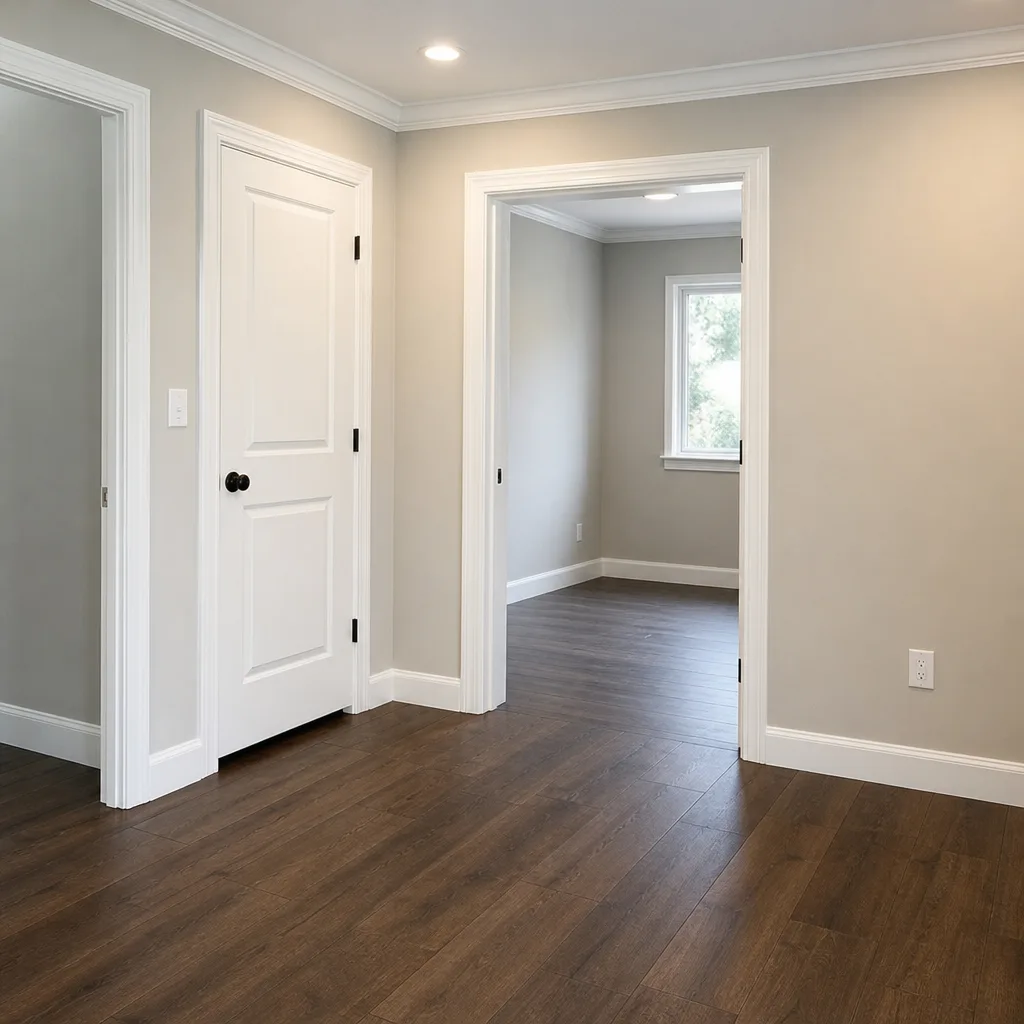
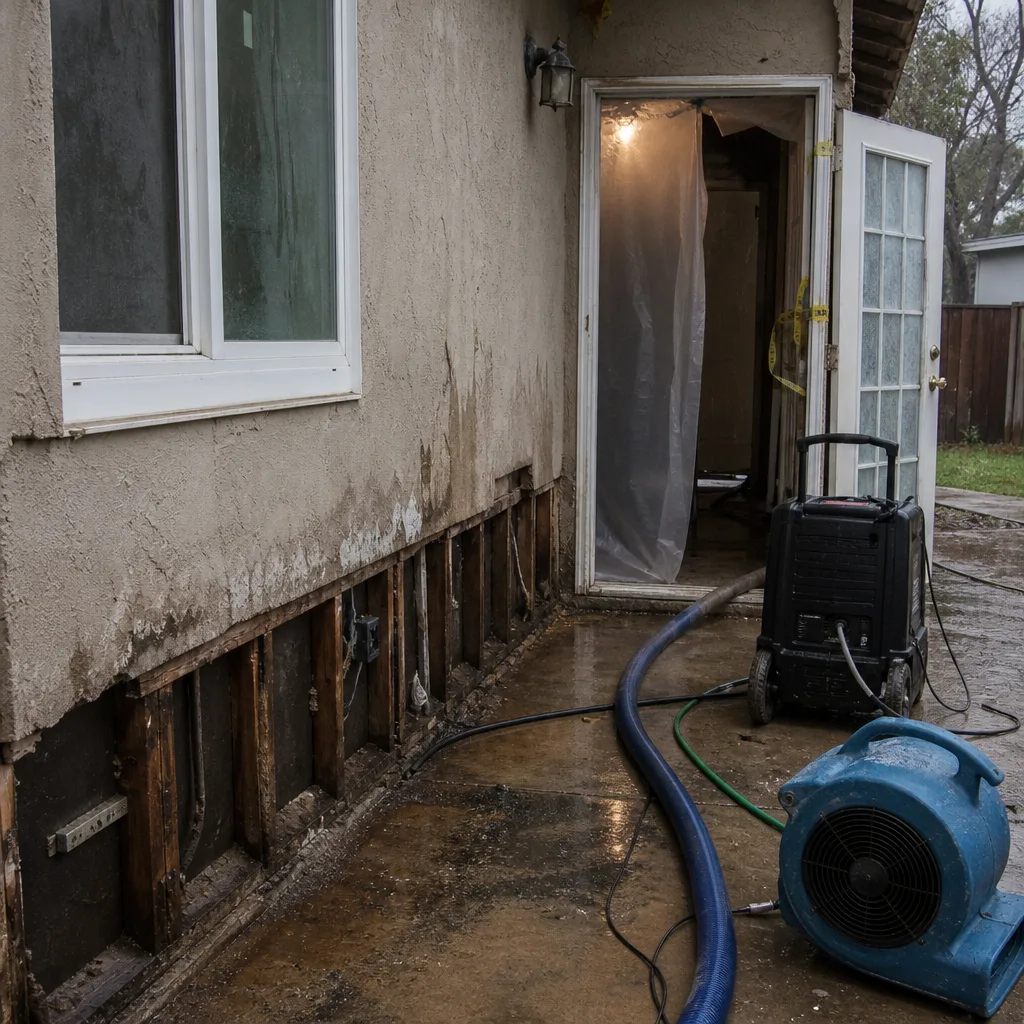
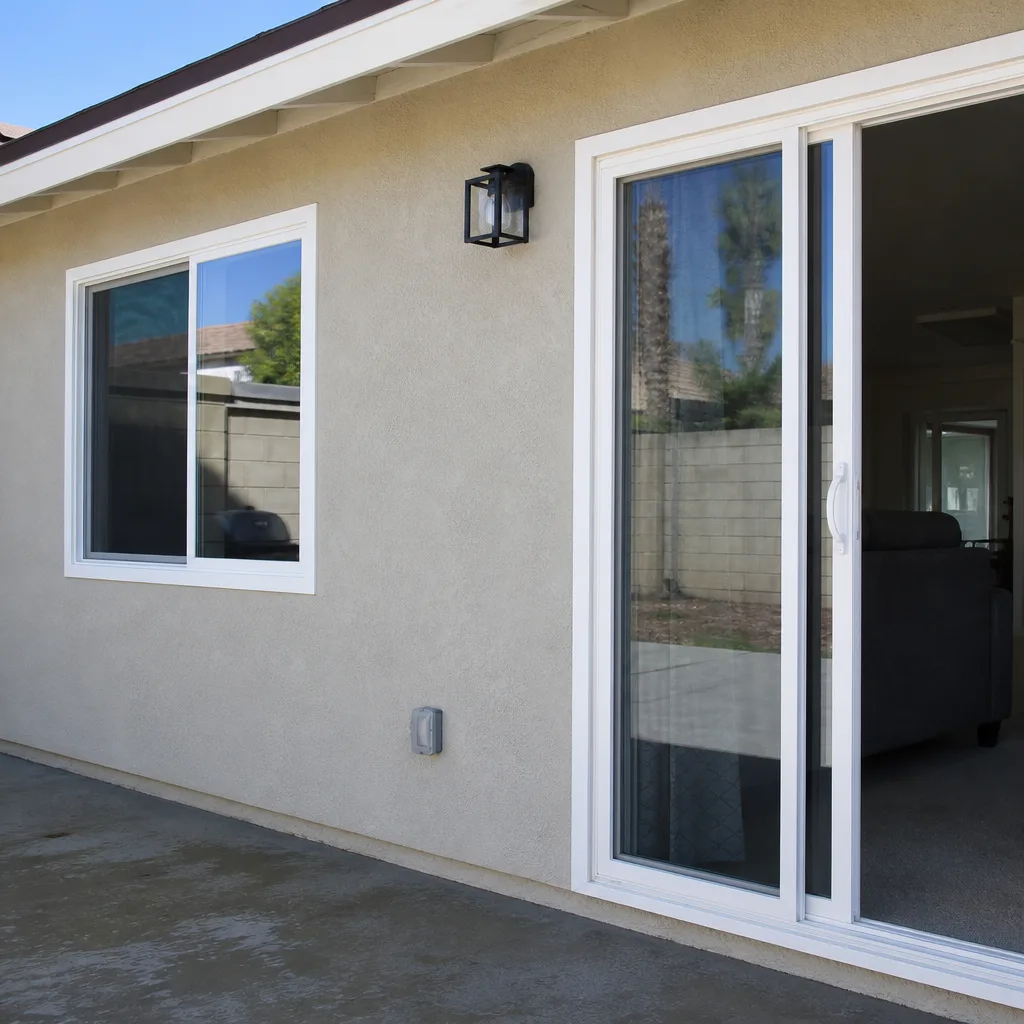
See the difference
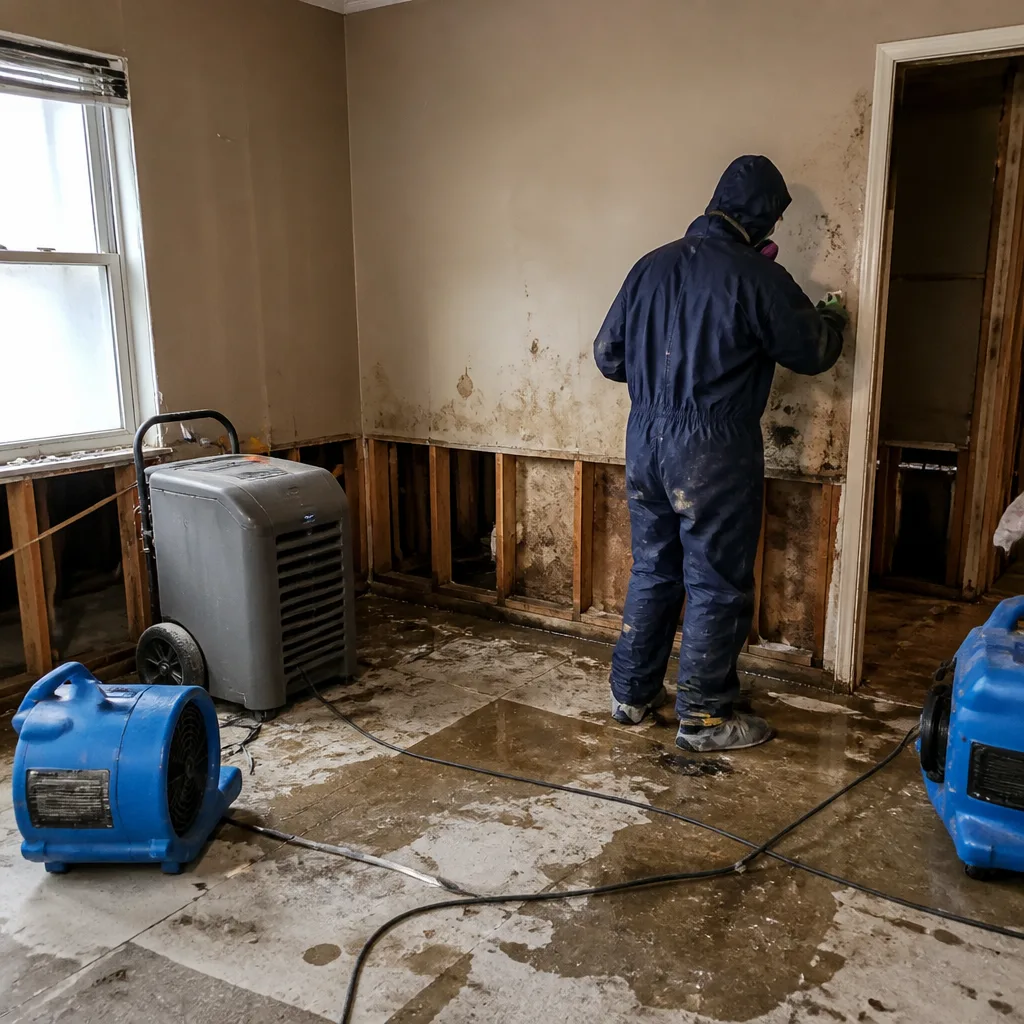 Before
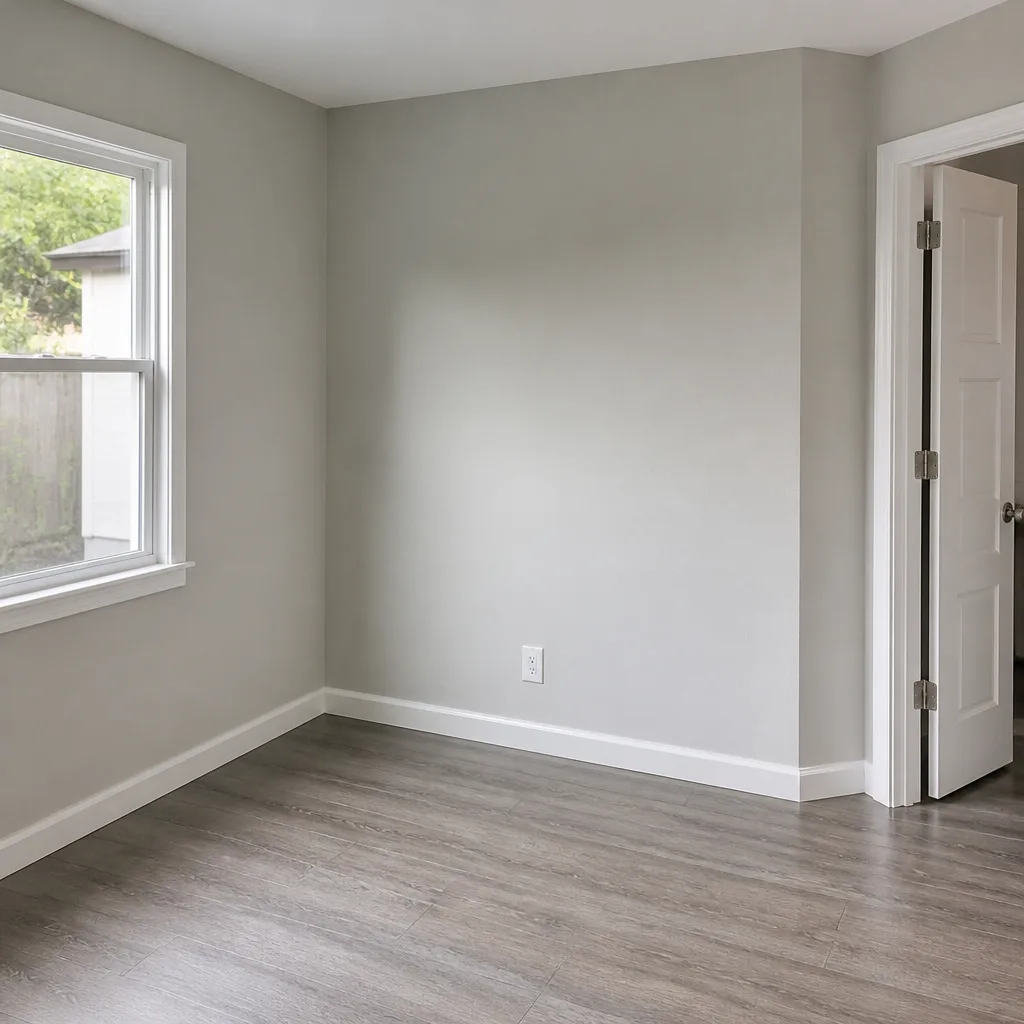 After
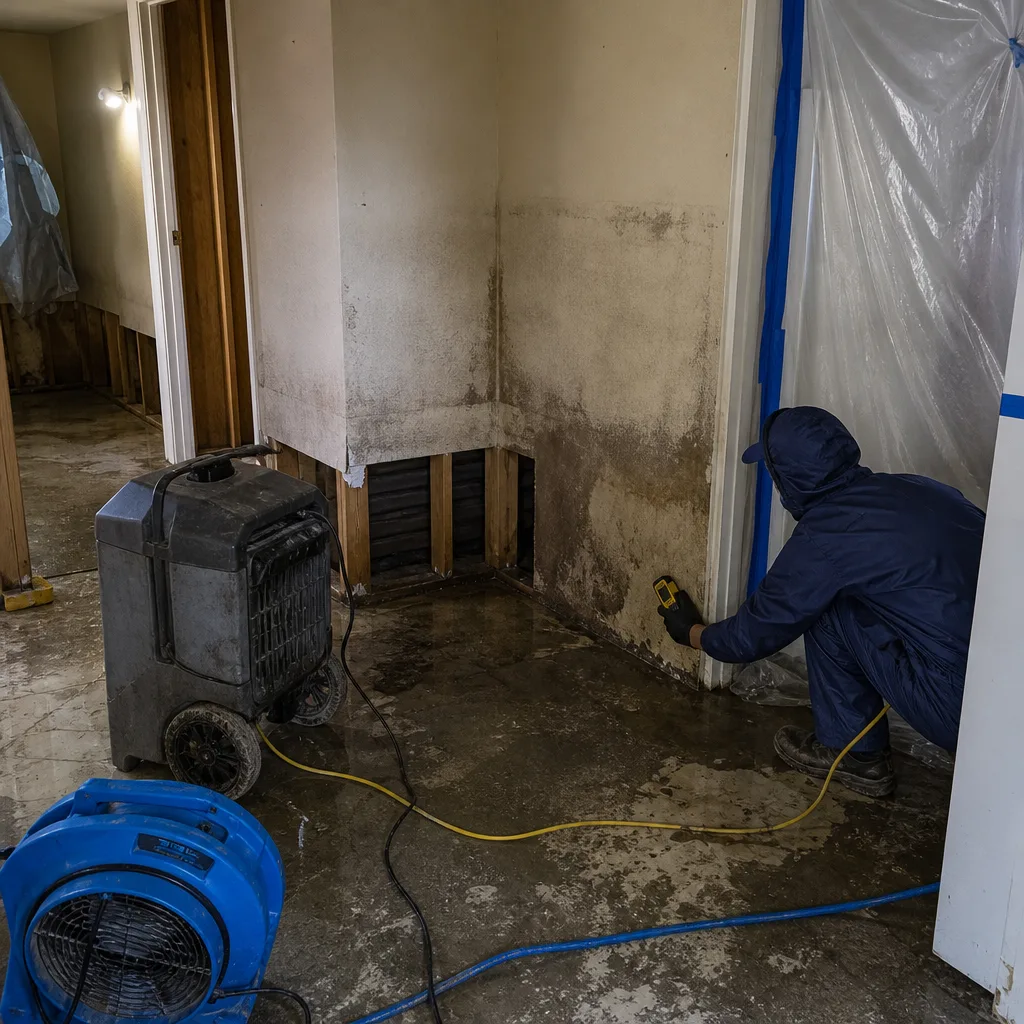 Before
 After
 Before
 After