
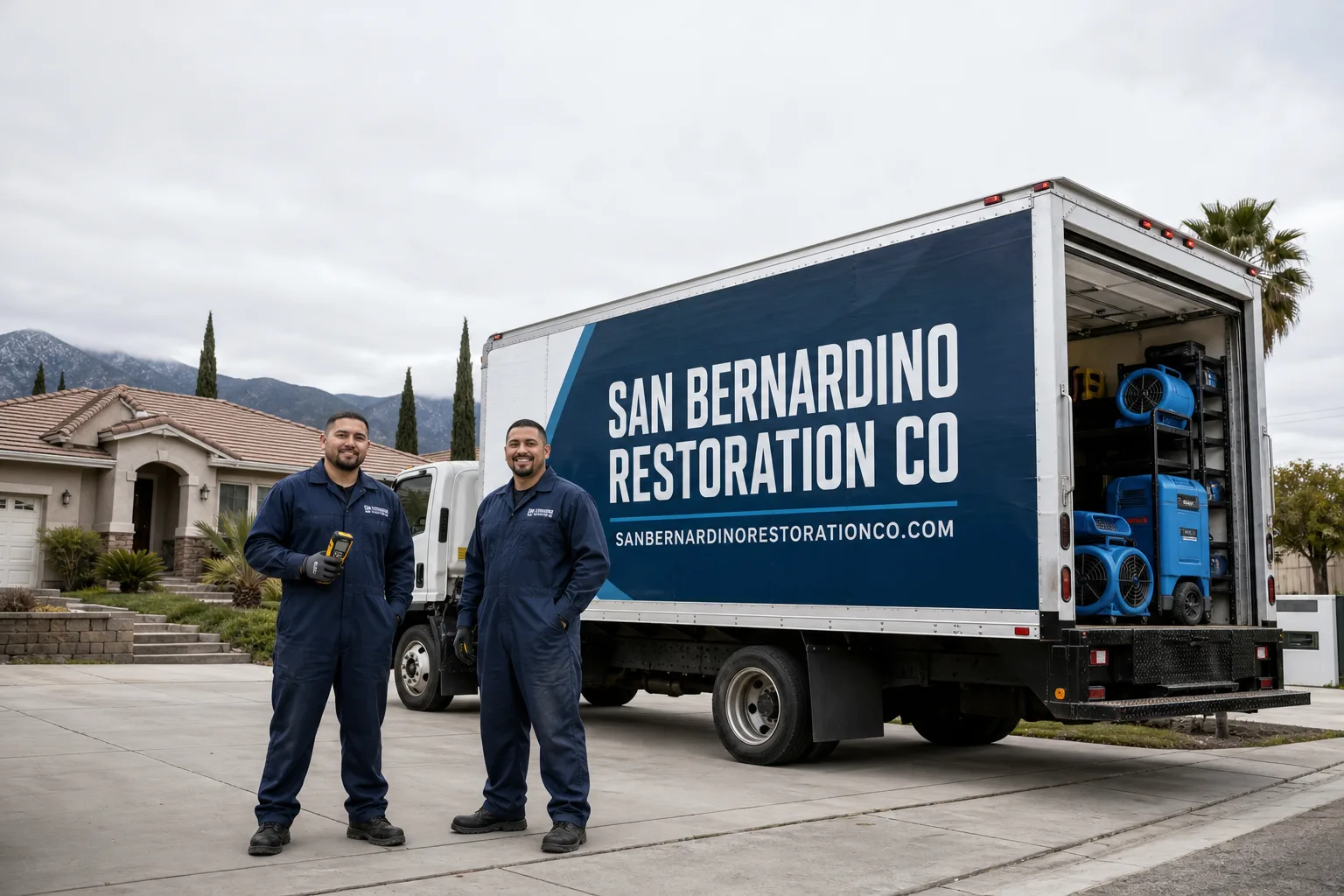
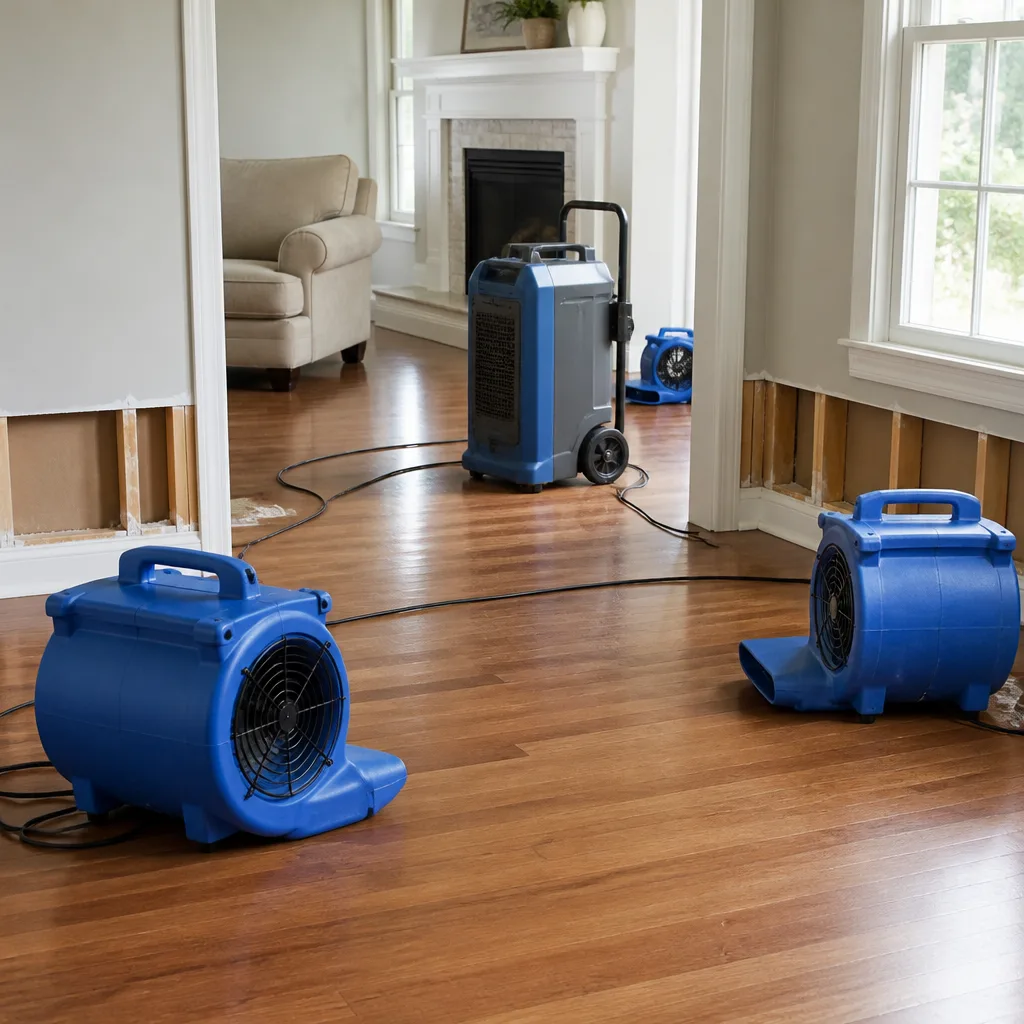
 Water damage drying
 Fire & smoke cleanup
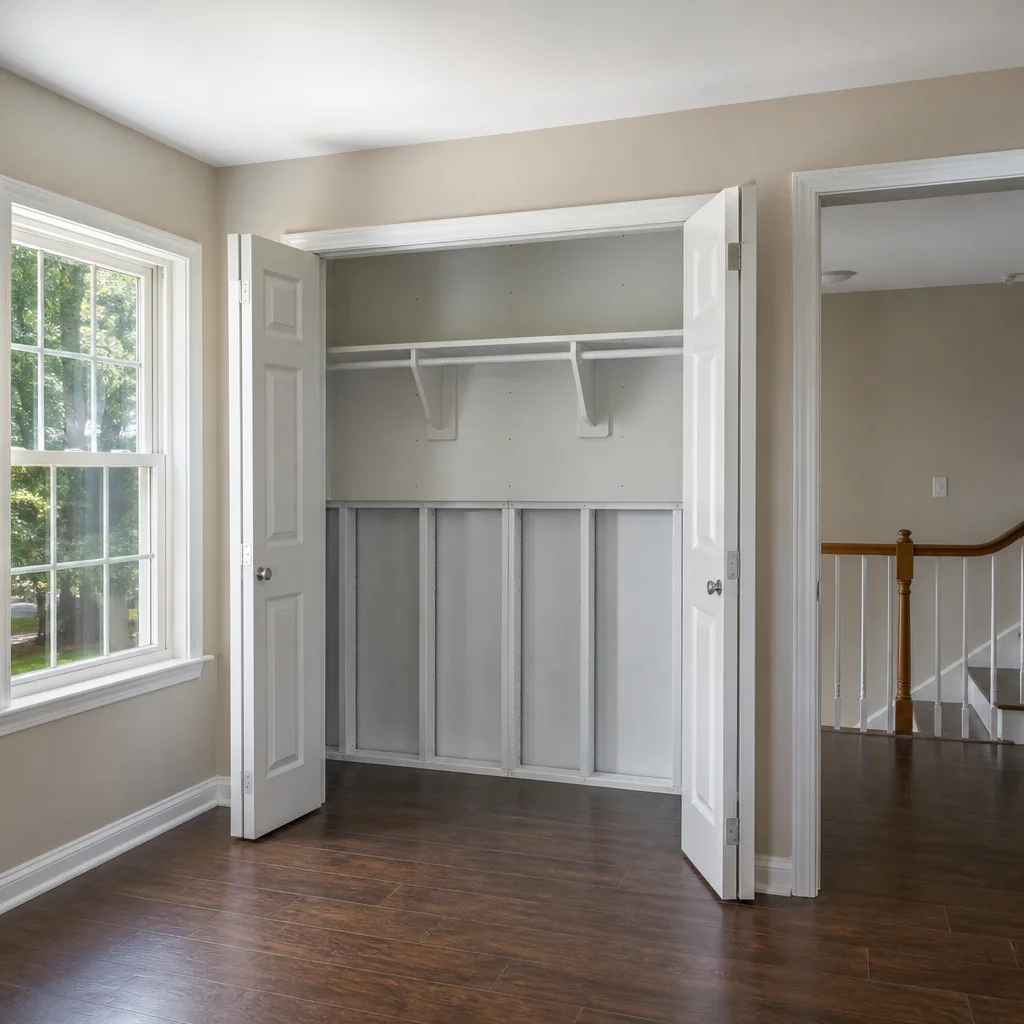 Mold remediation
 Storm response
 Sewage cleanup
 Reconstruction
Free visual inspection and a written scope of work before any mitigation begins - photos, moisture readings, and drying logs go in your claim file
The scope we write is the scope we bill. Anything new gets shown to you, in writing, before we touch it.
Get your free estimateFast, Reliable Water Damage Restoration Across San Antonio Heights
Water damage in San Antonio Heights moves fast, so our crews do too. A burst supply line or storm-driven intrusion can saturate drywall, wick into wood framing, and start feeding mold within 48 hours. San Bernardino Restoration Co runs IICRC-certified water extraction and structural drying teams into the 91784 zip code, including the foothill slopes and custom hillside builds above Upland. Call (877) 358-7678 and a certified technician answers, not a call center.
We know this community’s specific failure patterns. The Santa Ana wind events that push ember and ash against north-facing eaves also load roof valleys with debris that channels storm runoff into wall cavities come December. That fire-then-flood sequence means a single San Antonio Heights home can need ash residue cleanup and water extraction in the same visit. Our team arrives with commercial-grade equipment, not rental-shop gear, and we document every moisture reading for your insurance file.
Why San Bernardino Restoration Co Is San Antonio Heights’s Preferred Water Damage Restoration Company
Homeowners in San Antonio Heights call us because we treat a foothill water loss differently than a flat-valley one. A ranch home off the Euclid Avenue corridor near San Antonio Dam has different drainage behavior than a hillside split-level backing up to the San Gabriel foothills. We read the terrain before we read the moisture meter. That local fluency is why property managers and homeowners in 91784 keep our number saved for the next emergency.
Our reputation in San Antonio Heights rests on three things: IICRC-certified protocol on every job, pro-tier equipment brands like Dri-Eaz, Phoenix, and XPOWER, and documentation that insurance adjusters accept without pushback. Noel Armenta built this company around the principle that a water loss is a structural event, not a cleanup inconvenience. The same crews handling your water extraction are trained for mold remediation and fire damage restoration, so if the Santa Ana season left ash in your attic before the pipe burst, one team handles the full scope from extraction to clearance.
Our service area includes the neighborhoods along 24th Street, the ranches off Mountain Avenue, and the custom homes tucked against the foothill boundary north of Base Line Road. We know which streets flood first when debris-laden runoff comes downslope, and we stage accordingly during storm season.
Restoration work we handle
Water Mitigation in San Antonio Heights
Water Mitigation in San Antonio Heights means something specific: stopping active water movement, removing what’s already saturated, and drying the structure to a documented pre-loss moisture baseline. On a typical extraction and drying job here, you’re looking at $1,800 to $4,200 depending on affected square footage, category of water, and whether we’re drying a slab-on-grade rancher or a split-level with crawlspace access. Homes on the foothill-facing slopes often run toward the upper end because wall cavities and underfloor spaces hold moisture longer.
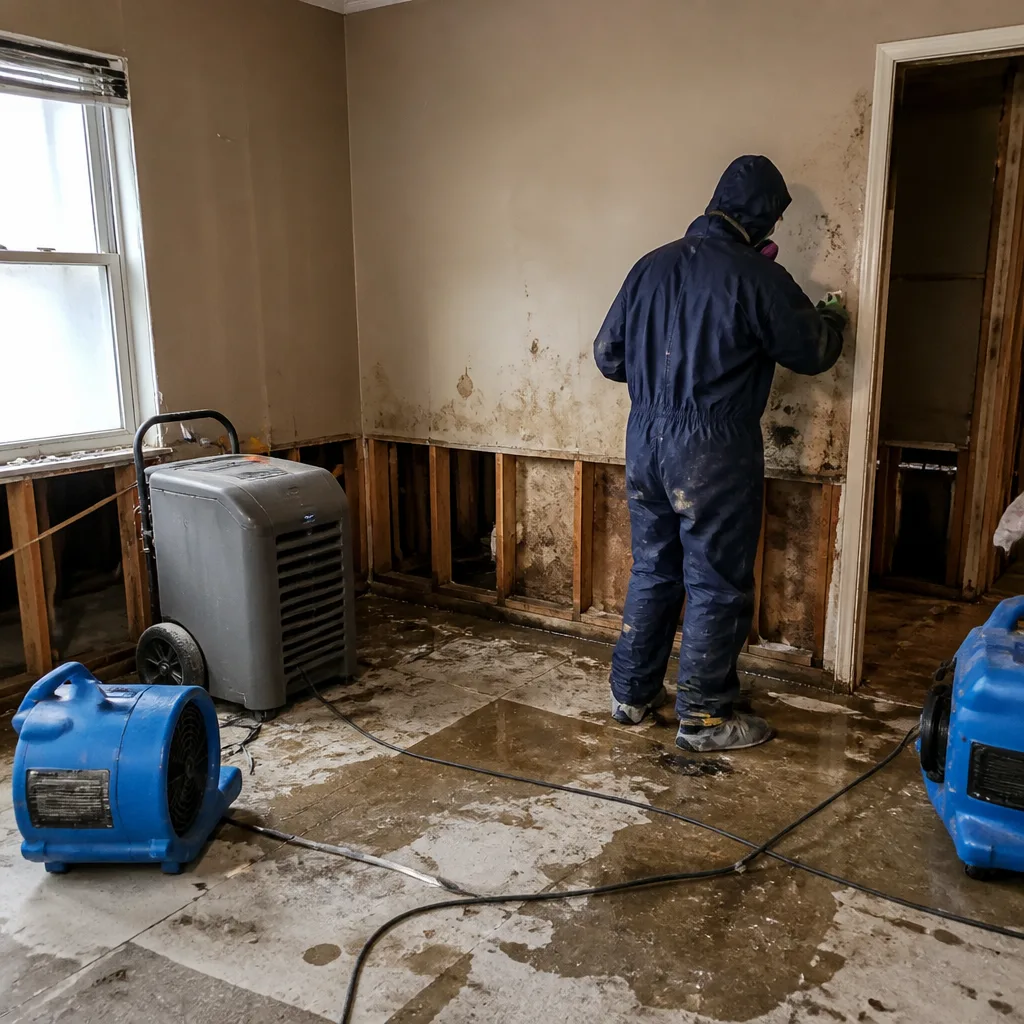
Mitigation is not the same as repair. We’re not patching drywall on day one. We’re mapping moisture with thermal imaging and penetrating meters, extracting standing water, setting containment, and running dehumidifiers and air movers until subsurface readings stabilize. That’s the IICRC-standard approach, and it’s why our drying logs hold up when an adjuster reviews the file.
Wall Cavity and Crawlspace Drying
In San Antonio Heights’s older wood-framed homes, water travels behind baseboards and into stud bays faster than homeowners expect. We deploy Injectidry panels against affected wall cavities to pull moisture without tearing out drywall. For crawlspaces under split-level builds, we run containment and dehumidification, not just air movers, because an uncontained crawlspace re-wets framing overnight.
Category Assessment and Antimicrobial Treatment
We classify every San Antonio Heights job by water source: Category 1 clean, Category 2 gray, Category 3 black. The classification drives everything from drying method to disposal protocol. For Category 2 or 3 intrusions, we include antimicrobial treatment on affected framing and subfloor before drying equipment even goes in.
Flooded Basement in San Antonio Heights
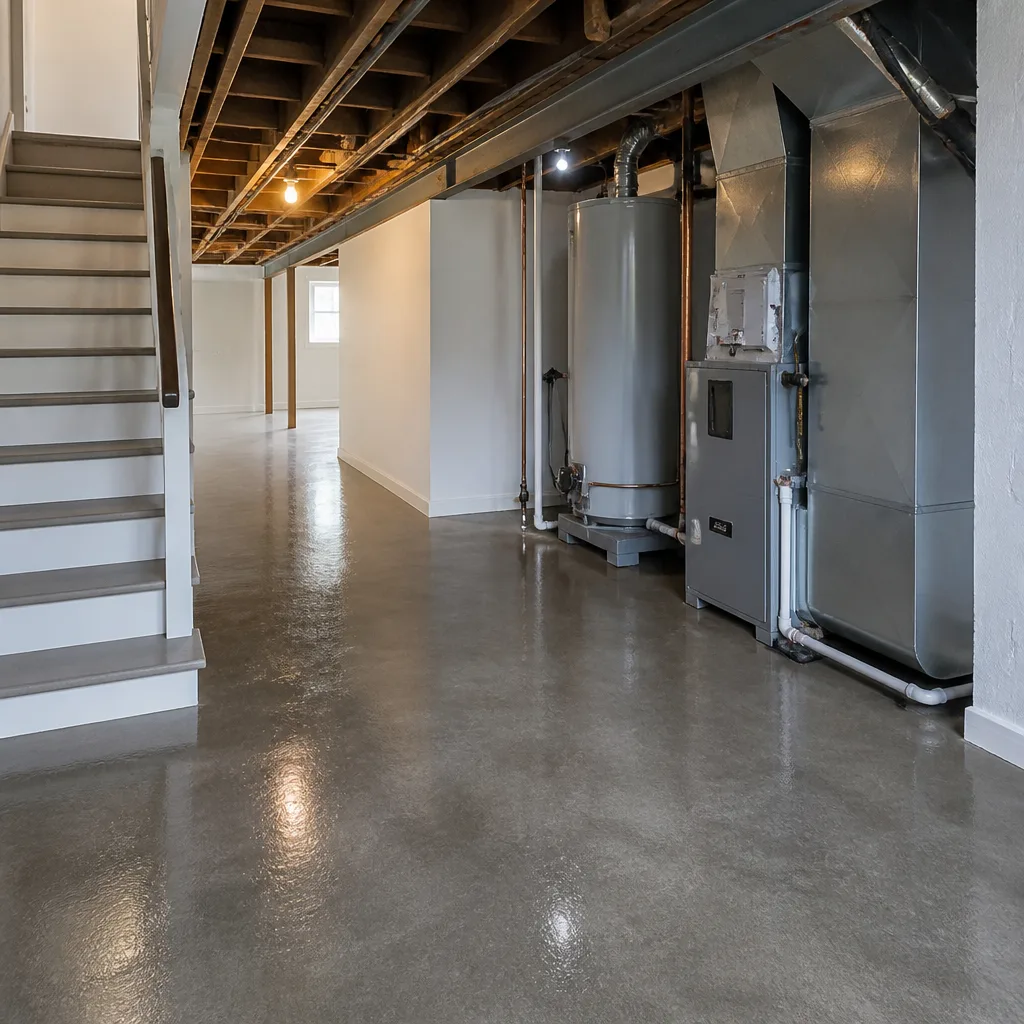
Flooded Basement in San Antonio Heights usually means one of two things: storm runoff from the foothill side finding its way into a below-grade space, or a failed water heater or laundry supply line in an older rancher with a basement level. Full basement extraction with drying typically runs $2,500 to $6,000 here, depending on depth of water, time standing, and whether finished surfaces like drywall or carpet are involved. Basement jobs in custom hillside builds often require longer equipment run times because of limited airflow and higher ambient humidity in those spaces.
Standing water in a San Antonio Heights basement is urgent for a reason most valley homes don’t face: the semi-arid foothill climate makes humidity swings aggressive. Once moisture penetrates the slab or foundation wall, the dry Santa Ana heat can push vapor upward through the structure, creating hidden condensation in wall cavities on the level above.
Submersible Pump and Truck-Mount Extraction
We pull standing water with submersible pumps first, then follow with truck-mounted extraction on porous surfaces. On a January storm call in 91784, that sequence typically drops humidity from “rained inside” to “drying actively” within the first four to six hours.
Structural Drying Logs for Basement Losses
Basement drying in this community demands documentation. We record moisture content readings from concrete, wood framing, and drywall at every equipment visit. Those logs show your insurance carrier that drying progressed to a standard, not a guess. When clearance is reached, you get a written summary with final readings.
Trusted Brands We Service in San Antonio Heights
We work on and around the equipment and finishes found in San Antonio Heights homes, including water heaters and laundry connections from Rheem, Bradford White, and AO Smith, plus the irrigation and supply lines common to larger foothill lots. Our warehouse keeps a rolling stock of the fittings, valves, and disconnect components these systems use, so a mid-morning supply-line failure on a Saturday doesn’t wait until Tuesday for a part. The same goes for the restoration side: Dri-Eaz dehumidifiers and Phoenix axial air movers are on our trucks, not ordered for next-week delivery.
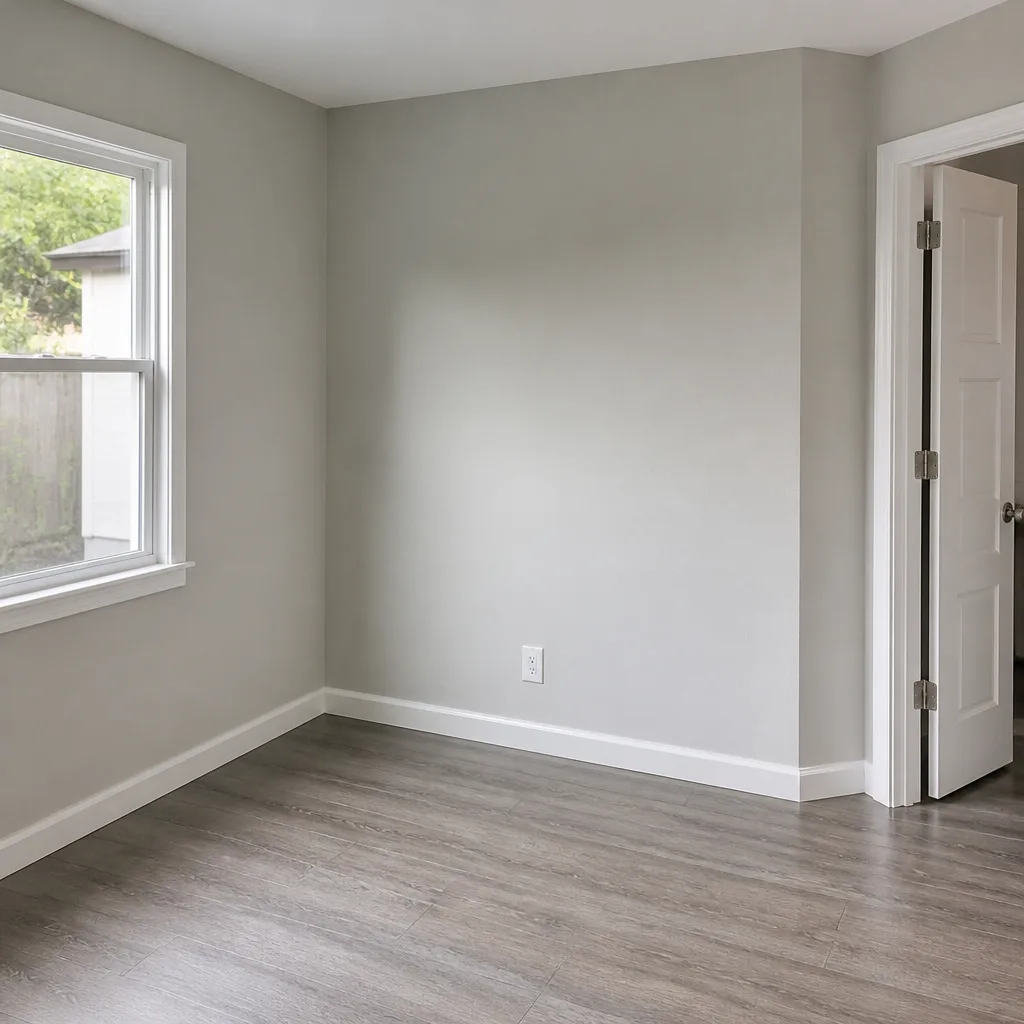
See the difference
 Before
 After
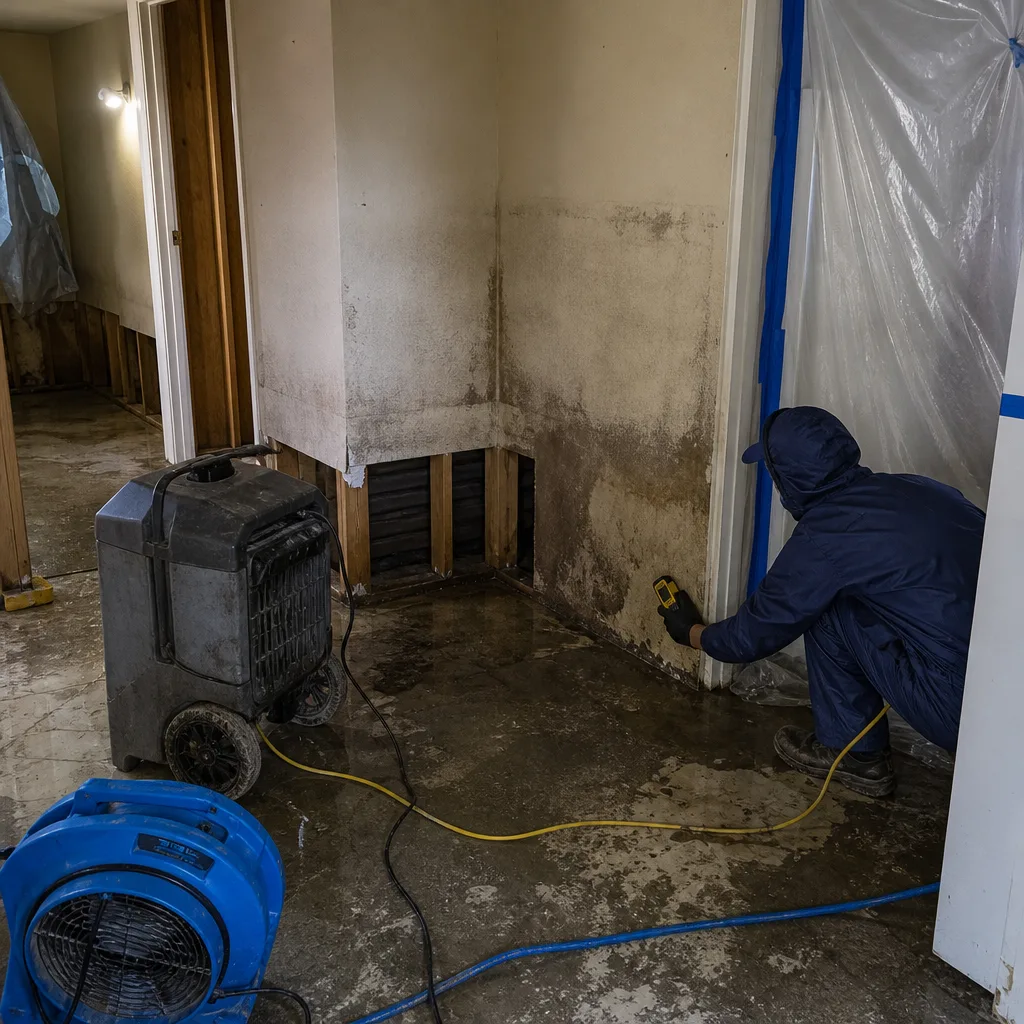 Before
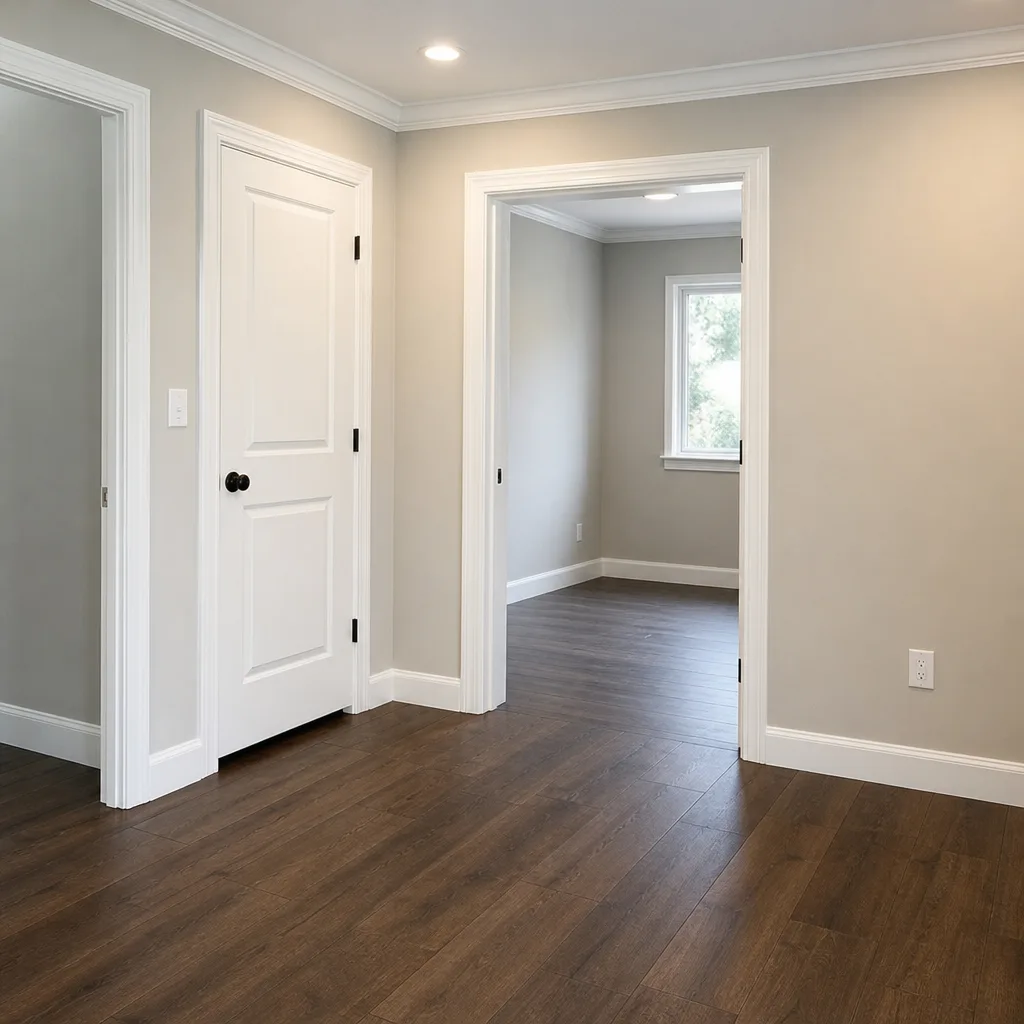 After
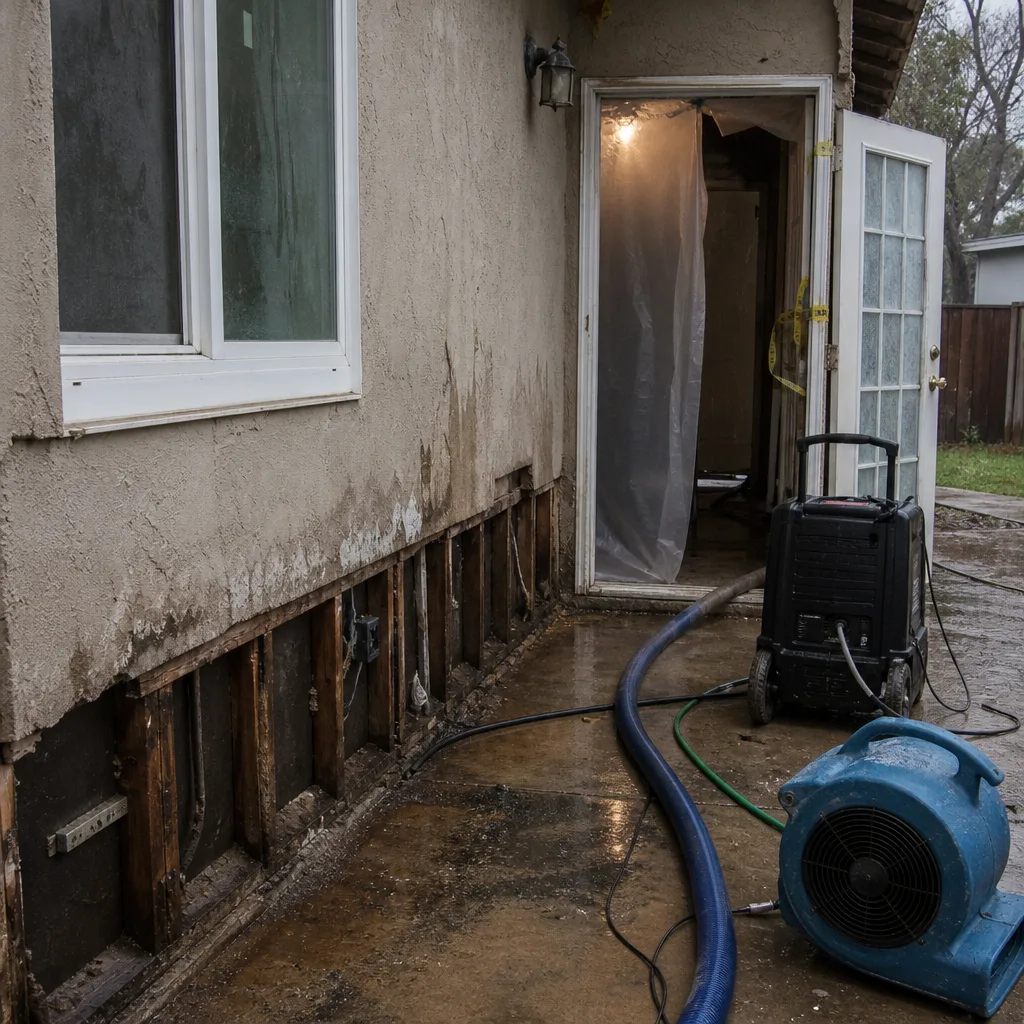 Before
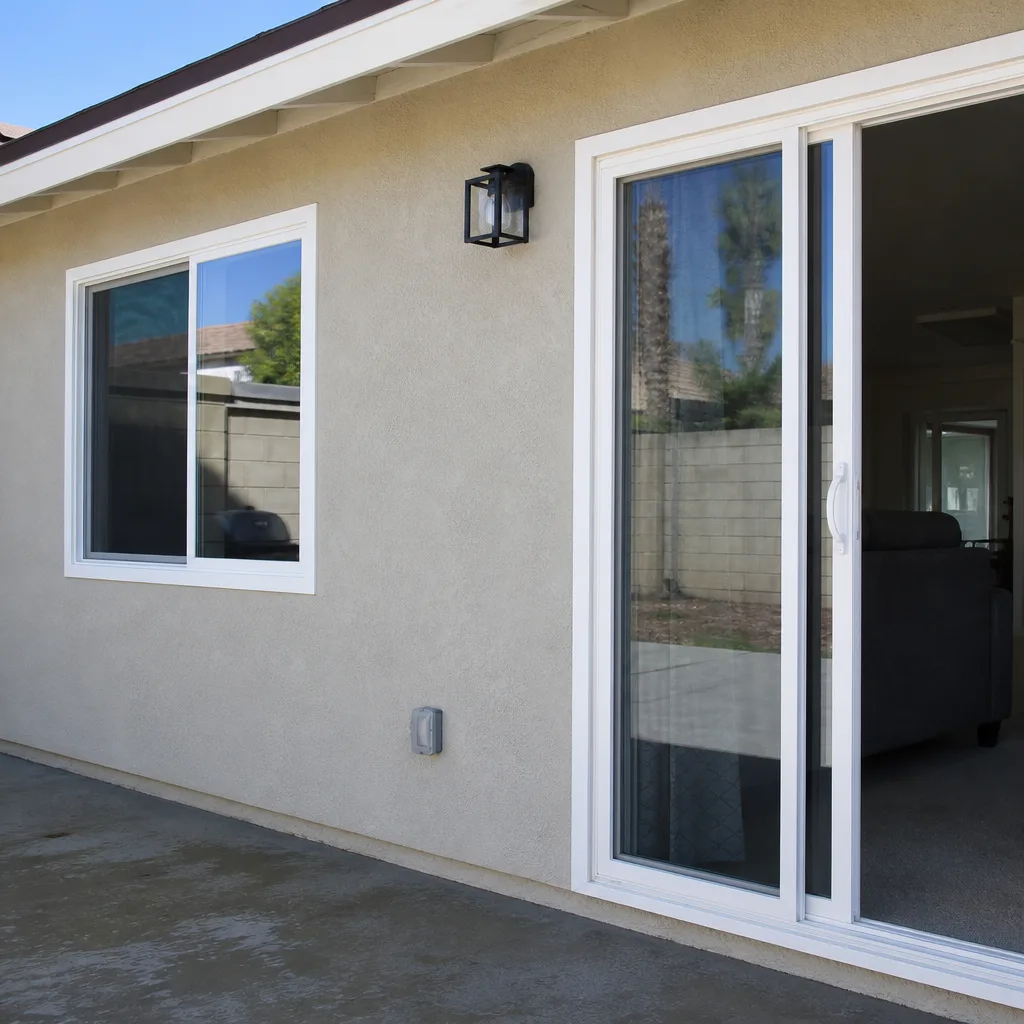 After
Common Water Damage Restoration Problems We See in San Antonio Heights Homes
- Debris-choked roof valleys feeding wall cavities: The same eave lines that collect Santa Ana-driven ember and ash later channel leaf and sediment runoff down the roofline. When the first December storm hits, that water follows path of least resistance straight into wall cavities on the foothill-facing side. Homeowners see a wet patch on drywall and think roof leak, but the source is often a debris dam at the valley line above.
- Split-level crawlspaces that stall structural drying: San Antonio Heights has a real inventory of custom hillside builds with crawlspaces under one wing and slab under another. Air movers in the living space don’t dry the crawlspace joists. Without containment and dehumidification below the floor, moisture re-wets the framing and drying takes days longer than it should.
- Ash and ember residue left unaddressed before a water event: A home that smelled faintly smoky after Santa Ana winds may have fine ash packed into attic insulation and eave soffits. When a later leak or intrusion pulls that residue into the wet zone, you’ve combined contamination with moisture. That’s a category 3 situation that needs antimicrobial treatment, not just airing out.
- Original plumbing in mid-century ranches failing at the worst time: Many San Antonio Heights homes still carry decades-old copper and galvanized supply lines. A January freeze or a Santa Ana heat cycle stresses those joints. The failure point is often inside a wall, which means the first sign of trouble is staining or warped baseboard, not a visible puddle.
Pricing for Water Damage Restoration in San Antonio Heights, CA
What you pay depends on square footage, water category, and how far down the foothill slope your home sits relative to drainage lines. A clean-water kitchen supply-line leak confined to one room typically runs $1,400 to $2,500. A storm intrusion that wets wall cavities and requires Injectidry panel drying lands between $3,000 and $5,500. A flooded basement with finished surfaces and category 2 water commonly falls in the $2,500 to $6,000 range. Homes requiring multi-room extraction plus crawlspace containment and antimicrobial treatment can push toward $8,000. Every job starts with a free on-site assessment and a written scope before any equipment goes in. Call (877) 358-7678 and we’ll walk your specific situation through the numbers.
We Also Serve Cities Near San Antonio Heights
San Bernardino Restoration Co covers the foothill corridor and valley floor around San Antonio Heights. Homeowners in San Antonio Heights often refer neighbors in Upland, Claremont, Rancho Cucamonga, and Montclair after we’ve completed a drying job well. Our Water Damage Restoration crews move across these bordering communities daily, so response distance is rarely an issue.
Serving San Antonio Heights, CA — Our Local Coverage Area
We’re based in the San Antonio Heights area and know this community well. Use the map below to see our service coverage — if you’re nearby, we can almost certainly help.
FAQs About Water Damage Restoration in San Antonio Heights
Water on a hillside lot follows slope. A leak or intrusion in a split-level home above the valley floor will travel downhill through wall cavities and into the crawlspace, even when the visible floor area looks dry. Without containment and dehumidification in that below-floor space, the framing stays wet and drying crawlspaces in 91784 hillside homes becomes a multi-week problem. Call (877) 358-7678 and we’ll map the moisture path, not just the wet spot.
You have about 48 to 72 hours before wet drywall starts converting to a mold substrate, and the San Antonio Heights foothill humidity swings accelerate that timeline. After a December-to-March storm event, wet drywall on a north-facing wall should be extracted, opened, and put under drying airflow within two days. The faster we start, the less we have to cut out.
Yes. If a prior Santa Ana wind event left fine ash or ember residue in attic insulation, eave soffits, or vent cavities, that material becomes a contaminant when a later water intrusion wets it. Drying equipment then circulates contaminants through the affected space. We have to treat the area as a category 3 job: containment, antimicrobial application, and controlled disposal of affected porous materials.
Category 1 is clean water from a supply line or a fresh rain intrusion with no contaminant contact. Category 3 is grossly contaminated water, which in San Antonio Heights typically means storm runoff carrying hillside sediment, or water that has passed through ash residue, soil, or sewage. The drying protocol, equipment setup, and disposal requirements are different, and insurance adjusters expect the classification to be documented in writing.
Every job gets a full documentation file: initial moisture readings, photo documentation of affected areas and equipment placement, daily drying logs, and final clearance readings. We coordinate directly with your adjuster. That documentation is what separates a defensible claim from a disputed one, and it’s standard practice on every San Antonio Heights job we run.
If you’re dealing with standing water, a damp wall that won’t dry, or a basement that flooded overnight in San Antonio Heights, call (877) 358-7678. We’ll walk you through the first steps, schedule an assessment, and get equipment on site before the damage spreads. Estimates are free, and the scope is written before any work starts.
Written by Noel Armenta, Owner at San Bernardino Restoration Co, serving San Antonio Heights and the surrounding foothill communities.