
Last updated October 30, 2026
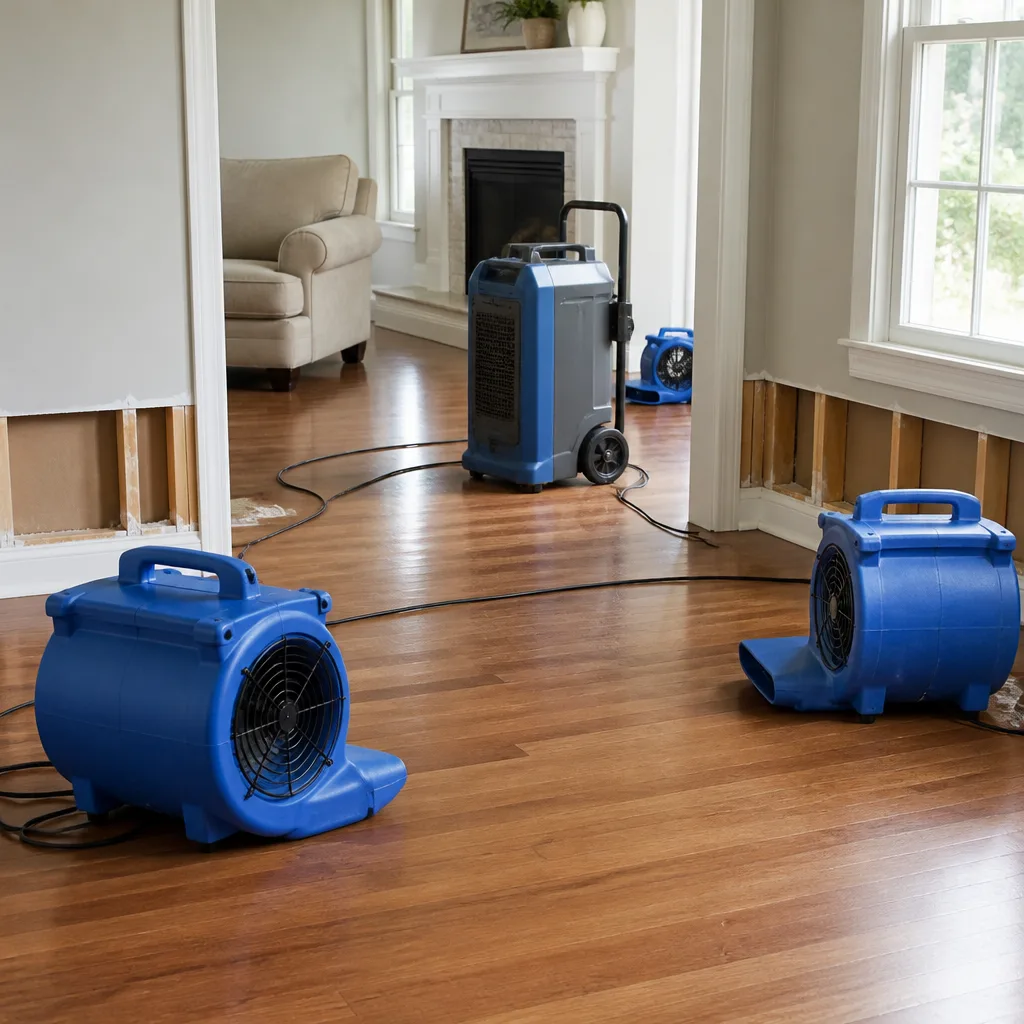 Water damage drying
 Fire & smoke cleanup
 Mold remediation
 Storm response
 Sewage cleanup
 Reconstruction
Free visual inspection and a written scope of work before any mitigation begins - photos, moisture readings, and drying logs go in your claim file
The scope we write is the scope we bill. Anything new gets shown to you, in writing, before we touch it.
Get your free estimateHow to Hire a Damage Restoration Contractor in San Bernardino: A Step-by-Step Guide
There are over 40 companies in the Inland Empire that list “water damage” on their website. Fewer than a third carry an active IICRC firm certification, the credential that determines whether your insurance company will accept the drying documentation as valid. If you’re standing in a flooded living room or staring at a mold bloom in a rental unit in San Bernardino, that statistic matters more than any review site rating. This guide gives you the exact vetting sequence we’d want a family member to run before signing a work authorization, and you can find more guides & resources on our blog. You’ll learn which credentials are mandatory, which are marketing theater, and which questions expose an unqualified operator in under two minutes.
Restoration work we handle
Quick Answer
To hire a damage restoration contractor in San Bernardino, verify three things before anyone touches your property: active CSLB licensing with matching insurance certificates, an IICRC firm certification number you can look up on the IICRC registry, and a written scope of work that itemizes equipment, drying goals, and moisture-logging protocols. Then compare at least two bids on documentation quality, not just price. Contractors who pass this screen rarely produce the horror stories.
Table of Contents
- Step 1: Verify the License Before the Truck Unloads
- Step 2: The IICRC Firm Number Test
- Step 3: The Four Questions That Separate Certified Firms from Generalists
- Step 4: Building a Comparison Matrix That Accounts for Documentation Quality
- Step 5: Red Flags Specific to the San Bernardino Market
- Step 6: What a Legitimate Scope of Work Document Contains
- Step 7: Insurance, Adjusters, and the Paper Trail
- Common Mistakes to Avoid
- When to Call a Professional
- Frequently Asked Questions
- The Bottom Line
Step 1: Verify the License Before the Truck Unloads
Every contractor performing restoration work in California above $500 in total cost (labor plus materials) must hold an active license from the Contractors State License Board. In San Bernardino, the relevant classifications for damage work are usually C-61/D-64 (limited or specialty) or B (general building), depending on the scope. A water extraction crew that only removes standing water might operate under a D-64. A company performing structural drying, demolition, and rebuild needs broader authority.
The check itself takes ninety seconds. Go to the CSLB license look-up page, enter the license number printed on the contractor’s business card or vehicle, and confirm three things:
- The license is active, not expired, suspended, or revoked.
- The business name matches the entity on your work authorization. If the name on the truck differs from the name on the license, ask why before signing anything.
- The workers’ compensation insurance status shows “active” for any company with employees. Restoration work involves heavy equipment, moisture, and demolition. Uninsured labor on your property is a liability you absorb if someone gets hurt.
Ask for a certificate of insurance directly from the contractor’s agency. The certificate should list general liability with limits appropriate to the work (typically $1 million minimum for restoration), plus workers’ comp if they have a crew. Call the agency number on the certificate to verify it hasn’t lapsed. In our experience advising San Bernardino homeowners after monsoon-season events or sudden supply-line bursts—situations covered in our Seasonal Damage Restoration Care for San Bernardino: Year-Round Homeowner’s Guide—the contractors most eager to start immediately are often the ones whose paperwork doesn’t survive a five-minute phone call. Legitimate firms expect the check and have documents ready.
Step 2: The IICRC Firm Number Test
The Institute of Inspection, Cleaning and Restoration Certification (IICRC) sets the restoration industry’s international standard for water, mold, and fire work. The San Bernardino Restoration Co home page details what full-certification means in practice, but the hiring version is short: a firm-level IICRC certification is different from a technician-level certification. A company can have one certified tech and a dozen untrained day laborers. That company is not an IICRC-certified firm.
Ask for the firm’s IICRC registration number, then verify it on the IICRC’s public registry. Firm certification means the company’s written policies, equipment protocols, and documentation practices have been audited against the S500 (water), S520 (mold), and S540 (fire) standards. It means the company’s paperwork is structured to survive an insurance review. Technicians at a firm-certified company also carry individual certifications like WRT (Water Restoration Technician) and ASD (Applied Structural Drying). Ask whether the person who will manage your job holds ASD specifically. WRT covers extraction basics. ASD covers the science of drying a structure without tearing it apart unnecessarily. If no one on site has ASD, you’re paying for demolition labor rather than drying expertise.
San Bernardino’s dry summer heat creates a deceptive drying environment. Surface materials air-dry quickly, which convinces homeowners the problem is solved while wall cavities, subflooring, and sill plates remain wet. A firm that logs psychrometric data, relative humidity readings, and material moisture content over multiple days catches what visual inspection misses. A firm without IICRC protocols doesn’t. That distinction costs thousands in secondary damage.
Step 3: The Four Questions That Separate Certified Firms from Generalists
You can run this sequence in under two minutes on the first phone call or during the initial walk-through. Generalist contractors fail at least two of these, and their answers tell you everything.
Question 1: What psychrometric logging schedule will you follow?
The correct answer includes daily moisture readings, recorded digital data (not handwritten notebook entries), and a drying goal stated in terms of moisture content or grain depression, not “when it feels dry.” A contractor who can’t tell you what a psychrometric reading measures is doing guesswork. Restorers who carry professional-grade equipment like Phoenix dehumidifiers and Dri-Eaz meters run readings at intake, daily, and clearance. If they don’t mention documenting the numbers, move on.
Question 2: What is your IICRC firm number?
A pause followed by “we follow IICRC standards” without a number is a non-answer. Firm certification is registered and verifiable. Someone who “follows the standards” without certification has not been audited, has not submitted documentation for review, and has not passed the testing. Ask for the number.
Question 3: Does the technician who’ll run this job hold ASD certification?
Applied Structural Drying is the certification that matters for water jobs. WRT is entry-level extraction knowledge. ASD means the person understands evaporation rates, vapor pressure, and how to dry building assemblies in place. Without ASD, the default is tear-out, which costs more and puts your walls in a dumpster unnecessarily. Companies using Injectidry wall-cavity drying systems demonstrate ASD-level thinking: drying the inside of the wall without destroying it.
Question 4: Who pulls the permit?
If the job involves any structural modification, electrical work, or significant demolition, a permit may be required by the City of San Bernardino’s building department. A legitimate contractor handles the permit process and names themselves as the responsible party. A contractor who suggests skipping the permit to “save time and money” is transferring legal liability to you. Ask directly.
Step 4: Building a Comparison Matrix That Accounts for Documentation Quality
The lowest bid on a San Bernardino restoration job is structurally likely to produce the highest total cost. Here’s why. Restoration pricing breaks into three buckets: equipment and days of drying, labor, and documentation. A low bidder cuts one of these or all three. Cut equipment and the structure doesn’t dry. Cut labor and the crew rushes. Cut documentation and your insurance claim stalls or gets denied.
Build a simple comparison matrix before you choose. For each bid, evaluate:
- Equipment listed by brand and count: How many air movers (XPOWER, B-Air, or equivalent), how many dehumidifiers (Dri-Eaz, Phoenix), and what moisture measurement tools? A bid that says “dryers and fans” is a red flag. A bid that specifies “4 air movers, 2 LGR dehumidifiers, daily moisture logs” is a professional.
- Drying days projected with rationale: Structural drying typically takes three to five days under controlled conditions. A bid that promises one day is either dishonest or planning to leave the structure wet. A bid that says two weeks without explaining why is padding.
- Documentation deliverables: Will they provide a written scope, daily logs, photo documentation, and a final clearance report? Insurance adjusters expect these. Contractors who skip them create friction between you and your carrier.
- Who writes the estimate: A restoration professional walks the property with a moisture meter and writes line items based on what the readings tell them. A generalist writes “remove wet drywall, dry area” without measuring anything.
Total cost is not day-rate labor times estimated hours. Total cost is the price of the initial work plus the price of fixing whatever the initial work missed. Every restoration professional in San Bernardino has been called to re-do jobs originally handled by low bidders. The second job always costs more than the first job would have if done properly.
Step 5: Red Flags Specific to the San Bernardino Market
San Bernardino sits at a geographic junction that creates particular risks for homeowners hiring restoration contractors. The city experiences sudden monsoon-driven rain events in late summer, flash flooding in foothill neighborhoods, and the constant wear of hard water on supply lines in older housing stock. Each event type attracts a predictable set of operators.
Storm-chaser crews. After a heavy monsoon or flash flood event, outside crews arrive from Las Vegas, Phoenix, or Texas with magnetic truck signs and no CSLB registration. They work door-to-door in affected San Bernardino neighborhoods, offer cash deals, and disappear before the drywall starts to smell. Verify the CSLB license and insurance certificate before any work begins. A local contractor with a San Bernardino business address and verifiable history is accountable in ways an out-of-state crew is not.
The “free inspection” that becomes a “we already started” situation. Some contractors begin demolition before you’ve signed a written scope, then present you with a bill for “work performed” and a demand to continue. Never allow work to begin without a signed, itemized scope. Verbal approval is not approval for anything.
Supply-line rupture repricing. Older San Bernardino neighborhoods, especially those with 1950s and 1960s construction, see frequent slab leaks and supply-line failures. Some contractors quote one price over the phone, then inflate it after assessing “unexpected complexities.” A legitimate contractor quotes after seeing the property, explains what they found, and holds to the written scope unless something genuinely changes.
Mold contractors without mold protocols. San Bernardino’s warm, dry summers followed by occasional humid winter wetting create the exact conditions for mold in poorly ventilated areas. Any contractor offering mold remediation should follow the IICRC S520 standard, use containment, and provide post-remediation clearance testing. A “spray it with bleach” answer is a disqualifier. For background on scope, see our Mold Remediation in San Bernardino page.
Step 6: What a Legitimate Scope of Work Document Contains
A legitimate scope of work is not an estimate. An estimate says “dry the kitchen, $3,200.” A scope of work describes exactly what will be done, with what equipment, for how long, measured how, and documented where. Before you sign any work authorization in San Bernardino, confirm these line items appear:
- A description of affected areas with room names or references and the materials involved (drywall, carpet, hardwood, concrete, etc.).
- Equipment list with quantities: specific dehumidifier and air mover models or equivalents, placed per a stated drying plan.
- Daily monitoring protocol: number of visits, when readings will be taken, what metrics will be recorded, and what drying goal marks project completion.
- Containment and safety procedures: for mold work, containment barriers and negative air pressure; for water work, areas isolated to prevent cross-contamination.
- Demolition scope (if any): exactly what gets removed, what gets preserved, and what replacement work is included or excluded.
- Clearance criteria: what final conditions must be met before the job is considered complete.
- Payment terms and schedule: tied to milestones, not upfront full payment.
- The contractor’s license number and IICRC firm number printed on the document.
A vague estimate with a single line item and a signature blank is designed to expand later. A detailed scope protects you and signals a contractor who intends to do the job they described. When we document a Water Damage Restoration in San Bernardino project, the scope includes the drying goal as a number, not a description. Demand the same from anyone you hire.
Step 7: Insurance, Adjusters, and the Paper Trail
Most restoration work in San Bernardino involves an insurance claim, whether a water loss from a failed supply line, smoke damage from a kitchen fire, or mold after a hidden leak—risks you can mitigate with our Water Damage Restoration Maintenance Checklist for San Bernardino Homeowners. Your contractor’s ability to document the loss determines whether your claim gets paid fully or gets trimmed during review. This is where the difference between a certified firm and a generalist is most visible.
A professional restoration contractor photographs everything before work begins, documents moisture readings at intake and daily during drying, logs equipment placement and runtime, and provides a final report the adjuster can use to close the file. Photo documentation matters. Adjusters rarely visit every site; they rely on the contractor’s file to validate the claim. If your contractor’s documentation is thin, the adjuster assumes the work was thin too.
For fire damage in San Bernardino, the documentation burden is heavier. Soot travels, smoke penetrates, and surfaces that look unaffected may test positive for residue. A Fire Damage Restoration in San Bernardino scope includes cleaning protocols per surface type, testing for smoke residue penetration, and contents handling. The insurer pays what the documentation supports. Weak documentation means you pay out of pocket for what the contractor failed to record.
Ask your contractor directly: “Will you coordinate with my adjuster, and will you provide the file I need to submit?” The right answer is yes to both, with no hedging. The wrong answer involves the word “landlord” or “your responsibility.”
Common Mistakes to Avoid
- Hiring the first company that answers the phone. Speed matters in a water emergency, but the wrong contractor can make the damage worse. Take thirty minutes to verify the license and IICRC number before signing.
- Choosing a contractor based on a door hanger or social media ad. Marketing presence is not competence. A polished website does not substitute for CSLB and IICRC verification.
- Paying the full project amount upfront. Legitimate contractors operate with milestone-based payments. Full upfront payment removes your leverage if work stalls or quality falls short.
- Allowing demolition before a written scope exists. Once walls are opened, the contractor controls the narrative and the price. Written scope first, work second.
- Ignoring the drying documentation. If daily moisture readings aren’t being taken or shared, the contractor is guessing. Demand the data.
- Assuming insurance will cover everything without asking your contractor to document properly. Your contractor’s file is your claim. If the file is thin, the payout is thin.
- Choosing a mold contractor who doesn’t use containment. Without physical barriers and negative air pressure, mold spores spread during remediation. It’s worse than no remediation at all.
When to Call a Professional
Call a restoration professional when water has been standing for more than a few hours, when the affected area exceeds what you can dry with a fan and towels, when mold is visible beyond a small surface patch, when a fire has produced smoke residue that fills more than one room, or when you suspect water has wicked into walls, subflooring, or insulation even though the surface feels dry. The threshold for professional assessment is lower than most people think. If you’re unsure, a moisture reading takes minutes and answers the question definitively. San Bernardino Restoration Co offers free estimates in San Bernardino. Call (877) 358-7678 and we’ll assess the situation before you commit to anything.
Frequently Asked Questions
Check the Contractors State License Board website using the license number printed on the contractor’s business documents. Confirm the license is active, the business name matches, and workers’ compensation insurance is in force if the company has employees. The entire verification takes under five minutes.
IICRC certification means the company’s restoration practices have been audited against the industry’s international standards for water, mold, and fire work, and that their technicians have passed the relevant exams for those disciplines. Insurance adjusters recognize IICRC documentation as valid evidence of proper work, which protects your claim.
What matters is verification, not size. A local San Bernardino contractor with CSLB licensing, IICRC firm certification, and verifiable references is accountable in ways a distant corporate office isn’t. A national franchise with the same credentials is equally legitimate. Verify the credentials, then decide based on who communicates best.
Restoration contractors typically structure payments around milestones: a deposit at project start, progress payments as drying or remediation milestones are met, and final payment at clearance. Full payment upfront is a red flag. Ask for the payment schedule in writing before signing.
Most policies cover sudden and accidental water damage, fire damage, and mold that results from a covered event, but each policy has exclusions and limits. Ask your adjuster to confirm coverage, and hire a contractor who documents work in the format the insurer requires. The documentation is often the difference between a covered claim and a reduced payout.
Same-day assessment is realistic for emergency water extraction and initial moisture mapping. Structural drying and full remediation begin once the scope is written and approved, typically within 24 hours for urgent cases. Call (877) 358-7678 for an assessment of your specific situation. Estimates are free.
The Bottom Line
Hiring a damage restoration contractor in San Bernardino under stress produces bad decisions when you don’t know which credentials matter. The fix is simple: verify the CSLB license and insurance certificate, confirm an active IICRC firm number on the public registry, ask the four qualifying questions about psychrometric logging, ASD certification, and permits, and refuse to sign anything that isn’t a line-item scope of work with documented equipment, drying goals, and clearance criteria. A contractor who passes this screen is someone you can hand the keys to. A contractor who stumbles at any step is telling you what the next three weeks will look like. The work done in the first 48 hours determines whether a water event becomes a mold problem, whether a small fire becomes a whole-house cleaning, and whether your insurance claim pays out fully or gets trimmed during review.
If you need a qualified assessment in San Bernardino, call (877) 358-7678 for a free estimate. We’ll measure, document, and explain what we find before you sign anything.
Written by the team at San Bernardino Restoration Co, serving San Bernardino since 2016.
See the difference
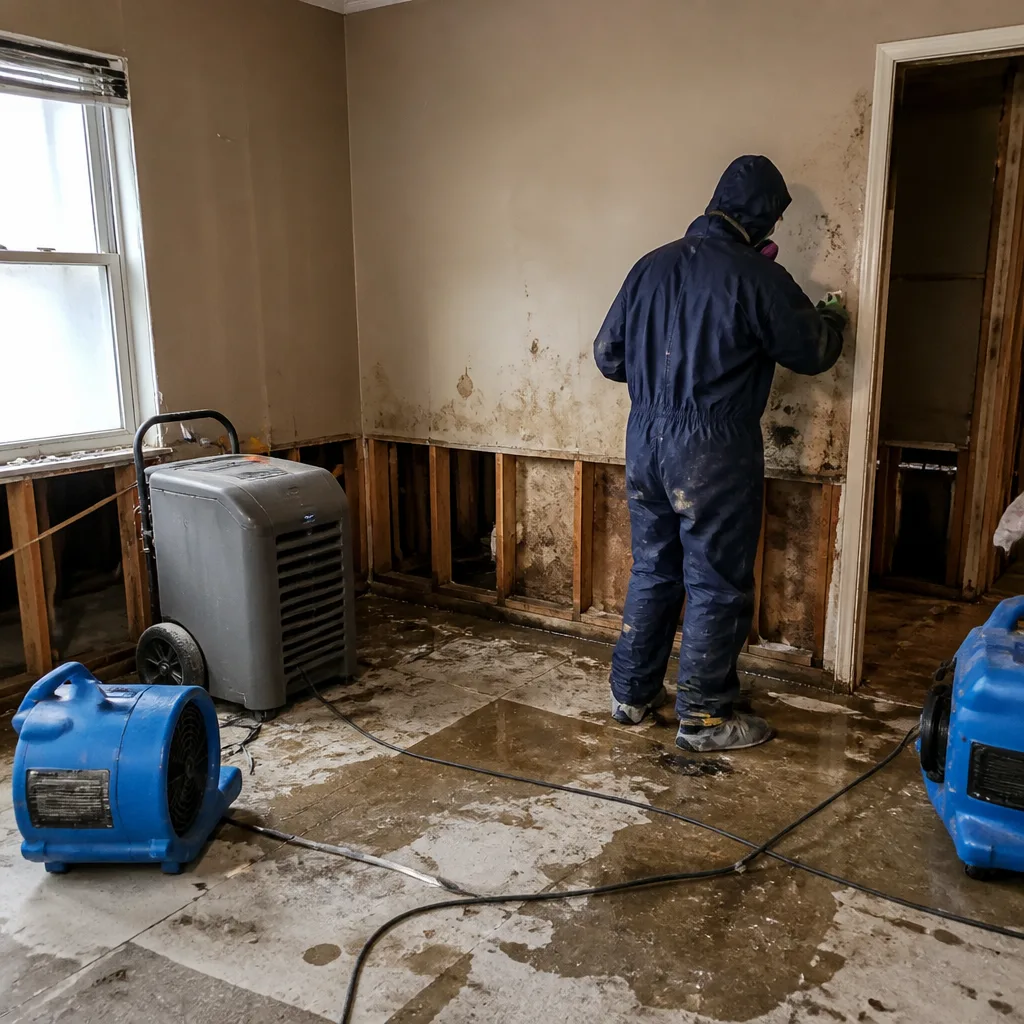 Before
 After
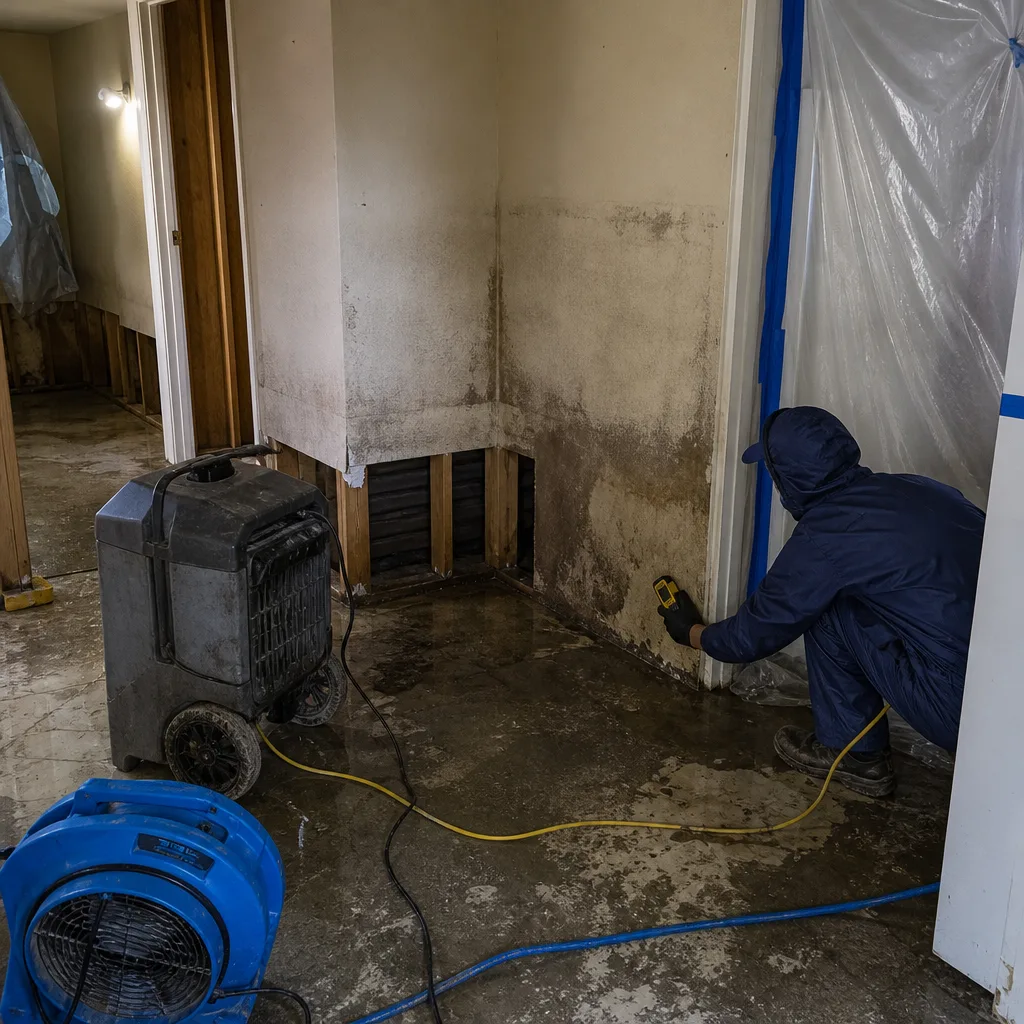 Before
 After
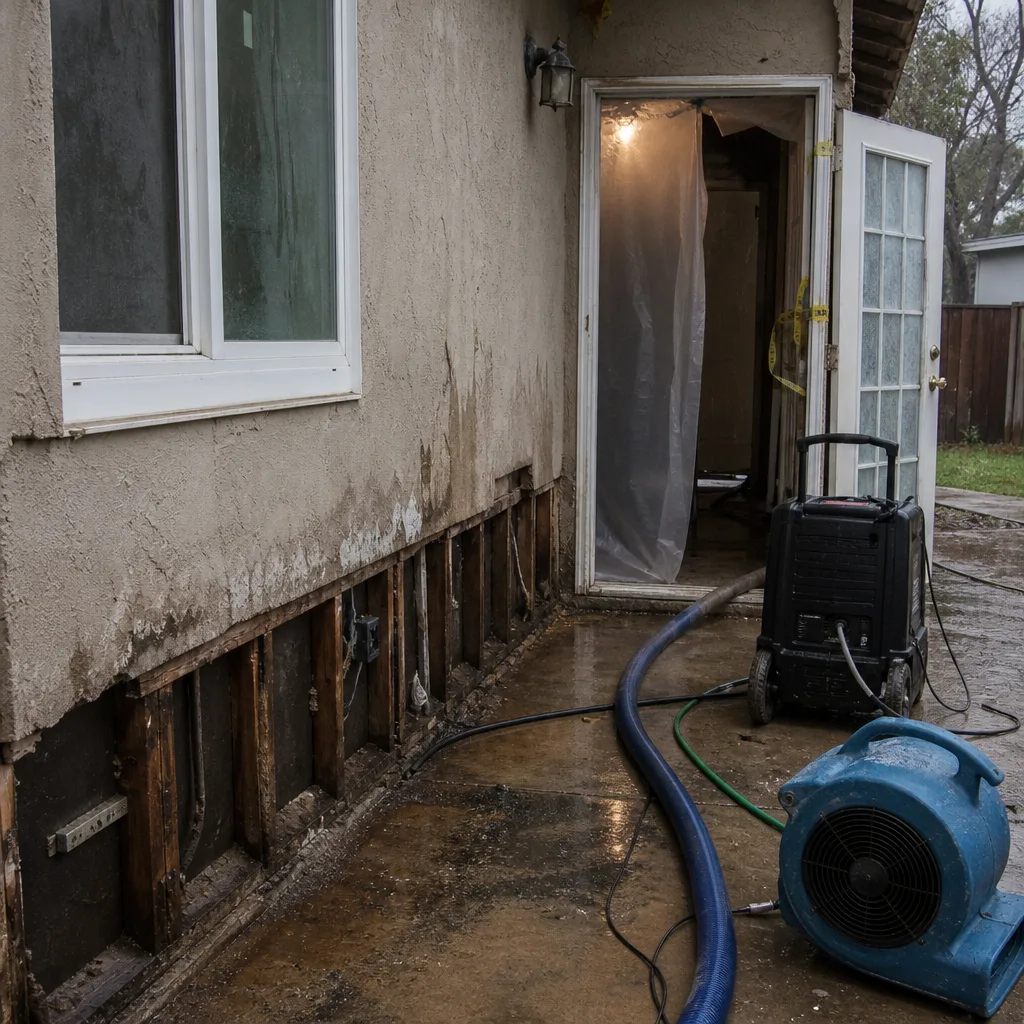 Before
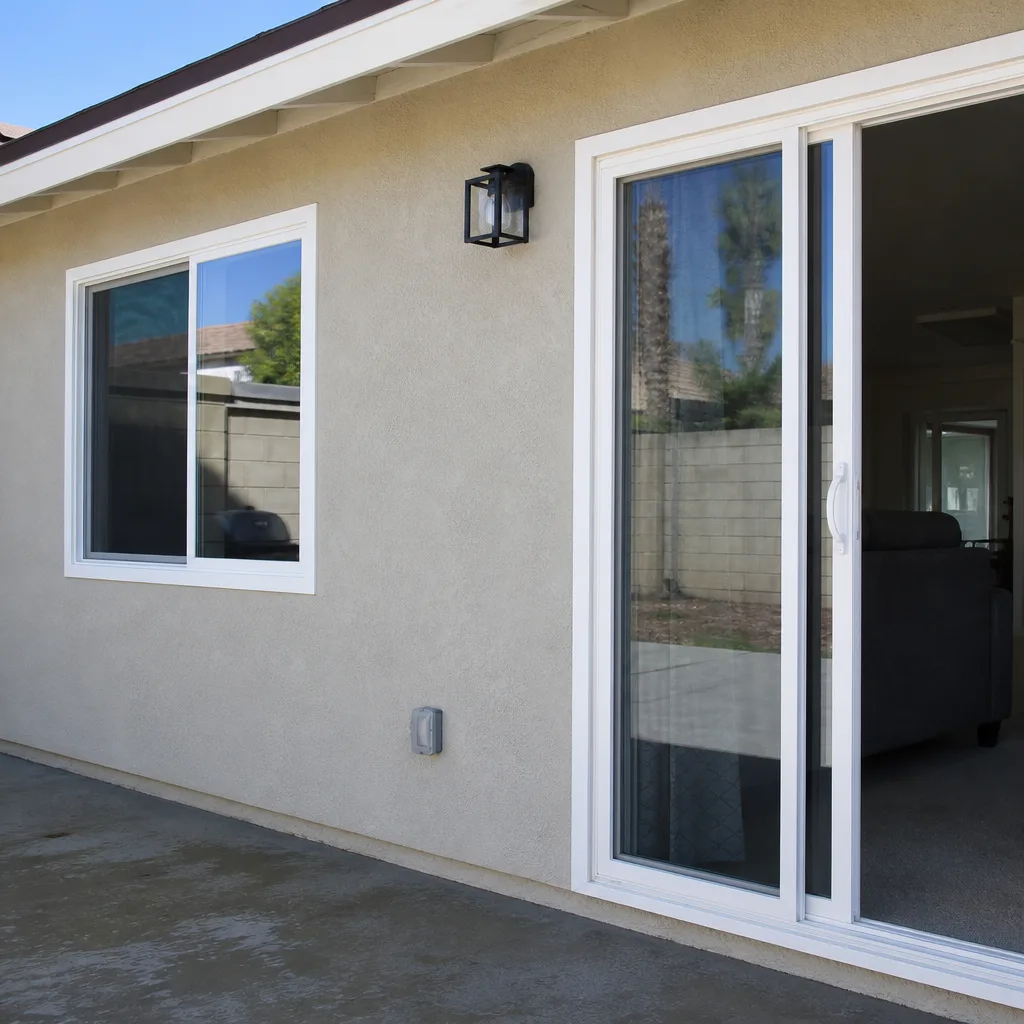 After