
Last updated October 30, 2026
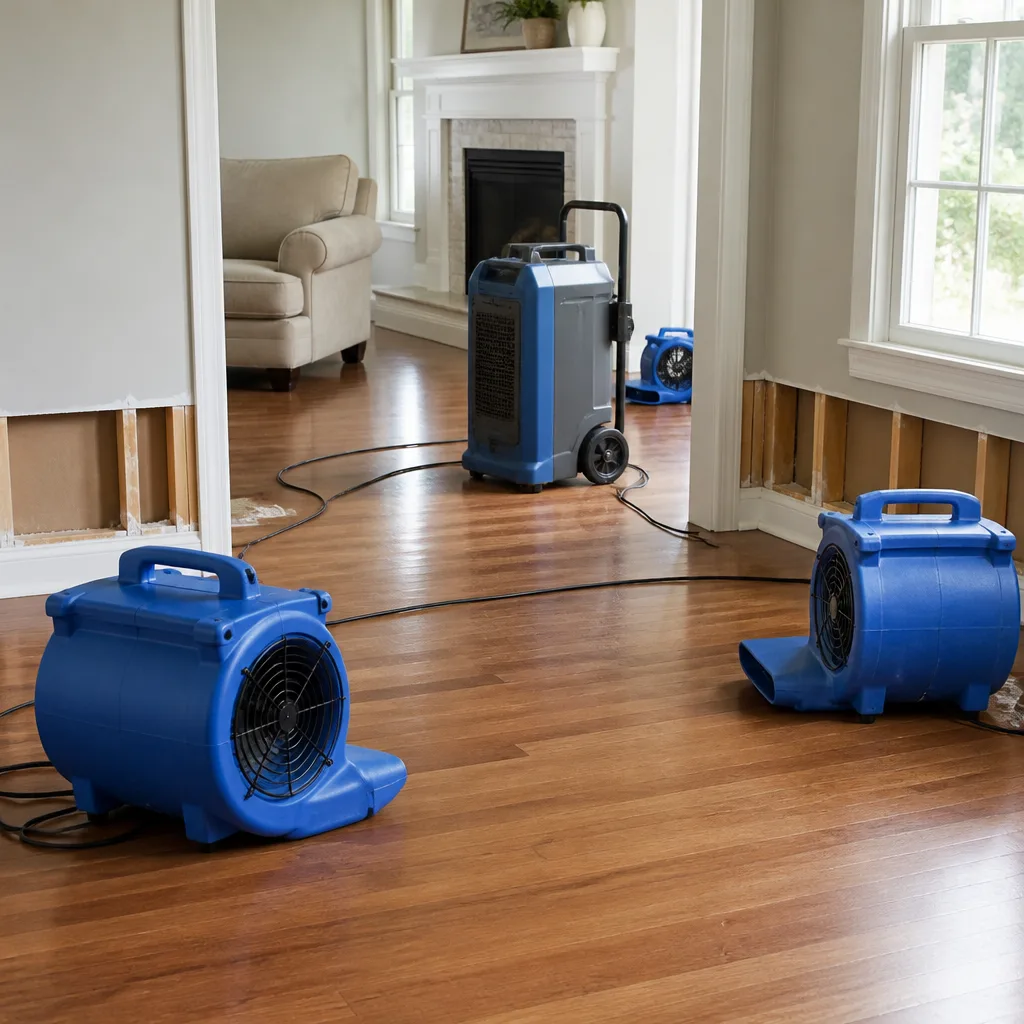 Water damage drying
 Fire & smoke cleanup
 Mold remediation
 Storm response
 Sewage cleanup
 Reconstruction
Free visual inspection and a written scope of work before any mitigation begins - photos, moisture readings, and drying logs go in your claim file
The scope we write is the scope we bill. Anything new gets shown to you, in writing, before we touch it.
Get your free estimateDamage Restoration Cost Breakdown: The San Bernardino Homeowner’s Reference for 2026
Here’s a number that surprises most San Bernardino homeowners: two certified restoration companies can inspect the same water-damaged wall and return estimates that differ by $5,000 or more, and both contractors can be technically correct. One scope assumes the wall cavity will dry in place with professional air movement and LGR dehumidification. The other assumes the substrate is too saturated to save and prices a full tear-out, rebuild, and finish. What separates the two is not honesty, it’s equipment, training, and how aggressively each company interprets moisture readings. This guide exists because the line items on a restoration invoice, things like “structural drying” and “HEPA air scrubbing” and “antimicrobial application,” have no intuitive cost basis for a homeowner. For related reading, see our Damage Restoration Warning Signs: A San Bernardino Homeowner’s Reference Guide. By the end, you’ll understand what each phase actually costs in labor, equipment time, and materials in the 2026 Inland Empire market, and you’ll be able to spot padding before you sign a work authorization.
Quick Answer
Water damage restoration in San Bernardino typically runs $3.50 to $7.50 per square foot of affected area for standard Category 1 or 2 water events, meaning a 500-square-foot living room flood generally lands between $1,750 and $3,750. Mold remediation on a comparable area costs more, usually $15 to $30 per square foot of visible growth with containment, bringing a 100-square-foot bathroom mold job to $1,500 to $3,000. Fire and smoke restoration is the broadest category, with a standard 1,200-square-foot home running anywhere from $8,000 for light smoke to over $40,000 for a working structure fire, before rebuild costs. These are starting points only; the actual invoice depends on water category, drying duration, and whether your insurance company’s adjuster agrees with the scope.
Restoration work we handle
Table of Contents
- Water Extraction: The First Hour and What It Costs
- Structural Drying: The Phase That Separates Professionals From Rentals
- Mold Remediation: Where Containment Is the Real Cost
- Fire and Smoke Restoration: The Most Variable Expense in the Trade
- Category 3 Contamination: Why Sewage Pricing Looks Different
- Insurance Adjuster Pricing vs. Contractor Pricing: The Xactimate Gap
- San Bernardino-Specific Cost Multipliers
- How to Read a Restoration Estimate Line by Line
Water Extraction: The First Hour and What It Costs
The single most mispriced phase in water restoration is the first one. Extraction, the physical removal of standing water, is frequently bundled into a flat “Emergency Response” line item on invoices, and that bundling hides what you’re actually paying for. In the San Bernardino market in 2026, professional extraction typically runs $0.75 to $1.50 per square foot of affected area. A 400-square-foot den with a burst supply line means $300 to $600 for extraction alone, and that’s legitimate. You’re paying for a technician’s time, a truck-mounted or professional portable extraction unit, and the judgment to know when the water is gone versus when it’s just moved around.
What you should never see on a legitimate extraction line item is a charge for equipment a consumer could have rented from a big-box store. Professional restoration companies in our market use pro-tier extraction units, think truck-mounted systems or professional portable units running 10+ inHg vacuum, not a 5-gallon shop vac. The difference matters because extraction determines everything downstream. Leave 8 gallons of water in carpet pad and you’ve just extended structural drying by three days and added $400 in dehumidifier run-time.
What does this phase look like in practice? A technician arrives, maps the water path, moves furniture onto blocks and foam, extracts all standing water from the floor, and if carpet is involved, lifts it and extracts the pad. In San Bernardino homes where slab foundations are standard in the flatlands but raised foundations appear in the older north-end neighborhoods near the base of the foothills, the extraction plan changes. Slab properties with carpet can often be extracted and dried in place. Raised foundations with wood subfloors sometimes require underfloor access and additional extraction from the crawlspace, a cost multiplier most homeowners never see coming.
On the Water Damage Restoration in San Bernardino page, we break down the full scope of extraction and what our IICRC-certified technicians document at each step. For this guide, know that extraction should never be the most expensive line on a Category 1 or 2 water invoice. If it is, something in the scope is inflated.
Structural Drying: The Phase That Separates Professionals From Rentals
Structural drying is where $4,200 and $9,800 estimates for the same San Bernardino room diverge. The line item itself, usually called “Structural Drying” or “Drying and Dehumidification,” is priced two ways: as a flat day-rate for the equipment package or as a per-square-foot charge for the affected area. In the Inland Empire’s 2026 labor market, we see legitimate structural drying scopes running $2.50 to $5.00 per square foot when done correctly, meaning that same 400-square-foot den costs $1,000 to $2,000 to dry properly. That number includes LGR (low-grain refrigerant) dehumidifiers, professional air movers, daily moisture readings, and the technician’s time to monitor and document the drying curve.
Here’s what a legitimate structural drying line item should include, and what each component actually costs:
- LGR dehumidifier day-rate: $75 to $125 per unit per day. LGR units pull moisture down to the low 30s in grains per pound, far below what consumer dehumidifiers can achieve, and that matters for San Bernardino’s summer climate where ambient humidity is low but trapped moisture in wall cavities is not.
- Air mover day-rate: $25 to $40 per unit per day. A 400-square-foot room typically requires 6 to 10 air movers positioned to create laminar airflow across the wet surface. Fewer than that and the drying curve stalls.
- Moisture monitoring: $100 to $250 for the full monitoring period. This covers daily or every-other-day visits with a thermal imaging camera and a penetrating or non-penetrating moisture meter. Readings are logged, graphed, and used to determine when equipment can be pulled.
- Injectidry wall-cavity drying: $300 to $800 per wall cavity system deployment. This technology allows drying inside wall cavities without cutting drywall, a critically valuable line item on San Bernardino’s older stucco-over-wood-lath homes where tear-out is dramatically more expensive to rebuild.
The equipment brands matter more than most homeowners realize. When we show up to a San Bernardino water loss, the machines on the truck are Dri-Eaz and Phoenix LGR dehumidifiers, XPOWER and B-Air air movers, and Injectidry cavity drying systems. These are the same machines used on commercial water losses, not consumer-grade rentals with inflated CFM claims. A single commercial LGR dehumidifier from these manufacturers costs $2,000 to $4,500 new, which is why the day-rates are what they are. Companies running sub-$100 consumer dehumidifiers from a hardware store cannot achieve the drying targets required by IICRC standards.
The psychological stat that matters here: according to industry drying logs, homes dried with professional equipment and daily monitoring typically reach drying goals in 3 to 5 days. Homes attempted with consumer equipment typically take 7 to 14 days, and the extended time creates secondary damage that makes the final bill higher than if a professional had been called first. We’ve documented this pattern repeatedly in San Bernardino, where older homes hold moisture differently than the newer tract construction in the Verdemont area.
Mold Remediation: Where Containment Is the Real Cost
When San Bernardino homeowners see a mold remediation quote, the first reaction is usually shock at the containment line items. The actual mold removal, the physical scrubbing and HEPA vacuuming of affected surfaces, is a small part of the total. What costs money is building a negative-pressure containment, running HEPA air scrubbers for the project duration, and disposing of contaminated materials under controlled conditions. Here’s the breakdown for the 2026 market:
- Containment and engineering controls: $500 to $1,500 for a typical single-room containment. This is the 6-mil poly sheeting, the negative air machine setup, the zip poles and tape, and the labor to build and later dismantle the enclosure. It’s not padding; it’s the only thing preventing airborne mold spores from spreading to your kitchen during remediation.
- HEPA air scrubbing: $100 to $200 per day per air scrubber. A standard bedroom mold job runs 2 to 3 days and needs one scrubber. A larger living area with visible mold on multiple walls may need two scrubbers and a longer run.
- Source removal: $3 to $7 per square foot of affected surface. This covers the actual work of removing mold from framing, sanding or media blasting affected wood, HEPA vacuuming surfaces, and detailed cleaning. It is labor-intensive and slow.
- HEPA vacuuming of the full containment area: $200 to $500. Every surface inside the containment, including the containment itself, gets vacuumed with a HEPA-filtered vacuum before the enclosure comes down.
- Clearance testing: $300 to $600. An independent indoor environmental professional takes air samples after remediation and confirms spore counts have returned to acceptable levels. A remediation company should never be the one performing its own clearance testing; this is a third-party expense and a sign of a legitimate scope.
We’ve written about the process in detail on our Mold Remediation in San Bernardino page. For this guide, understand that $15 to $30 per square foot for visible mold growth is a defensible range in the Inland Empire. Quotes below $10 per square foot for a significant mold job almost always skip containment or clearance testing, which means you’re paying for a surface wipe-down, not remediation.
San Bernardino’s climate deserves a specific mention. The city’s hot, dry summers and cooler, damper winters create a mold condition we see regularly in homes with poor ventilation in bathrooms and laundry rooms, especially the 1950s and 1960s construction where exhaust fans are undersized or vent into attics. The remediation cost for a non-vented bathroom mold job is frequently higher than the cost of adding a proper exhaust fan, which should tell you where the long-term fix lives.
Fire and Smoke Restoration: The Most Variable Expense in the Trade
If water and mold costs are predictable ranges, fire and smoke restoration costs are a multiverse. A kitchen grease fire that never activates sprinklers but sends smoke through a 1,200-square-foot home often lands between $8,000 and $15,000 in San Bernardino in 2026. A working structure fire that involves a room or two of direct flame damage can pass $30,000 before any rebuilding starts. The reason is that smoke is a gas, and gases are distributed by building physics in ways water is not. Smoke particles, the submicron soot that smells and stains, travel through every gap, chase, and duct in the structure. Cleaning them out means cleaning spaces that never saw flame.
Here are the cost drivers most San Bernardino homeowners don’t anticipate:
- Structural cleaning of the attic and wall cavities, not just the visible rooms. Smoke rises. The attic insulation in a fire-damaged home is often contaminated with odor-carrying soot and needs replacement. This single line item can add $2,000 to $6,000 depending on attic size and insulation type, and it’s almost never in the first-pass estimate a homeowner receives.
- HVAC duct cleaning and filter replacement as a complete system, not a spot treatment. Soot inside ductwork requires professional duct cleaning using agitation and HEPA vacuuming, typically $500 to $1,500 for an average San Bernardino home.
- Ozone or hydroxyl odor treatment, priced per cubic foot. We see $0.10 to $0.30 per cubic foot for professional hydroxyl generator treatment in this market. A 1,200-square-foot home with 8-foot ceilings is 9,600 cubic feet, so expect $960 to $2,880 for odor treatment alone, and this is the number that makes homeowners flinch.
- Content cleaning and pack-out. Cleaning every item in a smoke-damaged kitchen, every dish, every pan, every utensil, runs $2,000 to $8,000 depending on volume. This is the most underestimated line item in fire restoration.
Our Fire Damage Restoration in San Bernardino service page covers the full scope. The key point for this guide: ask to see the odor-treatment cubic footage on any fire estimate. Companies that skip this line are not saving you money, they are delivering a house that smells like smoke every time the furnace runs for the next two years.
Category 3 Contamination: Why Sewage Pricing Looks Different
When water is classified as Category 3, meaning sewage, floodwater from outside, or water that has been sitting long enough to grow bacteria, the entire pricing structure shifts. What was $3.50 to $7.50 per square foot for Category 1 becomes $7 to $15 per square foot. The reason is that Category 3 water cannot be dried in place. Affected carpet, pad, drywall, and insulation are removed as contaminated waste, and the remaining structure is cleaned, treated with an antimicrobial registered for the specific contamination, and dried under controlled conditions. The demolition labor, additional PPE, biohazard disposal fees, and antimicrobial materials all add up.
In San Bernardino, Category 3 events are most common in two specific scenarios. First, backed-up sewer lines in older homes with cast-iron drain pipes, a real concern in neighborhoods with pre-1970 construction where original drain lines are reaching end of life. Second, stormwater intrusion during the winter atmospheric river events that push water through poorly graded foundations in the lower-lying areas. Both situations require more than extraction and drying; they require the systematic removal of contaminated materials and a documented IICRC-standard sanitization process.
A legitimate Category 3 scope includes line items like “Contaminated Material Removal,” “Antimicrobial Application,” “Flooring and Drywall Demolition to 2-Foot Flood Line,” and “Biohazard Waste Disposal.” The disposal line is often $200 to $600, and it’s real; contaminated construction materials cannot go to a standard landfill without the hauler charging a premium. What should concern you is a Category 3 quote that doesn’t include demolition of porous materials. If the water contained sewage and the estimate plans to dry the carpet in place, the company is not following the IICRC standards that govern our industry.
Insurance Adjuster Pricing vs. Contractor Pricing: The Xactimate Gap
Most San Bernardino homeowners filing a water, mold, or fire claim will eventually encounter a term they’ve never heard before: Xactimate. This is the software insurance adjusters use to calculate what a restoration should cost based on regional pricing data. It is also the source of most of the friction between what an insurance company approves and what a restoration company charges.
The gap exists because Xactimate pricing is a regional average, not a San Bernardino-specific quote. The software knows what a water extraction technician costs to employ in the Inland Empire on average, what a roll of 6-mil poly costs at the average building supplier, and what an LGR dehumidifier day-rate should be for the region. What it doesn’t know is that your specific home, say a 1958 stucco-over-wood-lath construction in the foothill neighborhoods, requires more drying time than the typical modern drywall assembly the software assumes. It doesn’t know that your crawlspace is tight and difficult to access. It doesn’t know that your job started on a holiday weekend when emergency rates apply.
The practical outcome is a gap of 10% to 20% between Xactimate-approved amounts and contractor estimates on a significant portion of claims. That doesn’t mean you’re being overcharged; it means the software’s assumptions don’t match your structure’s reality. The fix, which our IICRC-certified technicians execute on every insurance job, is documentation. Daily moisture readings. Thermal imaging scans. Photo documentation of every affected area before, during, and after. Written drying logs with psychrometric data. This is the documentation that allows a contractor to justify a scope above Xactimate’s baseline to an adjuster through the supplemental claims process. The alternative, we see it in San Bernardino routinely, is a homeowner paying $800 out of pocket for drying that should have been covered because no one bothered to document the elevated moisture readings in the wall cavities.
San Bernardino-Specific Cost Multipliers
San Bernardino’s housing stock is not uniform, and restoration costs track the differences closely. The city spans more than 60 square miles and includes construction from nearly every decade of the last century. Each type prices differently when water, mold, or fire is involved.
Older stucco-over-wood-lath homes, which are common in the neighborhoods below the foothills and throughout the older central city, are more expensive to dry correctly than modern drywall assemblies. The lath and plaster substrate is dense and holds moisture like a sponge. It takes longer to reach drying goals, requires more equipment days, and is far more expensive to tear out and rebuild if drying in place fails. We regularly see drying costs on these structures running 20% to 40% higher than on a 1990s drywall home with the same visible footprint. This is not price inflation; it’s physics.
Homes in the newer developments on the city’s north and east edges, think Verdemont, North Park, and the area around Cal State San Bernardino, are typically modern drywall construction and dry faster. The trade-off is that newer homes often have more complex HVAC systems and more finished square footage, so the duct cleaning and content cleaning costs on a smoke event can be higher than in an older, smaller home.
One more San Bernardino note that affects fire restoration specifically: the city’s wildfire exposure. Homes in the WUI, or Wildland-Urban Interface, zones on the north edge of the city are increasingly subject to smoke damage files even when the structure itself never sees flame. Wildfire smoke particles are finer and more difficult to remove than residential fire smoke, and the restoration costs reflect that. If you’re in a north San Bernardino neighborhood and you’re filing a smoke claim after a regional fire event, expect the odor treatment and duct cleaning phases to be priced higher than a standard residential kitchen fire. Our Damage Restoration Emergency Preparedness Guide for San Bernardino Homes covers wildfire-specific preparation.
How to Read a Restoration Estimate Line by Line
By now you understand that restoration pricing is not a black box, it’s a series of defensible line items that should map to specific work. Here’s how to evaluate an estimate intelligently rather than comparing bottom-line numbers. Pull up your estimate and check for these seven things:
- Does the estimate specify the water category? If it doesn’t mention Category 1, 2, or 3 in the scope description, the company hasn’t done a proper assessment. The category determines everything about the pricing and the approach, and its absence means the scope is a guess.
- Does structural drying include a number of equipment days and a defined drying goal? The estimate should say something like “LGR dehumidifiers x2 for 4 days, air movers x8 for 4 days, daily moisture monitoring until substrate reaches 12% MC or less.” Vague language like “dry as needed” signals a company that plans to set equipment and leave.
- Is the drying equipment named or at least described as commercial or professional? A line that just says “dehumidifier rental” could mean an LGR commercial unit or a consumer unit from a rental counter. The difference in drying performance is enormous. Look for brands like Dri-Eaz, Phoenix, or at minimum the phrase “commercial LGR.”
- Does mold remediation include containment and third-party clearance testing? If not, it’s not remediation. It’s cleaning. The estimate should show a containment line item and a clearance testing line item handled by an independent firm.
- Does fire restoration include the attic, the HVAC ducts, and the odors? A fire estimate that only addresses visible rooms is incomplete. Smoke is a gas that traveled everywhere. Look for the attic insulation line, the duct cleaning line, and a defined odor treatment with cubic footage.
- Are demolition and rebuild clearly separated? On Category 3 jobs and fire jobs, the demo phase and the rebuild phase should be separate sections of the estimate. Blurring them together makes it impossible to evaluate whether the destruction has been over-scoped.
- Does the estimate mention documentation, moisture readings, photos, drying logs? This is the most important line-item check on the list. The single biggest difference between a legitimate restoration estimate and a padded one is whether the company has committed to documenting the work. Documentation is what protects you with your insurer, and it’s evidence that the company’s approach is scientific rather than guesswork.
We’ve reviewed hundreds of competitor estimates for San Bernardino homeowners, and the patterns are consistent. The estimates that come in low almost always skip containment on mold jobs or skip documentation on water jobs. The estimates that come in high almost always include demolition that isn’t warranted by moisture readings. The estimate that’s just right specifies the water category, names the equipment, defines the drying goal, and commits to documentation. If you’re not sure which one you’re holding, call us for a second opinion on the scope. We’re happy to explain what each line item means.
Common Mistakes to Avoid
- Comparing bottom-line numbers instead of line items. Two estimates can differ by thousands while both being honest scopes, one drying in place and one rebuilding. The only way to know which is right for your home is to understand the line items, not the total.
- Choosing the cheapest quote without checking for containment on a mold job. A mold estimate without containment and clearance testing is not a cheaper version of the same service, it’s a different service entirely, and it usually results in a re-contamination claim within 18 months.
- Waiting to call because the water stopped spreading. The damage conversation doesn’t stop when the water stops flowing. Every hour of standing moisture in a San Bernardino home increases the drying time and the final invoice, and Category 1 water degrades to Category 2 or 3 the longer it sits.
- Attempting structural drying with consumer equipment to save money. We see homeowners run hardware-store dehumidifiers and box fans on a water loss for a week, then call us when the odor starts. By then, the drying job that would have cost $1,500 has become a mold remediation costing $4,000.
- Accepting a scope that skips documentation on an insurance claim. If the restoration company isn’t logging daily moisture readings and taking photos, your adjuster has no reason to approve a supplement, and you’ll end up paying the gap out of pocket.
- Ignoring the water category listed on the estimate. A company that treats sewage water like clean water, without demolition of porous materials, is not following the protocol that our IICRC certification requires. That’s not a pricing issue, it’s a health and safety issue.
- Signing a work authorization before understanding the drying goal. Your estimate should state a specific moisture content target and an estimated equipment run-time. Without both, you can’t hold the company accountable for the outcome, only for their time on site.
See the difference
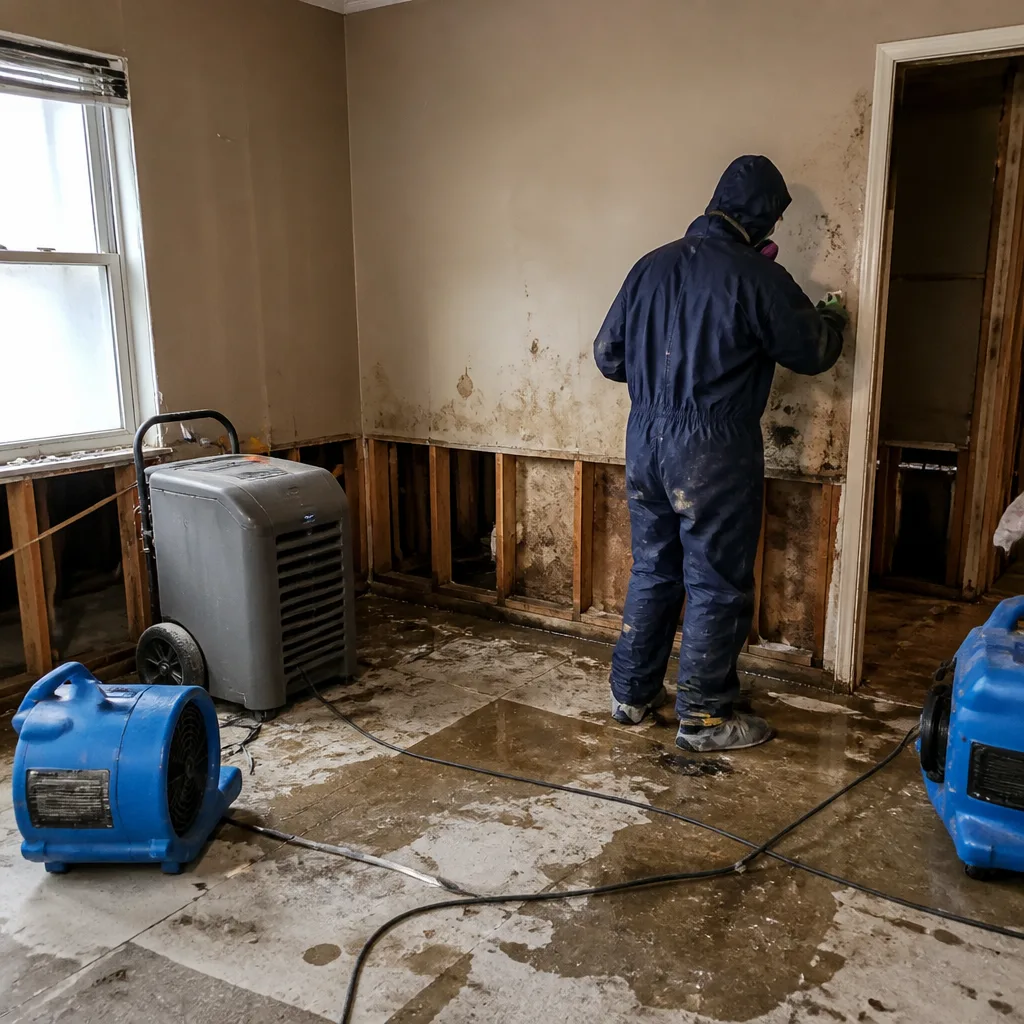 Before
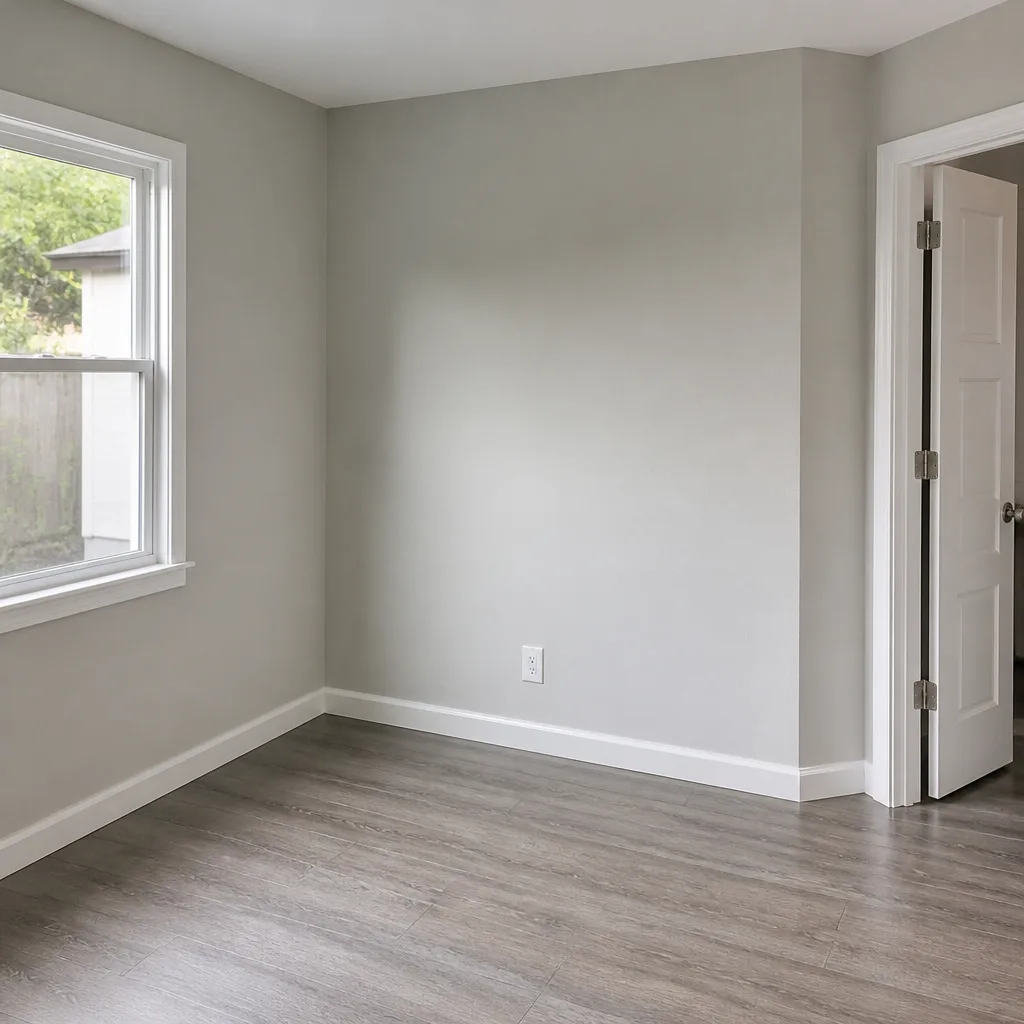 After
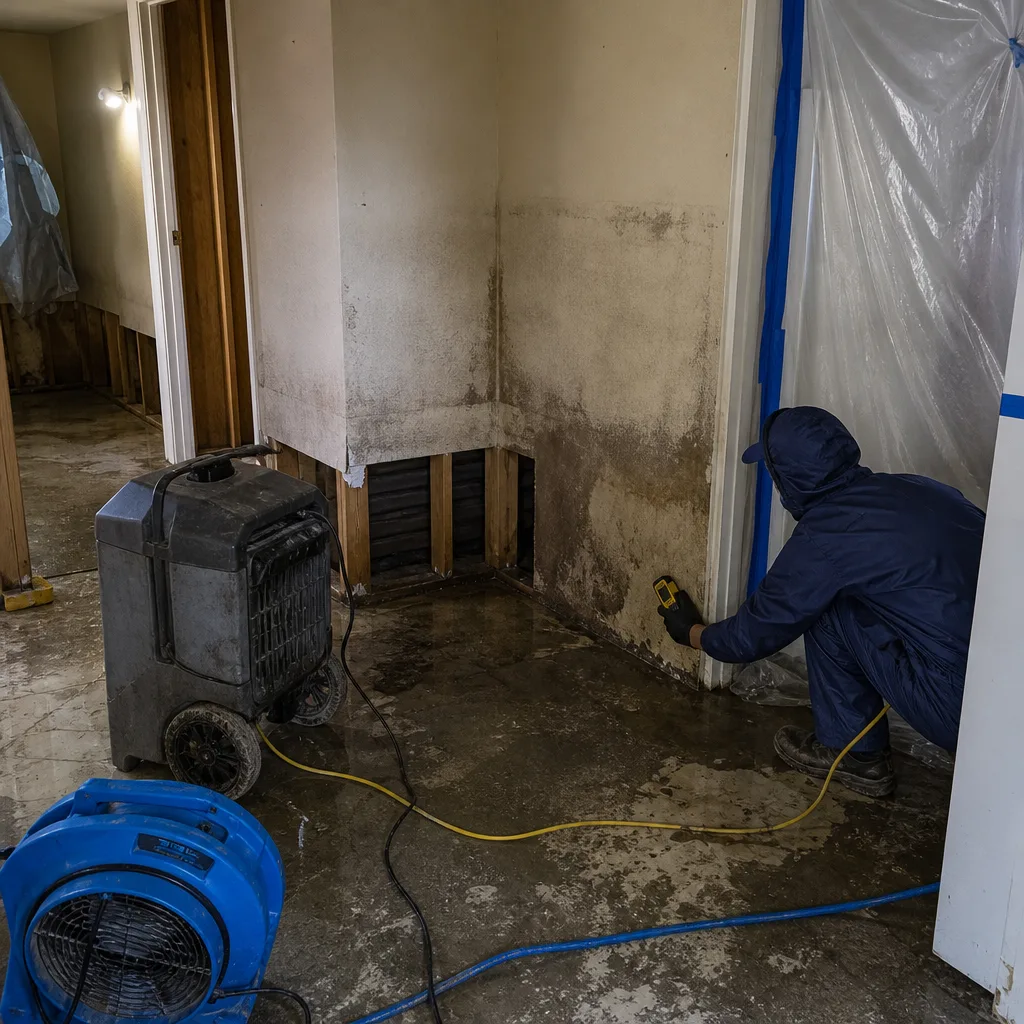 Before
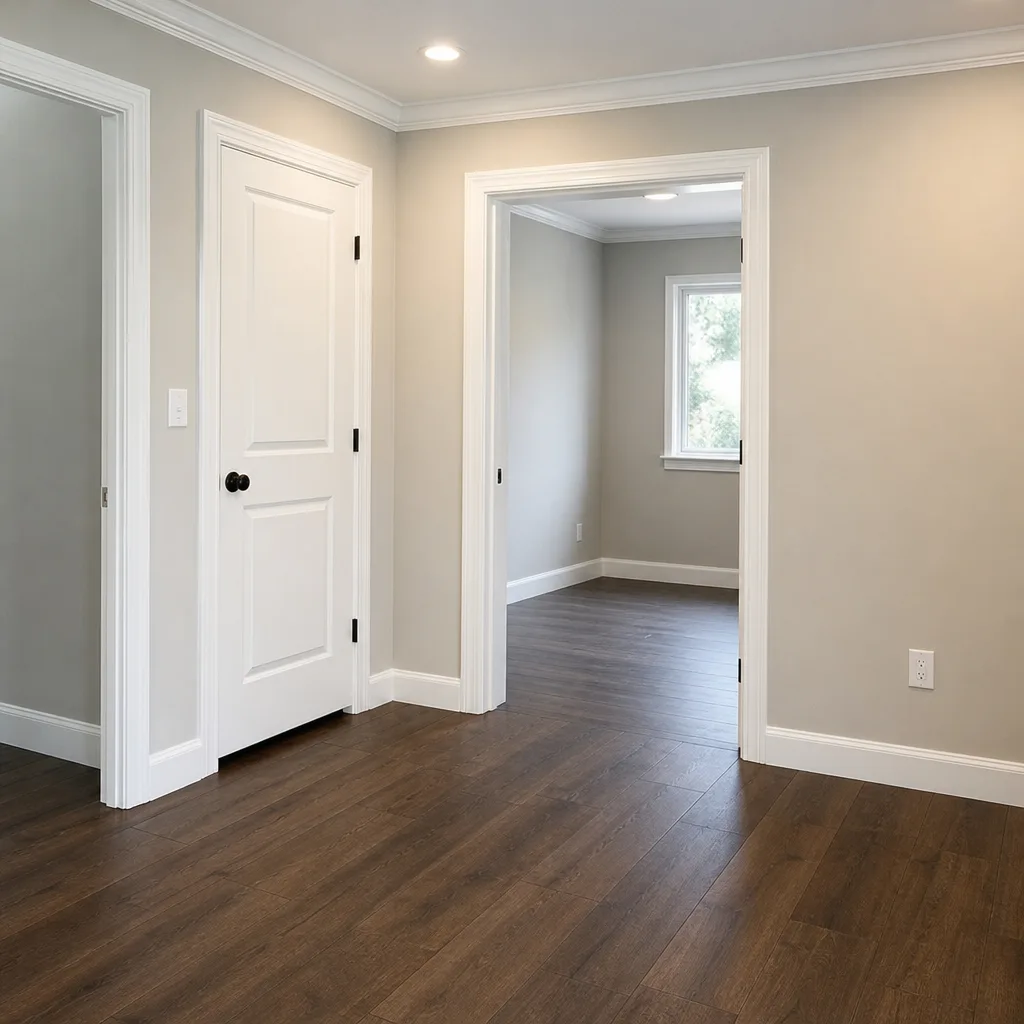 After
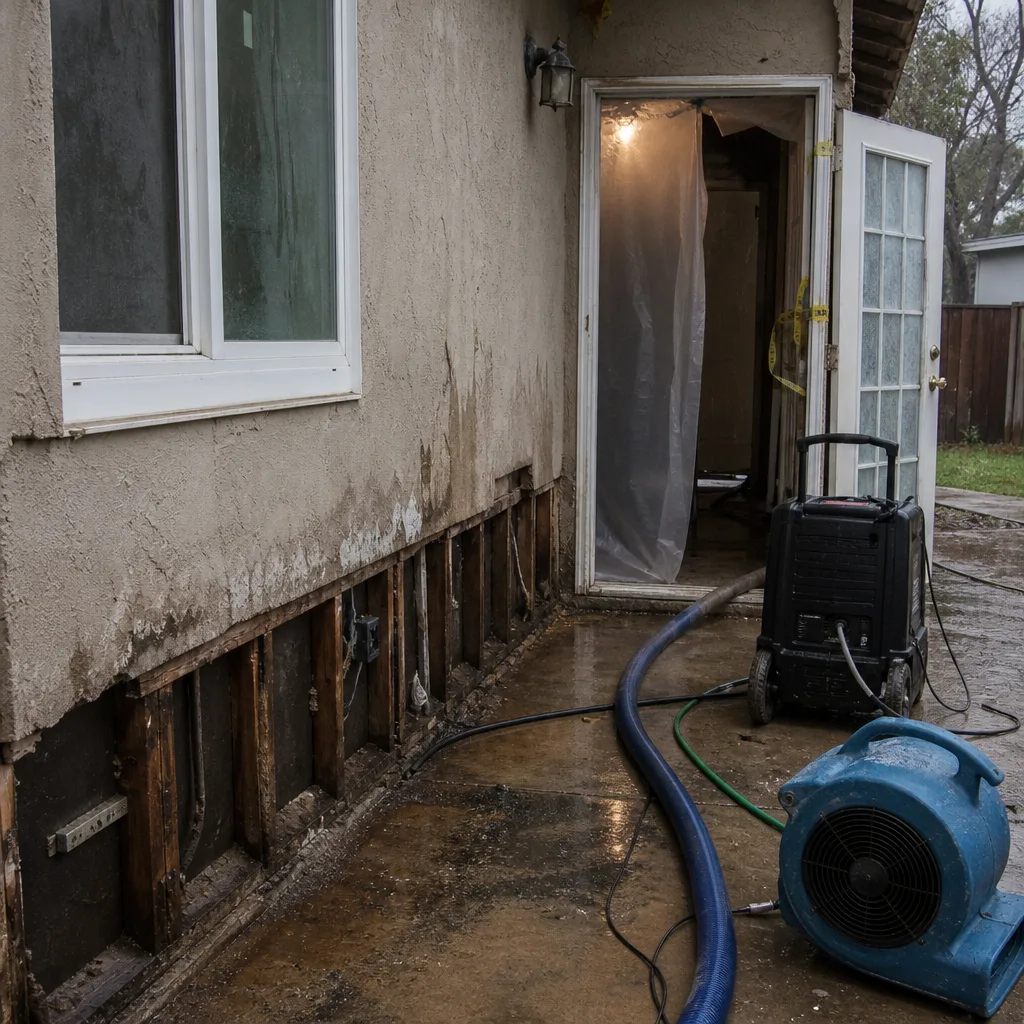 Before
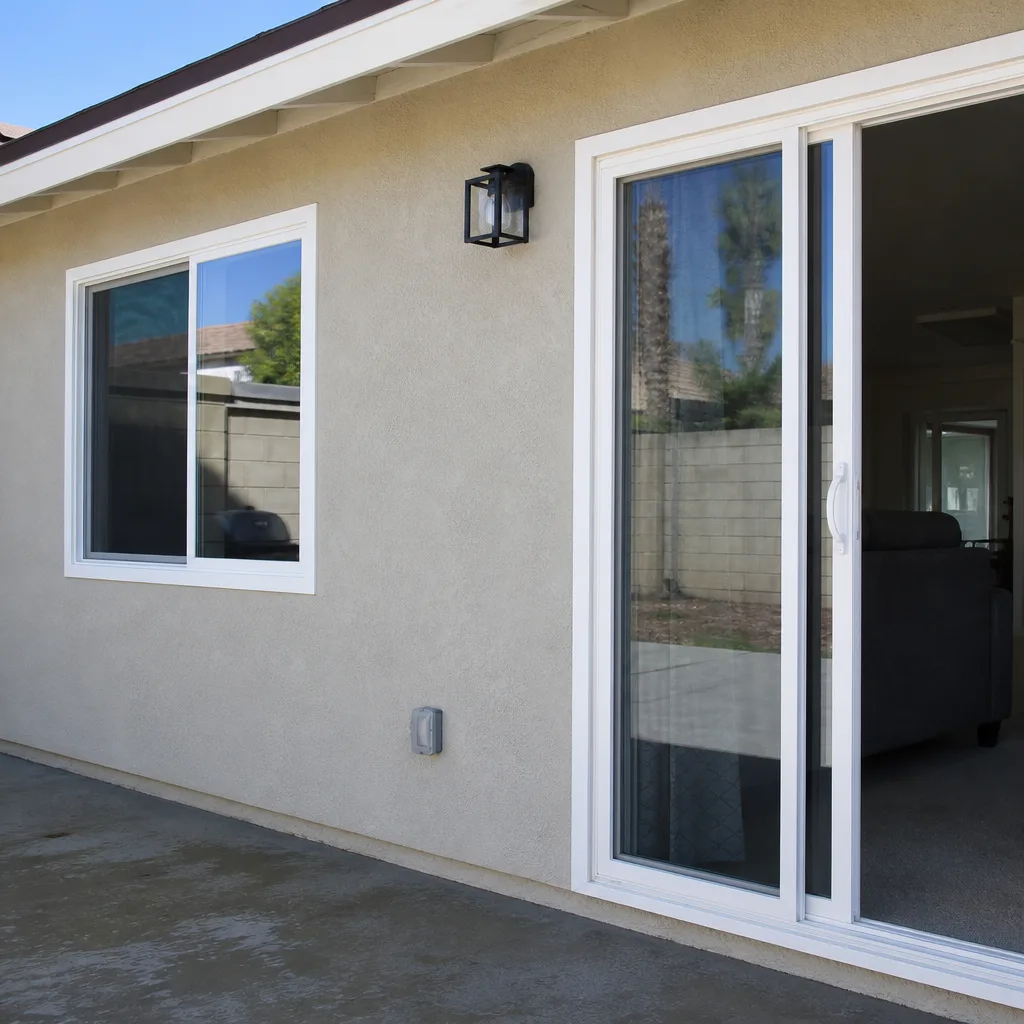 After
When to Call a Professional
Some situations justify a professional assessment immediately, not after you’ve tried a few things yourself. Water that has been standing for more than 24 hours has likely absorbed into drywall and flooring and needs professional extraction and drying, regardless of how clean it looks. Water from an unknown source, especially if it could contain sewage or contaminated floodwater, requires professional handling for health reasons alone. Visible mold growth larger than about 10 square feet generally means the contamination has spread beyond what surface cleaning can address, and professional containment is the only way to keep spores from spreading during removal. Fire and smoke damage, even from a small kitchen fire, almost always requires professional structural, content, and odor treatment because smoke particles are too fine for consumer equipment to remove. If you’re unsure whether your situation warrants a professional, most companies, including San Bernardino Restoration Co, offer a free assessment. The call costs you nothing and the information is worth it. Reach us at (877) 358-7678.
Frequently Asked Questions
In San Bernardino, standard Category 1 and 2 water damage restoration typically runs $3.50 to $7.50 per square foot of affected area, so a 500-square-foot room generally costs $1,750 to $3,750. Category 3 water involving sewage or floodwater runs higher, $7 to $15 per square foot, because it requires contaminated material removal, sanitization, and more extensive demolition. Call (877) 358-7678 for a free estimate with a written scope for your specific property.
The most common reason in San Bernardino is a difference in the drying approach. One company plans to dry the structure in place using professional LGR dehumidifiers, air movers, and Injectidry wall-cavity drying systems, while the other prices a full tear-out and rebuild that may not be warranted by the moisture readings. Both scopes can be technically valid, but one protects your building materials and your budget, and the only way to know which is which is to read the line items and understand the drying goal.
Most standard California homeowner’s policies cover sudden and accidental water damage, mold remediation when it results from a covered water event, and fire and smoke restoration, subject to your deductible and policy limits. The key phrase is “sudden and accidental”; long-term leaks that were not addressed are often denied. A restoration company that documents the loss properly with moisture readings and photos makes a successful claim much more likely.
Most professional restoration companies, including ours, prioritize emergency water and fire response and aim for same-day or next-day arrival in the San Bernardino area. Mold remediation is typically scheduled within a few days of assessment. The speed matters because every hour of standing moisture increases drying time and cost, so call (877) 358-7678 as soon as you notice the damage.
If the visible mold area is less than about 10 square feet and the underlying moisture source has been fixed, surface cleaning with proper protective gear and an appropriate antimicrobial may be adequate. Larger areas, or any case where the moisture source is unclear, requires professional remediation with containment, HEPA air scrubbing, and third-party clearance testing. The danger of inadequate mold work is not just that the mold returns; it’s that the spores spread to uncontaminated areas during cleaning.
Xactimate is the pricing software most insurance companies use to calculate restoration costs based on regional averages. It is not a quote for your specific home, and its assumptions about construction type, drying time, and access conditions often don’t match older San Bernardino homes. This creates a gap between adjuster-approved amounts and contractor estimates, which is closed through documentation: daily moisture readings, equipment logs, and detailed photos submitted as a supplement to the original claim.
The Bottom Line
Restoration pricing in San Bernardino looks opaque from the outside, but it’s actually a set of defensible line items built on water category, affected square footage, equipment day-rates, and the specific construction of your home. The costs discussed in this guide, $3.50 to $7.50 per square foot for clean water, $7 to $15 for Category 3, $15 to $30 per square foot for mold, and the wide but predictable range for fire, are the numbers we see daily across the city. The best defense against overpaying is not choosing the cheapest quote; it’s choosing a company that specifies the water category, names the equipment, defines the drying goal, and commits to documentation. That’s the difference between restoration and just cleanup, and it’s the only way to know the $4,200 scope and the $9,800 scope for the same room actually mean on your property. For a free, written estimate with a documented scope in San Bernardino, call (877) 358-7678.
Written by the team at San Bernardino Restoration Co, serving San Bernardino since 2016.