
 Water damage drying
 Fire & smoke cleanup
 Mold remediation
 Storm response
 Sewage cleanup
 Reconstruction
Free visual inspection and a written scope of work before any mitigation begins - photos, moisture readings, and drying logs go in your claim file
The scope we write is the scope we bill. Anything new gets shown to you, in writing, before we touch it.
Get your free estimateFast, Reliable Water Damage Restoration Across Lake Forest
Water damage restoration in Lake Forest typically costs between $1,200 and $4,500 for a standard single-room loss, with larger multi-room or ceiling-plus-wall jobs running $5,000 to $12,000 before insurance coverage. Most homes in the 92630 zip code can be assessed the same day you call, and full structural drying usually takes three to five days. If you’re standing in water right now or watching a ceiling stain spread, call (877) 358-7678 and we’ll walk you through the first steps while dispatch heads your way.
Lake Forest is different from most Orange County cities when it comes to water damage, and it’s not the weather. It’s the HOAs. Nearly every community here, from the townhome tracts off Ridge Route Drive to the condos near El Toro Road, requires architectural or vendor sign-off before mitigation work can begin. Our Water Damage Restoration team has worked these approval processes in Lake Forest long enough to document the loss, photograph the affected areas, and build a scope that clears HOA review without adding days of delay. That coordination layer matters when wet drywall starts growing mold within 48 hours.
Why San Bernardino Restoration Co Is Lake Forest’s Preferred Water Damage Restoration Company
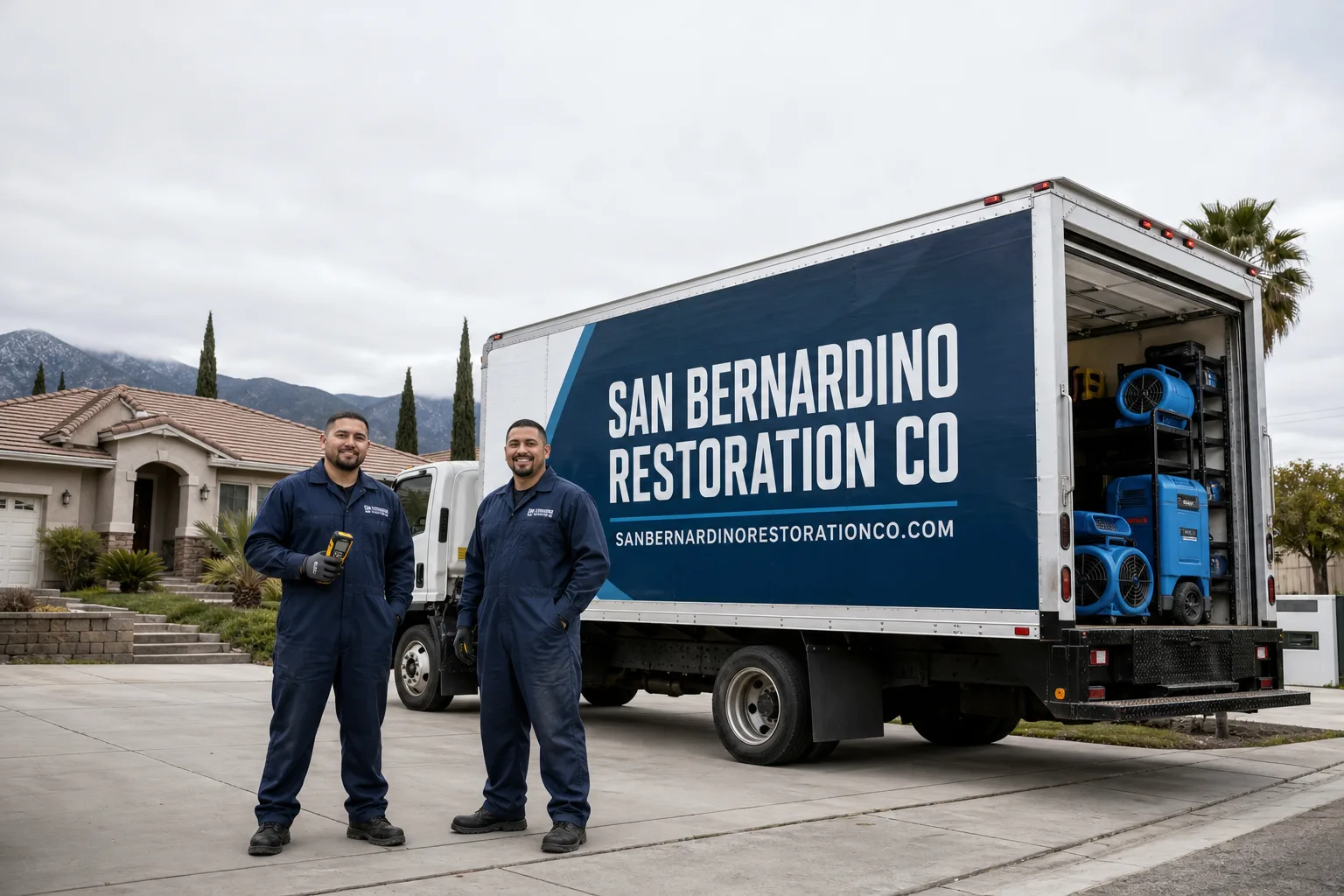
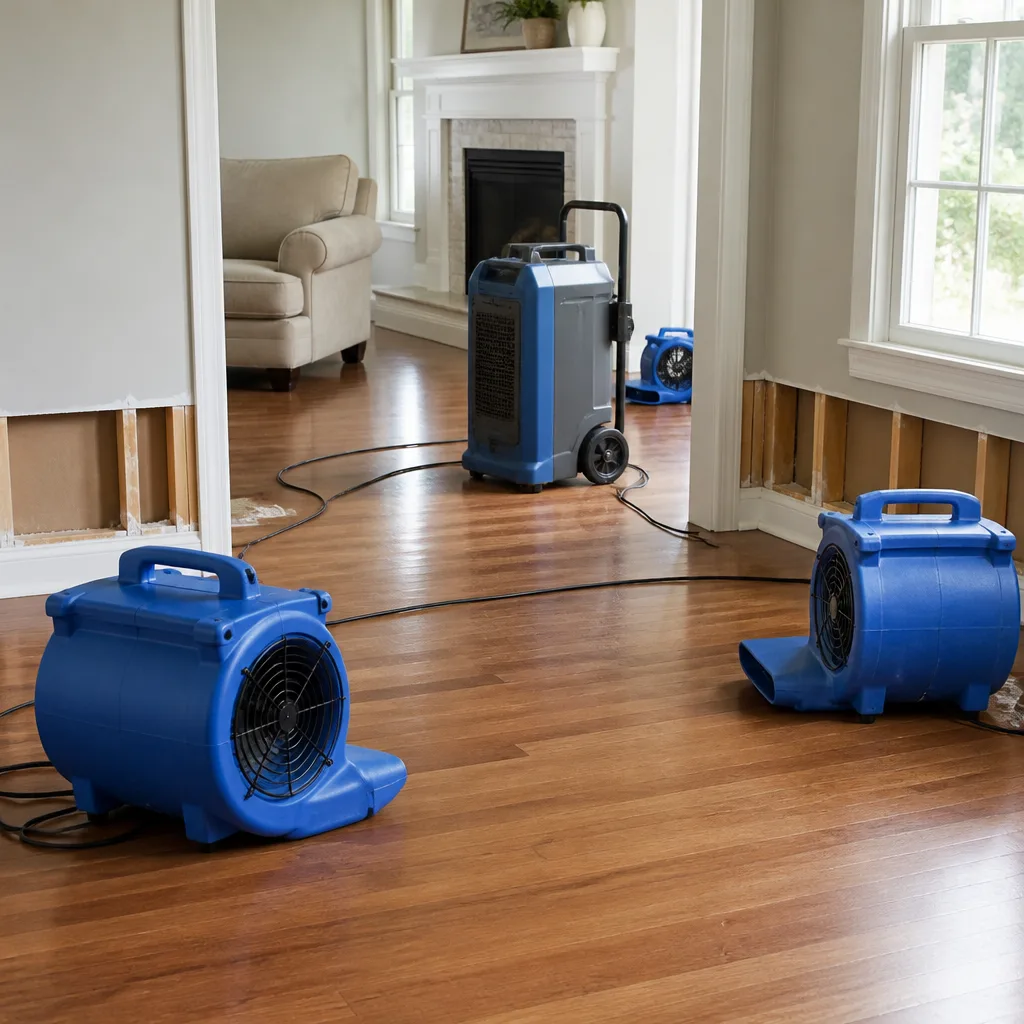
We’re not a general contractor who also does drying. San Bernardino Restoration Co is an IICRC-certified restoration company led by Noel Armenta, and we run the same professional-grade equipment on Lake Forest townhomes that we run on commercial losses. That means Dri-Eaz and Phoenix dehumidifiers, XPOWER air movers, and Injectidry wall-cavity drying systems, not rental-shop fans. The difference shows up in moisture readings, not promises.
Our Lake Forest customers typically find us after water has already migrated somewhere it shouldn’t be. A supply-line pinhole behind a stucco wall in a 1980s townhome. A failed shower pan soaking a shared party wall. A roof flashing leak that finally showed itself as a ceiling stain in the living room. When we arrive at a Lake Forest property, we’re mapping the full moisture picture before we open anything, because in shared-wall construction the water rarely stops at the property line.
We hold dual industry-association standing through the Restoration Industry Association (RIA) and IFA, which means our work is answerable to a professional peer community, not just a Yelp page. That matters when your HOA board or your insurance adjuster asks for documentation. We provide photo-documented assessments, written scopes, and moisture logs from first reading to clearance.
Restoration work we handle
Water Extraction in Lake Forest
Water extraction in Lake Forest is the first and most time-sensitive step after any standing-water event, whether it’s a burst pipe in a kitchen off Trabuco Road or a washing machine failure in a condo near the 5 freeway. Our IICRC-certified protocol starts with truck-mounted or portable extraction units sized to the loss, because every hour that water sits in carpet pad, drywall, or subfloor increases the damage category and the repair cost. A typical extraction-only visit in Lake Forest’s 92630 area runs $400 to $900, while extraction with initial drying setup typically lands between $1,200 and $2,500.
What We Pull Out First
Standing water gets extracted from hard surfaces, carpet, and padding before we touch drywall or baseboards. In Lake Forest’s 1970s-1990s tract housing, the pad under original carpet often holds water far beyond what the surface suggests, so we check moisture readings at the floor level before deciding what gets removed and what gets dried in place.
Containment and Category Control
If the water sat long enough to be classified Category 2 or 3, we set containment before extraction kicks up aerosols. That’s the difference between restoration and just cleaning up water. The goal is stopping cross-contamination, not just making the floor look dry.
Emergency Water Removal in Lake Forest
Emergency water removal in Lake Forest means getting the source stopped, the water out, and the drying plan running before an HOA approval delay or a shared-wall dispute turns a Category 1 loss into a mold problem. Call (877) 358-7678 when water is actively flowing or spreading. Our crew understands Lake Forest’s specific constraint: we can begin emergency mitigation like water shutoff, extraction, and containment while the HOA’s vendor-approval process catches up, as long as the scope and photos are documented from the first hour.
Stopping the Source
We locate and stop the source first, whether that means shutting a supply valve, capping a burst line, or tarping a roof penetration. In Lake Forest’s aging original construction, copper pinholes and failed water heater supply lines are the most common culprits we see, and shutting them off correctly prevents the same line from leaking again during the drying phase.
Soaked Drywall and Shared Walls
In shared-wall construction, water moves sideways through framing and drywall channels. We check the neighbor’s side of the party wall with moisture meters before declaring the loss contained. This isn’t a courtesy, it’s what correct emergency water removal requires in Lake Forest’s townhome and condo communities.
Trusted Brands We Service in Lake Forest
Older Lake Forest homes often have original equipment still in service, including water heaters, supply lines, and plumbing fixtures that have outlived their intended lifespan. When those fail, the brands don’t matter as much as the response. We service and coordinate around all major plumbing fixture brands, HVAC systems, and water heater types found in Lake Forest’s 1970s-1990s housing stock, and our team can source matching materials fast for copper, PEX, and CPVC repairs. For drying equipment, we run Dri-Eaz and Phoenix dehumidifiers plus XPOWER air movers, which means our drying capacity isn’t limited by what a local rental counter has on hand.
See the difference
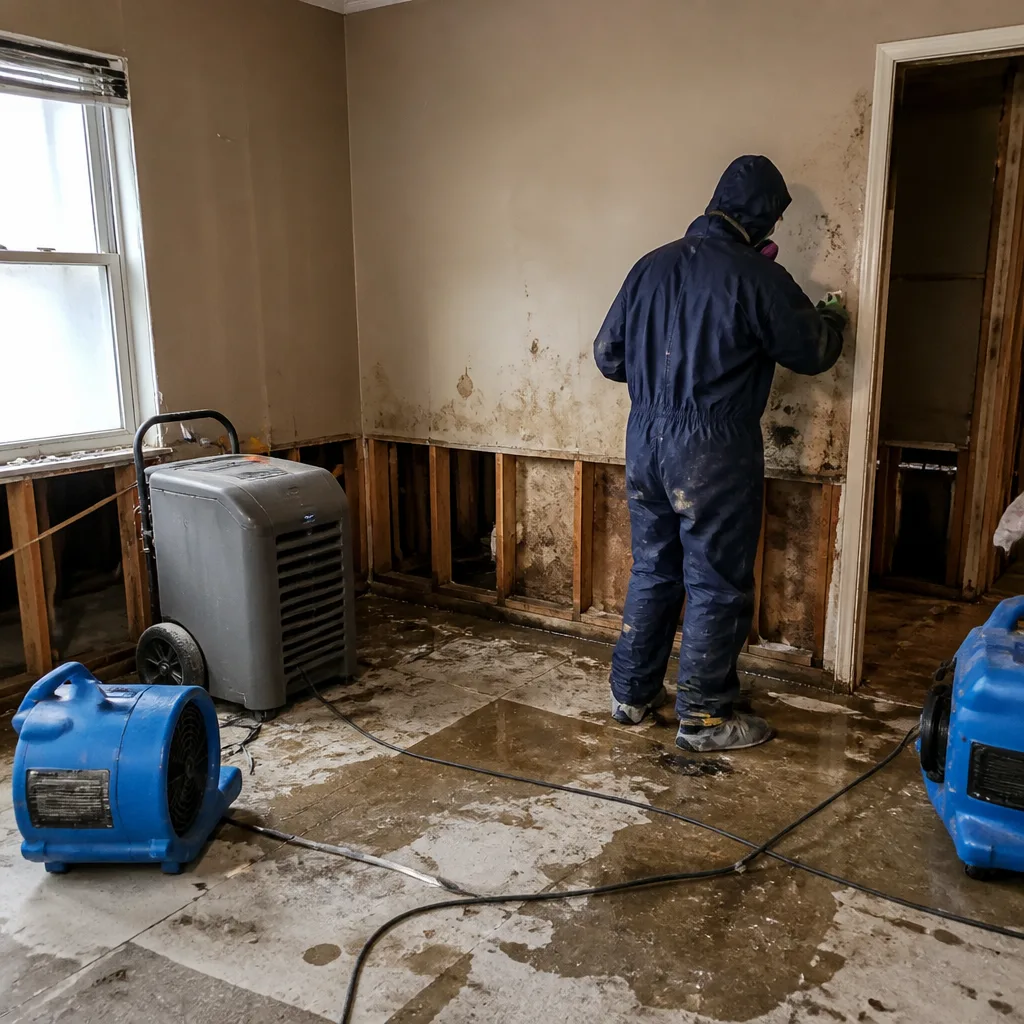 Before
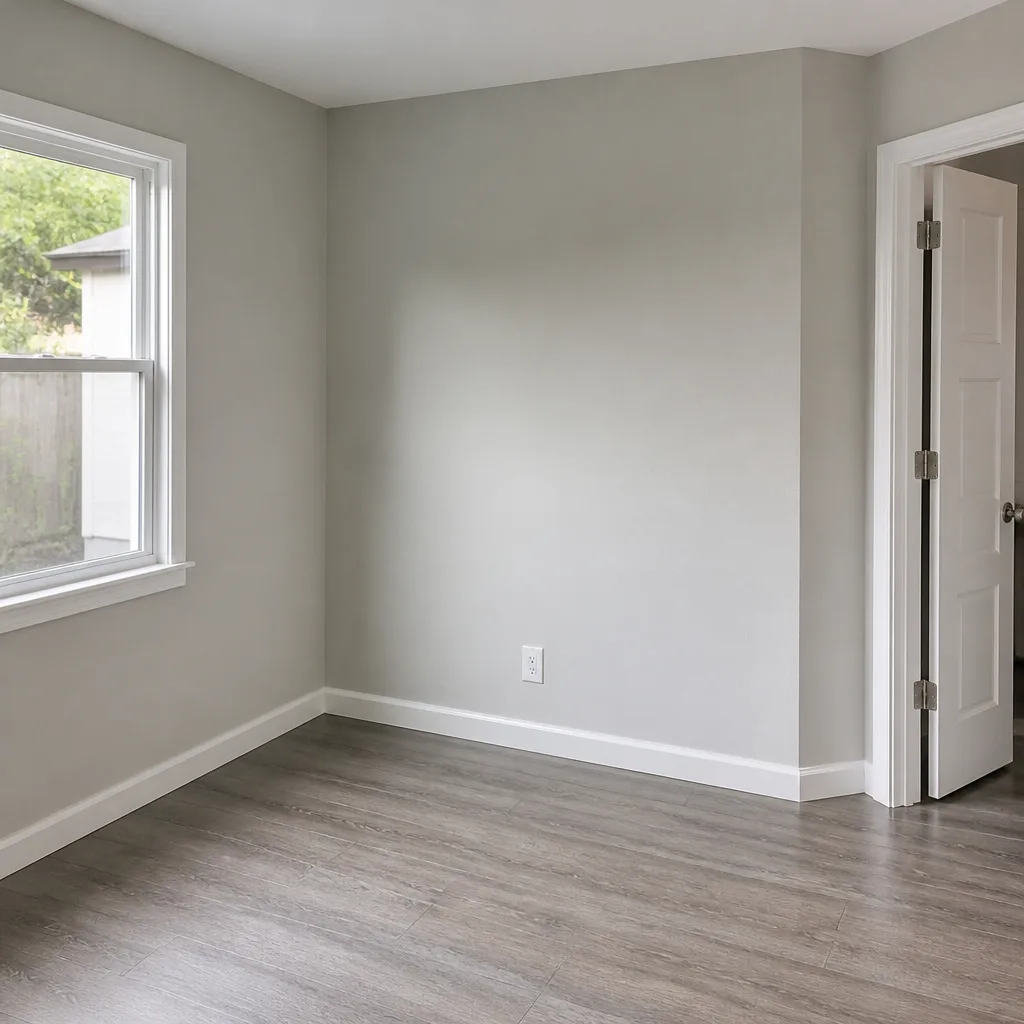 After
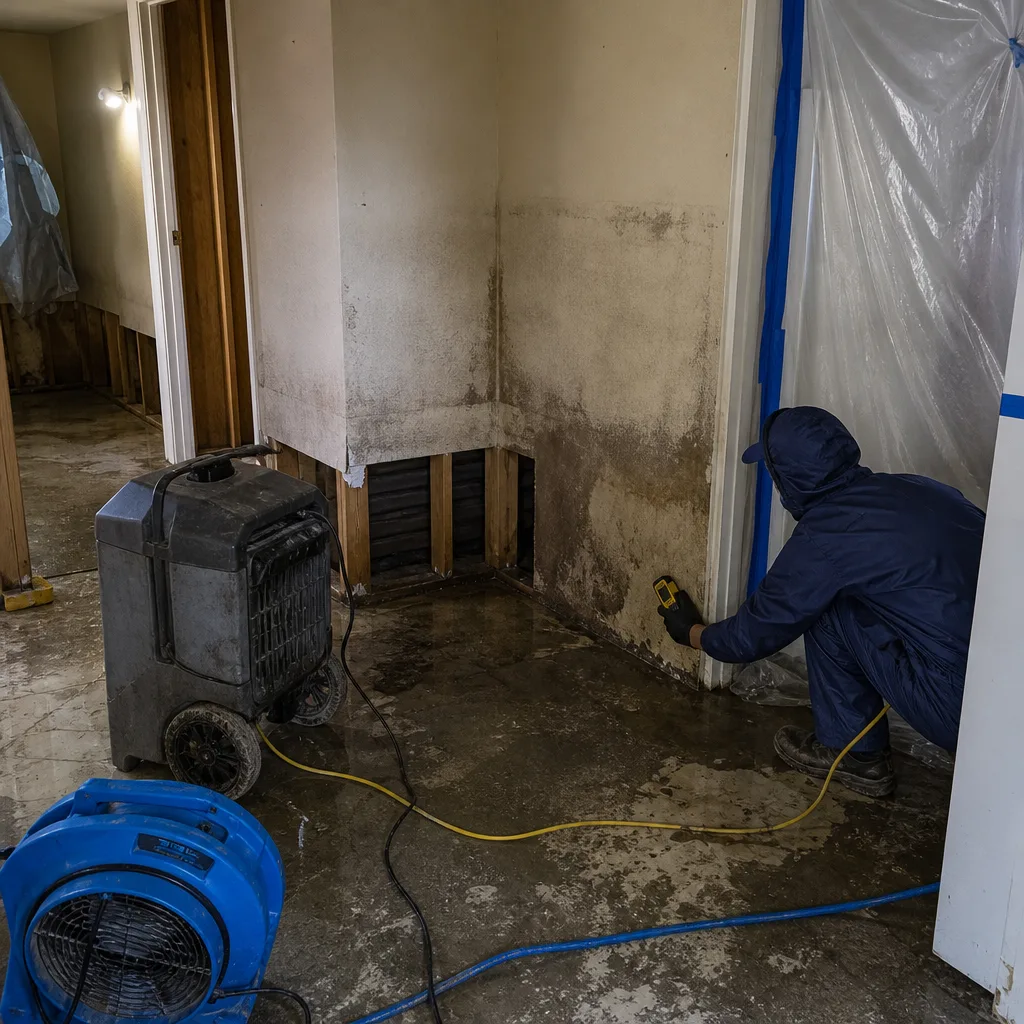 Before
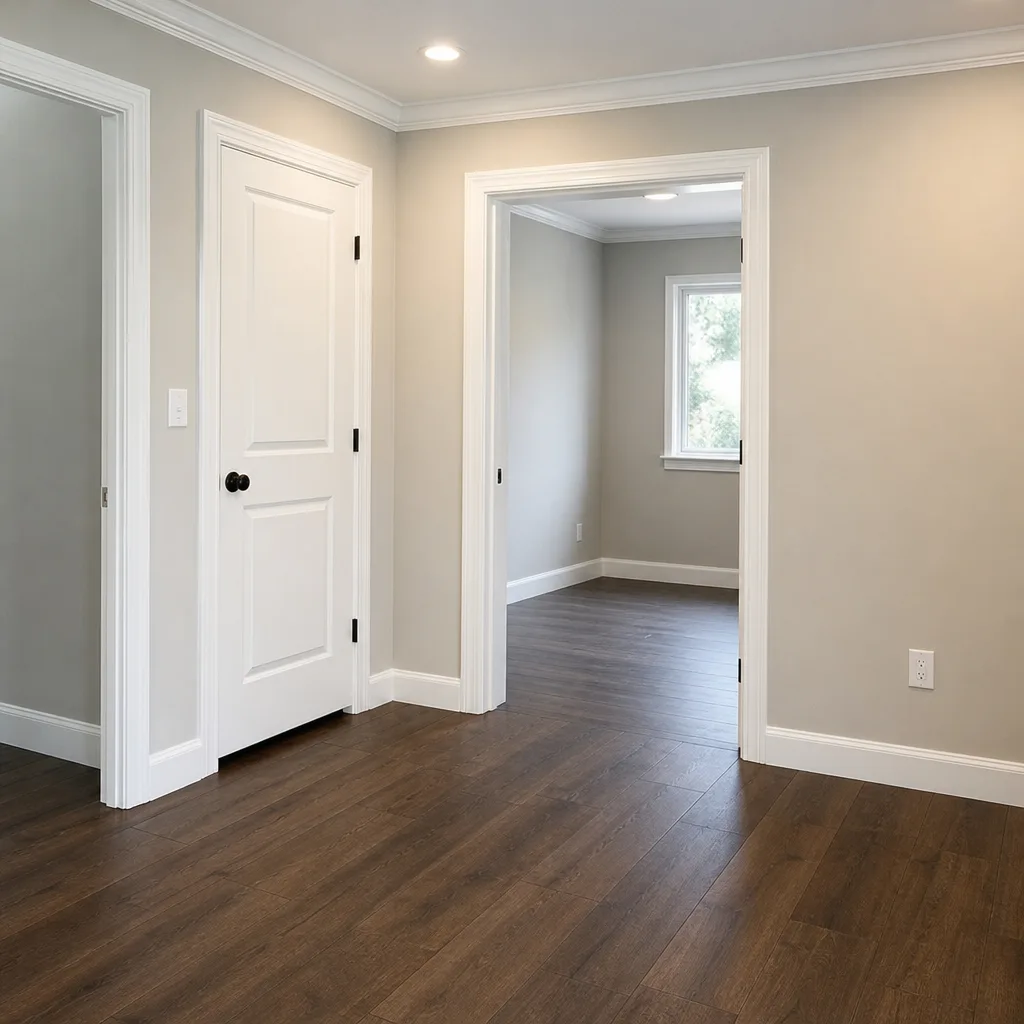 After
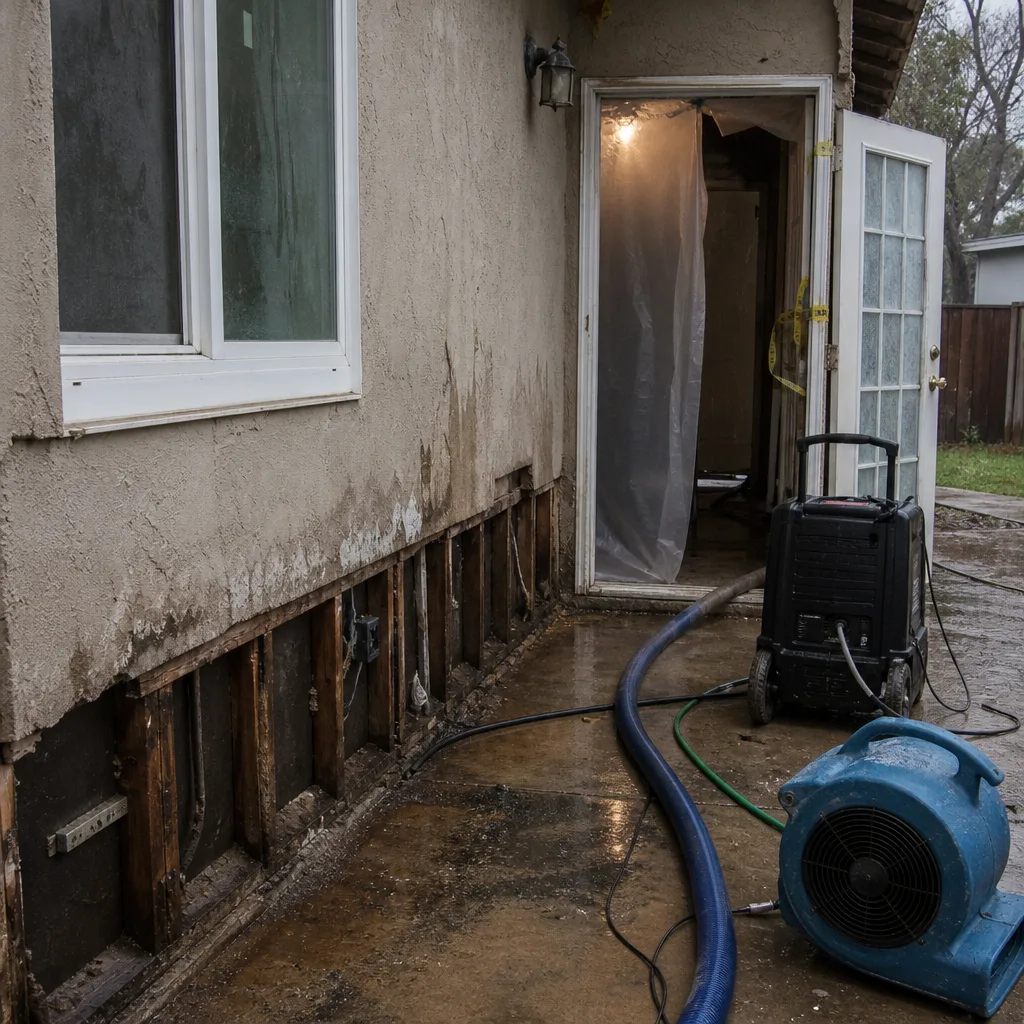 Before
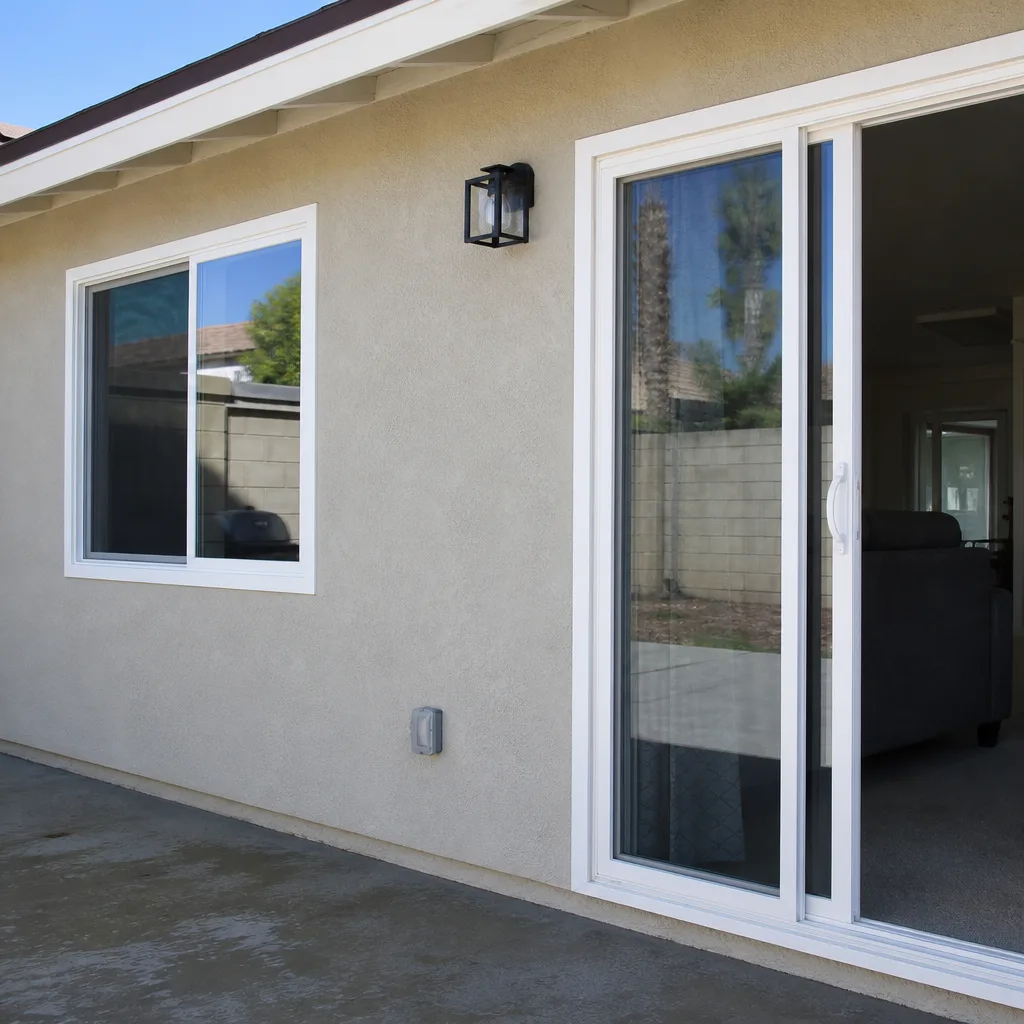 After
Common Water Damage Restoration Problems We See in Lake Forest Homes
- Aging copper supply lines behind stucco walls. Original copper in 1980s townhomes along Ridge Route Drive and El Toro Road is now at the end of its expected life, and pinhole leaks can soak wall cavities for days or weeks before the damage shows. We see this pattern constantly in Lake Forest’s planned communities.
- Failed shower pans in shared-wall construction. A cracked or deteriorated shower pan on the second floor of a 1980s townhome sends water down through the floor assembly and into the neighbor’s ceiling below. By the time the stain appears, the framing has often been wet for days and needs structural drying, not a surface patch.
- Roof flashing failures on original tile and composition roofs. Many Lake Forest homes still have their original roofs, now 25-plus years old. Winter rainstorms overwhelm aging flashings around chimneys, skylights, and valley intersections, and the resulting interior water travels down walls before showing as ceiling stains.
- HOA approval delays compounding water migration. In Lake Forest, the clock starts when the leak starts, not when the work gets approved. A water loss that waits days for vendor sign-off gets worse in hours, which is why we document everything photographically and push for fast-track approval from the first visit.
Pricing for Water Damage Restoration in Lake Forest, CA
We give Lake Forest homeowners real numbers up front, because you’re making decisions under pressure and vague pricing doesn’t help. A contained single-room water extraction with drying equipment setup typically runs $1,200 to $2,500. A larger loss involving multiple rooms, ceiling damage, and structural drying of framing lands between $3,500 and $7,500. Full pack-outs with contents drying, storage, and reconstruction coordination can exceed $10,000, though most mid-sized residential losses in Lake Forest settle between $4,000 and $8,000. Your insurance policy usually covers the bulk of this, and we bill directly to your carrier when coverage applies. Call (877) 358-7678 for a free, written estimate before any work begins.
We Also Serve Cities Near Lake Forest
Our crews regularly work in Foothill Ranch, Portola Hills, Mission Viejo, and Laguna Woods, handling everything from single-family extractions to multi-unit condo losses. If you’re in a neighboring community dealing with water intrusion and want the same IICRC-certified process we bring to Water Damage Restoration in Lake Forest, call us at (877) 358-7678.
Serving Lake Forest, CA — Our Local Coverage Area
We’re based in the Lake Forest area and know this community well. Use the map below to see our service coverage — if you’re nearby, we can almost certainly help.
FAQs About Water Damage Restoration in Lake Forest
In most Lake Forest HOAs, yes, architectural or vendor approval is required before we open walls or alter common elements, but emergency mitigation like water extraction, source shutoff, and containment can usually begin immediately with proper documentation. The key is photographing everything and writing a scope that matches the HOA’s vendor-approval requirements from hour one. Our team handles that coordination directly, and we’ve worked with most of the major associations in the 92630 zip code. Call (877) 358-7678 and we’ll tell you exactly what your community’s process looks like.
Because in shared-wall construction, water travels along framing members, electrical chases, and drywall seams before it shows up anywhere visible. A pinhole leak in your wall cavity can run down the stud bay, across a floor plate, and into the neighbor’s ceiling assembly without leaving a mark on your side. That’s why we always run moisture readings on both sides of a party wall, not just the unit where the leak started. If your neighbor has a ceiling stain, call (877) 358-7678 before opening anything, because HOA liability for party-wall damage turns on documentation.
Mold can begin growing on wet drywall and organic materials within 24 to 48 hours in Lake Forest’s climate, especially during the humid periods of late summer and after winter rainstorms. Category 1 water from a clean supply line degrades to Category 2 over time as it picks up contaminants, and the longer the water sits, the more aggressive the remediation scope becomes. Speed is not a sales tactic; it’s a restoration fact.
Category 1 is clean water from a supply line or pipe burst. Category 2 is contaminated water that’s been sitting or has mixed with building materials, and Category 3 is grossly contaminated water from sewage, flooding, or long-standing standing water. Each category dictates different extraction, containment, and disinfection protocols under IICRC standards, and getting this classification right determines whether your insurance covers full restoration or just surface cleanup. Our technicians document the category at first assessment and adjust the scope as moisture readings evolve.
Yes. We run full pack-out and contents drying for condo and townhome losses in Lake Forest, including inventorying, photographing, and documenting every item removed. That documentation matters for your insurance claim and for your HOA’s records. Contents are dried in our controlled facility or on-site depending on the scope, and we coordinate the entire process from extraction to clearance so you don’t piece together multiple contractors.
Written by Noel Armenta, Owner at San Bernardino Restoration Co, serving Lake Forest and surrounding south Orange County communities with IICRC-certified water, mold, and fire damage restoration.