
 Water damage drying
 Fire & smoke cleanup
 Mold remediation
 Storm response
 Sewage cleanup
 Reconstruction
Free visual inspection and a written scope of work before any mitigation begins - photos, moisture readings, and drying logs go in your claim file
The scope we write is the scope we bill. Anything new gets shown to you, in writing, before we touch it.
Get your free estimateFast, Reliable Water Damage Restoration Across Desert Edge
Water damage restoration in Desert Edge typically runs $1,800 to $6,400 depending on how far the water traveled and whether it reached wall cavities or the slab. In this part of the Coachella Valley, the job is rarely as simple as mopping up what you can see. Desert Edge sits in the San Gorgonio Pass wind corridor, where dry ground sheds monsoon runoff like pavement, so water often intrudes into homes while the yard outside looks completely dry. We moisture-map the slab and wall bases, not just the obvious wet room. If you’re standing in water or watching it spread, call (877) 358-7678 and our Water Damage Restoration team will walk you through the first steps.
Why San Bernardino Restoration Co Is Desert Edge’s Preferred Water Damage Restoration Company
Desert Edge homeowners call us for one reason: we treat this community’s specific problems, not a generic water-loss script. Our IICRC-certified technicians have worked on the acreage properties off Dillon Road, the older single-family homes along the wash-side lots, and the manufactured housing on the east side of Desert Hot Springs near the 92240 boundary. We know these homes run on septic, often with evaporative coolers and flat or low-slope roofs that fail differently than tract housing in Palm Springs. We know the sand that seals into window tracks and HVAC returns during a wind event changes where you look for the water source. Desert Edge water losses are their own category, and we scope them that way from the first call.
Noel Armenta leads the water damage restoration team, and he holds the crew to documentation standards that insurance adjusters recognize: photo-documented pre-loss condition, drying logs with actual moisture readings, and a written scope of work before destructive work starts. Desert Edge property owners tell us the same thing: the written scope is what made them trust us. It means you know what gets dried, what gets removed, and what it costs before we touch your framing.
Restoration work we handle
Emergency Water Damage Restoration in Desert Edge
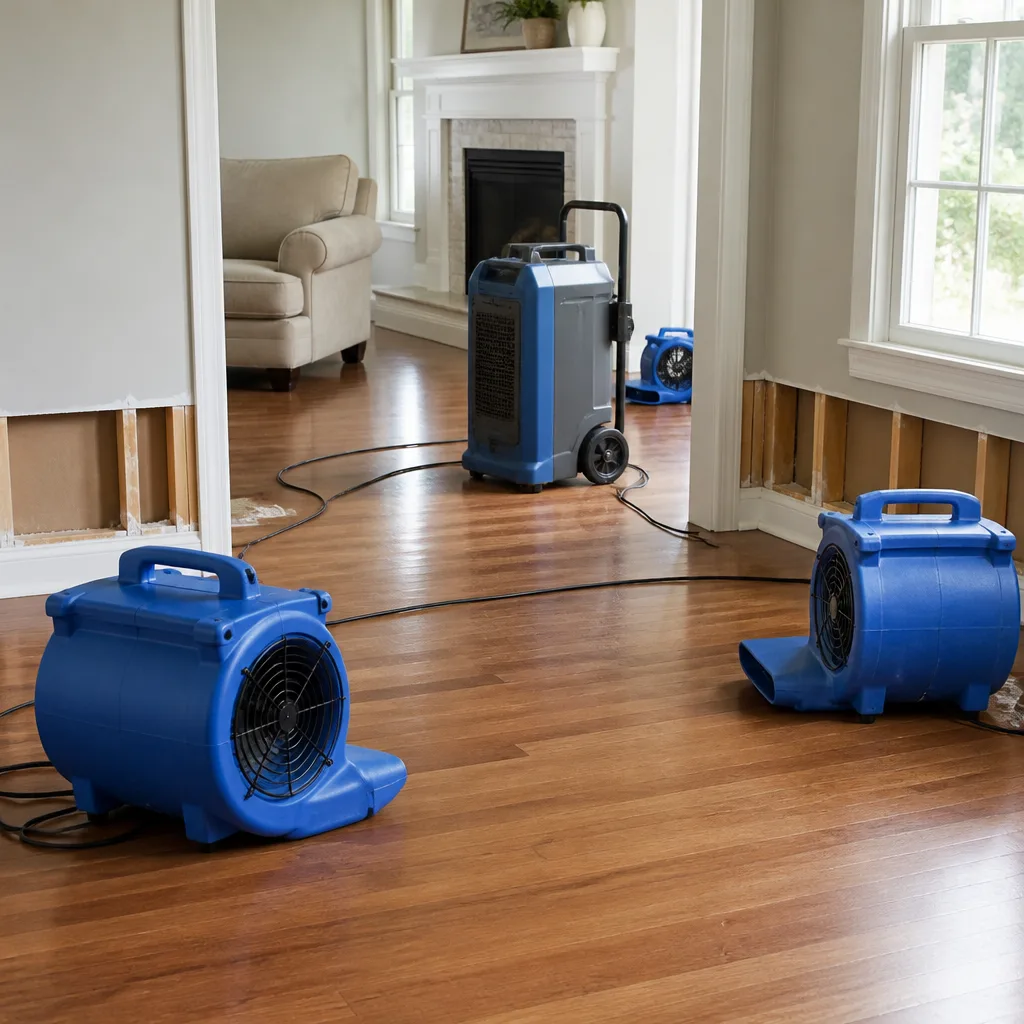
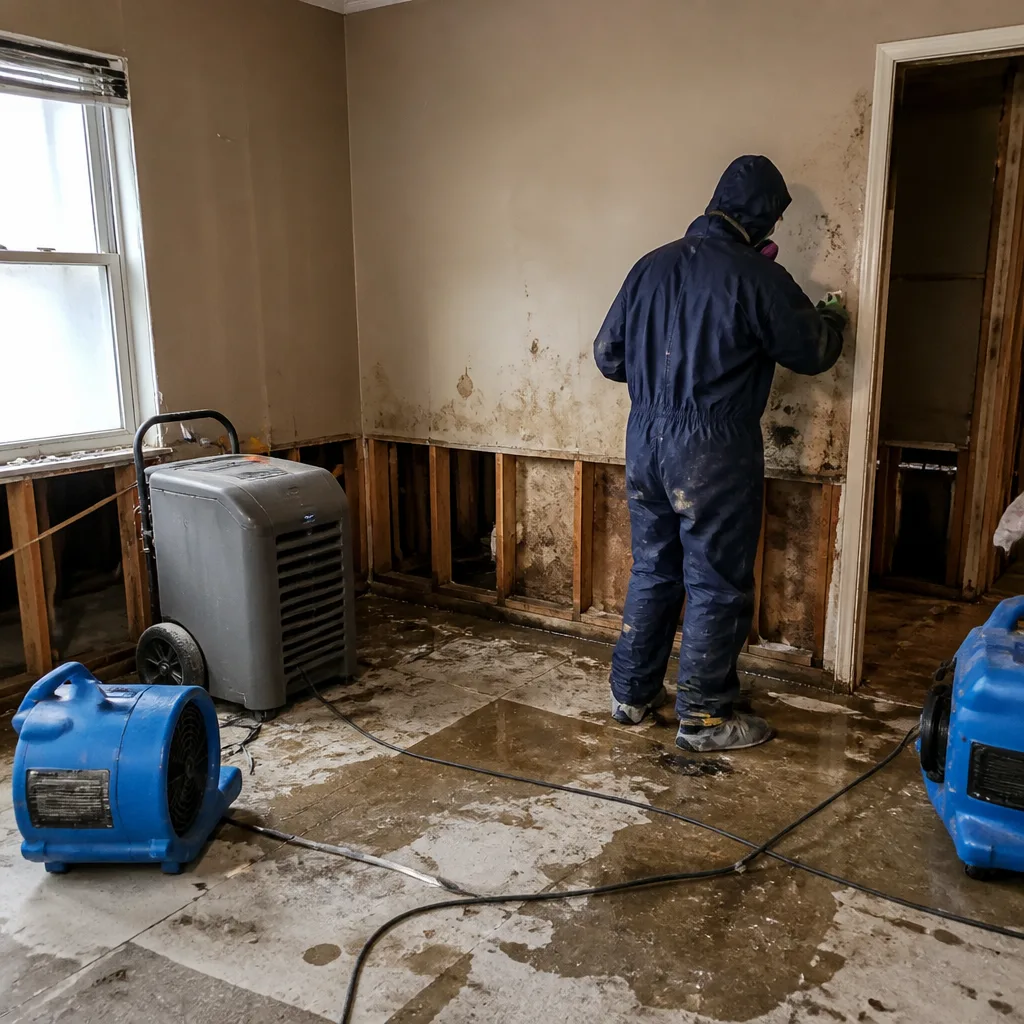
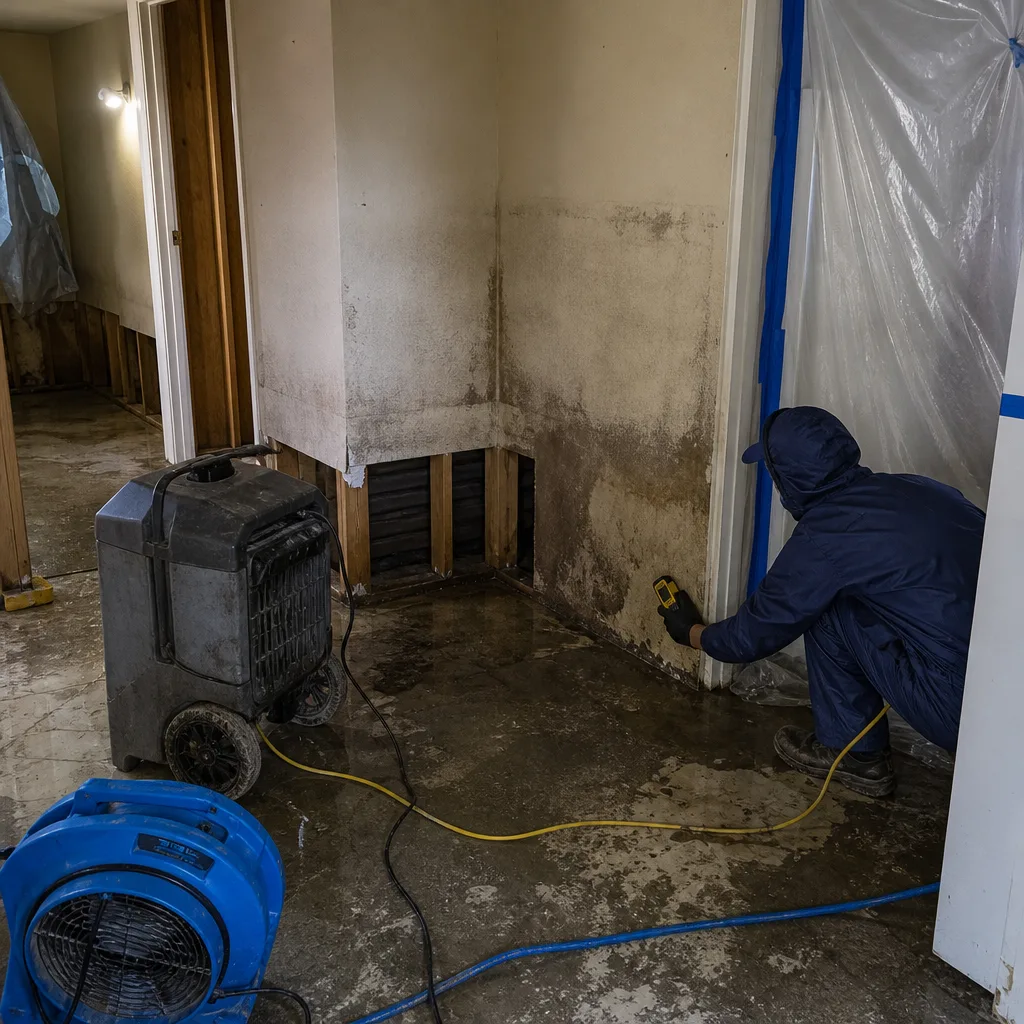
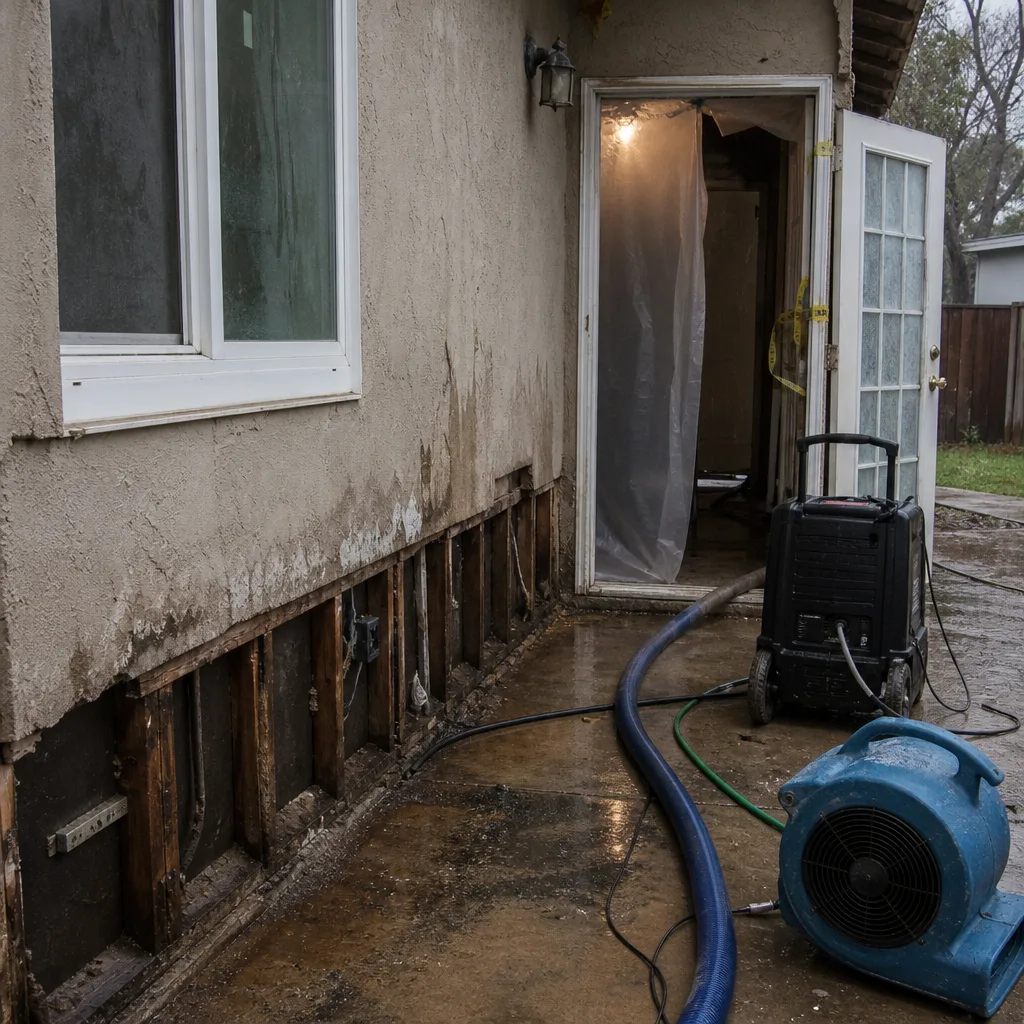
Emergency Water Damage Restoration in Desert Edge starts with stopping the source, then extracting standing water from every surface it touched, including the places homeowners don’t check: slab edges, wall bases, and the outbuildings on rural acreage. Summer monsoons push runoff across caliche-hardened alluvial soil that sheds water like a parking lot, so a storm can put water inside your home while the ground outside reads dry. We run our extraction wands across the slab, drop XPOWER air movers and a Dri-Eaz dehumidifier for structural drying, and take moisture readings along the wall bases that look fine to the eye. Emergency extraction on a single-room Desert Edge water loss runs $800 to $2,200; a multi-room or wash-side intrusion runs $2,500 to $6,400.
Slab and Wall-Base Extraction
Desert Edge homes on slab foundations show water migration patterns you don’t see on raised foundations. Runoff from the pass wicks into the slab edge at the exterior wall line, then travels inward, so the visible puddle is rarely the whole story. We pull baseboards, drill weep holes where needed, and run extraction mats directly on the concrete to pull water back out before it wicks up into drywall.
Outbuilding and Detached Shop Response
On acreage, the main house is sometimes the second-worst hit. Detached workshops, storage buildings, and garage conversions on Desert Edge lots take the first wave of monsoon runoff because they sit lower on grade or closer to the wash. We scope every structure on the property, not just the one you’re standing in, because a partial dry-out on a rural lot just means the problem moves in a week.
Water Damage Repair in Desert Edge
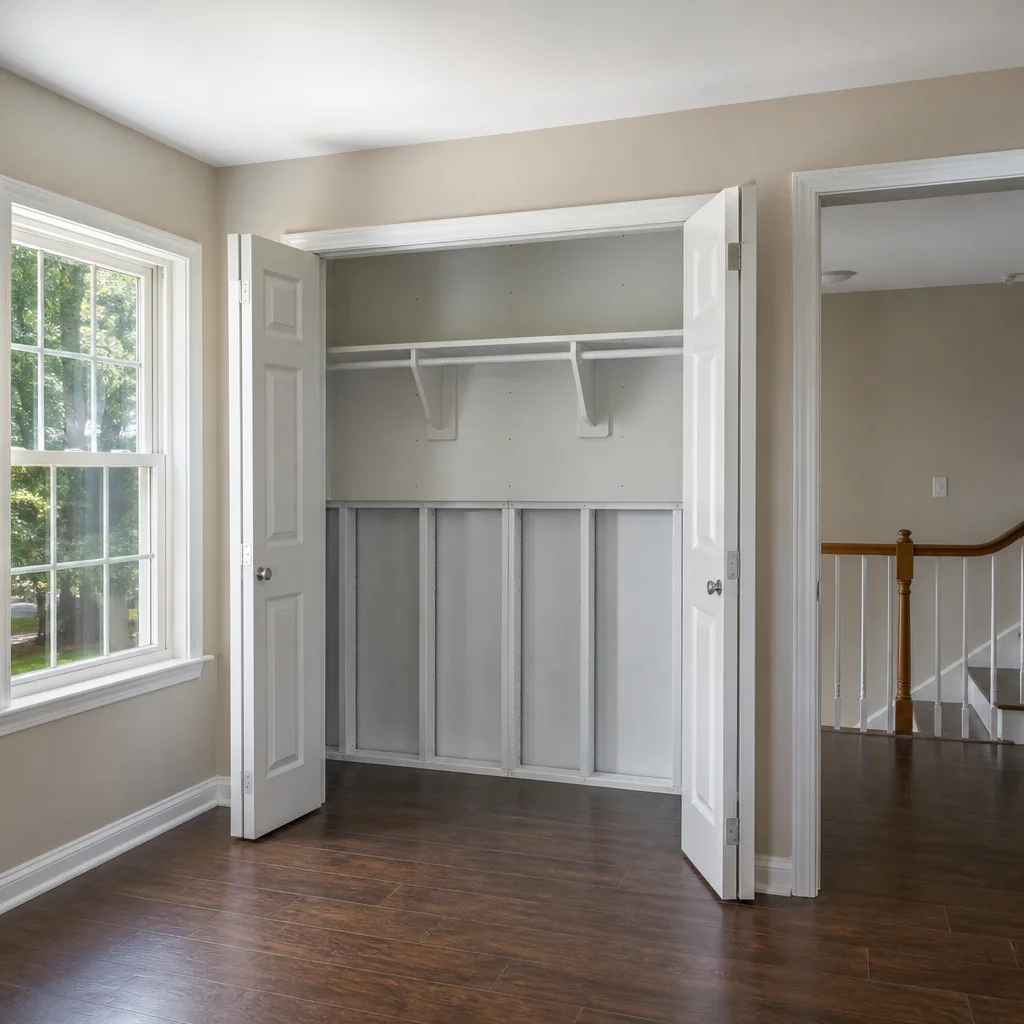
Water Damage Repair in Desert Edge follows the drying phase, but on many of these homes, the repair scope is where the real money is decided. Once the moisture readings hit the drying target, we remove what can’t be saved, treat what can, and rebuild to the pre-loss condition you documented with us on day one. In a Desert Edge home, repair often includes drywall replacement along the slab-wet wall bases, flooring removal where the caliche-shed runoff sat against the slab, and sealing work around the window tracks and HVAC returns that let wind-driven sand in with the water. Repair scope on a typical single-room loss runs $1,200 to $3,800; whole-home or outbuilding-inclusive repairs run $4,000 to $9,500 depending on finish level and whether you have older stucco or manufactured-home materials to match.
Structural Drying Before Anything Else
We don’t cut corners on drying because desert heat fools people. A wall can feel dry in 110-degree air while holding 22 percent moisture content inside the cavity. Our Phoenix and B-Air dehumidifiers run until the readings prove the structure is dry, not until the surface feels dry. That’s the difference between a repair that lasts and one that delaminates in six months.
Wall-Cavity Drying Without Tearing Out Everything
Injectidry systems let us dry wall cavities from the inside out, which matters on Desert Edge homes where original stucco or manufactured-home paneling is expensive to match. Instead of gutting every wet wall, we drill small access points and pull air through the cavity. The homeowner keeps the wall finish when possible, and the budget stays intact.
Trusted Brands We Service in Desert Edge
Desert Edge homeowners run Floodmaster, Grundfos, and Wayne sump systems, and when those fail during a monsoon cell, the water doesn’t wait. We service pumps from all major brands and stock common parts where we can to keep repair timelines tight. Whether you have a pedestal pump in a residential crawl or a submersible running a wash-side outbuilding, our crew gets the system apart, diagnoses the failure, and puts it back right. We don’t sell you a new pump because the float stuck. We fix the float, test the cycle, and document the repair so you know what happened and what it cost.
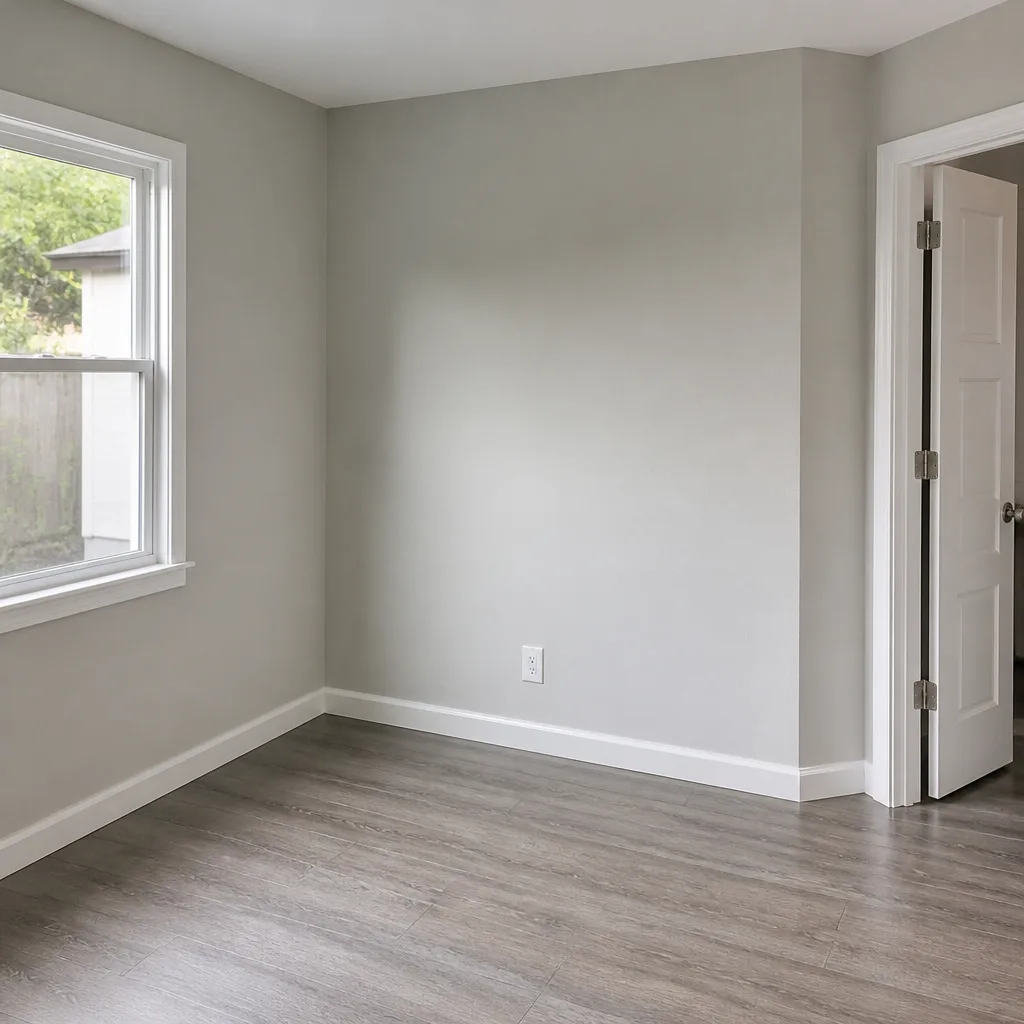
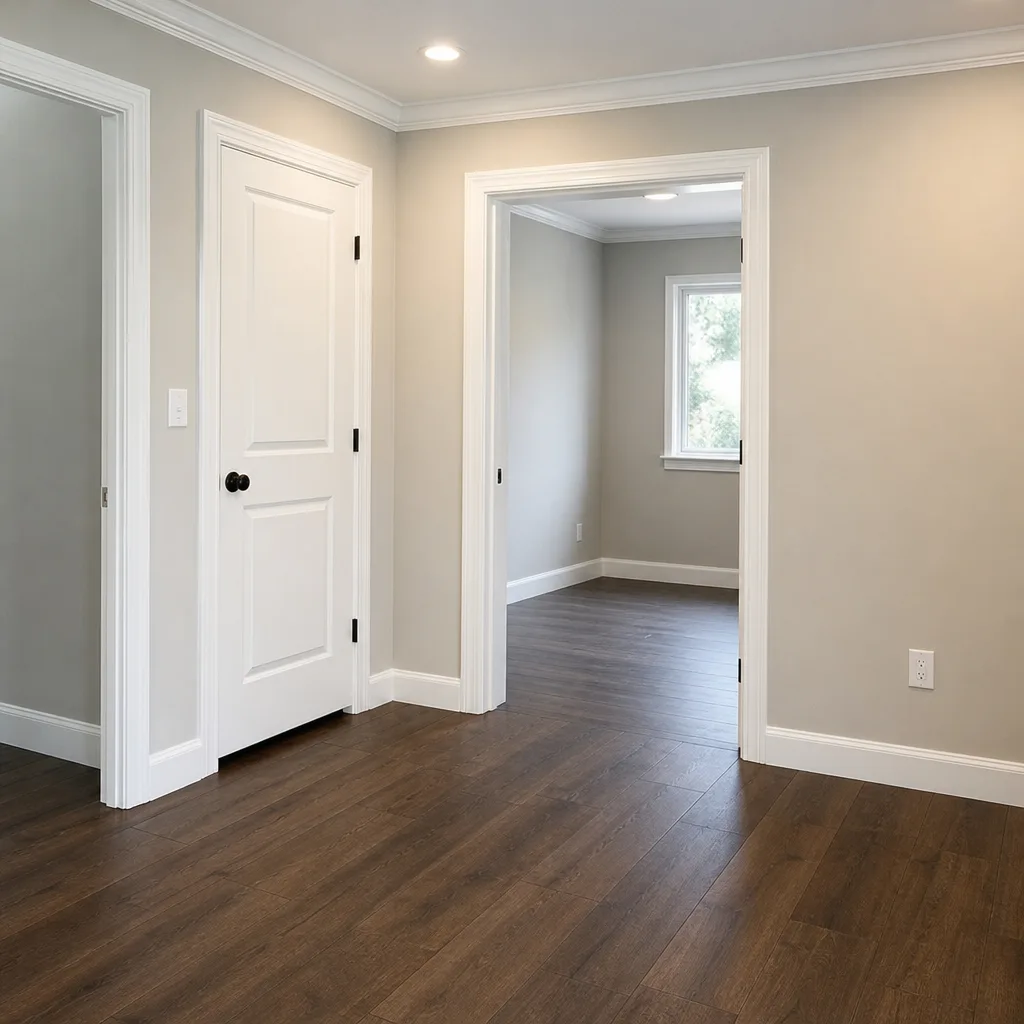
See the difference
 Before
 After
 Before
 After
 Before
 After
Common Water Damage Restoration Problems We See in Desert Edge Homes
- Caliche-shed runoff wicking into slab edges: The same hardpan soil that keeps your acreage walkable sends monsoon rain sideways into your foundation line. Water intrudes without pooling visibly in the yard, then wicks into drywall from the bottom up over the following week. By the time you smell it, the damage is already behind the baseboards.
- Sand-sealed window tracks hiding the real intrusion source: A San Gorgonio Pass wind event packs fine dust into the track, then rain runs along it and finds a path inside. The puddle on the floor looks like a roof leak, but the water is coming in at the window line. We find this on older single-family Desert Edge homes with original aluminum frames.
- Partial dry-outs on acreage with detached shops: A crew scopes the main house, sets equipment, and never walks the outbuildings. The detached workshop or storage shed stays wet, mold moves in, and the homeowner finds out when the smell spreads. We scope every structure on the lot from the first assessment.
- Evaporative cooler overflow on flat or low-slope roofs: Desert Edge’s older homes often run swamp coolers on roofs that don’t shed water well. When a cooler overflow pan cracks or a float sticks, the water pools at the low point, saturates the roofing membrane, and finds a seam. What looks like monsoon damage is sometimes mechanical, and the fix is different.
Pricing for Water Damage Restoration in Desert Edge, CA
Water damage restoration pricing in Desert Edge runs higher than some nearby valley cities because of the rural acreage factor: longer service drives, multiple structures on a lot, and septic-system water sources that add complexity. Here’s what we see most often:
- Single-room emergency extraction, no structural damage: $800 to $2,200
- Multi-room monsoon intrusion with slab-edge wicking: $2,500 to $6,400
- Wall-cavity drying with Injectidry, no tear-out: $1,800 to $4,200
- Outbuilding-inclusive drying and repair on acreage: $4,000 to $9,500
Every estimate includes a written scope, photo documentation, and drying logs for your insurer. Call (877) 358-7678 for a free assessment, and we’ll give you a number before any equipment hits the floor.
We Also Serve Cities Near Desert Edge
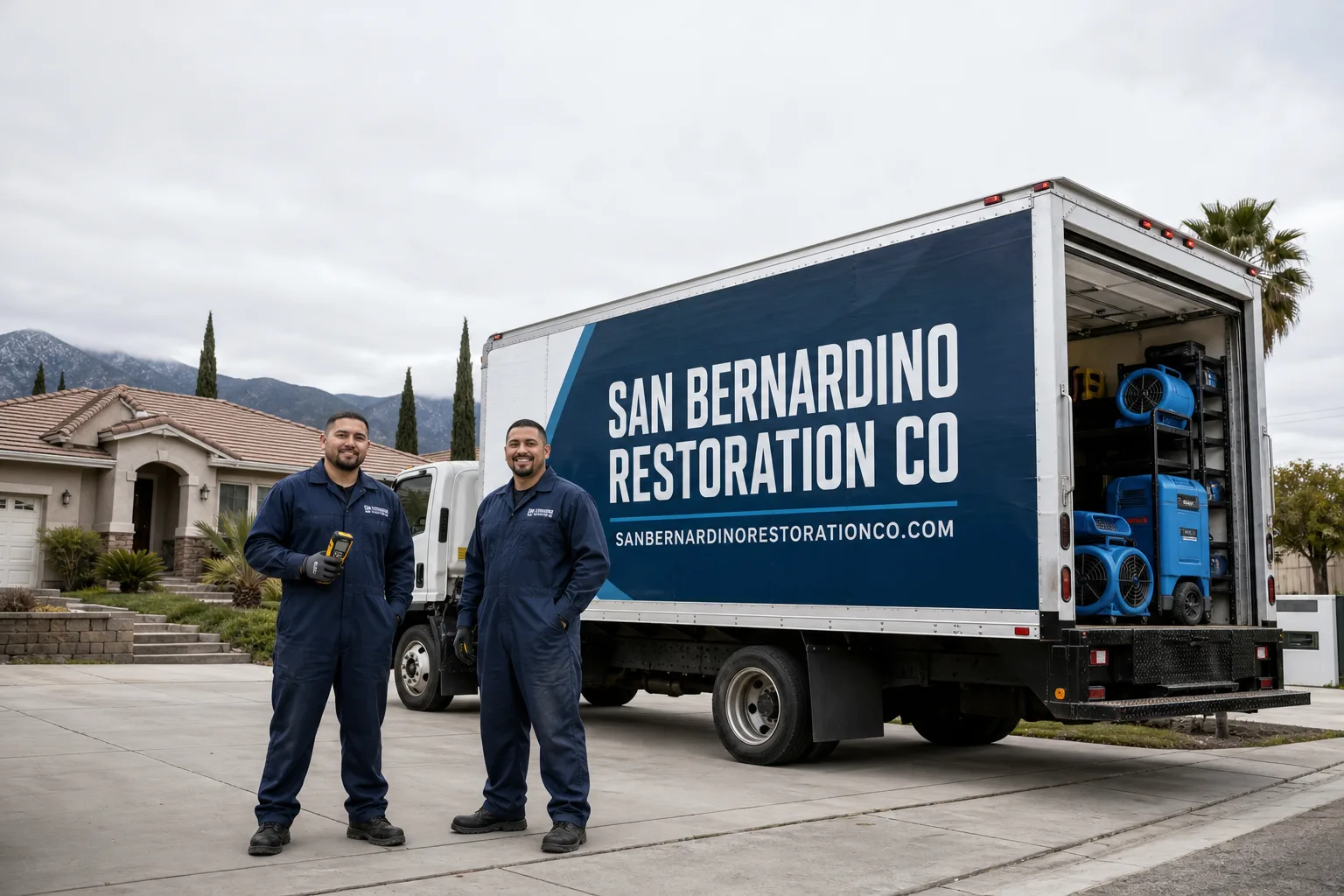
If you’re outside Desert Edge proper, we run the same IICRC-certified protocol in Water Damage Restoration in Desert Edge and the surrounding communities. Garnet, Desert Hot Springs, Morongo Valley, and Palm Springs all call us for water extraction, structural drying, and repair. The drive is short, the equipment is on the truck, and the estimate is free.
Serving Desert Edge, CA — Our Local Coverage Area
We’re based in the Desert Edge area and know this community well. Use the map below to see our service coverage — if you’re nearby, we can almost certainly help.
FAQs About Water Damage Restoration in Desert Edge
Desert Edge’s caliche-hardened alluvial soil sheds monsoon runoff like pavement instead of absorbing it, so water from a San Gorgonio Pass storm travels across the surface and finds your slab edge or wall base even when the surrounding dirt looks bone-dry. The water doesn’t soak in; it runs. That’s why we moisture-map the slab and wall bases on every Desert Edge water loss, not just the room with the visible puddle. Call (877) 358-7678 and we’ll check the places the water actually travels.
Within the first 24 to 48 hours, before mold spores have time to colonize the wet gypsum and framing. Desert heat speeds evaporation at the surface, but the moisture inside wall cavities and under flooring stays trapped, and that’s where the damage continues. The sooner extraction and drying equipment runs, the less repair scope you’re looking at. If water appeared overnight, call us that morning.
Yes, and it’s one of the reasons our Water Damage Restoration approach here includes checking window tracks, door seals, and HVAC returns for sand intrusion before we set containment. Wind-driven sand settles into tracks and seals, then monsoon rain follows the same path and enters at points that look like they should be watertight. If we miss the sand-sealed entry point, we’re drying the wrong source. We check it on every Desert Edge assessment.
Yes, and we scope every structure on your lot during the initial assessment. Detached workshops, storage buildings, and garage conversions on Desert Edge acreage often take the first wave of runoff because they sit lower on grade or closer to the wash. If we only dry the main house, the outbuilding stays wet, mold moves in, and the problem spreads. We treat the whole property as one job. Call (877) 358-7678 to schedule a walk-through that covers the entire lot.
We follow IICRC-standard categories and drying targets, not guesses. Category 1 clean water with no contamination and surface-only contact gets extraction and drying; category 2 or 3 water, or materials that have been wet long enough to show saturation or odor, get removed. In Desert Edge homes, the deciding factor is often the caliche-shed slab wicking: drywall that’s been wet at the base for more than 72 hours usually comes out because drying it in place invites mold. We document every removal decision with photos and moisture readings so your insurer sees exactly why it happened.
If you’re looking at water in your Desert Edge home, don’t wait for the ground to look wet. It probably never will. Call (877) 358-7678 for a free estimate, and we’ll have a certified tech on the road toward the pass with the equipment to stop the damage at the source.
Written by Noel Armenta, Owner at San Bernardino Restoration Co, serving Desert Edge and the Coachella Valley wind corridor.