
 Water damage drying
 Fire & smoke cleanup
 Mold remediation
 Storm response
 Sewage cleanup
 Reconstruction
Free visual inspection and a written scope of work before any mitigation begins - photos, moisture readings, and drying logs go in your claim file
The scope we write is the scope we bill. Anything new gets shown to you, in writing, before we touch it.
Get your free estimateFast, Reliable Water Damage Restoration Across Brea
Water damage restoration in Brea typically runs $1,800 to $4,200 for a standard single-room water loss, with emergency extraction alone priced between $500 and $900. Most Brea homes we respond to need same-day mitigation because the city’s clay-heavy hillside soils hold moisture against foundation walls and slab edges, turning a small leak into a spreading problem within 36 hours. We know the difference between a flatland plumbing failure and a Carbon Canyon slope-drainage intrusion because our crews work both every week. If you’re dealing with standing water, a failed supply line, or storm-driven seepage right now, call (877) 358-7678 and we’ll walk you through the first steps before we arrive.
Why San Bernardino Restoration Co Is Brea’s Preferred Water Damage Restoration Company
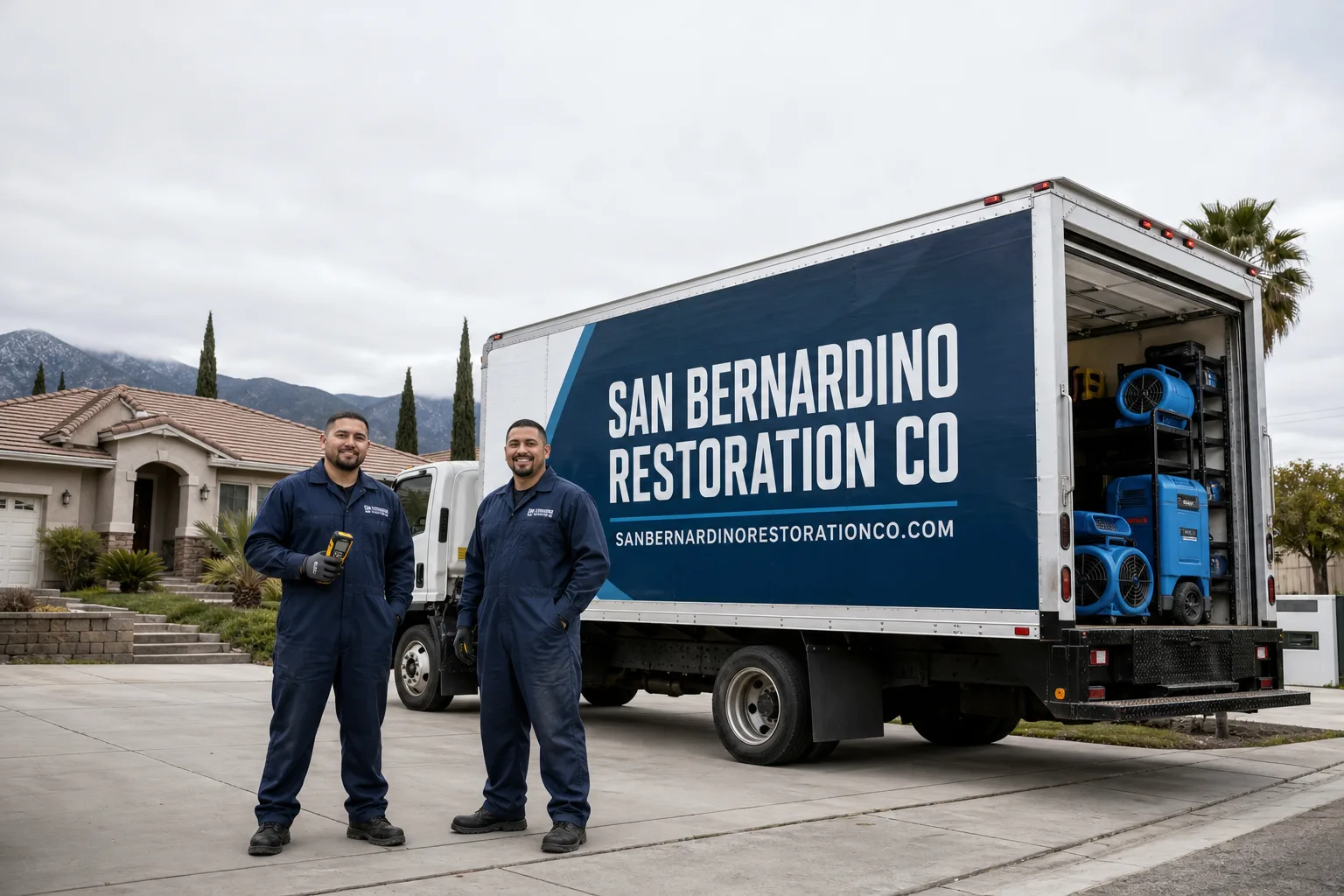
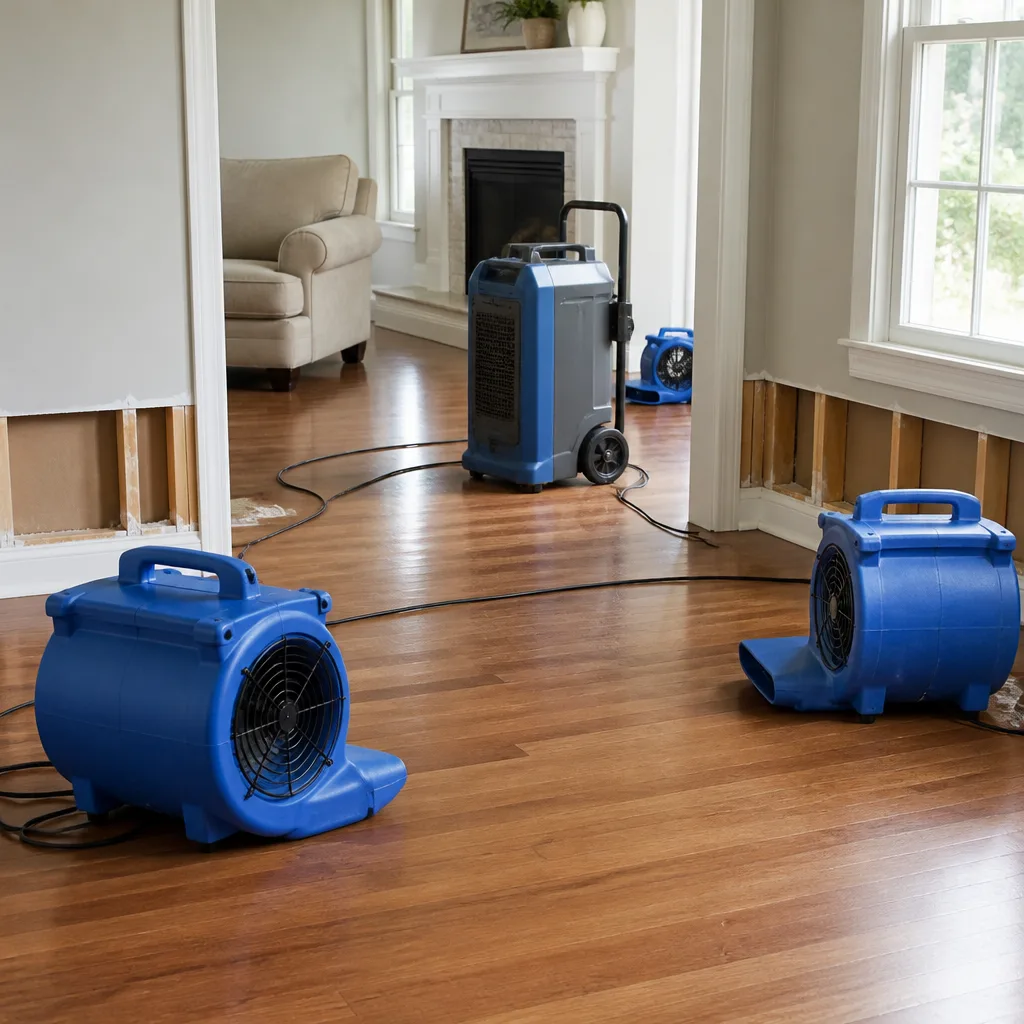
Brea homeowners call us because we bring commercial-grade drying science to residential losses, and we document every moisture reading along the way. Our IICRC-certified technicians run Dri-Eaz and Phoenix dehumidifiers, XPOWER air movers, and Injectidry wall-cavity drying systems on jobs from the 92821 flats to the 92823 canyon ridges. That equipment matters when you’re dealing with a slab leak in a 1950s ranch near the Brea Mall corridor, or a hillside intrusion where the water came in sideways through the foundation, not down through a burst pipe.
Noel Armenta has built this company around a simple standard: every job gets moisture mapping before drying starts, and every job gets a written scope before we touch a wall. Brea property managers and homeowners dealing with insurance adjusters appreciate that documentation. It’s not guesswork, and it’s the same protocol we use on large commercial losses across the region. When your adjuster asks for proof of dry, we hand over the logs.
Our response time to Brea neighborhoods is measured in hours, not days, because we stage equipment locally and dispatch from the San Bernardino valley directly up the 57. That means a homeowner in the Country Hills area near Carbon Canyon gets the same rapid mobilization as a tenant in a Brea Downtown condo.
Restoration work we handle
Flood Damage Restoration in Brea
Flood Damage Restoration in Brea usually means one of two things: storm runoff that overwhelms slope drainage in the hillside neighborhoods, or an interior water event that floods multiple rooms before the shutoff valve gets closed. Both require the same first move: get standing water out fast and get air moving. In Brea, flood restoration typically costs $2,200 to $5,800 depending on square footage, water category, and whether cabinetry or flooring has already wicked moisture into framing.
The hillside properties in 92823 present a flood scenario flatland cities don’t see. When atmospheric-river storms hit fire-scarred slopes above Carbon Canyon, the runoff carries ash, silt, and debris. That water isn’t clean, and drying those losses requires more than fans. Our crews set up containment, run particulate scrubbing, and treat surfaces with antimicrobial agents before drying begins. A standard flood restoration on the flats near Brea Birch Hills looks very different from a canyon flood, and we price and scope them differently too.
Slope Drainage and Debris Flow Mitigation
Overlooking slope drainage as the actual water source is the most common mistake we see in Brea. Homeowners call us for recurring water in a lower-level bedroom after every winter storm. The real problem is often a failing swale, a clogged canyon-adjacent drain, or a retaining wall that’s directing runoff toward the foundation instead of away from it. We identify the water path before we dry the interior, because drying a room without fixing the drainage just sets up the next storm to do it again.
Brea sits atop the oil fields that gave it its name, and the north-side hills around Carbon Canyon rest on expansive clay. That soil swells when wet and shrinks when dry, which means a slope that’s stable all summer can start moving water toward your slab the first week of heavy rain. The crews we send to these properties understand grading and runoff, not just extraction.
Post-Wildfire Flood Cleanup
After a Santa Ana-driven brush fire, the first significant rain in Brea doesn’t just soak the ground. It mobilizes ash and loose soil from burned slopes, and that material ends up in yards, window wells, and sometimes living rooms below the burn line. Flood restoration in those cases means removing contaminated water, then addressing the smoke and ash odor that came in with it. We handle both in the same visit, which is the only practical way to manage those compounded losses in the canyon.
Water Damage Cleanup in Brea
Water Damage Cleanup in Brea homes ranges from $800 for a small single-room supply-line failure to $6,500 for a multi-room groundwater intrusion on a hillside lot. Cleanup means more than mopping: it’s extraction, containment, antimicrobial application, and structural drying verified by moisture readings every 24 hours until we hit dry standard. Brea’s mix of 1950s-60s postwar tract homes and newer hillside construction means we’re often working with original galvanized plumbing in one house and synthetic stucco-and-tile systems in the next.
In older Brea homes near the downtown core, slab leaks are a recurring issue. The original copper and galvanized supply lines have been in the ground since the Eisenhower administration, and soil movement from cycles of drought and rain puts stress on those pipes. When they fail, water migrates under the slab and wicks into walls before most homeowners ever see it. Our moisture mapping catches those hidden pockets before they become mold.
Ceiling and Roof Leak Water Damage
Brea’s winter storm pattern, short bursts of heavy rain between long dry stretches, means roof flashing and sealant at tile-to-stucco transitions fail during the first serious downpour of the season. Water travels down through wall cavities and shows up as ceiling staining days later. We dry those cavities with Injectidry systems that pull moisture out from behind the drywall, which usually saves the wall from tear-out and keeps the job cleaner than opening everything up.
Burst Pipe and Supply Line Restoration
A failed supply line under a Brea kitchen sink can dump five to eight gallons per minute. If someone’s home when it happens, the damage gets contained quickly. If not, a full afternoon of flow means saturated subfloor, wicking up drywall, and wet insulation in the wall cavities. Water damage cleanup in those cases runs $1,200 to $3,800, with drying typically complete in three to five days when we’re on site within the first 24 hours.
Trusted Brands We Service in Brea
Brea homeowners ask us regularly whether we service specific equipment brands and whether age matters for repair versus replacement. The answer depends on what’s in your home. Original plumbing from the 1950s and 60s tract-home era has different failure modes than the PEX and synthetic systems in newer 92823 hillside builds, and our restoration approach accounts for both. We work with Dri-Eaz and Phoenix drying equipment in the field and stock common restoration materials locally so Brea jobs aren’t waiting on supply shipments from across the county. That local parts availability shortens downtime on critical mitigation work. If you’re unsure whether your older home’s plumbing is worth repairing or whether it’s time to retrofit before the next failure, we’ll give you an honest assessment as part of the initial scope.
See the difference
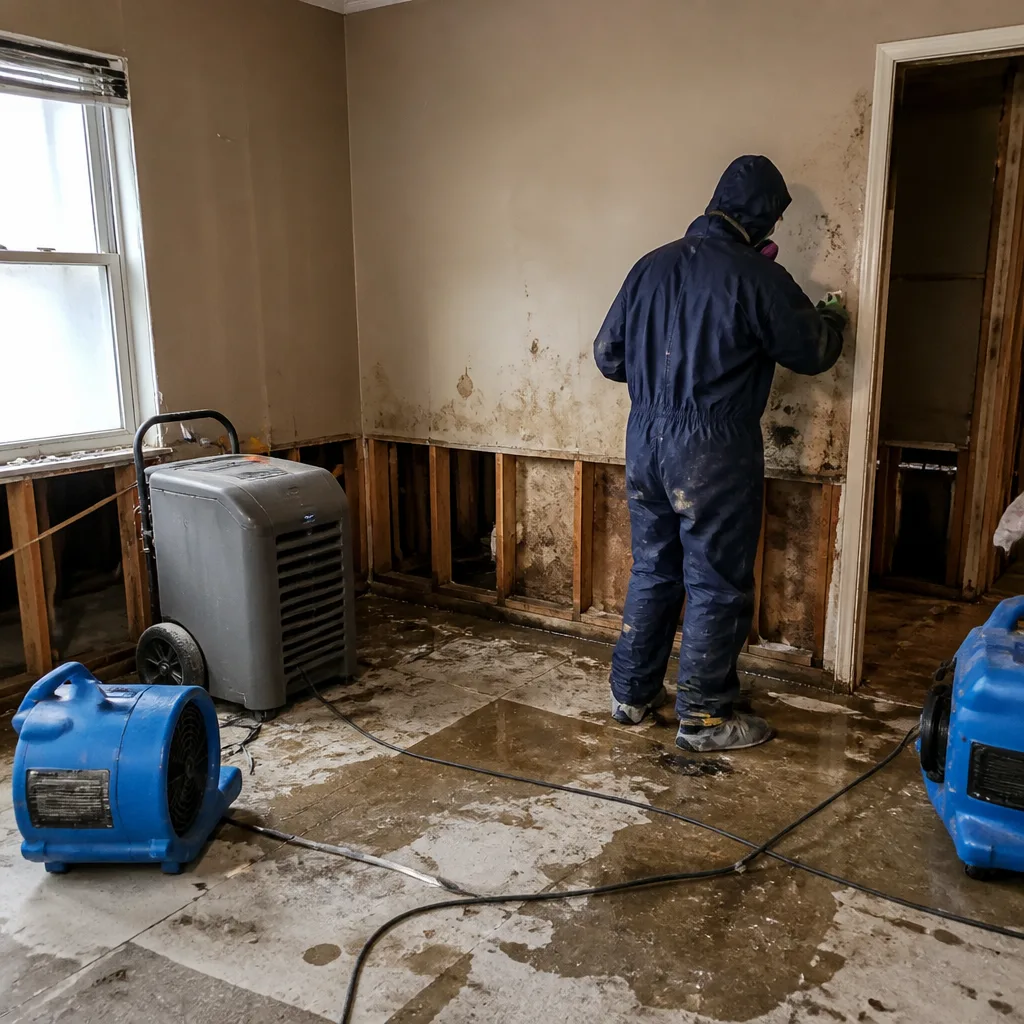 Before
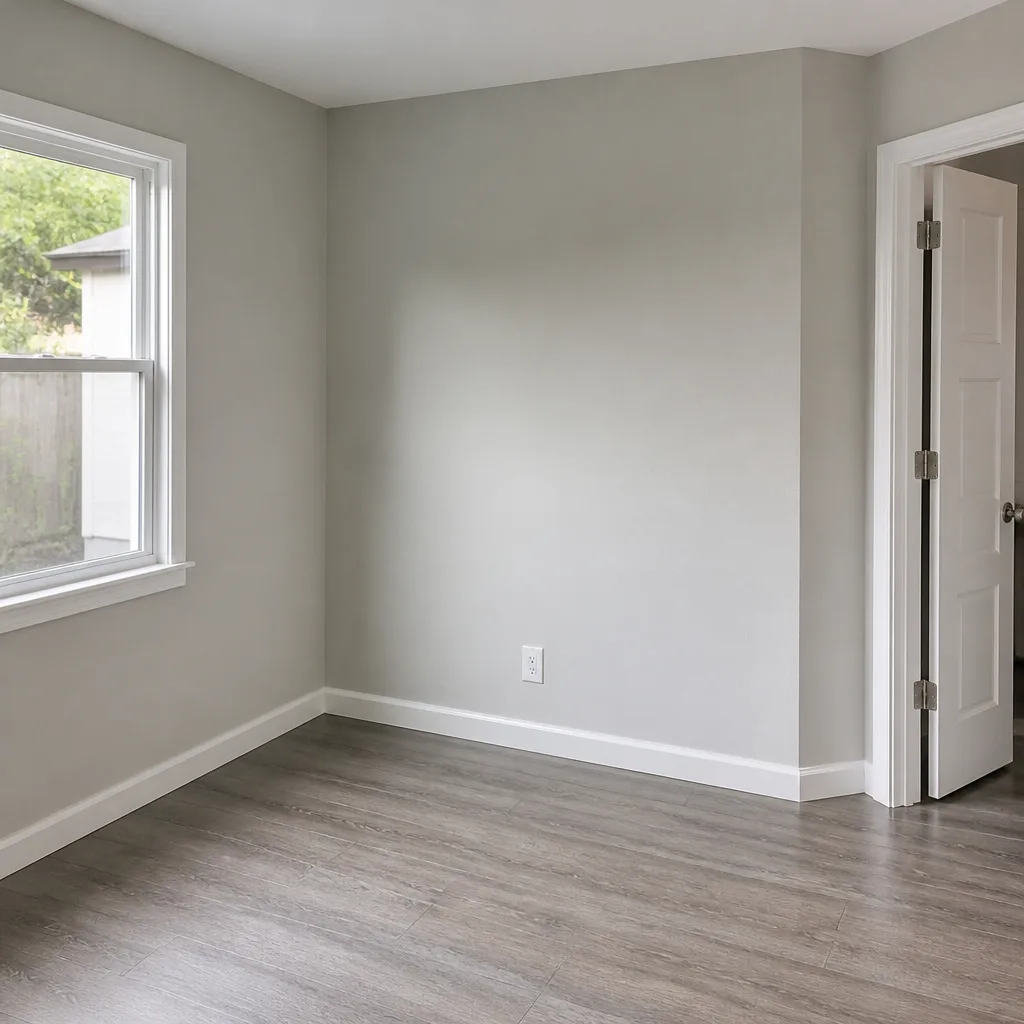 After
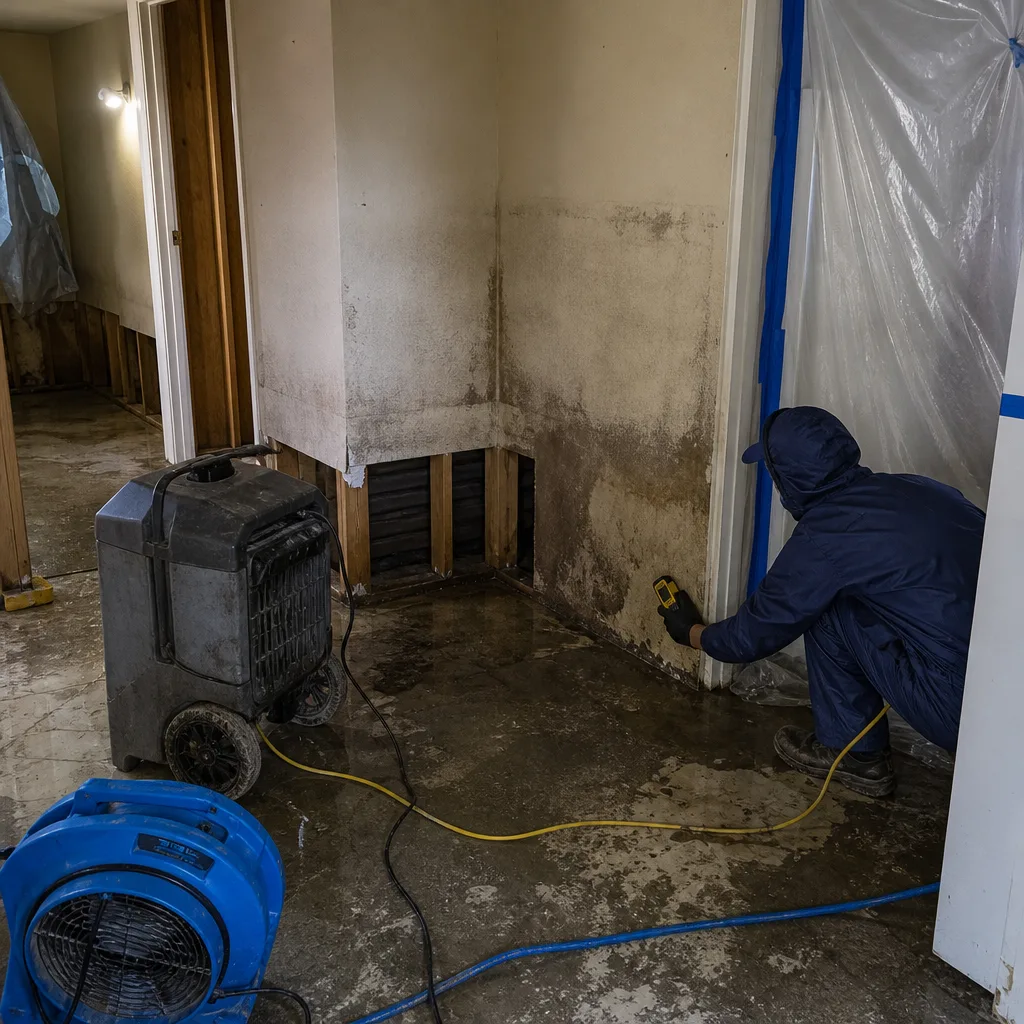 Before
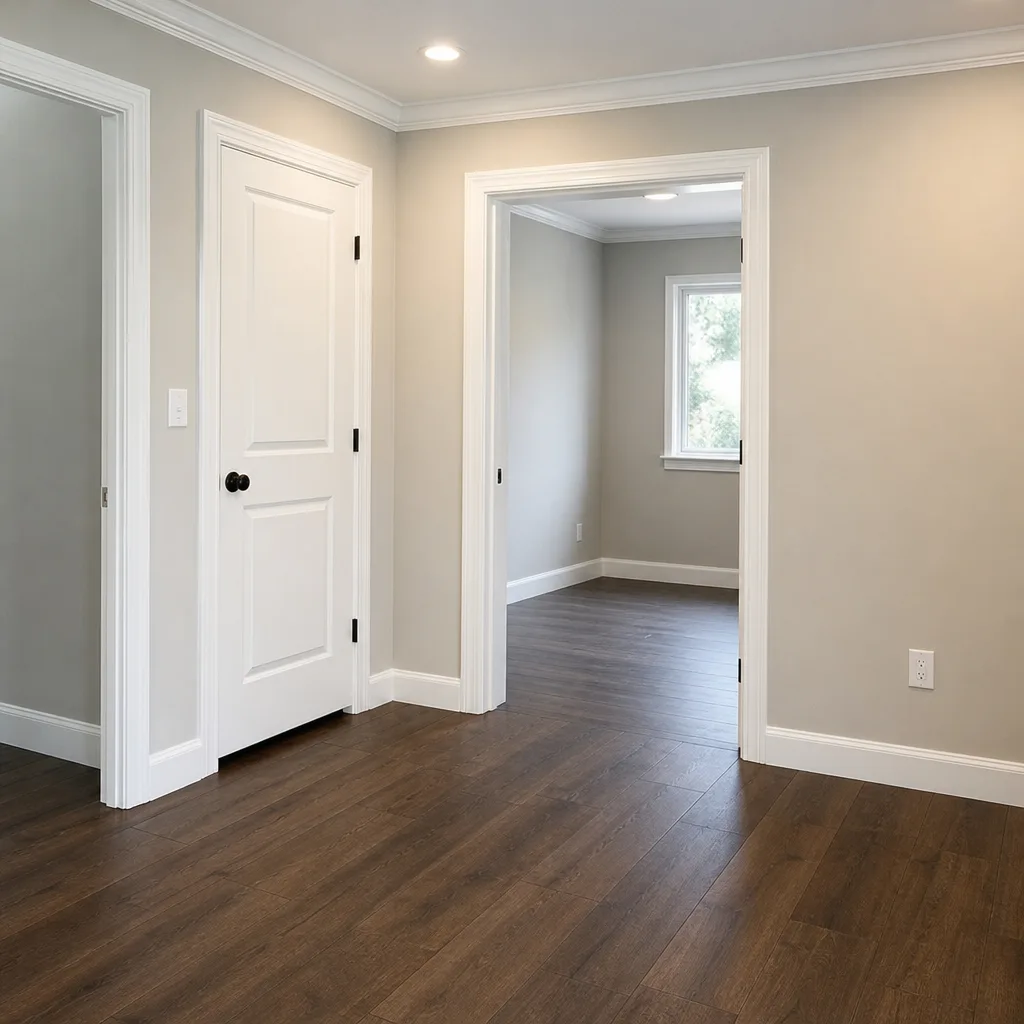 After
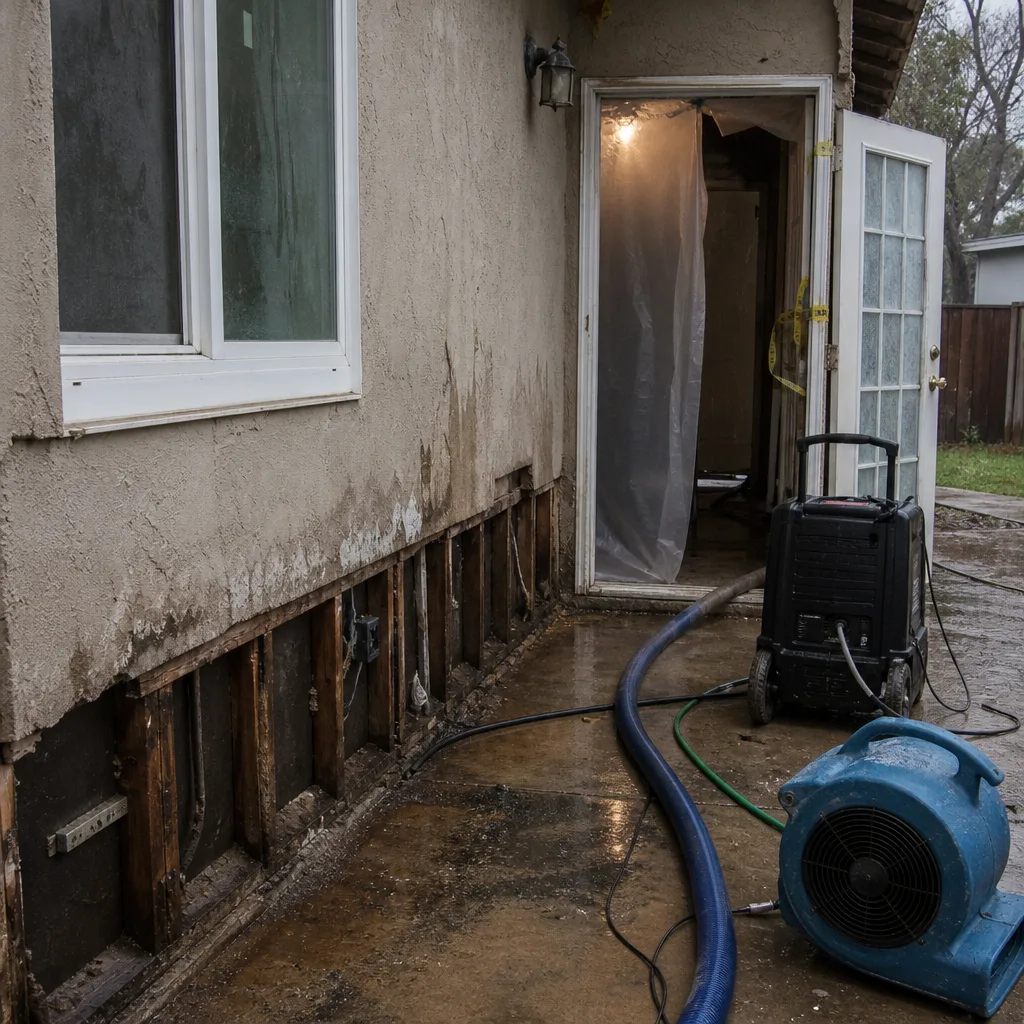 Before
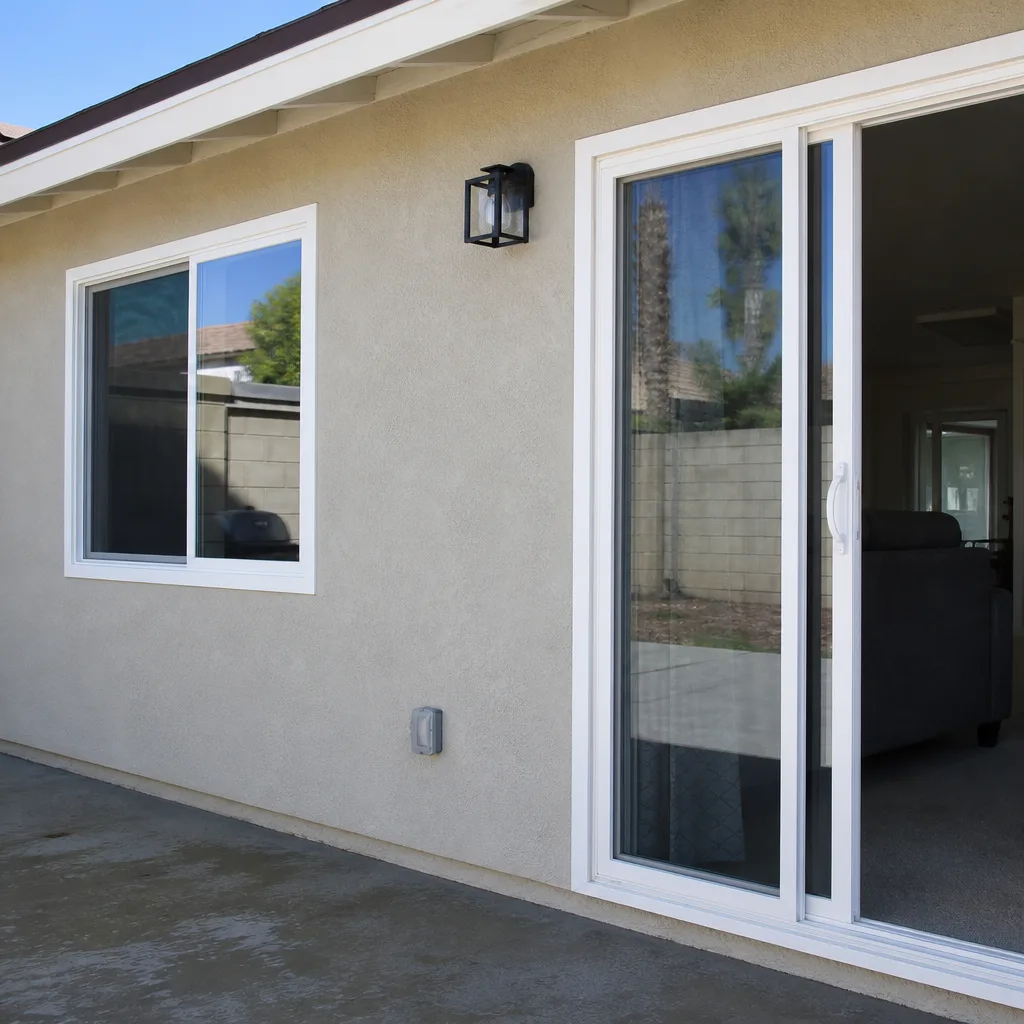 After
Common Water Damage Restoration Problems We See in Brea Homes
- Slope drainage driving water into foundation walls. The expansive clay soils in the 92823 hillsides hold water against below-grade walls long after the rain stops, and without proper exterior drainage correction, the interior drying never fully resolves the problem.
- Slab leaks in postwar tract homes. Brea’s original 1950s-60s homes near the downtown corridor were built with in-slab copper and galvanized supply lines, and when those fail, moisture migrates unseen under flooring for weeks before staining or odor appears.
- Storm-driven roof and flashing leaks at stucco transitions. The tile-and-stucco construction common throughout Brea’s newer hillside development leaves vulnerable transition points where concentrated winter rain finds its way into wall cavities and ceiling spaces.
- Recurring water intrusion after canyon-area fires. Brea’s brushy hillsides experience Santa Ana-driven fire cycles, and the first heavy rain after a burn sends ash-laden runoff toward homes, compounding water damage with smoke and particulate contamination that standard drying alone doesn’t address.
Pricing for Water Damage Restoration in Brea, CA
What you’ll pay in Brea depends on water category, square footage of affected area, and whether drying requires wall-cavity access or containment for contaminated water. Here’s what we typically see across Brea’s 92821, 92822, and 92823 neighborhoods:
- Single room, clean water supply line: $800 to $1,500
- Multi-room flood from storm or appliance failure: $2,200 to $5,800
- Whole-home well intrusion or slab leak with extensive wicking: $4,500 to $9,000
- Post-fire debris flow cleanup with odor remediation: $3,800 to $7,200
Photo documentation, moisture maps, and a written scope are part of every job. We bill insurance directly where applicable and coordinate with your adjuster throughout. Call (877) 358-7678 for a free estimate, and we’ll give you an honest range before any work begins.
We Also Serve Cities Near Brea
Our team handles Water Damage Restoration throughout northern Orange County, including Brea’s immediate neighbors. We work regularly in Placentia, Fullerton, Yorba Linda, and La Habra, and the same IICRC-certified crews that respond to Water Damage Restoration in Brea cover those areas with the same equipment and the same written-scope standard.
Serving Brea, CA — Our Local Coverage Area
We’re based in the Brea area and know this community well. Use the map below to see our service coverage — if you’re nearby, we can almost certainly help.
FAQs About Water Damage Restoration in Brea
Carbon Canyon and other hillside areas in the 92823 zip code sit on expansive clay soils and steep terrain, so water intrusion is often driven by slope drainage and post-wildfire debris flows rather than simple plumbing failures. Those losses require specialized mitigation that addresses both the water and the ash, silt, or contaminated runoff that came with it, and drying strategies have to account for soil that holds moisture against foundation walls long after flatland soils would have drained.
Call (877) 358-7678 to talk through what’s happening at your property, and we’ll tell you honestly whether slope drainage is part of the problem.
Call immediately, because Brea’s clay-heavy soils keep water in contact with your slab and foundation longer than flatland cities, and that means mold risk accelerates faster here after a storm. We recommend a call the same day you notice water, and ideally within 24 hours, because wicking into drywall and flooring compounds the repair cost significantly after that window.
If you’re seeing water now, call (877) 358-7678 and we’ll dispatch a Brea crew to start extraction right away.
Yes, and this is a scenario we run into after Santa Ana fire cycles in the Brea hillsides, when the first heavy rain sends ash-laden mud through canyon homes. Our crews set up containment, run particulate scrubbing, and treat affected surfaces with antimicrobial agents alongside the water extraction and structural drying, so you’re not coordinating two vendors for what is effectively one compounded event.
One of the advantages of working with our team is a single written scope that covers both the fire-related residue and the water damage, which keeps your insurance claim cleaner. Call (877) 358-7678 to get that process started.
Slab leaks from original galvanized and copper supply lines are the most common water damage we see in Brea’s 1950s-60s postwar tract homes, especially in the neighborhoods near the downtown core and Brea Mall-adjacent corridors. Those in-slab lines are past their service life, and soil movement from Brea’s drought-and-rain cycles puts repeated stress on joints and bends until they fail.
If you’ve noticed warm spots on flooring, unexplained water bill increases, or musty odors in a ground-floor room, call (877) 358-7678 and we’ll moisture-map the area to find the source before it spreads further.
We use moisture mapping and document readings daily, with drying protocols adjusted for Brea’s expansive clay soils, which hold water against slabs and below-grade walls differently than sandy or loamy flatland soils. Wall-cavity drying with Injectidry systems is standard for us in these conditions because it pulls moisture from behind surfaces without requiring destructive tear-out, and we verify dry standard with meters, not guesswork.
Every Brea job ends with a documented dry log you can hand to your insurance adjuster. Call (877) 358-7678 for a free estimate and we’ll explain exactly what drying your home will involve.
Written by Noel Armenta, Owner at San Bernardino Restoration Co, serving Brea and surrounding communities with IICRC-certified water, mold, and fire restoration.