
 Water damage drying
 Fire & smoke cleanup
 Mold remediation
 Storm response
 Sewage cleanup
 Reconstruction
Free visual inspection and a written scope of work before any mitigation begins - photos, moisture readings, and drying logs go in your claim file
The scope we write is the scope we bill. Anything new gets shown to you, in writing, before we touch it.
Get your free estimateFast, Reliable Water Damage Restoration Across Banning
Water damage restoration in Banning typically costs $1,800 – $4,600 for a standard Category 1 or 2 event, with emergency extraction starting around $500 – $1,200 and full structural drying running $2,000 – $5,000 depending on how far wind-driven water traveled through the wall cavities. Our IICRC-certified technicians reach most Banning neighborhoods the same day you call, because we know exactly how the San Gorgonio Pass wind regime turns an ordinary rain event into a pressure-driven intrusion problem. Call (877) 358-7678 now and we’ll walk you through the first 60 minutes, whether you’re in the historic downtown grid or up against the mountain-edge subdivisions near the 10.
Why San Bernardino Restoration Co Is Banning’s Preferred Water Damage Restoration Company
Banning homeowners face a damage profile that has almost nothing in common with wind-sheltered cities like Redlands or Beaumont. The same Santa Ana corridor that scours the Pass every fall and winter pushes rain through stucco cracks, window perimeters, and door seals that would never leak in still air. Our team has walked enough Banning properties, from 1950s tract homes off Ramsey Street to 1990s subdivisions north of the 10, to know that the visible ceiling stain is usually the exit point, not the entry point. The actual intrusion happens on the windward wall, often feet away.
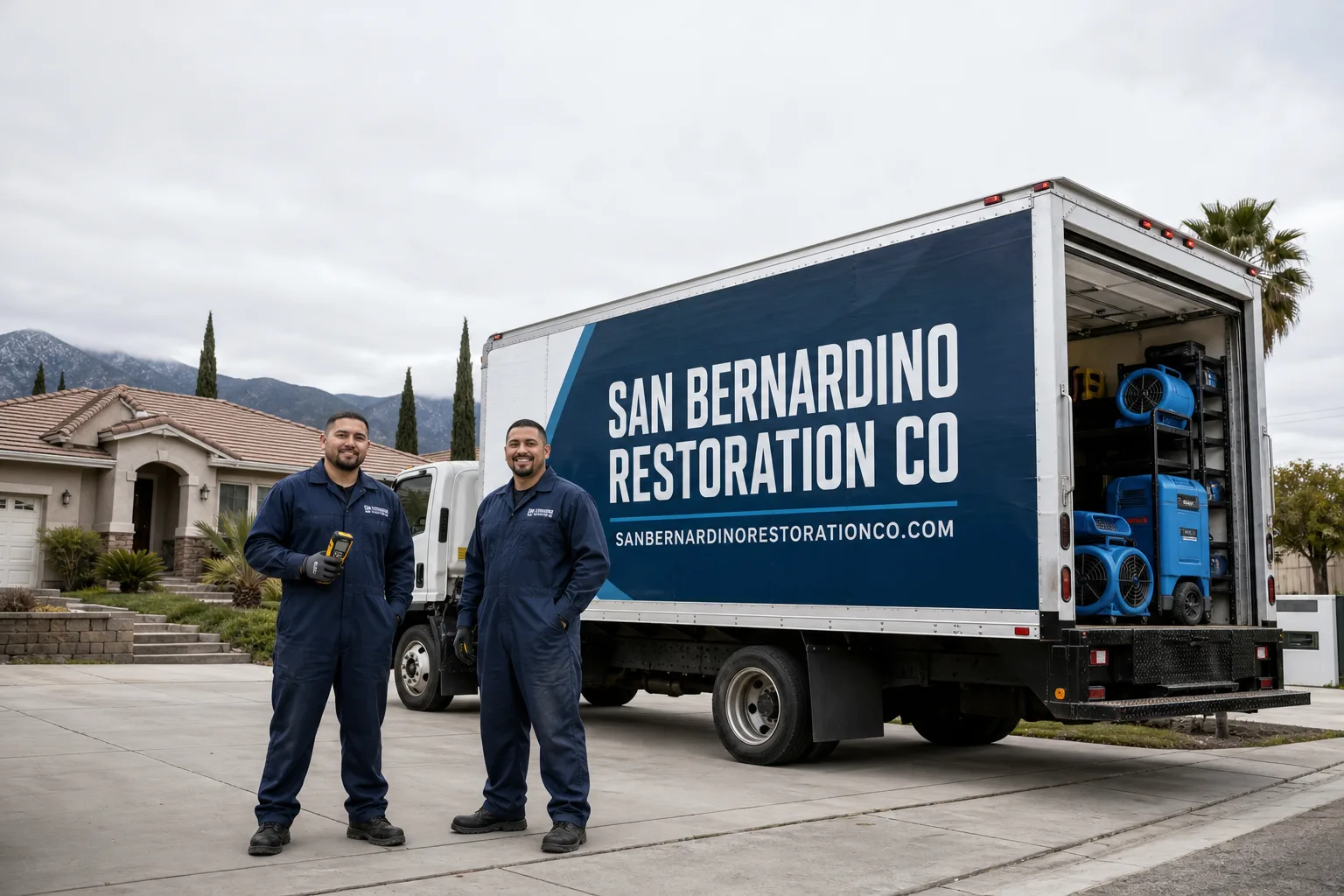
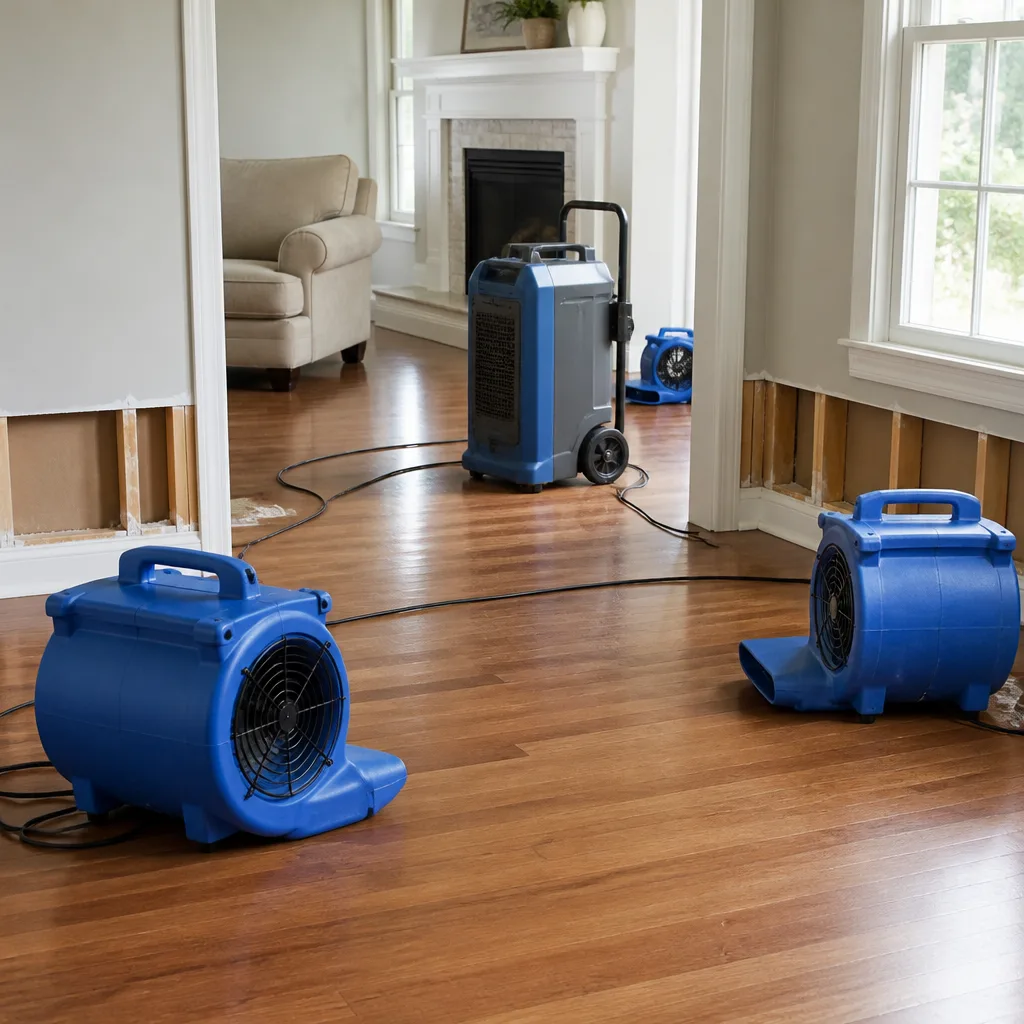
Noel Armenta built San Bernardino Restoration Co around a simple operating rule: moisture readings decide the scope, not guesswork. Every tech carries Dri-Eaz and Phoenix dehumidifiers, XPOWER and B-Air air movers, and our Injectidry wall-cavity drying systems into Banning homes because that’s what it takes to dry a structure the Pass has soaked. We’re not a generalist handyman service that rents a carpet fan and hopes for the best. We’re IICRC-certified, we’re RIA members, and our documentation is built to stand up to an insurance adjuster’s scrutiny.
We also understand what it’s like to wait for help when the wind is still howling and the water is still moving. That’s why our Banning response is structured around speed on the mitigation side, drying logs that prove the work was done, and a written scope of work before any equipment gets placed. Nobody in Banning should have to wonder whether the job was actually finished or just made to look finished.
Restoration work we handle
Water Damage Repair in Banning
Water Damage Repair in Banning often starts where the insurance paperwork ends: reconstructing the surfaces our drying team saved and replacing what the wind-driven storm soaked beyond salvage. When pressure-driven rain forced its way past original windows or through cracked stucco on the windward side of a mid-century home, the repair scope usually includes baseboard removal, drywall replacement below the sill line, insulation swap-out, and trim restoration matched to the era of the house. A typical Banning repair after a contained window intrusion runs $1,200 – $3,500; a windward wall with saturated framing and Category 2 water in the insulation can push $4,000 – $7,500 by the time everything is rebuilt and painted. What separates a real repair from a surface patch job is whether the cavity was actually dried to target before the new drywall went up. We will not hang new material over wet framing.
Windward Wall and Sill Reconstruction
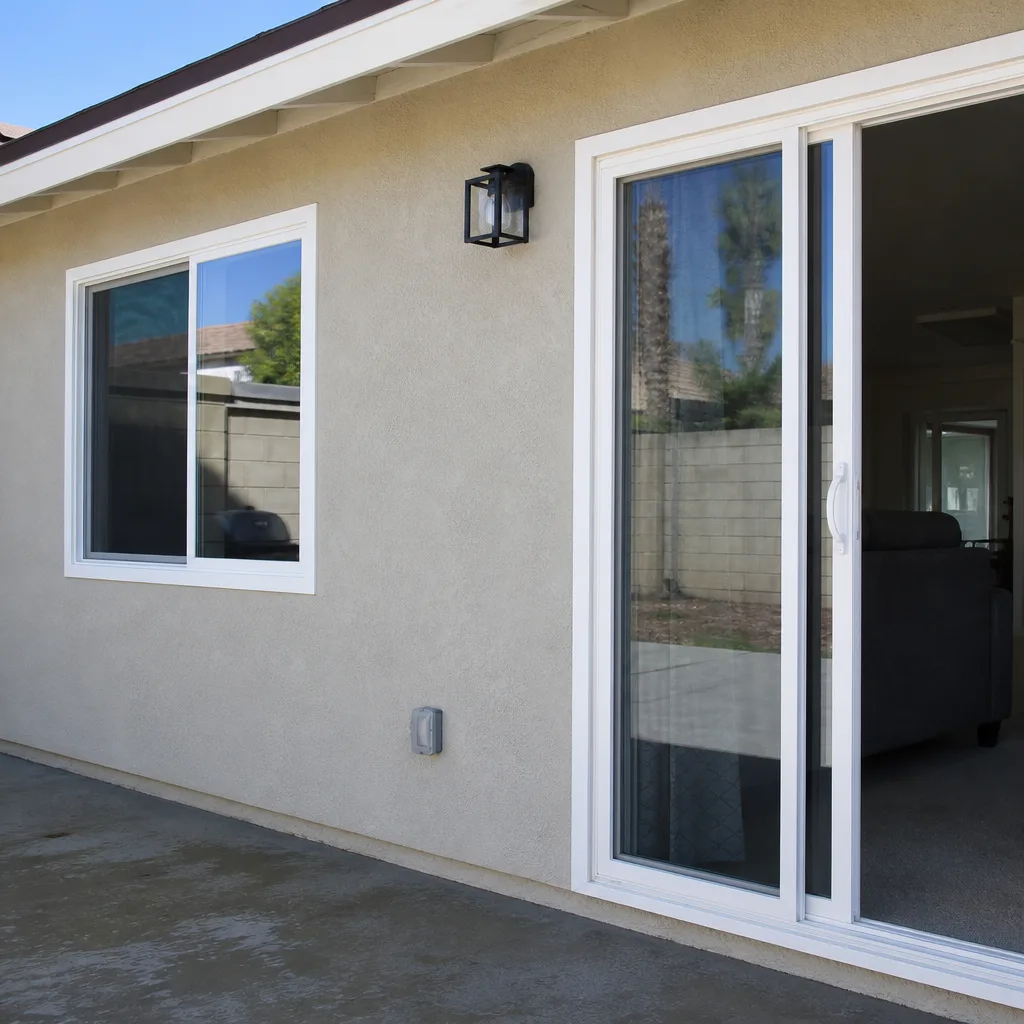
In older Banning homes, the failure point is almost always the window perimeter. Original steel or aluminum frames, dried-out glazing, and stucco that has been sand-blasted by forty years of Pass winds create gaps that a normal rain event exploits. We repair the intrusion path itself, not just the stained drywall below it: resealing the frame to the rough opening, addressing the exterior stucco crack, and replacing the saturated interior surfaces with materials rated for the exposure. The goal is to keep the next wind-driven rain from finding the same entry point.
Slab-On-Grade Baseboard and Insulation Replacement
Many Banning tract homes built between the 1950s and 1970s sit on slab foundations, which means water that gets behind the baseboard has nowhere to drain. It wicks upward into drywall, sideways into insulation, and sits there. We cut at the flood line, not the stain line, pull the wet insulation, and run our moisture meters until the framing reads dry before any rebuild starts. A wind event here can hide intrusion behind baseboards for a week before the first visible stain appears.
Water Mitigation in Banning
Water Mitigation in Banning is a storm response discipline, not a routine drying job. The moment a winter storm pushes through the Pass, our phones light up with homes where wind-driven rain found every micro-gap in the stucco, every dried-out window seal, every door sweep that hasn’t been replaced since the house was built. Mitigation means stopping the water at the source, extracting what’s already inside, and getting commercial-grade air movement and dehumidification running inside the wall cavities before mold has a chance to start. In Banning, a Category 1 clean-water intrusion caught within the first 24 hours typically runs $800 – $2,200 for extraction, drying, and monitoring. If the water sat through a weekend or wicking has reached the framing, the scope expands and $3,000 – $5,500 is the realistic range. The earlier we start, the smaller the final number.
Pressure-Driven Rain and Wall Cavity Drying
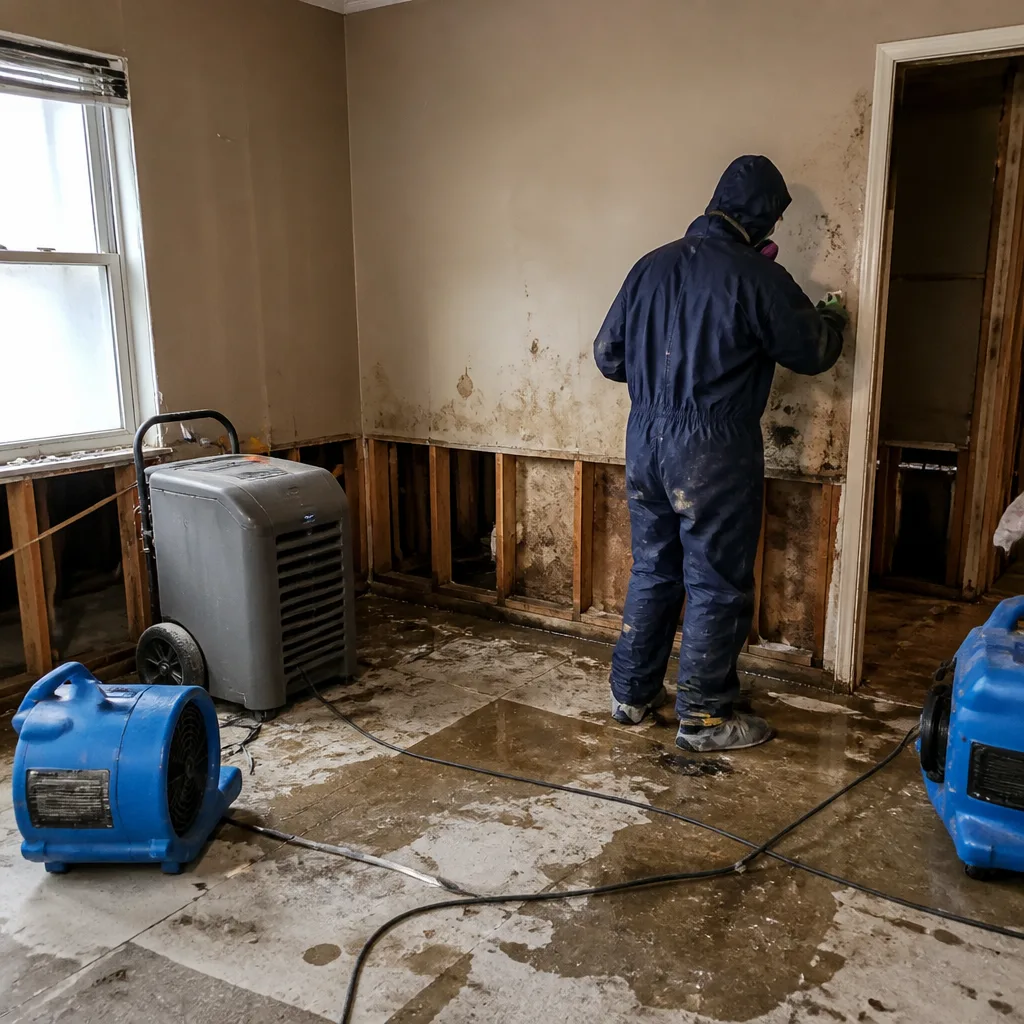
The wind changes the whole mitigation playbook. On a sheltered home, you find the roof leak, patch it, dry the ceiling, done. On a windward Banning wall, water has been pushed horizontally through the stucco, into the wall cavity, behind the insulation, and down to the sill plate. We map the moisture with non-invasive meters first, mark the wet perimeter on the wall, and only then cut access. Injectidry systems get placed directly into the cavity so the drying air moves through the same path the water took, which is exactly the opposite of how a floor-fan approach works.
Documented Drying and Moisture Mapping
Banning’s dry desert air is deceiving. A wall surface can feel bone dry within six hours while the framing inside still holds 22% moisture. We do not trust touch. We take daily moisture readings, log them against the drying plan, and keep running equipment until the structural targets hit the IICRC standard, not until the drywall feels dry to the homeowner. That documentation is also what your adjuster will want to see when the claim is reviewed.
Trusted Brands We Service in Banning
We run Phoenix and Dri-Eaz dehumidifiers, XPOWER and B-Air air movers, and Injectidry cavity drying systems on every Banning job that calls for them, because consumer-grade rentals simply cannot move enough air or pull enough water to dry a wind-soaked wall cavity. We keep a substantial inventory of replacement parts and consumables in our local fleet, which means a Banning job doesn’t stall because a dehumidifier went down on a Sunday afternoon. If your home already has remediation equipment on site from another company, we service most professional brands and can take over the scope without starting from scratch. The machine matters, but the certification and the drying log matter more.
See the difference
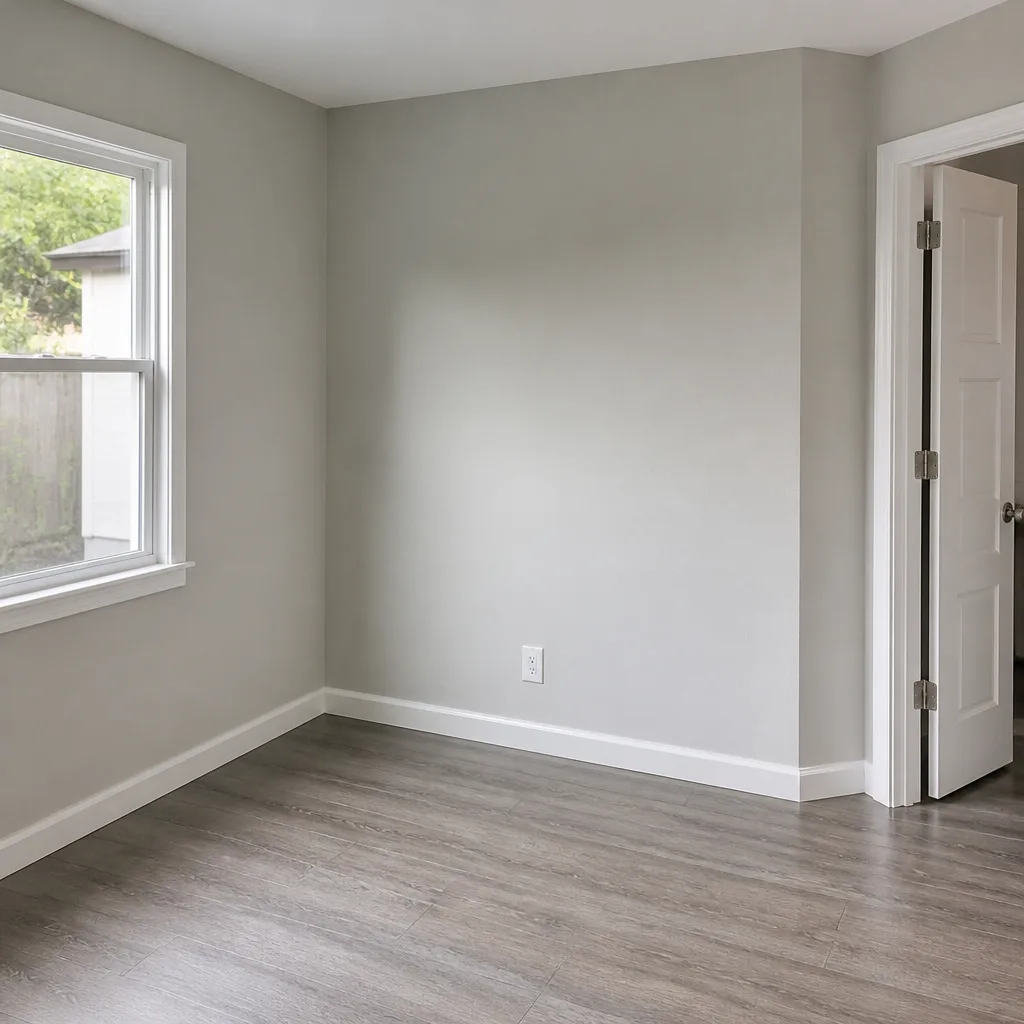
 Before
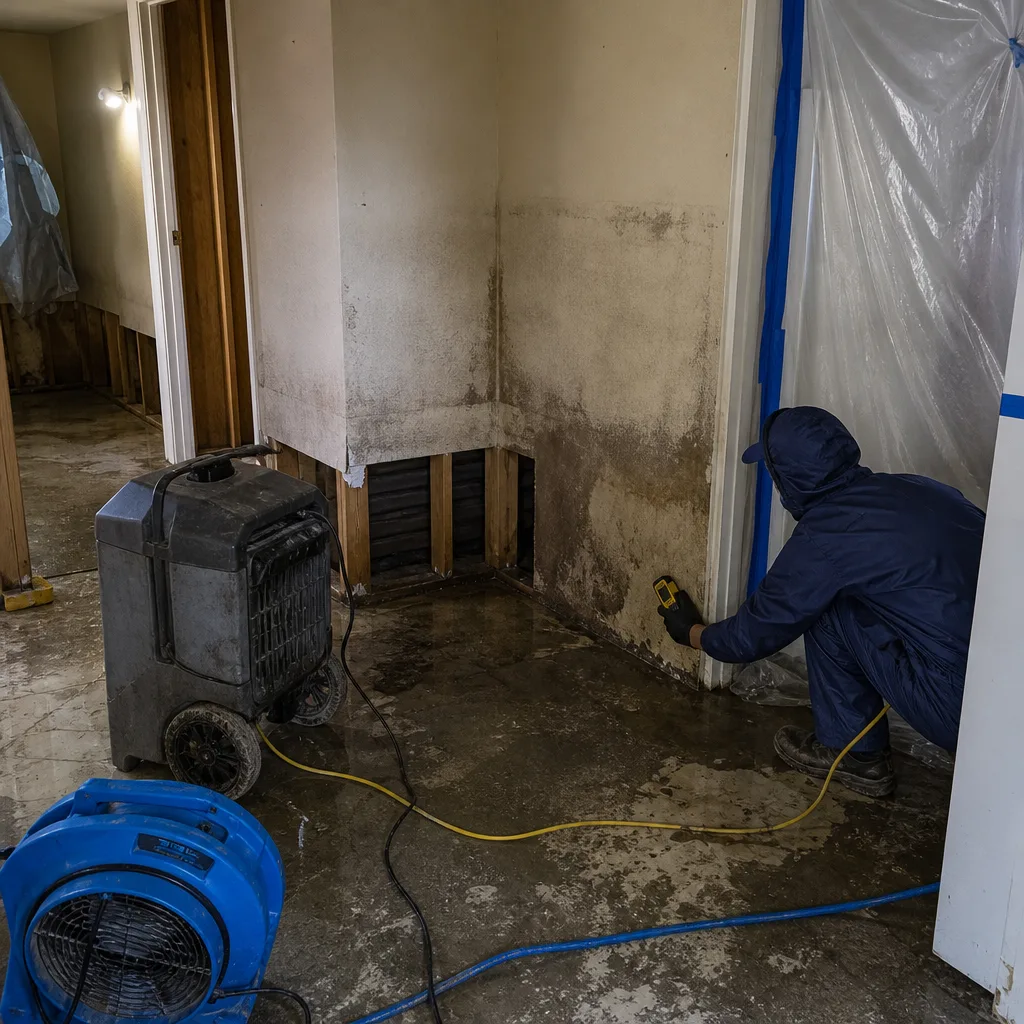
 After
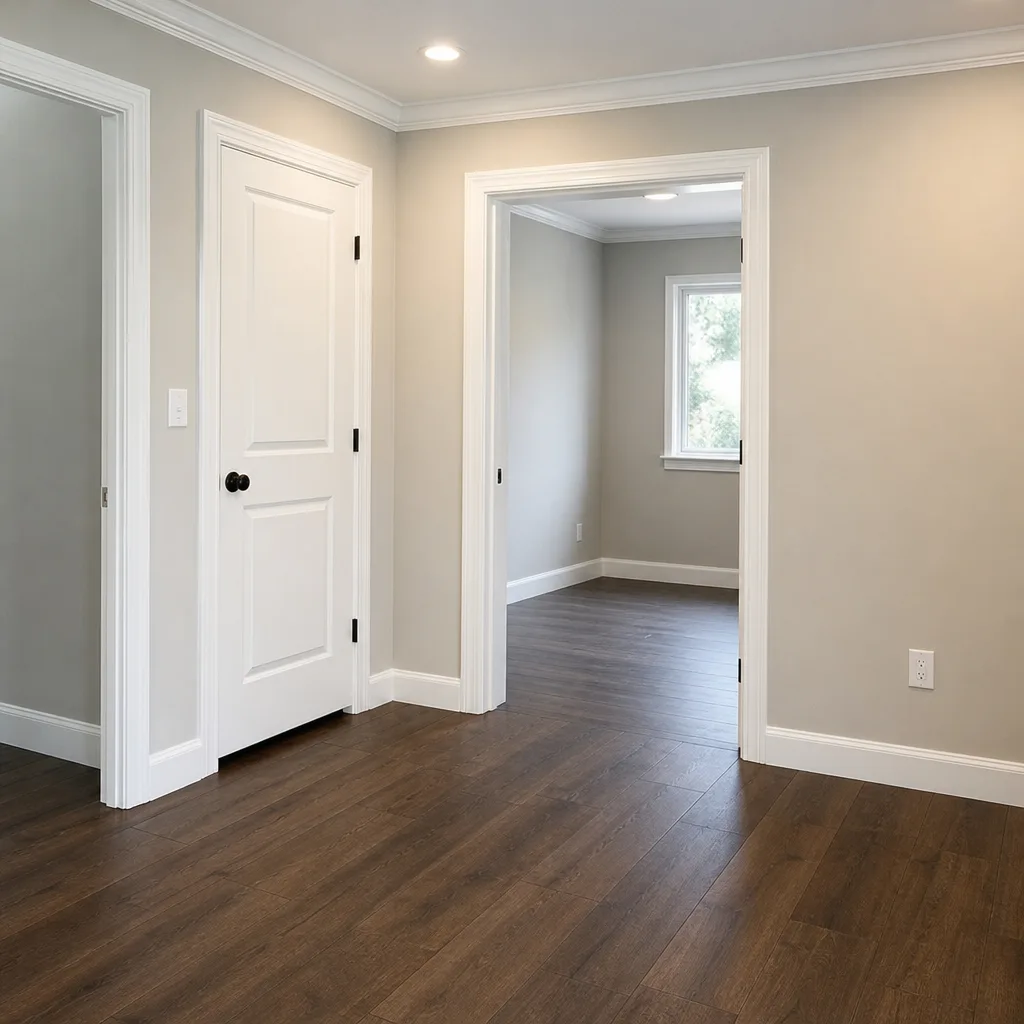
 Before
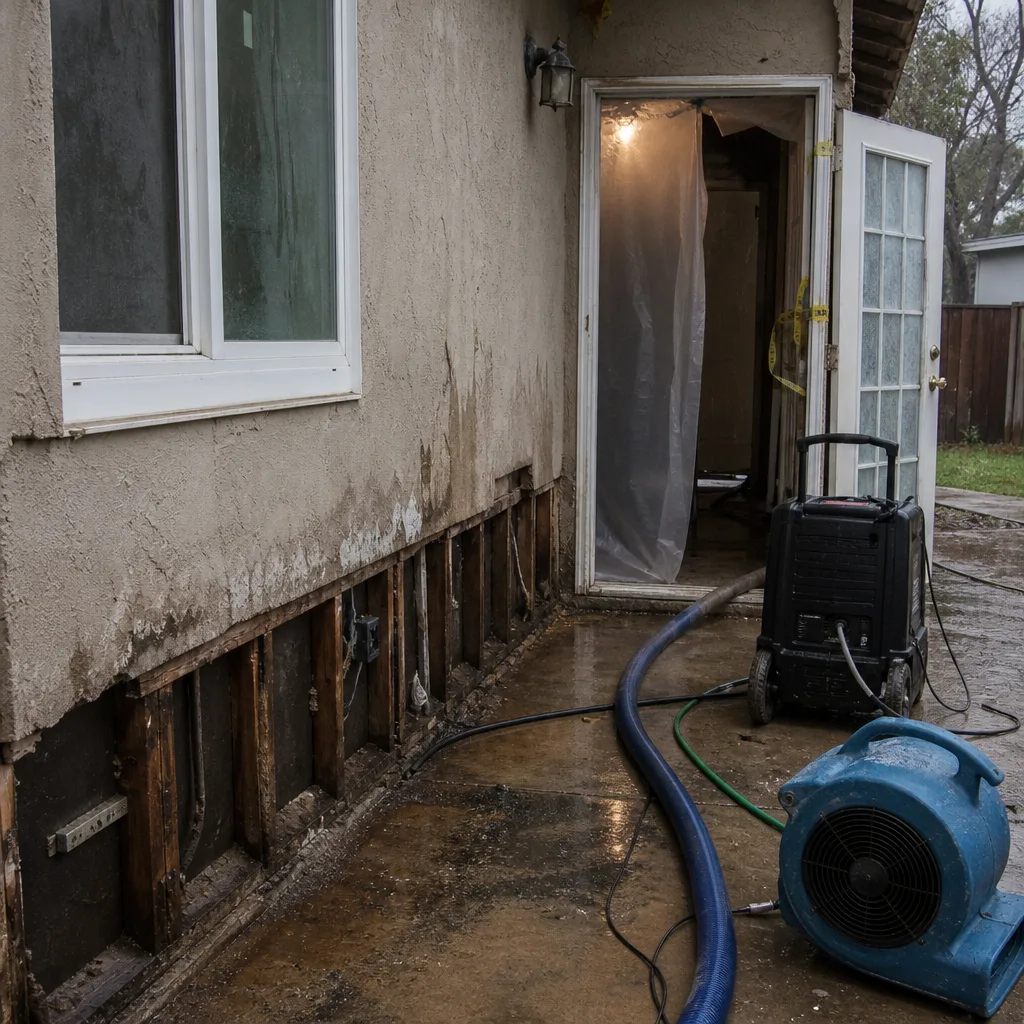
 After
 Before
 After
Common Water Damage Restoration Problems We See in Banning Homes
- Windward wall intrusions that look like roof leaks. A ceiling stain near the exterior wall on the windward side is usually pressure-driven rain that came through the stucco above and traveled down. Roof patching alone doesn’t fix it; the wall cavity has to be addressed.
- Surfaces that feel dry while the cavity is still wet. Banning’s semi-arid air masks moisture in framing and insulation. Without moisture mapping and daily readings, a crew can leave Category 2 water in the wall and call the job done.
- Original windows and slab-on-grade construction hiding standing water. Older downtown-area homes and mid-century tracts hide intrusion behind baseboards and under window sills. By the time the stain shows, 48 hours has passed and microbial growth has begun.
- Dust and ash intrusion mixed with water damage. During Santa Ana events, fine desert dust and wildfire ash get forced through the same gaps as the rain, creating a slurry that contaminates wall cavities. The drying scope has to address particulate load as well as moisture.
Pricing for Water Damage Restoration in Banning, CA
Emergency water extraction in Banning runs $500 – $1,200 for a typical single-room intrusion. Structural drying with professional-grade equipment, daily monitoring, and drying logs lands between $2,000 and $5,000 depending on how many rooms, how deep the water traveled, and how long it sat. Full water damage repair including drywall, insulation, baseboard, and paint typically runs $1,800 – $7,500, with windward wall rebuilds at the higher end. What moves the number is not the square footage alone. It’s whether the intrusion happened on the windward side, whether the water category requires antimicrobial treatment, and whether pack-out of contents was needed to get the cavity dry. We give you a written scope of work before any equipment gets placed, and the estimate we quote is the number we work from, not a starting point for upsells. Call (877) 358-7678 and we’ll walk the property, map the moisture, and put the number on paper.
We Also Serve Cities Near Banning
If you’re in Banning and need us, we’re already local. We also run full-service Water Damage Restoration response into Cabazon, Calimesa, Yucaipa, and Valle Vista. The Pass wind regime doesn’t stop at the city line, and neither do we.
Serving Banning, CA — Our Local Coverage Area
We’re based in the Banning area and know this community well. Use the map below to see our service coverage — if you’re nearby, we can almost certainly help.
FAQs About Water Damage Restoration in Banning
Wind in the San Gorgonio Pass pushes rain horizontally through structural gaps, such as dried stucco cracks, original window perimeters, and door seals, that would never admit water in a wind-sheltered city. That pressure-driven intrusion saturates wall cavities on the windward side, not just the visible ceiling stain, so the drying scope has to chase water hidden inside framing and insulation. Nearby cities like Beaumont or Redlands occasionally see this on exposed ridgelines; in Banning, it’s the norm. Call (877) 358-7678 for a windward-wall moisture assessment before the cavity grows mold.
Drying should start within 24 to 48 hours of the intrusion to prevent Category 2 water from wicking into insulation and kicking off microbial growth. In Banning’s dry air, surfaces often feel dry within hours, but the framing inside the wall may still read above 20% moisture and keep wicking. Every day of delay expands the drying scope and the repair bill. Call us the same day you see the stain or notice wet drywall; we’ll map the moisture and get air movers and dehumidifiers running that afternoon.
Most wind-driven storm water in Banning starts as Category 1, clean rainwater, but it picks up dust, ash, and whatever is in the wall cavity as it travels, so we treat it as Category 2 when it has been sitting or when wind-blown particulate is present. A burst supply line under a sink is typically Category 1 throughout. Sewage or floodwater from outside would be Category 3 and requires full containment and antimicrobial protocols. We test and document the category before drafting the scope of work; call (877) 358-7678 if you’re not sure what you’re looking at.
Often, yes. Mid-century homes on slab foundations hide water behind baseboards and under window sills, so contents and lower-cabinet items need to come out to dry the cavities properly. Moving furniture and removing area rugs is usually enough on a single-room job, but a full windward-wall intrusion may require removing drywall up to the flood line and packing out the affected room. We document every item moved and photograph everything for your adjuster, because an incomplete pack-out is one of the most common reasons a Banning claim gets disputed.
The scope of work includes a written moisture map, extraction plan, equipment schedule, drying targets, daily monitoring logs, and a recommended repair list if structural materials need replacement. Nothing is started by verbal agreement. Before equipment goes in, you get the full scope in writing so you can see exactly what we’re doing, why it’s needed, and what each line item costs. Call (877) 358-7678 to schedule a walkthrough and get your scope in hand before the next wind event.
Written by Noel Armenta, Owner at San Bernardino Restoration Co, serving Banning and the San Gorgonio Pass since day one.