Last updated October 30, 2026
 Water damage drying
 Fire & smoke cleanup
 Mold remediation
 Storm response
 Sewage cleanup
 Reconstruction
Free visual inspection and a written scope of work before any mitigation begins - photos, moisture readings, and drying logs go in your claim file
The scope we write is the scope we bill. Anything new gets shown to you, in writing, before we touch it.
Get your free estimateThe Complete Water Damage Restoration Guide for San Bernardino Homeowners
Every year, hundreds of San Bernardino homes suffer water damage that looks minor on the surface but has already compromised structural materials behind stucco walls and under concrete slabs. The inland Southern California climate doesn’t just dry things out. It creates a false sense of security. Surface materials feel dry to the touch while hidden cavities hold moisture at 90°F plus, feeding mold colonies that double in size every 24 to 48 hours. This guide walks you through what actually happens during our Water Damage Restoration services in this specific climate, how certified professionals find moisture that homeowners can’t see, and the documentation trail your insurance company expects. If you’re standing in a flooded laundry room right now, the Quick Answer below is where you start.
Quick Answer
Water damage restoration in San Bernardino involves emergency extraction of standing water, professional structural drying with commercial equipment, antimicrobial treatment where needed, and documentation of moisture readings throughout the process. Certified technicians follow the IICRC S500 standard to classify water contamination level, map moisture migration, and verify that affected materials actually reach a dry standard before work stops. In this climate, standard 3-day drying timelines often fail because extreme heat drives moisture deeper into stucco and concrete instead of evaporating it out.
Restoration work we handle
Table of Contents
- Understanding Water Categories: Why the Source Matters
- Why San Bernardino’s Climate Changes the Drying Equation
- Stucco, Concrete Slabs, and Hidden Moisture
- The IICRC S500 Standard in Plain Language
- The Extraction and Drying Process: Step by Step
- Insurance Documentation: What Your Adjuster Needs
- DIY Cleanup vs. Professional Restoration: Where the Line Is
- Common Mistakes to Avoid
Understanding Water Categories: Why the Source Matters
Before any restoration work begins, a certified technician classifies the water based on its source and contamination level. This isn’t bureaucratic paperwork. The classification determines what gets torn out, what can be saved, and whether occupants need to leave the home during mitigation. The IICRC S500 standard defines three water categories, and misclassifying them is one of the most common and dangerous mistakes we see in San Bernardino homes.
Category 1 water comes from a clean source. A supply line rupture under a bathroom sink, an overflowing bathtub with no detergents, a failed water heater connection. This water is initially safe, but its clock starts the moment it leaves the pipe. After 48 hours, Category 1 water degrades to Category 2 as bacteria multiply. After 72 hours, it’s often Category 3 territory.
Category 2 water, often called gray water, carries significant contamination. Dishwasher discharge, washing machine overflow, toilet bowl overflow with urine but no feces, or aquarium leaks. This water contains microorganisms and can cause illness if ingested or if it contacts broken skin. Anyone cleaning Category 2 water should wear gloves and eye protection at minimum.
Category 3 water is grossly contaminated, sometimes called black water. This includes sewage backups, storm water that has mixed with soil, river or canal overflow, or any standing water that’s had time to cultivate bacterial growth. Category 3 water requires full protective equipment during extraction. Materials that absorb Category 3 water, like carpet, pad, and most drywall, are typically removed and discarded rather than dried in place.
In San Bernardino, a specific classification problem arises with older sewer laterals and root intrusion in aging clay pipes. A sewage backup that starts under a house in a 1960s-era neighborhood off Baseline Street isn’t just wet, it’s biologically active. Calling it anything less than Category 3 creates a health risk and gives an insurance adjuster grounds to question the entire scope of work. Our technicians test and document the water category before extraction begins. That classification goes into the written scope of work, which protects you when questions come up later.
Why San Bernardino’s Climate Changes the Drying Equation
Most water damage restoration guides are written for humid climates like the Pacific Northwest or the Gulf Coast, where the goal is removing moisture from saturated air. San Bernardino presents the opposite challenge. Our inland desert-adjacent climate is dry most of the year, which seems like it should make drying faster. It doesn’t work that way.
During summer months, San Bernardino regularly sees daytime temperatures above 95°F, with attic spaces reaching 120°F or hotter. When water saturates a wall cavity and the exterior wall faces afternoon sun, the heat drives moisture deeper into structural wood and toward the cooler interior surfaces instead of evaporating it outward. The visible surface dries quickly. The core of the wall stud stays wet. That’s the false dry condition that leads to warped framing, paint failure, and mold growth months after the water event.
Winter brings a different problem. Cold nights drop interior surface temperatures low enough that condensation forms on exterior walls, especially in older San Bernardino homes with minimal insulation. A slow plumbing leak behind a north-facing wall one November night won’t dry at all. It stays at dew point for weeks, saturating drywall at low levels that don’t produce visible stains until the damage is extensive.
The standard 3-day drying estimate used by many restoration companies assumes a controlled environment around 70°F with balanced humidity. That assumption doesn’t hold in a San Bernardino summer, when the indoor environment swings 20 degrees or more between day and night. Certified restoration professionals calculate drying time based on psychrometrics, the science of how temperature, humidity, and dew point interact. We monitor actual moisture removal rates daily and adjust equipment placement based on readings, not on a calendar. That’s why a home in the Del Rosa neighborhood might need five or six days of drying in August, while the same scope of damage in January might dry in four.
Stucco, Concrete Slabs, and Hidden Moisture
San Bernardino’s housing stock is dominated by stucco exteriors and concrete slab foundations, a building typology that generic restoration guides rarely address. These materials behave fundamentally differently from the wood-frame construction with crawl spaces that dominates coastal California and the Pacific Northwest. Water doesn’t drain through a concrete slab. It sits on top of it, wicks into drywall from below, and migrates sideways through the wall cavity until it finds a path of least resistance.
Stucco presents a specific challenge. It’s permeable enough to absorb wind-driven rain during storms, especially in older homes where the stucco coat has developed hairline cracks. But it’s dense enough to slow evaporation significantly. A wall that looks dry on the exterior stucco surface can be holding 15 to 20 percent moisture content in the wood framing behind it. Left unaddressed, that moisture eventually breaks down the lath that holds the stucco in place, causing the exterior coat to delaminate and fall away in sheets.
Finding moisture inside stucco and concrete requires penetrating moisture meters, not the surface-sensor meters sold at hardware stores. A penetrating meter sends a radio frequency signal deep into materials and reads moisture at depth. Surface sensors only detect moisture at the point of contact, which is useless when water is trapped behind a stucco coat or under a vinyl floor over concrete. We use penetrating meters to map moisture migration across entire rooms, marking stud locations and reading moisture at multiple depths before determining where drying equipment gets placed.
Concrete slab foundations create another complication. When water penetrates under flooring installed over slab, especially vinyl plank or laminate, the moisture has nowhere to drain. It sits between the floor covering and the slab, creating a humid micro-environment that promotes mold growth in the adhesive layer. The only way to dry this condition is to remove the flooring, expose the slab, and use specialized drying mats or Injectidry panels that pull moisture out of the concrete itself. This is the exact scenario where a handyman with a shop vac fails completely. The surface looks dry. Below the flooring, the damage continues to spread.
The IICRC S500 Standard in Plain Language
The restoration industry has a specific technical standard for water damage work: the IICRC S500 Standard and Reference Guide for Professional Water Damage Restoration. You don’t need to read the manual, but understanding what it represents helps you evaluate any contractor who shows up after a water emergency.
An IICRC-certified restoration technician has undergone formal training and testing on exactly how water moves through buildings, how to measure moisture, how to calculate drying loads, and how to verify that structures actually reach a dry standard. This isn’t a weekend seminar. It’s a credential that requires passing rigorous examinations and maintaining continuing education credits. When you hire a certified professional, you’re hiring someone who follows a documented scientific process rather than guesswork.
The S500 standard establishes several non-negotiable principles:
- Initial assessment and documentation: Before any extraction begins, the technician records affected materials, water category, and initial moisture readings. This baseline matters for insurance claims.
- Containment: Affected areas are isolated to prevent cross-contamination to unaffected rooms.
- Extraction first: Standing water is removed before drying begins. Extraction removes water 500 times faster than dehumidification alone.
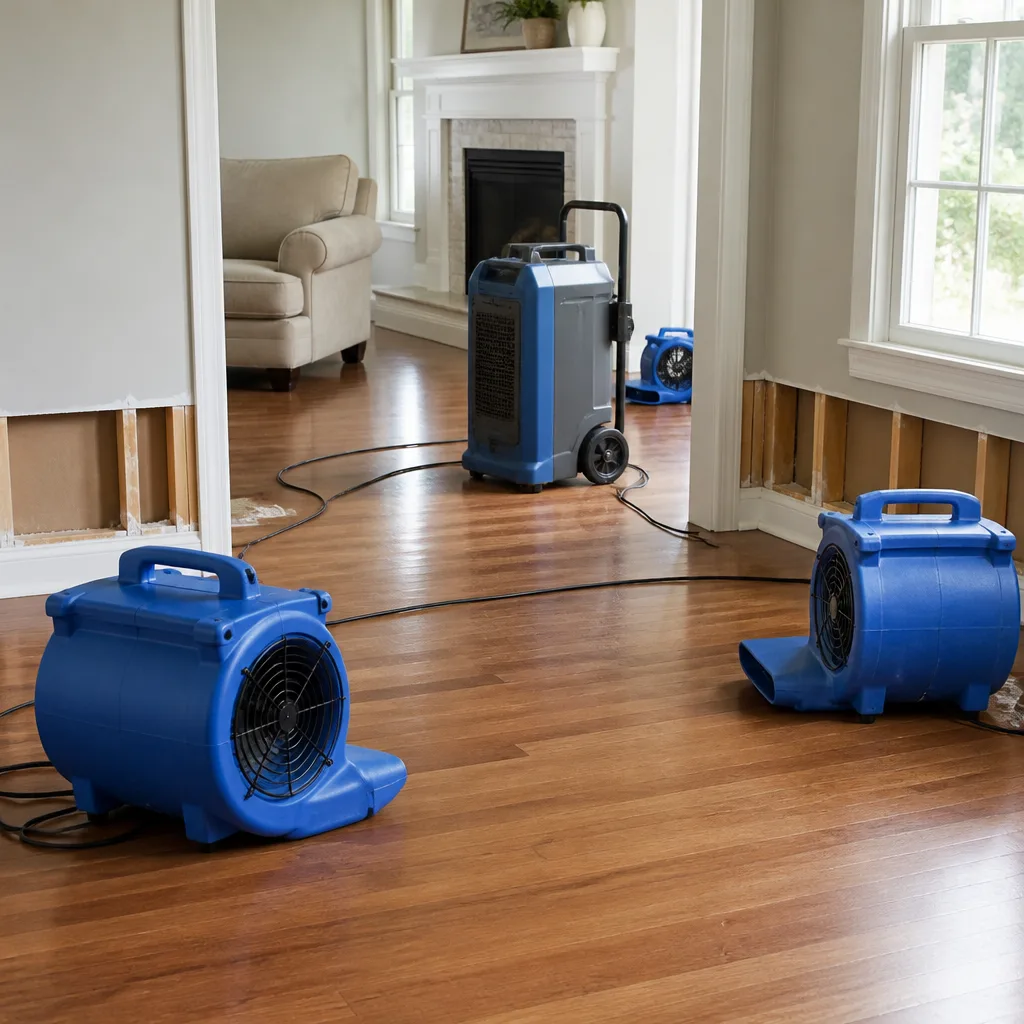
- Evaporation management: Air movers increase evaporation from saturated materials. Dehumidifiers remove evaporated moisture from the air.
- Temperature control: Drying goes faster in warm environments, but only when humidity is controlled. Heat without dehumidification just moves moisture around.
- Monitoring and documentation: Daily moisture readings track progress. The standard requires reaching a specific dry standard, not simply running equipment for a set number of days.
- Final verification: When moisture readings reach acceptable levels, equipment is removed and the space is cleared for repair.
Compare that to what a handyman with a rental dehumidifier does on a water emergency. No initial assessment. No water classification. No daily moisture readings. The equipment runs for three days on a timer, then it goes back to the rental yard. There’s no verification that anything actually dried. The visual difference is invisible for months. When the mold appears or the floor buckles, the handyman is long gone. That’s the core difference between restoration and cleanup.
If you’re looking for a professionally certified team to handle water damage the right way, Water Damage Restoration in San Bernardino by our IICRC-certified crew is available 24/7.
The Extraction and Drying Process: Step by Step
Professional water damage restoration follows a defined sequence. Skipping steps or doing them out of order increases damage and extends drying time. Here’s what certified restoration actually looks like in a San Bernardino home.
- Safety assessment and water classification: The technician verifies the power is off in affected areas if water has reached outlets or appliances. The water source is identified and classified as Category 1, 2, or 3. This determines the protective equipment required and the scope of the restoration.
- Source elimination: The leak or flooding source is stopped. If it’s a supply line, the valve gets shut. If it’s a sewage backup, the drain is cleared or capped. Moving to drying without eliminating the source is a waste of equipment.
- Contents protection: Furniture and contents in affected areas get moved to dry locations or raised on blocks. Wet items that can be salvaged get photographed, documented, and moved for secondary drying evaluation.
- Extraction: Standing water is removed using professional-grade extraction equipment, for example a truck-mounted extractor or high-volume portable unit. Our team runs commercial extraction tools that pull hundreds of gallons in minutes, not the 5-gallon intervals a consumer wet vac manages.
- Flooring evaluation: Carpet and pad are assessed. In Category 1 water, carpet can sometimes be saved when extracted quickly and dried in place. Category 3 water on carpet means the pad is almost always discarded, and the carpet itself often follows. Hard surface flooring over concrete requires checking for water trapped beneath.
- Structural drying setup: Air movers from brands like XPOWER and B-Air are positioned to create high-velocity airflow across wet surfaces. Phoenix or Dri-Eaz dehumidifiers are sized to the volume of affected space. Equipment selection and placement is calculated, not guesswork, based on square footage and evaporation rate.
- Daily monitoring: The equipment runs 24 hours a day. A technician returns daily to take moisture readings at the same points, track the drying curve, and adjust equipment as materials dry. In San Bernardino summer heat, the monitoring schedule matters more, since rapid surface drying can hide wet cores. The drying record is documented for insurance.
- Final verification and equipment removal: When moisture readings across all affected materials reach the dry standard set by the S500 protocol, the drying equipment is removed. The space is ready for any necessary repair, whether that’s patches, repainting, or full reconstruction.
This process typically takes three to seven days for moderate damage in a San Bernardino home, though the climate factors mentioned earlier mean timelines vary. The fastest way to get an accurate estimate for your specific situation is a phone call to our dispatch at (877) 358-7678. We’ll walk you through the first 30 minutes of action over the phone at no charge.
Insurance Documentation: What Your Adjuster Needs
We’ve worked with adjusters from major insurers operating in San Bernardino County, including claims filed through the California FAIR Plan, and the documentation requirements are consistent. The difference between a fully covered claim and a fight over depreciation often comes down to paperwork collected in the first 48 hours. Here’s what you need.
- Photographs before any cleanup begins: Take wide shots showing the extent of standing water, close shots of affected materials, and photos of the water source. Film a slow video walkthrough too. This pre-mitigation documentation is the most important evidence you’ll have. Once you move furniture or cut drywall, the original condition is lost forever.
- Water source identification: Document what caused the damage. A photo of the failed supply line, the overflowing appliance, the sewage cleanout that backed up. The source determines coverage under most policies. Sudden and accidental water damage is typically covered; gradual leaks and maintenance failures often aren’t. Your photos help establish the water category and timing.
- Moisture readings from a certified technician: Insurance companies increasingly expect documentation from professional equipment. Our technicians record initial moisture readings, daily drying logs, and final verification readings using penetrating meters. This professional documentation carries weight that a homeowner’s visual observation doesn’t. If you dry the structure yourself and then file a claim, you’ll likely face skepticism about whether proper drying was performed.
- Itemized inventory of damaged contents: Create a room-by-room list of damaged items with replacement cost estimates and age where possible. Photos of each item help. Include brand names and model numbers for appliances and electronics.
- Written scope of work: If you hire a professional restoration company, get a written scope before work begins. This protects you from scope creep and gives your adjuster a clear understanding of what professional assessment determined was necessary. A written scope agreed before demolition starts also protects you from being oversold, a concern any homeowner should have when a crew is recommending tear-outs.
- Receipts for emergency expenses: Keep receipts for anything you pay out of pocket, including emergency plumbing repairs, tarps, and temporary lodging if the home is uninhabitable. Most policies reimburse reasonable emergency mitigation costs.
In our experience serving San Bernardino homeowners, the claims that get paid fastest are the ones where documentation is collected methodically from hour one. Our team photographs and documents throughout the restoration process and coordinates directly with your adjuster so the paperwork trail is complete when the claim gets reviewed.
For a comprehensive understanding of mold risks that follow water damage, review our guide to Mold Remediation in San Bernardino. For damage caused by fires, including the water damage from firefighting efforts, see Fire Damage Restoration in San Bernardino.
DIY Cleanup vs. Professional Restoration: Where the Line Is
Some water events are small enough for a homeowner to handle with a wet vac, box fans, and time. The question is knowing which ones. Getting this wrong is expensive. Here’s an honest breakdown.
Small spills you can likely handle yourself: A glass of water knocked over on tile. A small toilet overflow with clean water confined to a bathroom floor that gets extracted within minutes. A window left open during a brief rain shower that dampened a hardwood floor section smaller than a doorway. These situations need immediate extraction and drying air flow, but a competent homeowner can generally manage without professional equipment.
Situations that require professional intervention: Water that has penetrated walls, baseboards, or flooring. Any water event involving more than about 30 gallons of water. Any water that has been present for more than 24 hours. Any Category 2 or Category 3 water. Any water event where electricity outlets or appliances have been submerged. Any water event where the home has older construction with unknown wall cavity conditions.
The reason these situations require professional equipment comes down to physics. A consumer wet vac extracts surface water, but it can’t touch water that has already wicked into drywall, under flooring, or into the wall cavity behind baseboards. Box fans and household dehumidifiers move air, but they don’t generate the static pressure or moisture removal capacity of commercial air movers and low-grain refrigerant dehumidifiers. The professional drying equipment used by San Bernardino Restoration Co home was designed for large-scale commercial losses, which means on a residential project it’s operating well within its capability envelope.
One specific equipment advantage worth understanding: Injectidry wall-cavity drying systems. When water gets inside a wall cavity behind drywall, the traditional approach is demolition, tearing out the drywall to expose the cavity and dry it directly. Injectidry panels apply suction to the cavity through small holes, pulling moisture out without removing the drywall. This minimally invasive approach preserves your finishes and shortens the repair process significantly. It’s not equipment a homeowner can rent at a hardware store.
Common Mistakes to Avoid
- Waiting a day to “see if it dries on its own.” In San Bernardino’s warm months, mold colonization begins within 24 to 48 hours of water exposure. What would have been a simple extraction and drying job becomes mold remediation because materials sat wet. Time is the most expensive variable in water damage.
- Using household fans and hoping for the best. Household fans circulate air, but they don’t create the high-velocity airflow that commercial air movers produce. Worse, without proper dehumidification, fans just spread moisture around the home. We’ve walked into homes where bathroom mold from a leak was spread to bedrooms by well-meaning fan use.
- Not documenting before cleaning up. Once you move that wet sofa and pull up the carpet pad, you’ve destroyed the evidence your insurance adjuster needs to see. Photograph everything before touching anything if you’re planning to file a claim.
- Ignoring the water source category. Treating a sewage backup as if it were a clean water spill risks your family’s health. Category 3 water requires protective equipment, containment, and material removal. No amount of soap and bleach makes a sewage-saturated carpet safe.
- Assuming concrete slabs don’t need drying. San Bernardino homes sit on slabs, and homeowners often assume concrete doesn’t absorb water. It does. Moisture trapped below vinyl or laminate flooring over slab won’t dry without professional intervention, and the visible signs may not appear for months.
- Hiring the cheapest quote without checking credentials. Water damage restoration isn’t a commodity. A contractor without IICRC certification and professional equipment will run equipment for three days and call it done. When mold appears six weeks later, that contractor is unavailable. Verify credentials and equipment before signing anything.
- Not coordinating with insurance from the start. The order of events matters. Emergency mitigation to stop the damage is usually covered. Reconstruction after avoidable delays may not be. Call your insurer early, document everything, and keep receipts.
See the difference
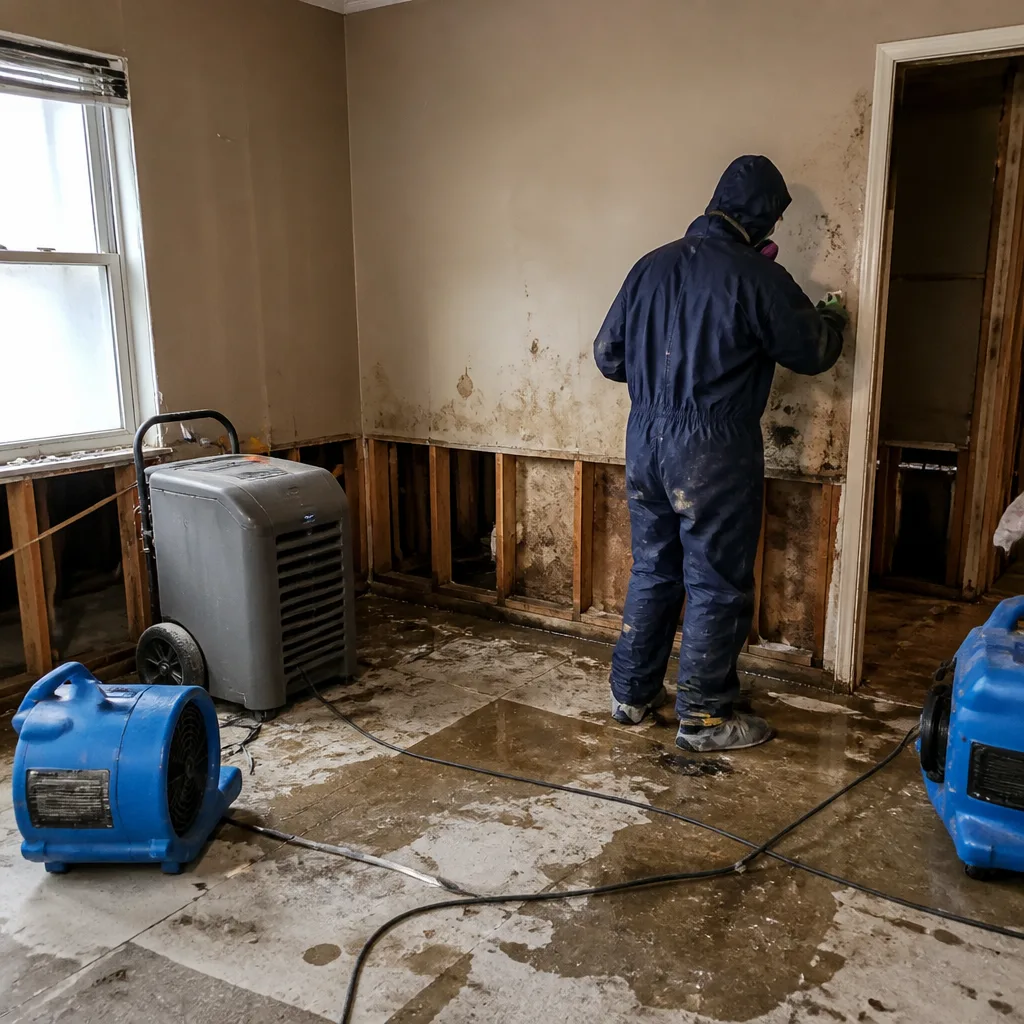 Before
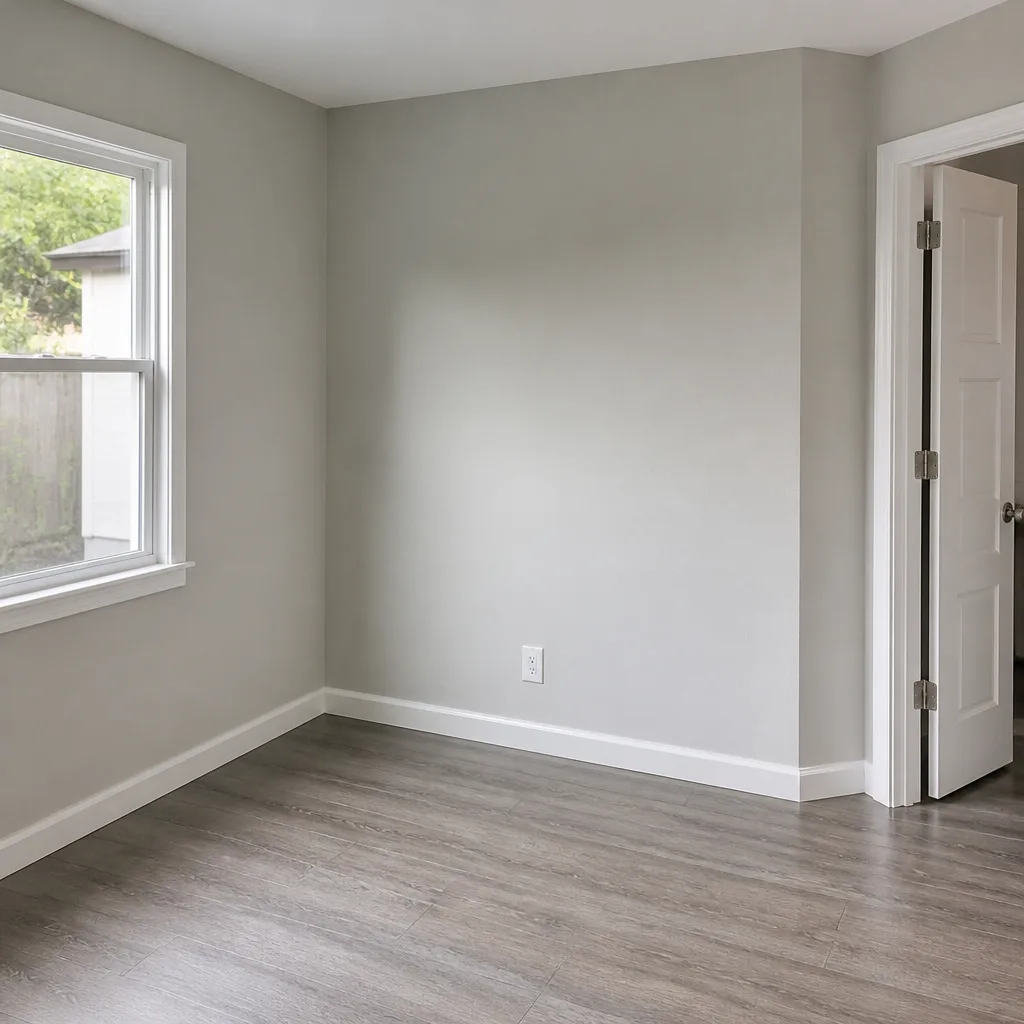 After
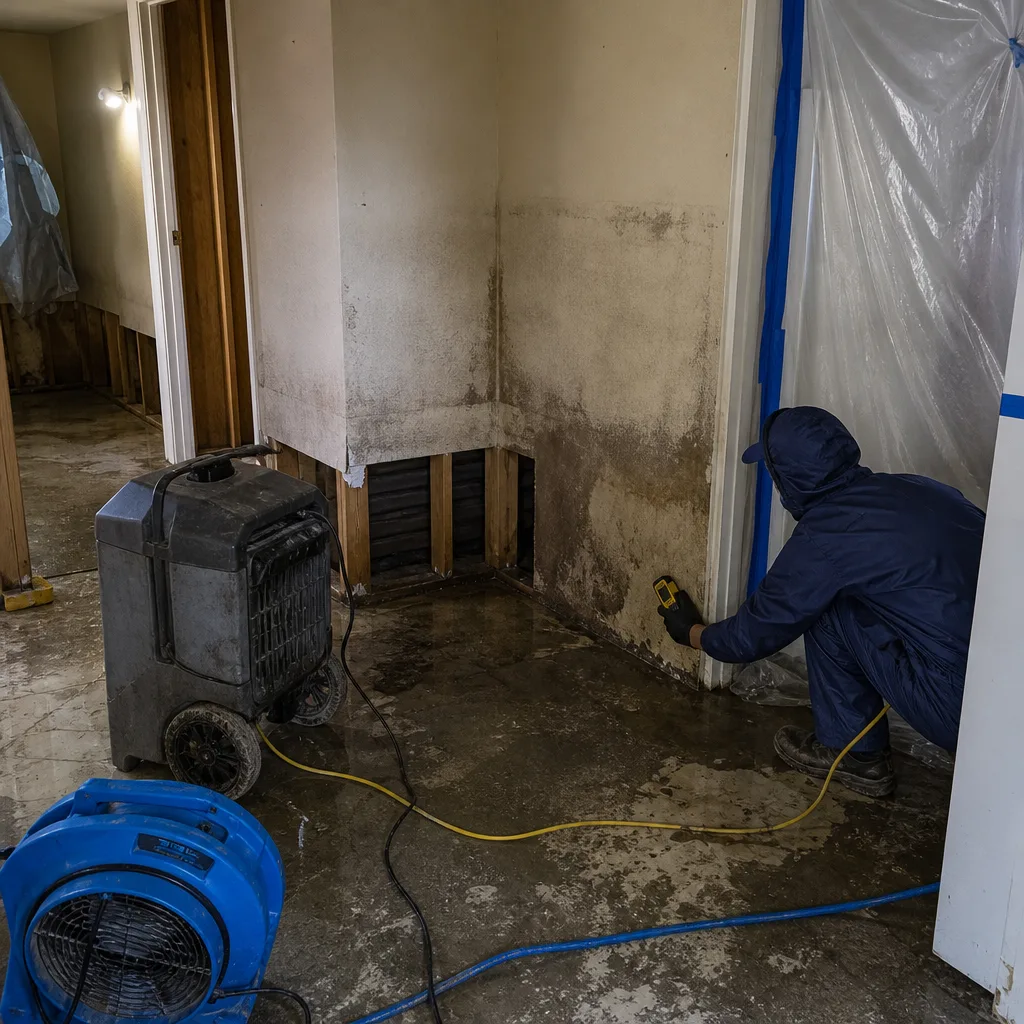 Before
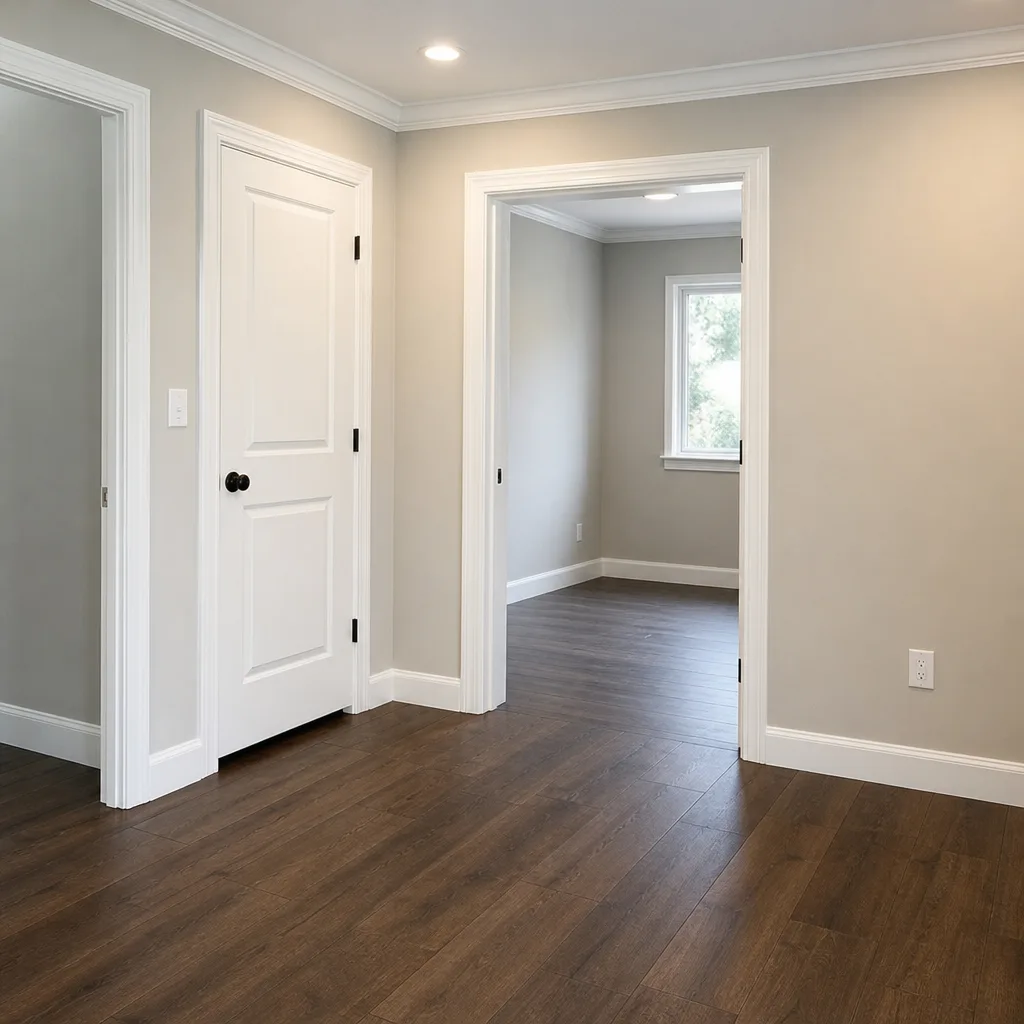 After
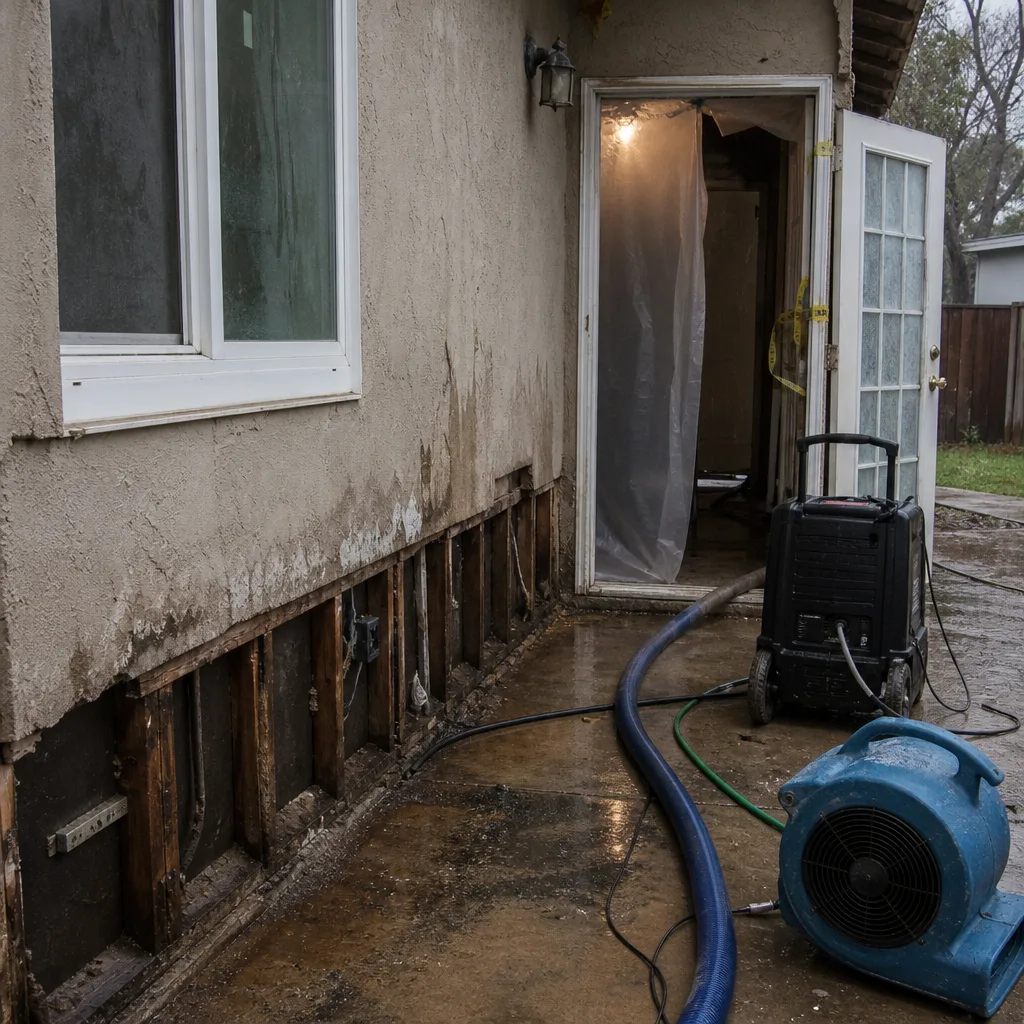 Before
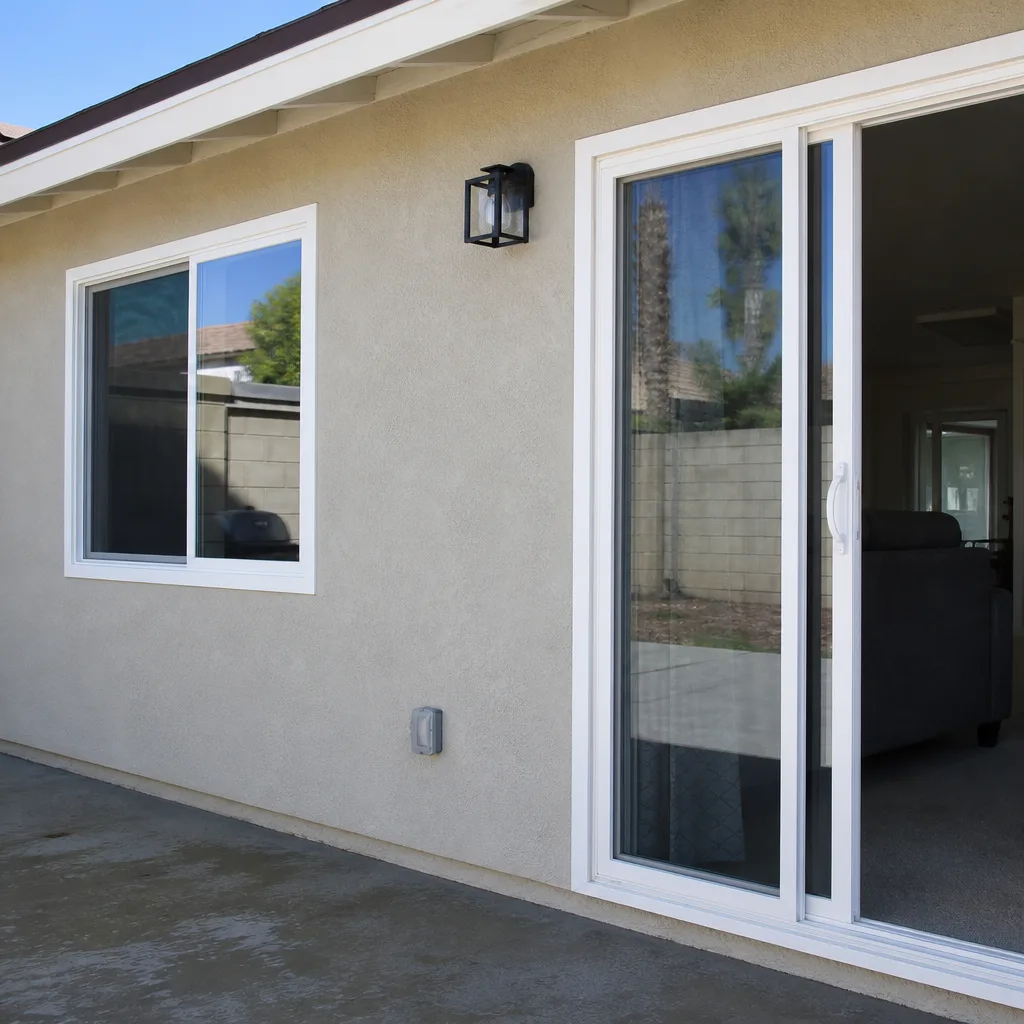 After
When to Call a Professional
Call a professional restoration company immediately if water has penetrated walls, flooring, or ceilings; if the water source is anything other than clean supply-line water; if the water has been present for more than 24 hours; if electrical systems have been affected; or if you smell any musty or sewage odors. The cost of professional mitigation is a fraction of the cost of untreated water damage that spreads into structural materials and becomes mold, as detailed in our Damage Restoration Cost Breakdown: The San Bernardino Homeowner’s Reference for 2026. We’ve seen a relatively small water-heater leak turn into $15,000 in structural repairs because the moisture sat in the wall cavity for two weeks while the homeowner watched for visible signs of drying. San Bernardino Restoration Co offers free estimates in San Bernardino, call (877) 358-7678. Our certified team responds to water emergencies throughout the area and can typically have assessment underway within hours.
Frequently Asked Questions
Most residential water damage in San Bernardino requires three to seven days of professional drying, though summer heat can extend that to ten days or more when moisture is trapped in stucco walls or under slab flooring. The actual timeline depends on water volume, category, materials affected, and how quickly extraction began. Daily moisture readings determine when drying is complete, not a calendar.
Residential water damage restoration in San Bernardino typically ranges from $2,000 to $8,000 for moderate damage, with more extensive sewage-related or multi-room damage running higher. Factors affecting cost include water category, square footage affected, materials requiring replacement, and drying time. Your insurance policy often covers the majority of this cost after the deductible. Call (877) 358-7678 for a free estimate with a written scope of work.
Most homeowner policies cover sudden and accidental water damage, including burst pipes, appliance failures, and water heater ruptures. Gradual leaks, maintenance failures, and some types of flooding may not be covered. Document the water source and take extensive photos before cleanup begins, then contact your insurer. We coordinate directly with adjusters and provide the professional moisture documentation they require.
Drywall that has been saturated with Category 1 water may be salvageable if extraction begins quickly and professional drying is set up within 24 hours. Drywall exposed to Category 2 or Category 3 water is almost always removed and replaced due to contamination. Drywall that has been wet for more than 48 hours often requires replacement even with clean water because the paper facing begins to delaminate and support mold growth. A certified technician using a penetrating moisture meter can determine whether removal is necessary.
A professional restoration company uses IICRC-certified protocols, commercial drying equipment, and documented moisture readings to verify that structures actually dry to the required standard. A handyman typically uses rental equipment with no formal moisture monitoring and no final verification. The cost difference is real, but so is the risk difference. A structure that isn’t verified dry can develop mold and structural problems months later.
In San Bernardino’s warm climate, mold spores can begin colonizing wet materials within 24 hours in summer conditions, and visible mold growth often appears within 48 to 72 hours. This is why the standard advice to wait and see if things dry naturally is dangerous here. Professional extraction and drying equipment should begin operating within 24 hours of the water event whenever possible.
The Bottom Line
Water damage in San Bernardino doesn’t follow the same rules as water damage in other places. Stucco walls trap moisture. Concrete slabs hold it beneath flooring. Summer heat pushes it deeper into structures instead of evaporating it. The difference between a successful restoration and a lingering problem comes down to speed, professional equipment, and documented verification that the structure actually reached a dry standard. If you’re facing water damage right now, photograph everything, stop the water source if you can do so safely, and call a certified restoration professional. Waiting costs more every hour that passes. If you’re reading this before an emergency happens, save our number: (877) 358-7678. We’re here when you need us, from extraction to clearance.
Written by the team at San Bernardino Restoration Co, serving San Bernardino since 2016. Explore more guides & resources from our team.