
 Water damage drying
 Fire & smoke cleanup
 Mold remediation
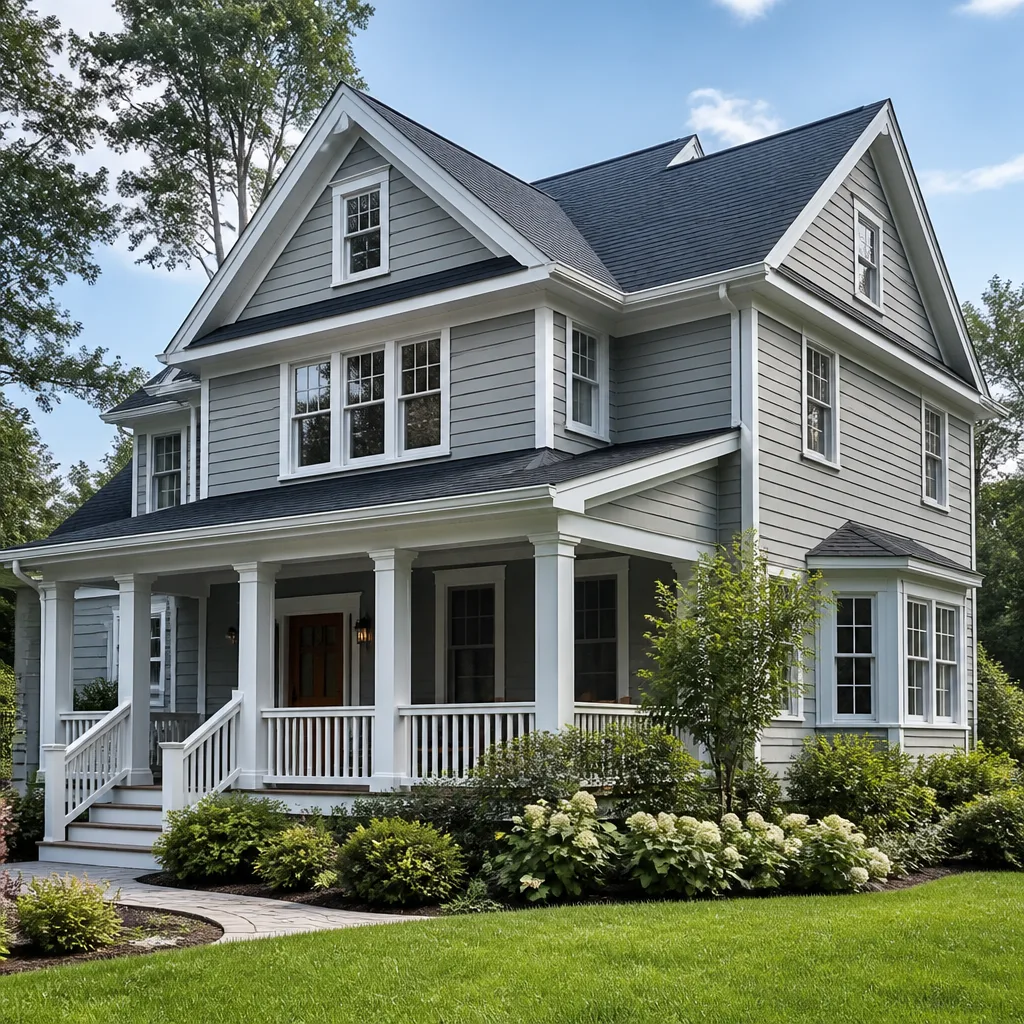 Storm response
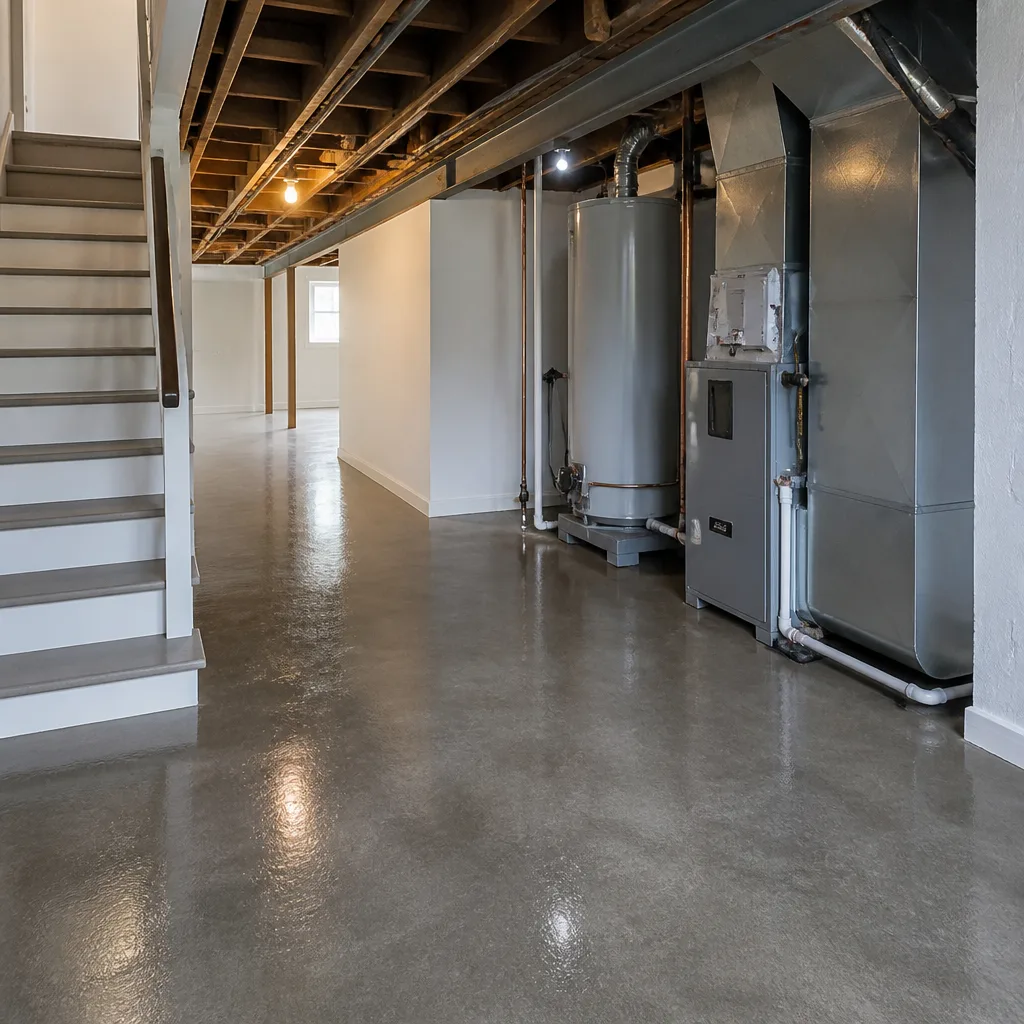 Sewage cleanup
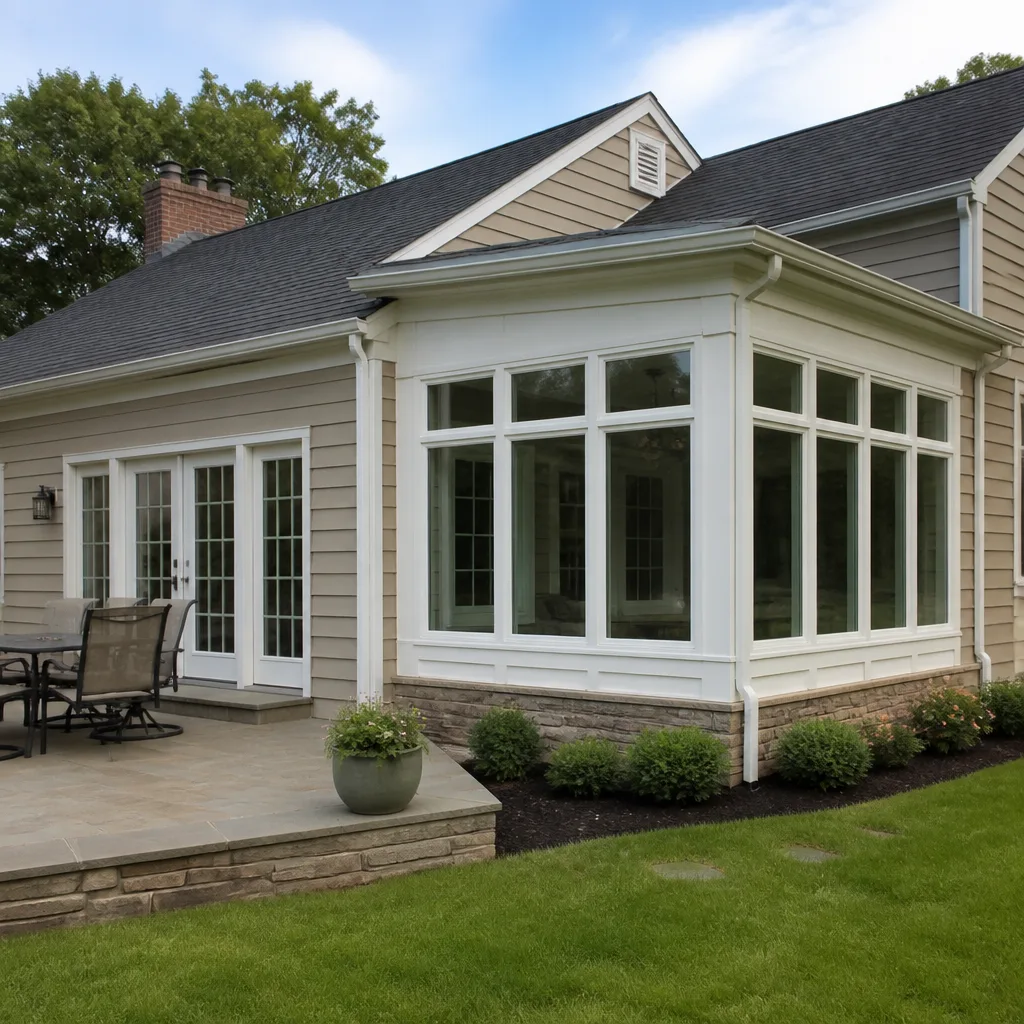 Reconstruction
Free visual inspection and a written scope of work before any mitigation begins - photos, moisture readings, and drying logs go in your claim file
The scope we write is the scope we bill. Anything new gets shown to you, in writing, before we touch it.
Get your free estimateFast, Reliable Water Damage Restoration Across Stanton
If you’re standing in a puddle in your Stanton home right now, the first thing to know is this: a typical water extraction and structural drying job in Stanton runs $1,800 – $4,200, and most homeowners are looking at 3 – 5 days of drying before flooring goes back down. The second thing to know: the faster the standing water comes out and the air starts moving, the less wall, subfloor, and cabinetry you lose. Our Water Damage Restoration crews respond to Stanton calls day and night through our 24-7 dispatch line, and every job starts with documented moisture readings, not guesswork. Call (877) 358-7678 and we’ll walk you through the first steps while a crew heads your way.
Why San Bernardino Restoration Co Is Stanton’s Preferred Water Damage Restoration Company
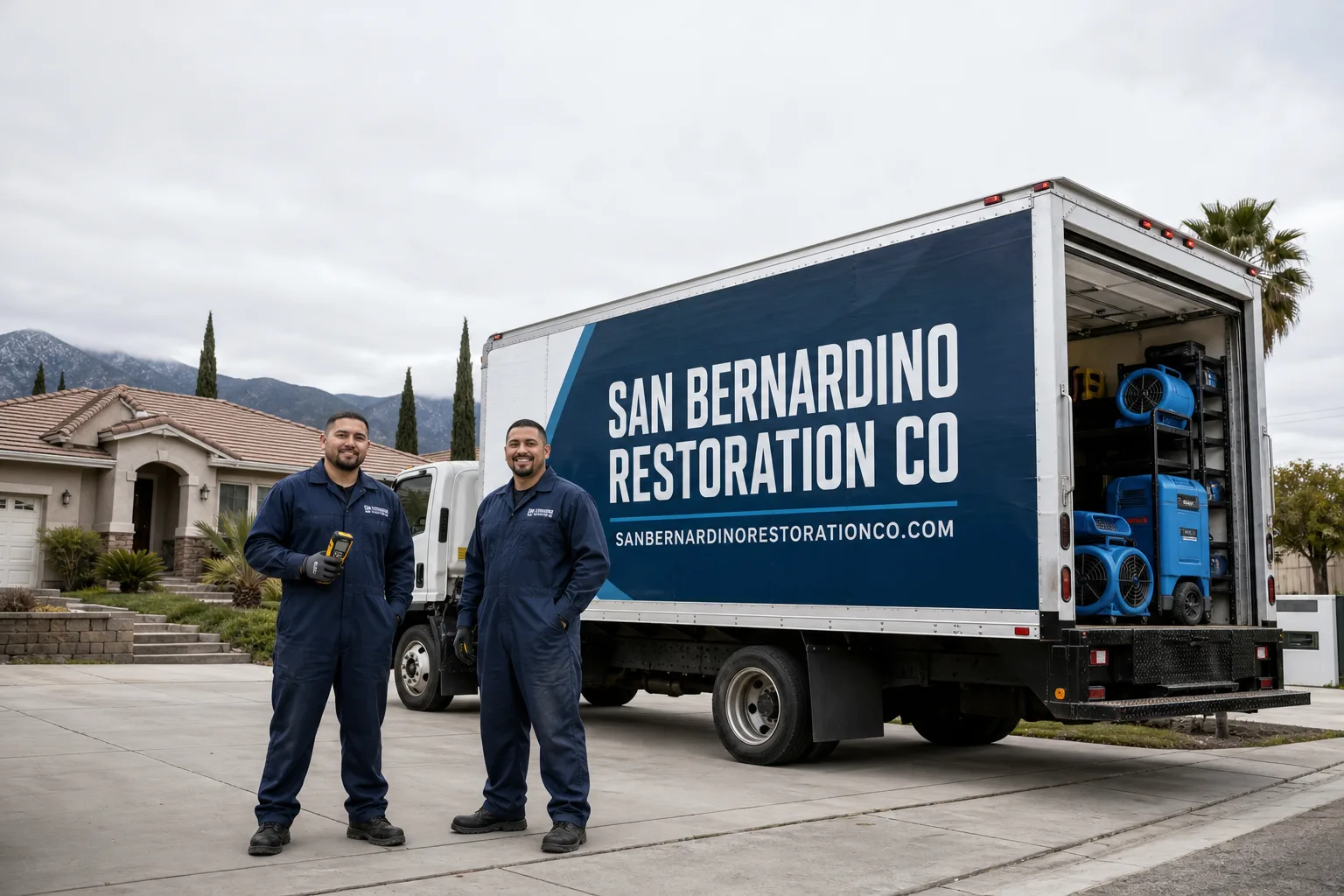
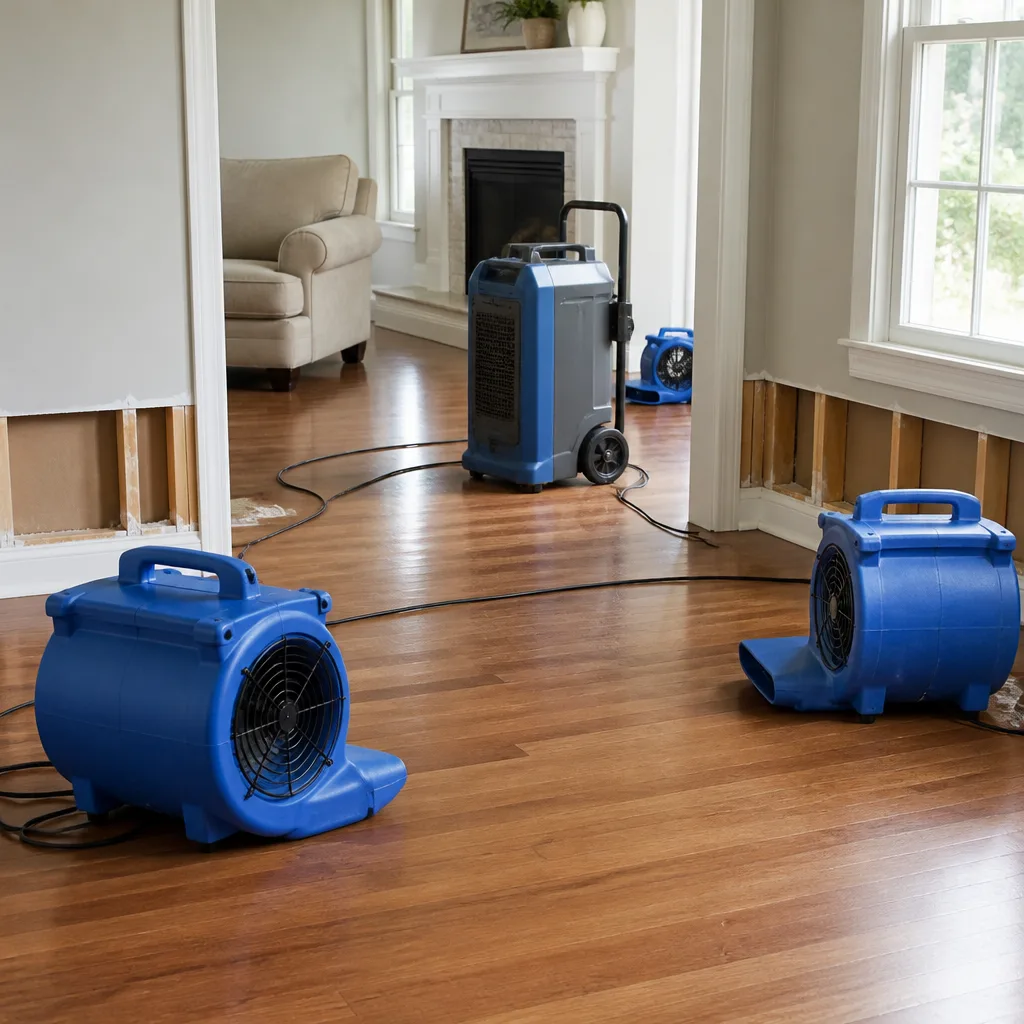
We work differently than the franchise operations you’ll find advertising in Orange County. Every Stanton job gets an IICRC-certified technician running IICRC-standard protocols, and the equipment we roll in is the same pro-tier gear used on large commercial losses: Dri-Eaz and Phoenix dehumidifiers, XPOWER air movers, and Injectidry wall-cavity drying systems. No consumer-grade rentals, no “let it air out” shortcuts. Noel Armenta, our owner, built the company around the idea that a homeowner in the middle of a damage event shouldn’t have to figure out who’s legitimate while the subfloor keeps soaking. Stanton residents consistently tell us the difference shows up in the drying logs we hand over, the photo documentation we provide for insurance, and the fact that we actually check underneath a structure when we suspect the water isn’t where you think it is.
We know Stanton’s housing stock because we’ve worked on a lot of it: the 1950s – 70s tract homes with original galvanized supply lines, the double-wides and park models in the manufactured-home communities, the tight lot lines where a leak in unit 4 becomes a problem for unit 5. That local pattern recognition changes how we scope a job from the first walkthrough. We don’t have to guess where the water went; we’ve seen where it goes in Stanton, and we start there.
Restoration work we handle
Flooded Basement in Stanton
A flooded basement in Stanton usually isn’t the finished-rec-room type you’d find in newer Anaheim builds – it’s more often a recessed entry, a sunken laundry area, or a below-grade slab section in one of the 1950s – 70s tract homes off Beach Boulevard or Cerritos Avenue. What it is, though, is urgent: standing water against drywall wicks upward fast, and a slab that’s been sitting in water for three days is a different drying job than one that’s been pumped out in three hours. We respond to flooded-basement calls in Stanton with truck-mounted extraction, then we set airflow and dehumidification targets based on the actual moisture readings we pull from the concrete, the framing, and the baseboards. Typical flooded-basement extraction and drying in Stanton runs $1,400 – $3,600 depending on how far the water traveled and whether wall cavities are wet.
Extraction and moisture mapping
Before we pull a drop of water out, we map the wet area with penetrating and non-penetrating moisture meters. In Stanton’s older slab homes, water often tracks under the vinyl or tile and shows up fifteen feet away from the visible puddle. We mark the affected area, photograph everything, and then we start extracting with high-volume pumps and weighted extraction wands on the carpet and pad.
Structural drying under the slab line
Concrete holds water differently than wood. Our techs use Phoenix and Dri-Eaz dehumidifiers with targeted air movement to drop the ambient vapor pressure and pull residual moisture out of the slab and the bottom plate. We log readings daily and make drying-chamber decisions based on hard numbers, so we’re not running equipment a week longer than the structure needs.
Water Extraction in Stanton
Water extraction in Stanton is the first and most critical step in any restoration, and it’s where the difference between a company and a certified specialist shows hardest. In a typical Stanton supply-line failure or water-heater blowout, we’re pulling anywhere from 40 to 600 gallons out of the structure before the drying equipment even gets set. Our crews run professional-grade extraction units – commercial truck-mounted systems and high-lift portable extractors – not the carpet cleaner from the rental yard. That speed matters in Stanton’s older tract homes because the flooring is often original and the subfloor is thin: the less water left in the pad and underlayment, the better the chance of saving the floor. Water extraction and removal in Stanton typically runs $700 – $1,900 as a standalone scope, depending on affected square footage and whether we’re extracting from carpet, hardwood, or under the subfloor.
Floor and cavity extraction
After the visible water is up, we check what’s underneath. In Stanton mobile homes and tract houses both, water slips into the floor system and wall cavities faster than you’d think. Our techs use Injectidry panels and extraction mats to pull water directly from carpet pad, subfloor, and wall cavities without tearing out every material in the room.
When extraction alone isn’t enough
If the water sat long enough to soak the subfloor or wick up into the drywall, extraction is just the opening move. We’ll initiate structural drying immediately, often before the extraction bill is even finalized, because delay shifts every affected material further toward replacement. That honest scope conversation – here’s what we can dry, here’s what we can’t – happens before equipment leaves the truck, not after.
Trusted Brands We Service in Stanton
We service and restore damage in all the equipment and plumbing brands commonly found in Stanton homes. That includes Bradford White, Rheem, and AO Smith water heaters (we see a lot of these in the older tract homes), Moen and Delta supply lines, and Whirlpool and Kenmore appliances that’ve let go in kitchens and laundry rooms. In the mobile-home parks, we work around original copper and PEX supply lines and the belly-board and skirting systems that hide leaks from view. Because we’re in Stanton often, we carry the flush fittings, connectors, and materials needed to make immediate temporary mitigation work, no waiting on a parts run from San Bernardino when the clock is running against you.
Common Water Damage Restoration Problems We See in Stanton Homes
- Hidden belly-board saturation in mobile-home parks. A failed water heater or supply line under a manufactured home wicks into the belly board and subfloor for weeks before any interior sign shows. Homeowners usually call us only after the hallway floor feels soft underfoot.
- Original galvanized plumbing failures in 1950s – 70s tract homes. Pinhole leaks at joints and under slabs drip for days or weeks inside wall cavities. We find Category 2 water in drywall and insulation long after the homeowner noticed a musty smell or a warped baseboard.
- Shared lot lines spreading one leak into two units. In Stanton’s tight mobile-home parks, water from under one unit seeps into the neighbor’s skirt and subfloor. If we don’t check adjacent units, the mitigation scope misses half the damage and the problem returns.
- Rain-driven intrusion at windows and roof edges. Stanton’s long dry spells let caulk and flashing crack open, so when heavy winter rain hits, water tracks straight into wall cavities and around window frames. This hits older homes hardest, particularly flat-roof sections and older aluminum-frame windows.
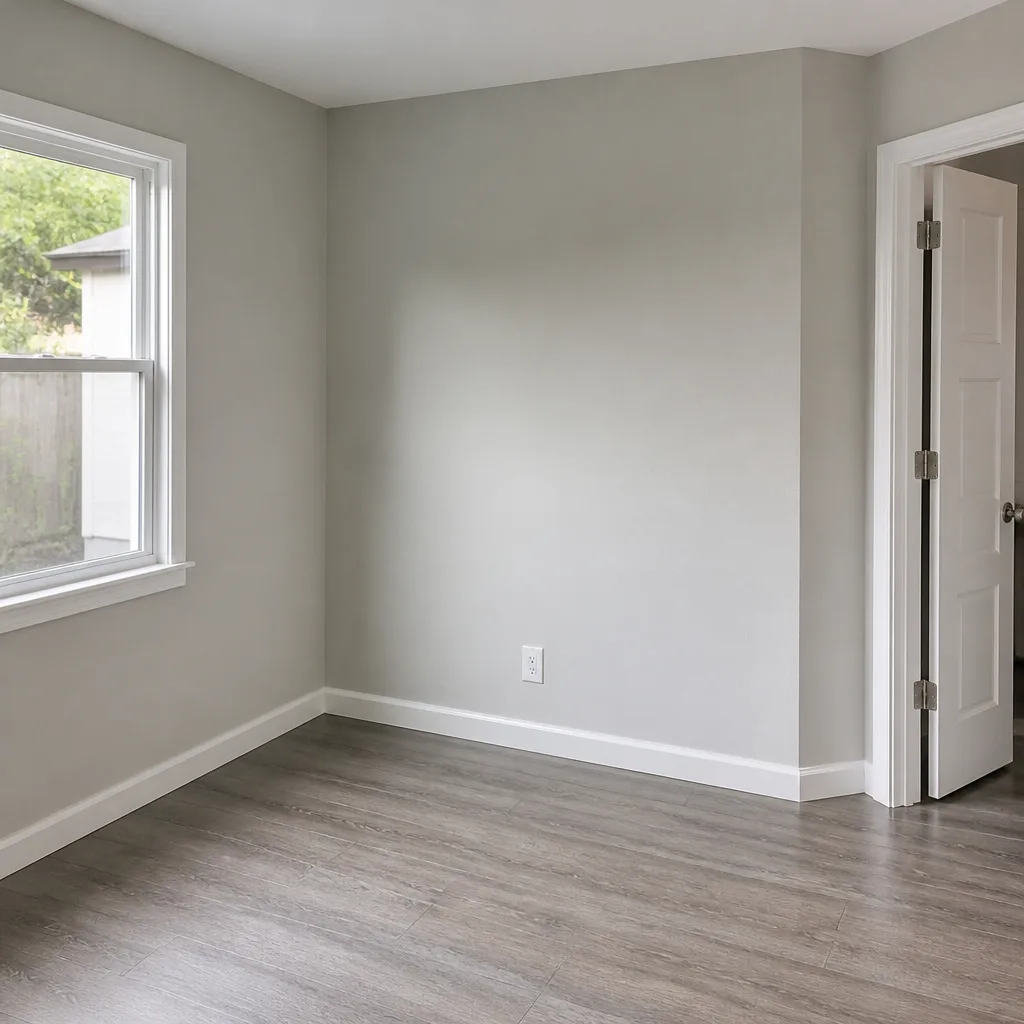
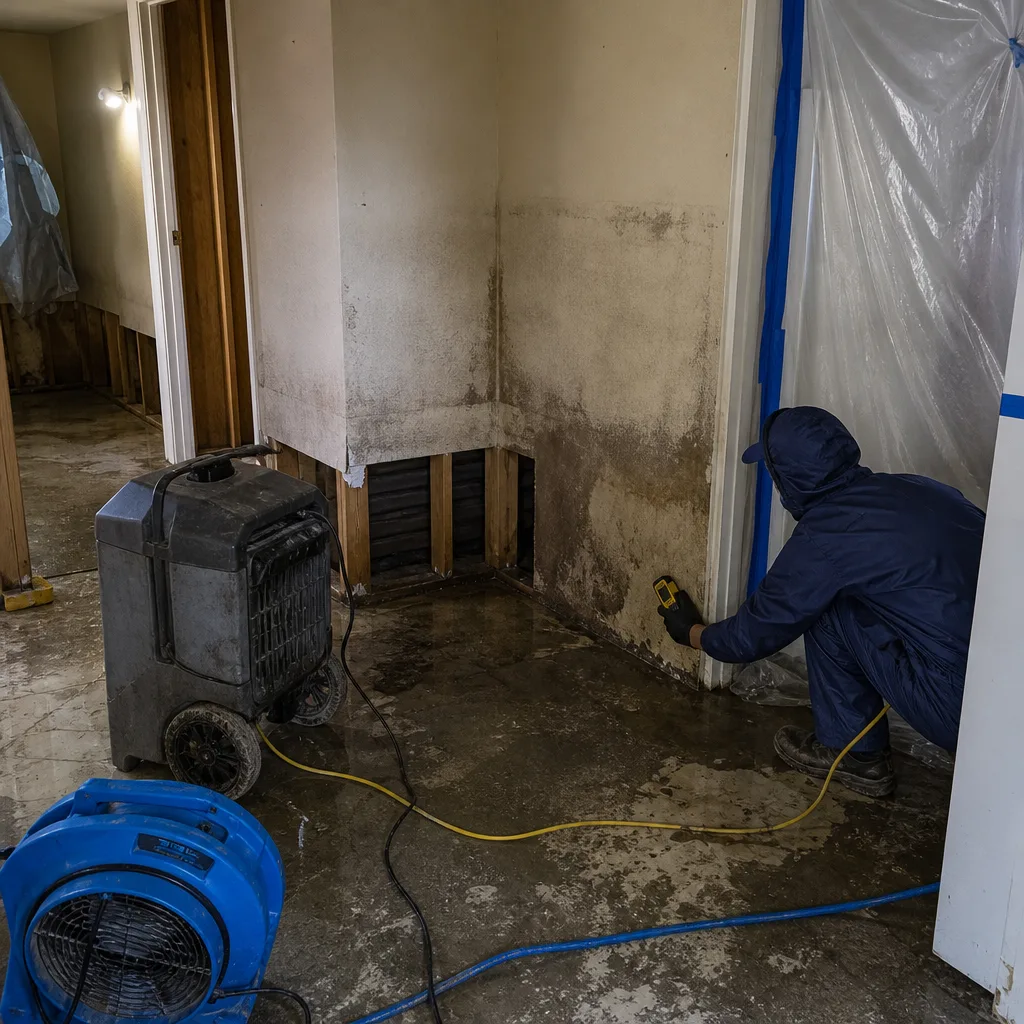
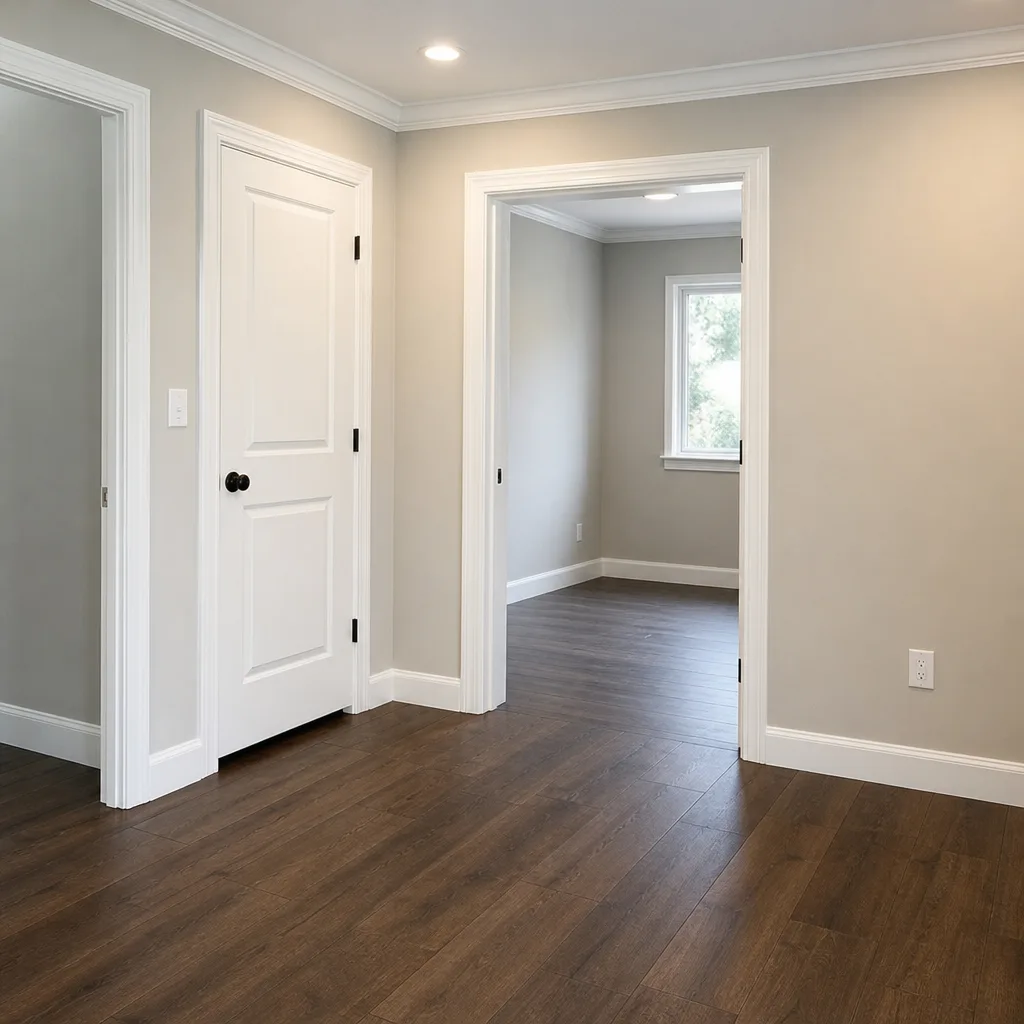
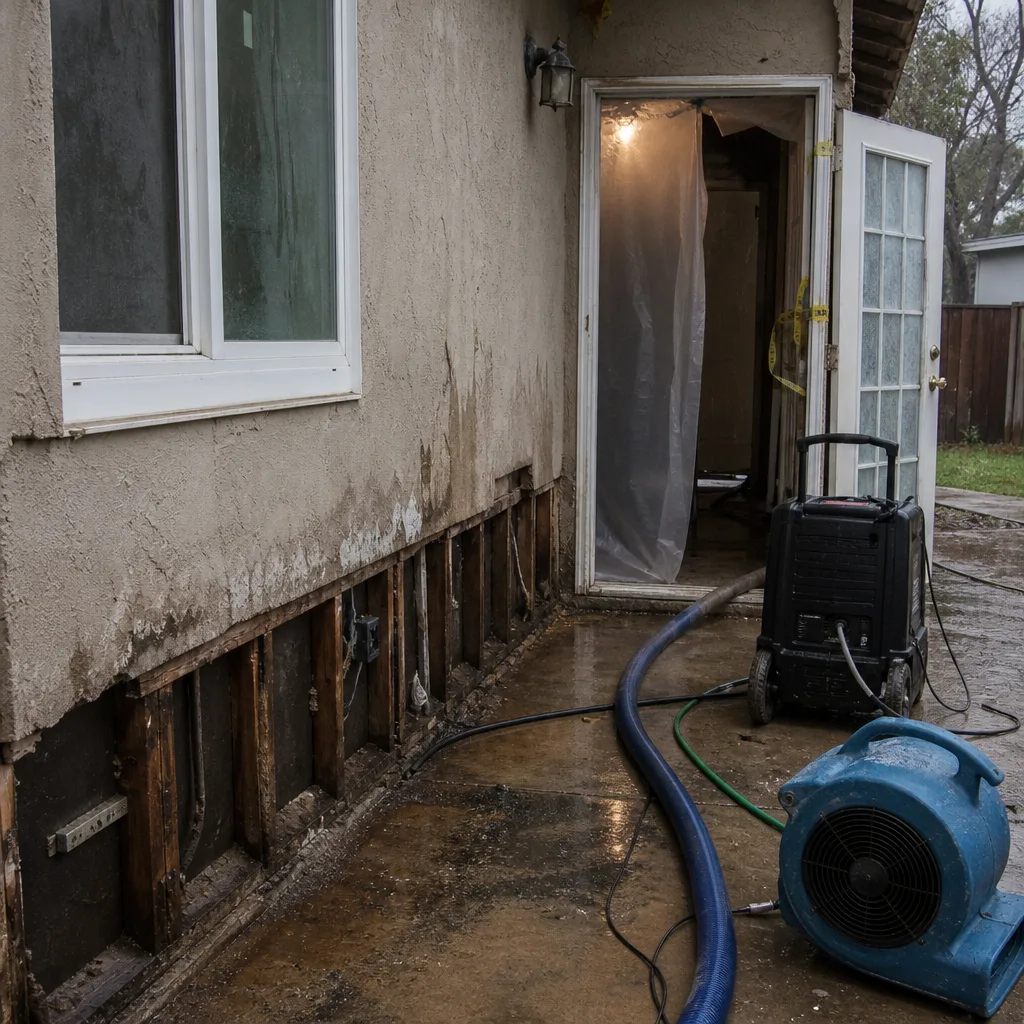
See the difference
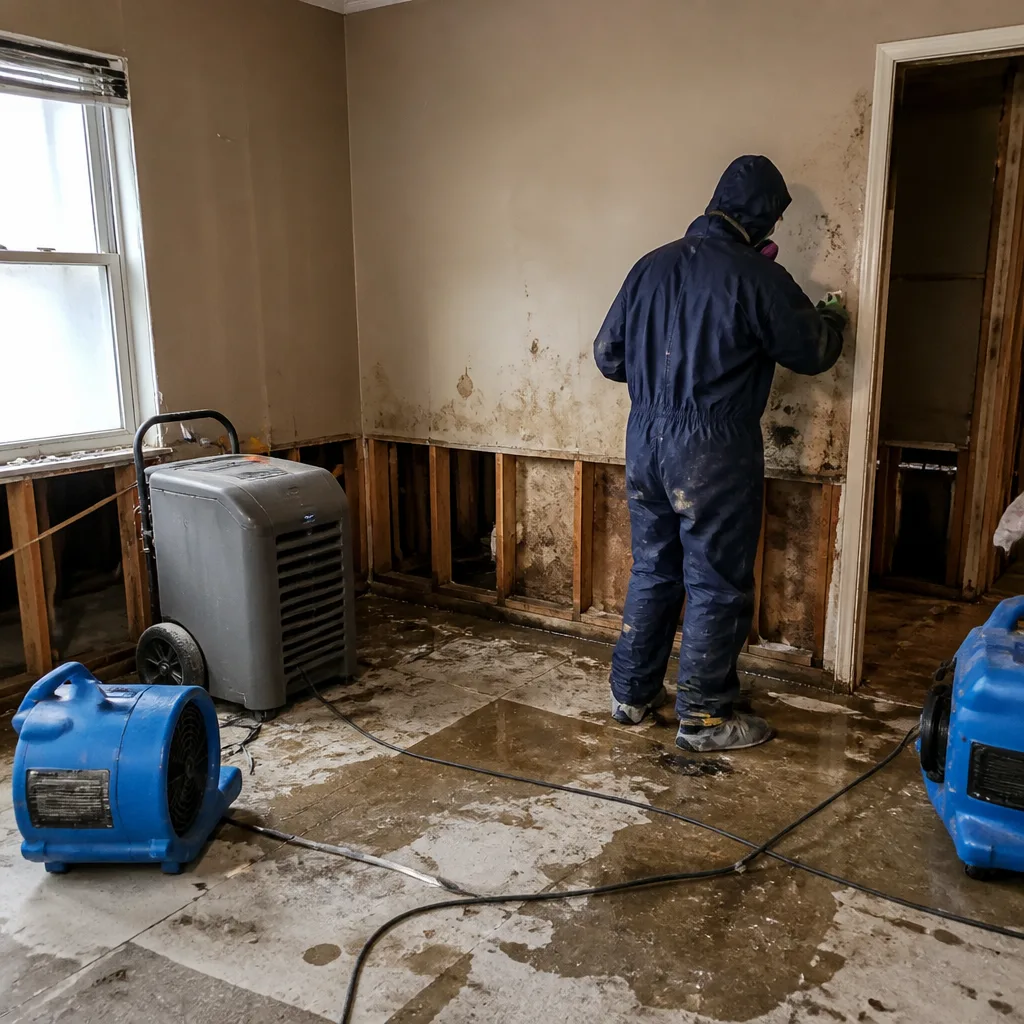 Before
 After
 Before
 After
 Before
 After
Pricing for Water Damage Restoration in Stanton, CA
Here’s what Stanton homeowners should budget for, based on the jobs we’ve scoped in the 90680 zip code. Emergency water extraction on a 200 – 400 square foot affected area runs $700 – $1,900. Structural drying with multiple air movers and dehumidifiers runs $1,400 – $3,600 over a 3 – 5 day dry-out. A full-scope restoration that includes extraction, drying, demolition of unsalvageable material, and rebuild prep typically lands between $3,200 and $8,500 for a residential loss in Stanton. What moves the number: whether wall cavities are wet, whether the subfloor is saturated, whether we’re drying a single room or a whole hallway, and whether adjacent units or shared walls are involved. We give every Stanton customer a written scope and a line-item estimate before work begins, and we document drying decisions with logged moisture readings throughout. Call (877) 358-7678 for a free on-site assessment.
We Also Serve Cities Near Stanton
While this page focuses on Water Damage Restoration in Stanton, our crews regularly handle jobs in Garden Grove, Cypress, Westminster, and Midway City. If your property sits near the Stanton border, the same certified techs and the same pro-grade equipment will roll out – just call (877) 358-7678 and we’ll confirm your address and dispatch accordingly.
Serving Stanton, CA — Our Local Coverage Area
We’re based in the Stanton area and know this community well. Use the map below to see our service coverage — if you’re nearby, we can almost certainly help.
FAQs About Water Damage Restoration in Stanton
We start by checking underneath. In Stanton’s manufactured-home parks, we pull the skirting and inspect the belly board and subfloor directly – moisture readings there will show saturation weeks before the interior drywall or floorcovering gives any sign. We got a call from a double-wide in the Rancho Dominguez Mobile Home Park where the homeowner noticed a soft spot in the hallway floor. Our tech pulled the skirting and found the belly board soaked from a pinhole leak in the original copper supply line – moisture readings pegged the subfloor at 28% while the interior drywall read normal. We set up containment, ran Injectidry panels and air movers under the home, and documented drying logs daily until the subfloor returned to pre-loss condition. If you’re in a Stanton mobile-home park and something feels soft, don’t wait – call (877) 358-7678 and we’ll check it before the floor fails completely.
The first sign in Stanton’s 1950s – 70s tract homes is usually a musty or earthy smell in a room with no visible water, followed by a warped baseboard, a slow-sticking door, or a dark stain blooming on a wall or ceiling. Galvanized supply lines fail at threaded joints and under-slab runs, and the water moves through wall cavities before you see anything. If you catch any of these early signs, shut off the main supply and call us – a pinhole leak that’s been dripping into a wall for two weeks is a much bigger drying job than one caught on day two. Call (877) 358-7678 and we’ll scope it with moisture meters before any demolition happens.
Category 1 is clean water from a supply line, water heater, or faucet; Category 2 is contaminated water with significant chemical or biological load, like washing-machine discharge or water that’s been sitting in wall cavities for days; Category 3 is grossly contaminated, including sewage backups and floodwater from outside. The category changes how we scope the job: Category 1 can often be dried in place, while Category 2 and 3 water means affected porous materials are typically removed rather than salvaged. In Stanton’s older slab homes, a “clean” pinhole leak that’s been dripping for weeks often upgrades to Category 2 by the time we find it, which is why early detection matters so much. Call (877) 358-7678 and we’ll tell you what category you’re dealing with and what that means for the scope.
Yes, and this is standard on every job we run. We photograph the affected area before, during, and after mitigation, log moisture readings daily, and produce a written drying record that shows the structure returned to its pre-loss moisture condition. If you’re filing a claim, we coordinate directly with your adjuster and provide everything they need: initial photos, the scope of work, equipment daily logs, and final clearance readings. In Stanton’s mobile-home parks, where claims often involve shared lot lines or adjacent units, we document the neighbor’s side as well so the full extent of the loss is on record. Call (877) 358-7678 and we’ll handle the paperwork while you handle getting your home back.
You prevent mold by getting the water out and the structure dry within 48 – 72 hours, and by checking underneath the home where the belly board and subfloor are holding moisture the interior never sees. In a Stanton mobile-home park, a water heater leak that runs down the side of the unit often wicks into the belly board and the subfloor above it, creating a dark, damp environment that’s ideal for mold growth. We set up containment, run dehumidifiers and air movers both inside and underneath the unit, and monitor moisture until the subfloor and framing hit their dry standard. If you’ve had a water heater leak in a Stanton park and it’s been more than two days, call (877) 358-7678 for an assessment – the mold clock is already running.
Ready to Get Your Stanton Home Dry?
Water damage doesn’t pause while you research options. If you’re in Stanton and dealing with a burst pipe, a failed water heater, a rain-driven leak, or a soft spot in the floor, call us right now at (877) 358-7678. We’ll put an IICRC-certified technician on the phone, get a crew dispatched to your address in the 90680 zip code, and start with documented moisture readings and a written scope – free estimate, no obligation. From extraction to drying to documentation, one certified team handles the whole job.
Written by Noel Armenta, Owner at San Bernardino Restoration Co, serving Stanton and greater Orange County.