
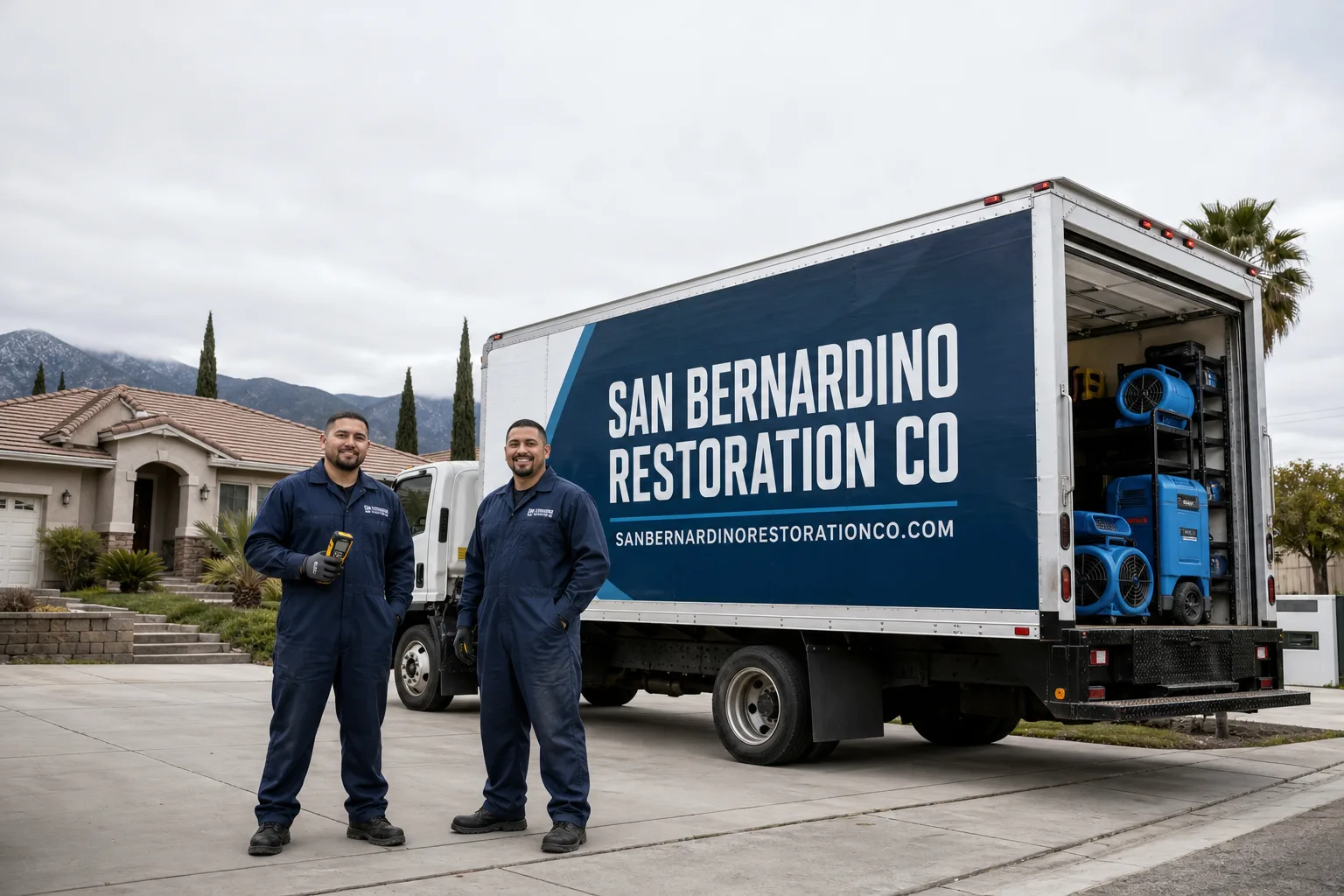
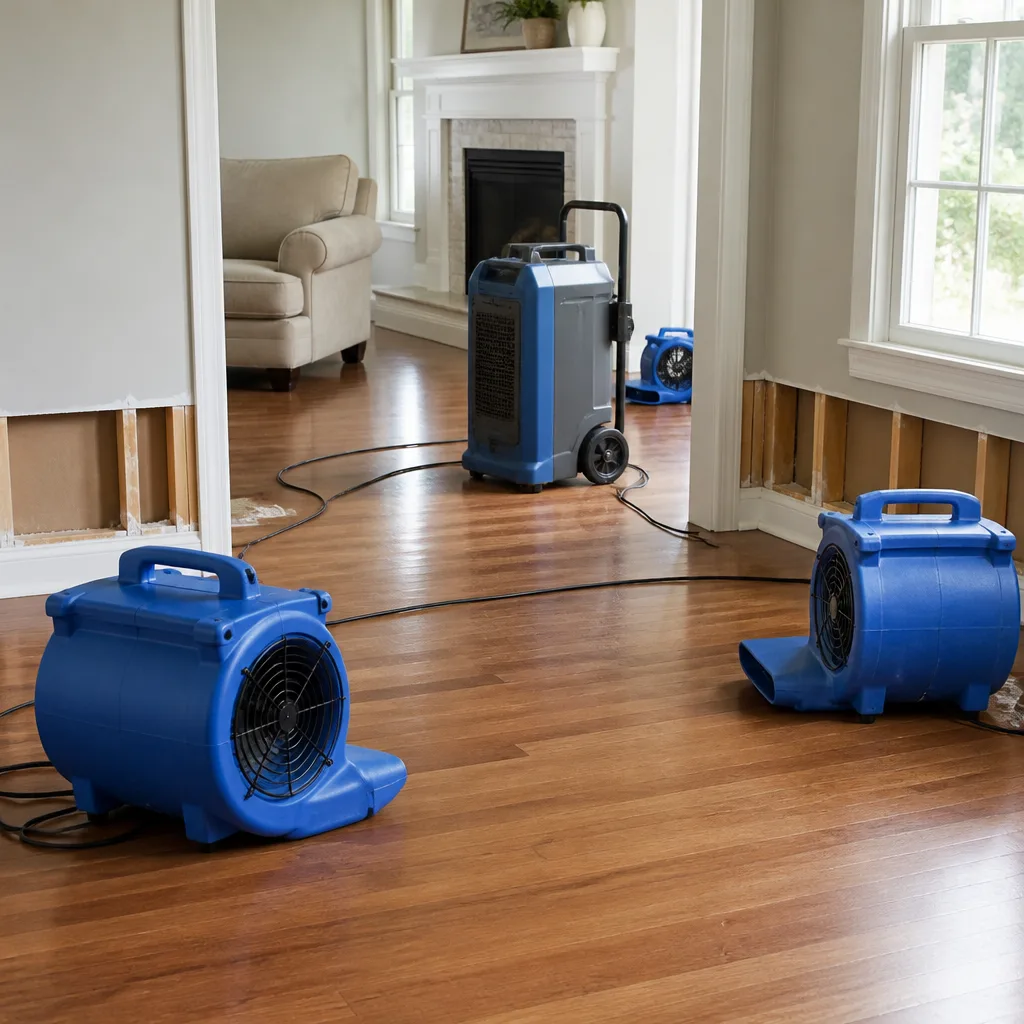
 Water damage drying
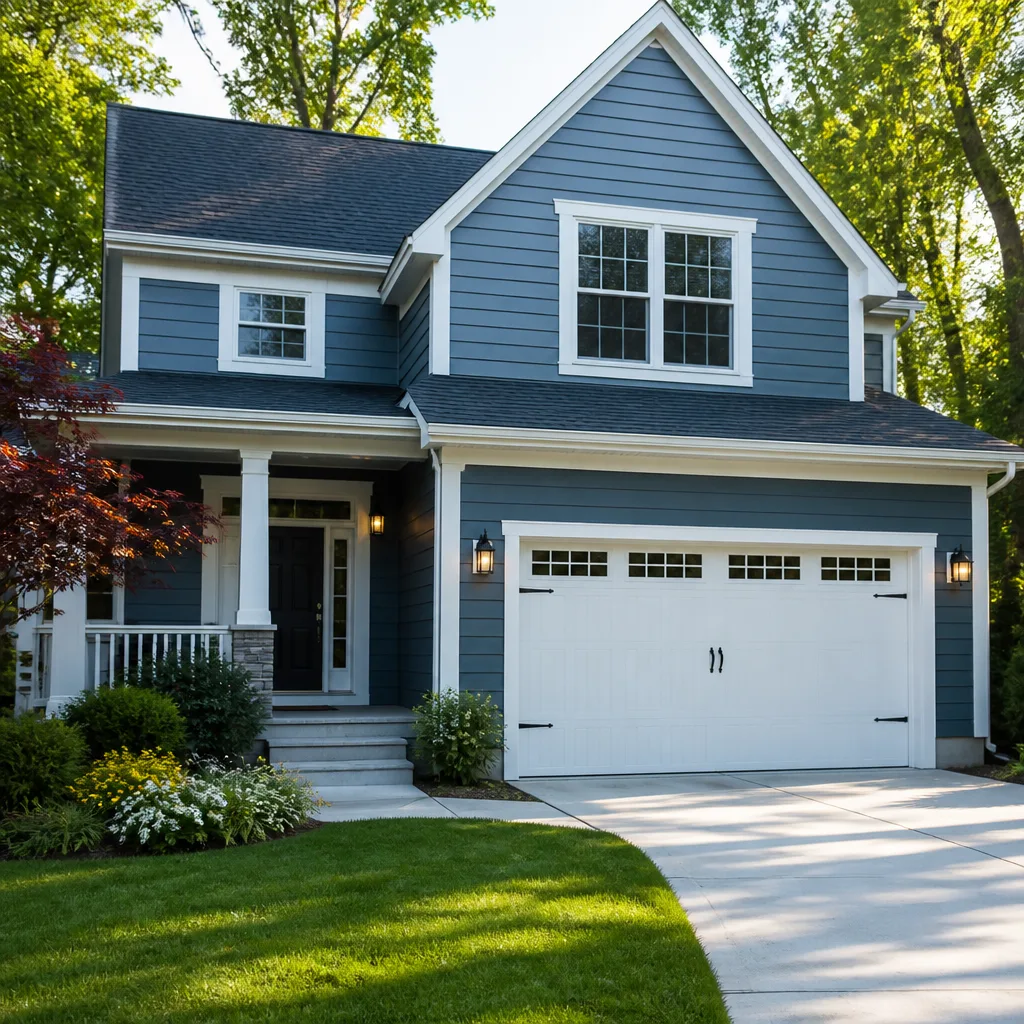 Fire & smoke cleanup
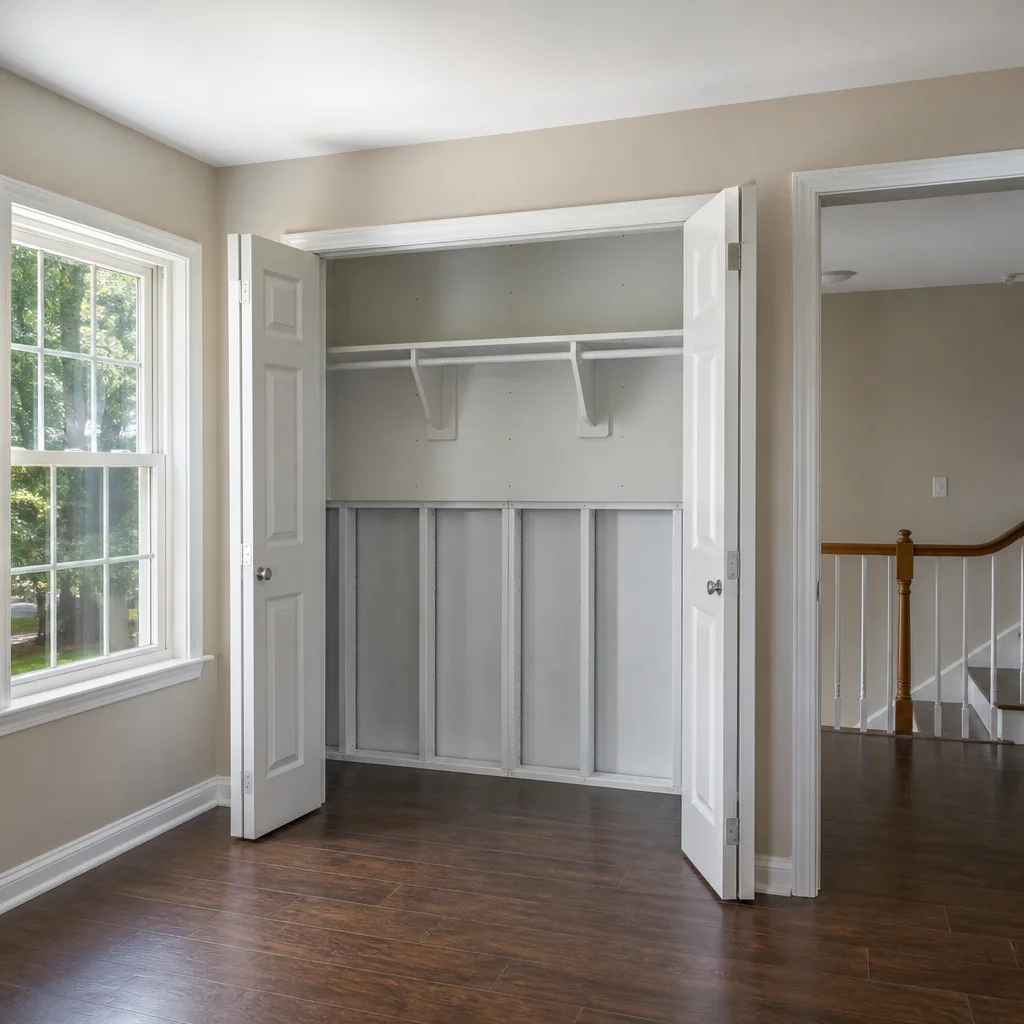 Mold remediation
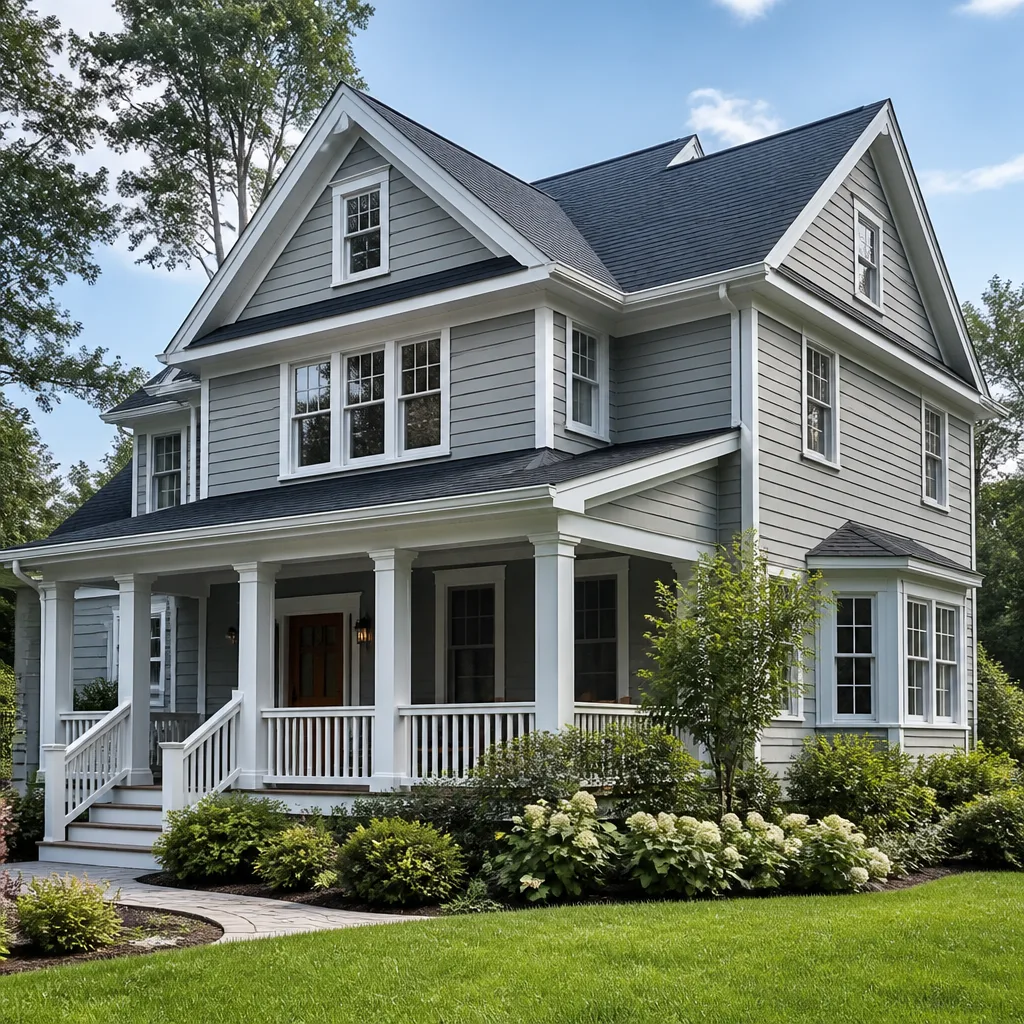 Storm response
 Sewage cleanup
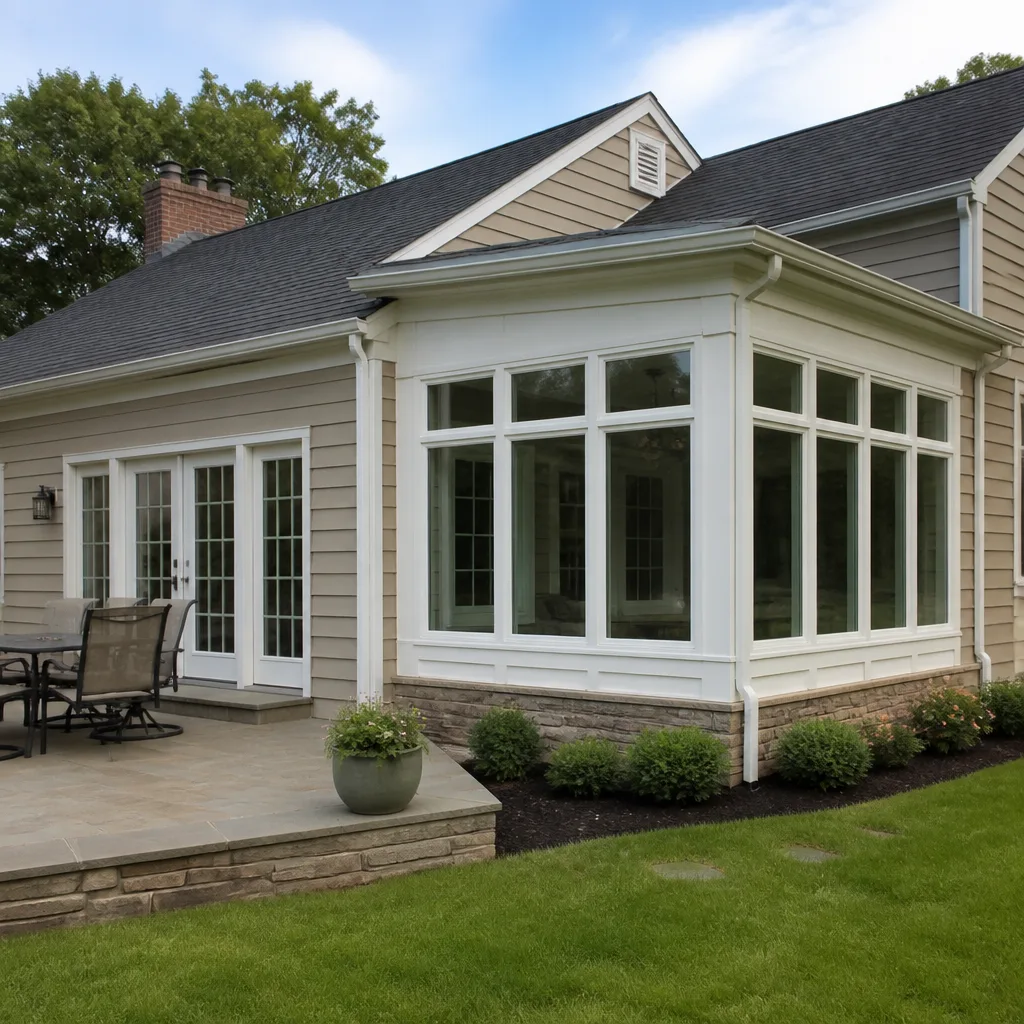 Reconstruction
Free visual inspection and a written scope of work before any mitigation begins - photos, moisture readings, and drying logs go in your claim file
The scope we write is the scope we bill. Anything new gets shown to you, in writing, before we touch it.
Get your free estimateFast, Reliable Water Damage Restoration Across San Joaquin Hills
Water damage restoration in San Joaquin Hills typically costs between $2,500 and $9,000 depending on the category of water, square footage affected, and whether structural drying requires wall-cavity access. Most emergency water extraction jobs in the 92657 zip code can be started the same day you call. When a pipe fails or storm water breaches a lower level, every hour of delay lets moisture wick deeper into wall assemblies, under slab flooring, and behind custom finishes that define these hillside homes. Our crews know the canyon-side lots, the retaining wall systems, and the way ocean-facing glazing channels wind-driven rain into places you’d never expect. Call (877) 358-7678 and we’ll have an IICRC-certified technician walking your property within hours, not days.
We’re not a generalist contractor dabbling in restoration work. San Bernardino Restoration Co runs Dri-Eaz and Phoenix dehumidifiers, XPOWER and B-Air air movers, and Injectidry wall-cavity drying systems, the same equipment trusted on large commercial losses. When we arrive in San Joaquin Hills, we’re bringing that full commercial-grade capability to your custom home, your wine room, your lower-level view-side living space. The goal from the first moisture reading to the final clearance is simple: restore your home to pre-loss condition and document every step for your insurer.
What Makes Water Damage Different in San Joaquin Hills
San Joaquin Hills isn’t Irvine, and it isn’t Costa Mesa. Those cities deal with flat-lot slab leaks and aging copper supply lines. Here, you’re living on graded canyon pads and ridge lines above Newport Beach and Laguna Beach, where custom homes built between the 1980s and 2000s sit behind retaining walls and below steep slopes. The Water Damage Restoration in San Joaquin Hills story is written by topography, not plumbing age.
When a hard atmospheric-river storm hits the coastal hills, runoff doesn’t just sheet off the roof and disappear. It moves downhill, collects against canyon-side retaining walls, and works its way through soil, drainage gravel, and eventually wall assemblies. A homeowner in San Joaquin Hills can watch a perfectly dry lower-level living space turn damp and musty three or four days after the rain stops, because the water didn’t enter through the roof or a window. It came laterally, through the ground, behind the retaining wall. That’s a fundamental difference from the water damage you’d see on a flat lot in neighboring Irvine, and it’s why a team that understands hillside hydrology matters.
The second factor is the housing stock itself. These are large, multi-level custom builds with expansive glazing, balconies, view-side walls, and below-grade spaces that sit partially into the hillside. Water intrusion at a view-side wall or a balcony door threshold often travels down through the framing and collects at the lowest point, which might be a garage, a wine room, or a lower-level guest suite. Without proper moisture mapping, that hidden migration gets missed. A surface reading might show a small damp patch while the real damage is spreading inside the wall cavity and under the subfloor.
Restoration work we handle
Why San Bernardino Restoration Co Is San Joaquin Hills’s Preferred Water Damage Restoration Company
We’ve built our reputation in San Joaquin Hills the hard way, one ridge-line custom home and canyon-side retaining wall at a time. Homeowners here don’t call a restoration company casually. They call after a pipe burst in a wine room, after an atmospheric river pushed water behind a view-side wall, after a Santa Ana wind event drove smoke and embers into a hillside property. They call because they need someone who understands that a hidden leak behind a $40,000 kitchen or a soaked lower-level theater wall isn’t a quick-fix job.
Our IICRC-certified technicians walk every San Joaquin Hills property with a thermal imaging camera and a moisture meter before a single air mover gets placed. We’re members of the Restoration Industry Association (RIA) and affiliated with IFA, which means we answer to a professional peer community, not just our own marketing. Noel Armenta, who leads our restoration team, has built this business around one principle: document everything, dry everything to standard, and never guess.
The reviews from San Joaquin Hills customers consistently mention the same things: we showed up with commercial equipment, not rental-grade fans. We explained the drying plan in plain English before starting. We provided daily moisture readings and photo documentation for the insurance claim. And we didn’t tear out drywall that could be saved with Injectidry panels and controlled drying.
Water Damage Repair in San Joaquin Hills
Water damage repair in San Joaquin Hills is the reconstruction phase that follows extraction and drying, the point where we restore your home not just to functional condition, but to the standard these custom hillside properties demand. When water has compromised baseboards, drywall, insulation, or flooring in a 92657 home, repair isn’t just patching and painting. It’s matching finishes, respecting the architectural details of semi-custom canyon builds, and ensuring the repaired assembly won’t trap residual moisture and feed mold later.
A San Joaquin Hills homeowner typically needs water damage repair after a supply line fails inside a wall, after a lower-level intrusion sat undetected for days, or after a balcony door leak slowly rotted framing over multiple seasons. Repair work in this community frequently runs $3,500 to $12,000 depending on whether we’re replacing a section of drywall or rebuilding a view-side wall assembly with custom millwork.
Structural Material Replacement
When water has saturated framing, subfloor, or ceiling assemblies beyond the drying threshold, we remove and replace those materials rather than cover them up. In hillside homes, this often means lower-level wall sections behind retaining walls, garage ceiling assemblies below multi-level bathrooms, and door thresholds at view-side balconies. We cut precisely, dry to standard before closing, and match the repair to the existing build quality of your home.
Finish Restoration
The repair phase in San Joaquin Hills frequently involves high-value finishes that tract homes never see. Custom baseboards, built-in cabinetry, wall paneling, and specialty flooring all respond differently to water exposure. We work with finish carpenters and local suppliers who understand the materials used in 1980s and 1990s semi-custom canyon construction, so the repair doesn’t announce itself as a repair.
Water Mitigation in San Joaquin Hills
Water mitigation in San Joaquin Hills is the urgent first-response phase, the work that stops active water from spreading and starts the drying process before secondary damage takes hold. Mitigation isn’t restoration. It’s the difference between a contained loss and a whole-home disaster. When we arrive at a San Joaquin Hills property with standing water or confirmed moisture in building materials, our job is to extract, contain, stabilize, and dry, fast.
The clock runs differently in these hills. A lower-level intrusion that sat for three days behind a retaining wall is likely Category 2 or Category 3 water by the time it shows up on your drywall. That changes the mitigation plan: we’re not just extracting visible water, we’re cutting out contaminated materials, setting containment barriers, and running HEPA filtration before the structure starts drying. Typical water mitigation in San Joaquin Hills runs $2,500 to $8,500 depending on the category of water, the extent of hidden migration, and the amount of material that must be removed.
Category Assessment and Containment
Before we touch a wet wall in San Joaquin Hills, we determine whether we’re dealing with Category 1 clean water from a supply line, Category 2 gray water that has passed through building materials, or Category 3 black water that has crossed soil or sewage. Hillside runoff that enters through a retaining wall or below-grade assembly is frequently Category 2 or 3 by the time it’s discovered. We set containment accordingly, protect unaffected areas, and follow IICRC-certified protocol for contaminated material removal.
Documented Drying
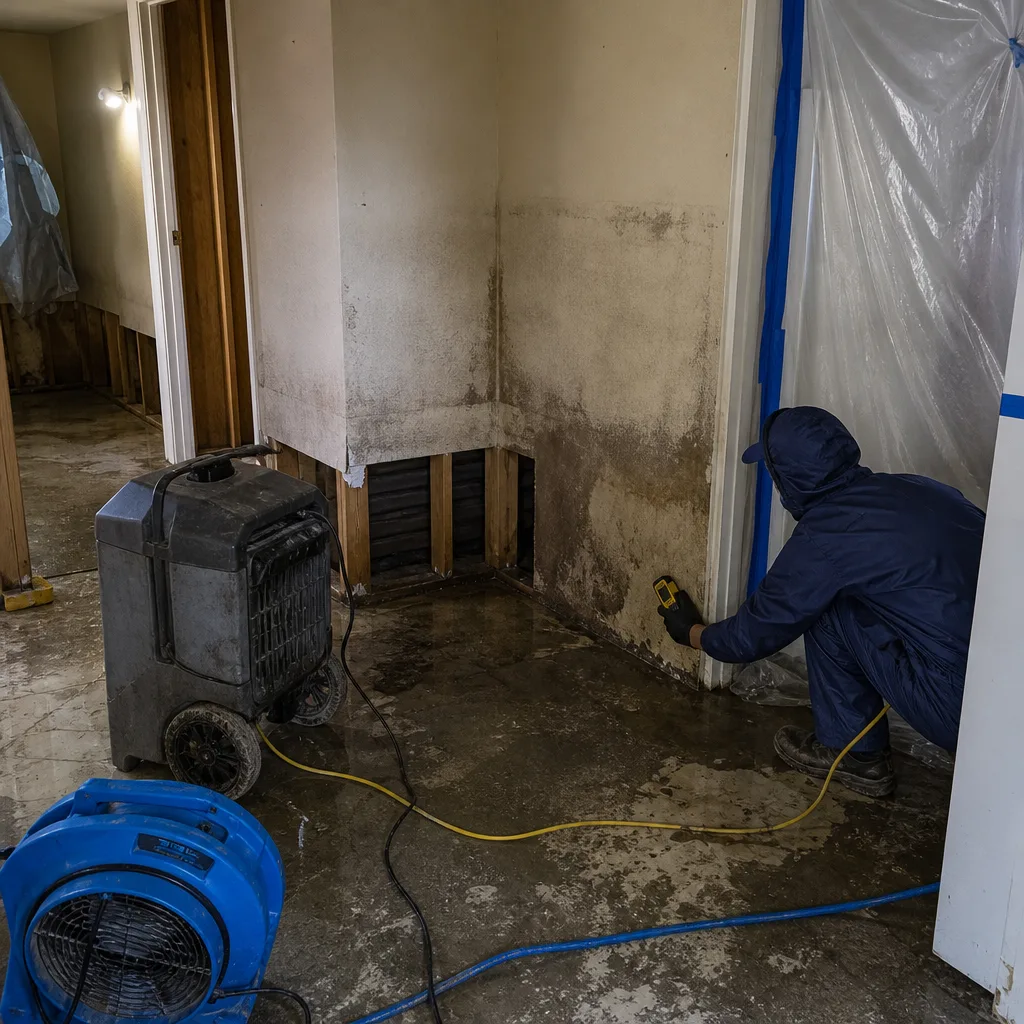
Every mitigation job in San Joaquin Hills includes daily moisture readings, a written drying plan, and photo documentation of every step. We’re not guessing when we tell you your walls are dry. We’re showing you the numbers from a penetrating moisture meter, the thermal imaging scans, and the drying curve that proves materials have returned to pre-loss condition. That documentation is what your insurer needs and what protects you if questions come up later.
Trusted Brands We Service in San Joaquin Hills
San Joaquin Hills homeowners live with certain brands everywhere you look: Wolf and Sub-Zero in the kitchen, custom cabinetry throughout, and increasingly, whole-home systems that monitor everything from leak detection to HVAC performance. When water damage hits, those systems don’t care how expensive they were. Our Water Damage Restoration team works around and within these high-end installations every week in 92657, protecting what’s salvageable and documenting exactly what isn’t. We service damage affecting homes with slab foundations, multi-level floor plans, expansive glazing packages, and below-grade spaces common to the canyon and ridge lots in this area. Restoration, not just cleanup, means we’re accountable for the entire building envelope, not just the visible wet spot. If your home has a wine room, a home theater, a custom library, or a view-side wall, we’ve dried one like it before.
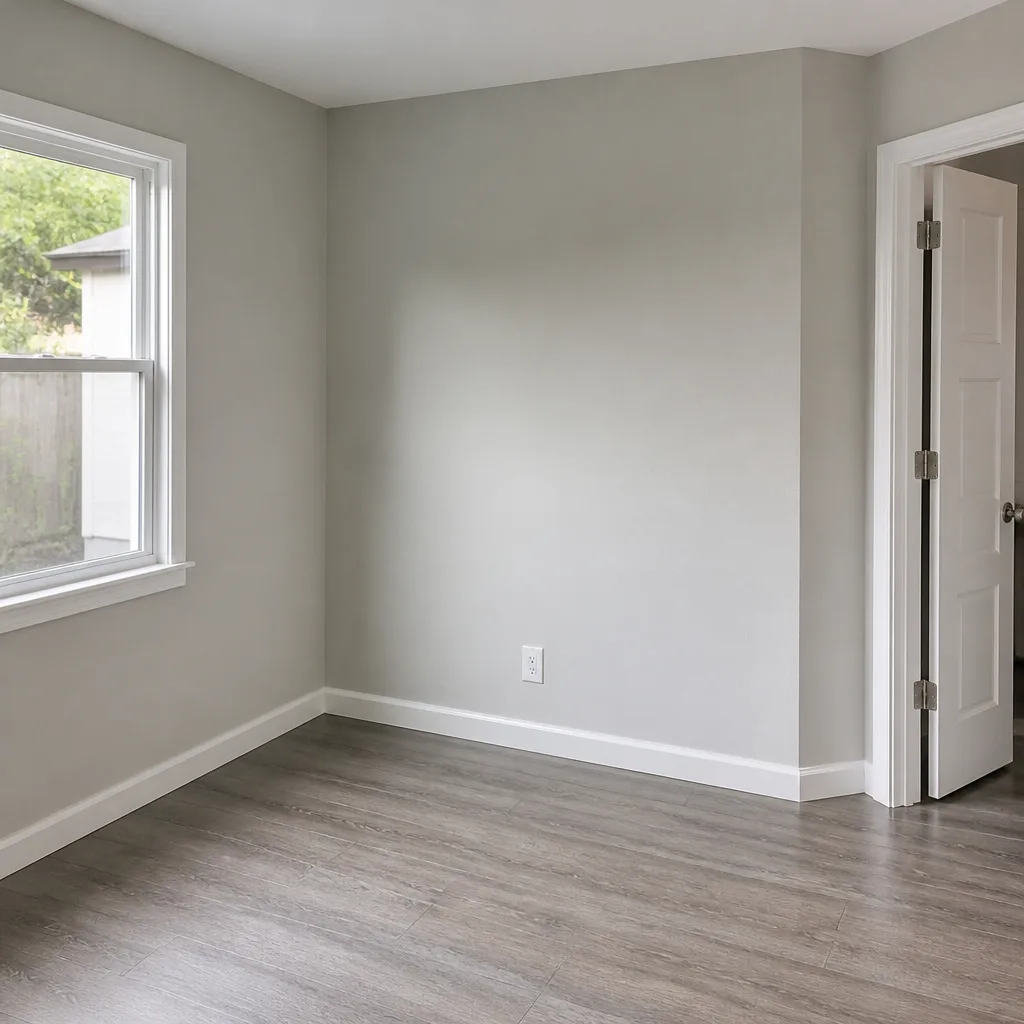
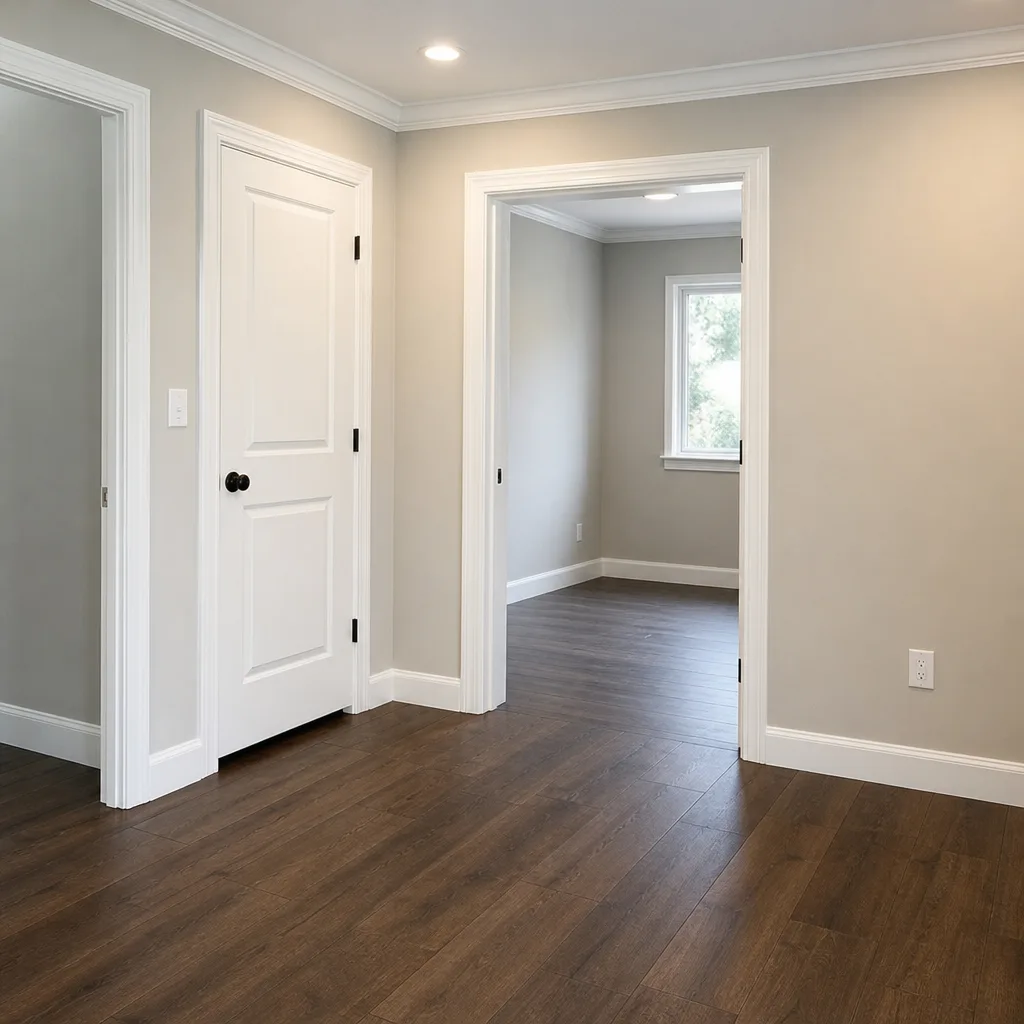
See the difference
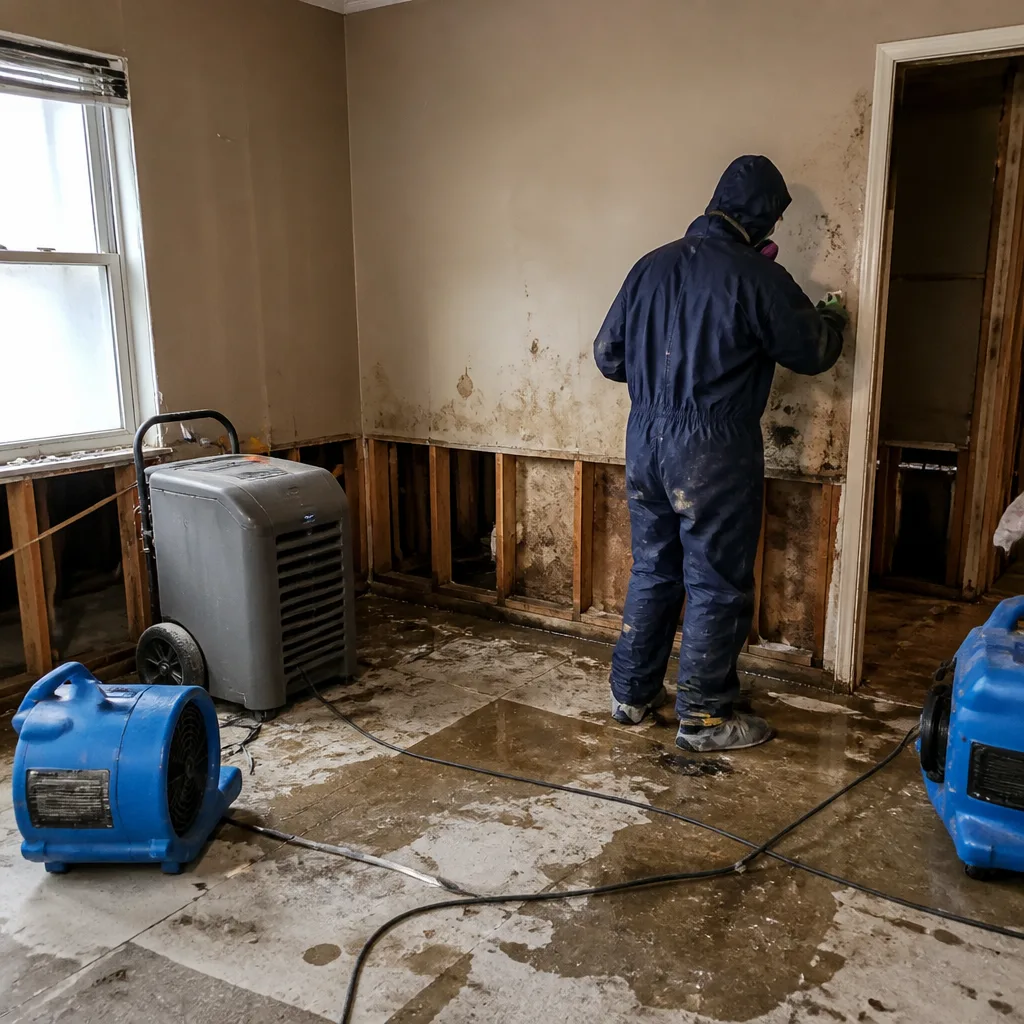 Before
 After
 Before
 After
 Before
 After
Common Water Damage Restoration Problems We See in San Joaquin Hills Homes
- Delayed lower-level intrusion behind retaining walls. Storm runoff travels through soil and collects against canyon-side retaining walls, then seeps into lower-level living spaces and garages days after the rain has stopped. By the time you see it, the water is often Category 2 or 3 and has already wicked upward into wall assemblies.
- Wind-driven rain at view-side glazing. Santa Ana and winter storm winds push water against expansive window walls and balcony door thresholds on the ocean-facing and canyon-facing elevations. The intrusion often starts at a corner joint or a weathered seal, then drains down inside the framing to the lowest point of the house.
- Stack-effect moisture migration in multi-level homes. Warm, moist air from a lower-level leak rises through walls and open stairwells in three-story hillside builds, depositing moisture in upper-level wall cavities far from the original source. Without thermal imaging, these upper-level pockets stay hidden until mold or odor gives them away.
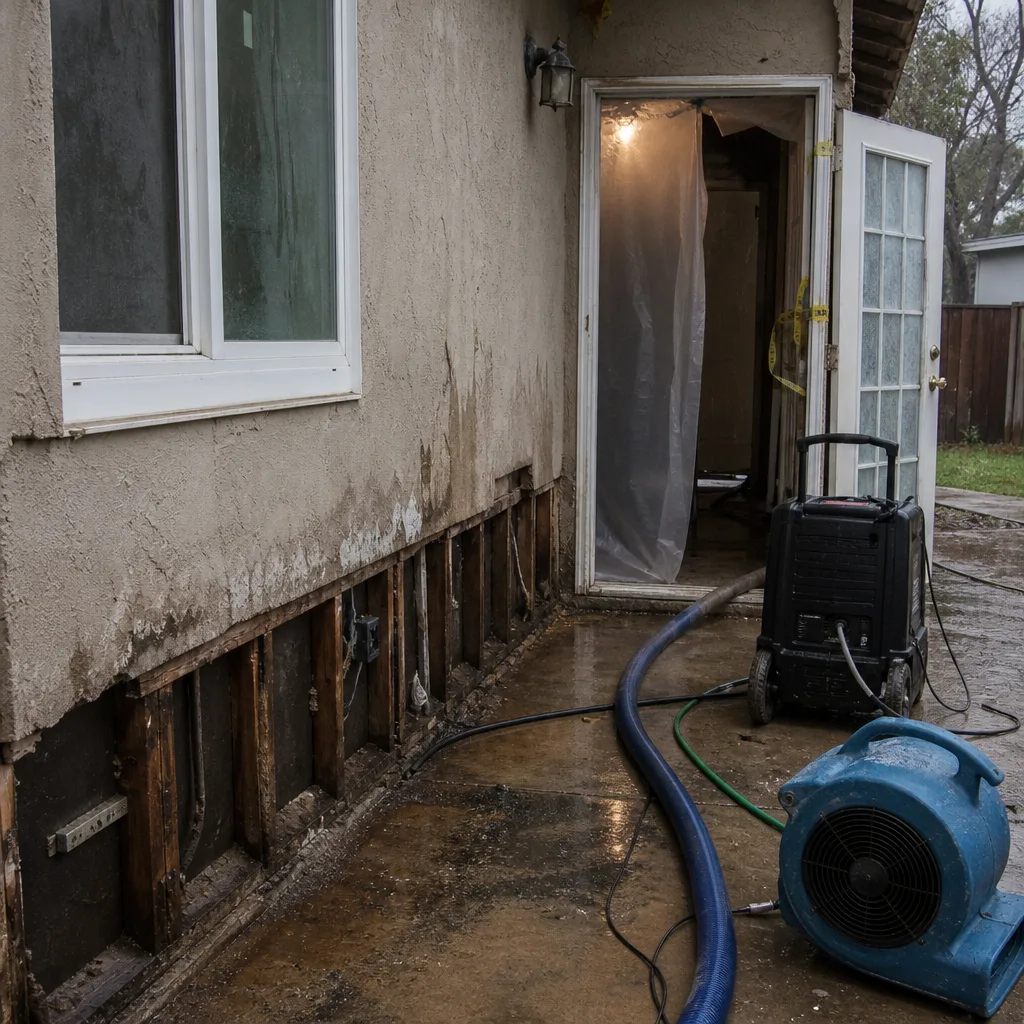
- Below-grade and slab-side saturation that won’t dry without negative pressure. On graded canyon pads, water that enters below grade wicks laterally through slab edges and sill plates. Consumer-grade drying setups can’t pull moisture from these assemblies. It takes pro-tier dehumidifiers like the Phoenix line and Injectidry panels to reach the hidden water.
Pricing for Water Damage Restoration in San Joaquin Hills, CA
What drives the cost? The category of water matters first. The square footage of affected drywall, flooring, and insulation matters second. The amount of hidden migration, the need for wall-cavity drying, and the finish quality of what must be replaced all push numbers up or down. We don’t charge for estimates, and we don’t bill on assumptions. Our team puts the scope in writing before work starts, so you know exactly what you’re approving. Call (877) 358-7678 and we’ll get you real numbers based on your property, not a generic price sheet.
We Also Serve Cities Near San Joaquin Hills
If you’re managing a property just outside San Joaquin Hills, we run the same IICRC-certified protocols and commercial-grade equipment in the surrounding communities. That includes San Joaquin Hills proper, plus Aliso Viejo to the east, Newport Beach and Laguna Beach along the coast, and Irvine to the north. Same documented drying, same direct insurance coordination, same expectation that hidden moisture gets found and removed, not painted over. Call (877) 358-7678 and tell us what you’re seeing.
Serving San Joaquin Hills, CA — Our Local Coverage Area
We’re based in the San Joaquin Hills area and know this community well. Use the map below to see our service coverage — if you’re nearby, we can almost certainly help.
FAQs About Water Damage Restoration in San Joaquin Hills
How does water intrusion in San Joaquin Hills differ from neighboring Irvine or Costa Mesa?
The difference is topography and housing stock. San Joaquin Hills homes sit on graded canyon pads and ridge lines behind retaining walls, so water enters laterally through soil and wall assemblies rather than from flat-lot plumbing failures. Irvine and Costa Mesa see mostly slab leaks and supply line breaks on level ground. In San Joaquin Hills, we’re frequently dealing with storm-driven water that traveled downhill, crossed soil, and entered below-grade spaces days after the rain stopped, which means the water category and the moisture mapping approach are fundamentally different. Call (877) 358-7678 and we’ll assess which scenario you’re dealing with.
Why does water sometimes appear in my lower-level living space days after the rain stops?
Because the water didn’t enter your home during the rain. It moved through the ground. On steep San Joaquin Hills lots, storm water saturates the soil, collects against canyon-side retaining walls, and slowly seeps through drainage gaps, wall joints, or below-grade assemblies. The damage shows up in your lower-level living space or garage days later, after the sun is back out and the storm is a memory. By then the water has often crossed enough soil and building material to be Category 2 or 3, which changes the mitigation and safety protocol. The fix starts with proper moisture mapping, not just extracting what you can see.
What is the difference between Category 1, 2, and 3 water, and why does it matter for my San Joaquin Hills home?
Category 1 is clean water from a supply line or a faucet. Category 2 is gray water that has picked up contaminants from building materials, soil, or organic matter. Category 3 is black water that contains sewage, pathogens, or heavy soil contamination. In San Joaquin Hills, a lower-level intrusion that traveled through hillside soil is almost always Category 2 or 3, regardless of how clean it looks. That matters because Category 2 and 3 water requires containment, contaminated material removal, and sanitizing protocols that a simple extraction-and-dry job doesn’t need. We assess category on every 92657 job before we place a single air mover.
Can you dry out a wine room or high-value finishes without a full pack-out?
In many cases, yes. We use Injectidry wall-cavity drying panels and Phoenix or Dri-Eaz dehumidifiers to pull moisture from behind finished surfaces, cabinets, and built-ins without tearing everything apart. The key is acting before saturated materials reach the point of irreversible damage. If your wine room or custom millwork has been wet for days, some pack-out may be unavoidable, but our first calculation is always how to save what’s there. The sooner you call (877) 358-7678, the more options we have to protect high-value finishes.
How do Santa Ana winds and wildfire smoke affect water damage restoration here?
Santa Ana events don’t cause water damage directly, but they create the conditions that make restoration calls worse. After a fire on the hillsides above San Joaquin Hills, the next hard rain runs off burned, hydrophobic soil faster and with more debris, which accelerates mud and water movement toward retaining walls and lower-level structures. Wind-driven rain can also force water into glazing seals and balcony door assemblies that stayed dry during normal rainfall. The same wind events that carry embers also dry out and crack caulking and flashing, creating entry points for the next storm. Our restoration team accounts for these seasonal cycles when we assess a 92657 property.
Contact San Bernardino Restoration Co for Water Damage Restoration in San Joaquin Hills
When water is moving through your San Joaquin Hills home, every hour matters. We’ll get a certified technician to your property fast, with the commercial-grade equipment and the written documentation your insurance claim requires. From extraction to clearance, one specialized team handles the entire job, no coordination gaps, no guessing about whether the walls are actually dry. Call (877) 358-7678 now for a free estimate. We’re ready to walk your property, find the hidden water, and restore your home to pre-loss condition the right way.
Written by Noel Armenta, Owner at San Bernardino Restoration Co, serving San Joaquin Hills and surrounding Orange County communities.