
 Water damage drying
 Fire & smoke cleanup
 Mold remediation
 Storm response
 Sewage cleanup
 Reconstruction
Free visual inspection and a written scope of work before any mitigation begins - photos, moisture readings, and drying logs go in your claim file
The scope we write is the scope we bill. Anything new gets shown to you, in writing, before we touch it.
Get your free estimateFast, Reliable Water Damage Restoration Across Pomona
Water damage restoration in Pomona typically costs between $1,800 and $6,500 depending on how far the water traveled and whether it reached framing, plaster, or subfloor. Most jobs we handle in the 91766, 91767, 91768, and 91769 ZIP codes are scoped, documented, and underway within hours of the first call, not days. Call (877) 358-7678 the moment you see standing water, a spreading stain, or a musty smell you can’t place. We run IICRC-certified water damage restoration protocols with professional-grade equipment from the first truck roll, not after the damage has already compounded.
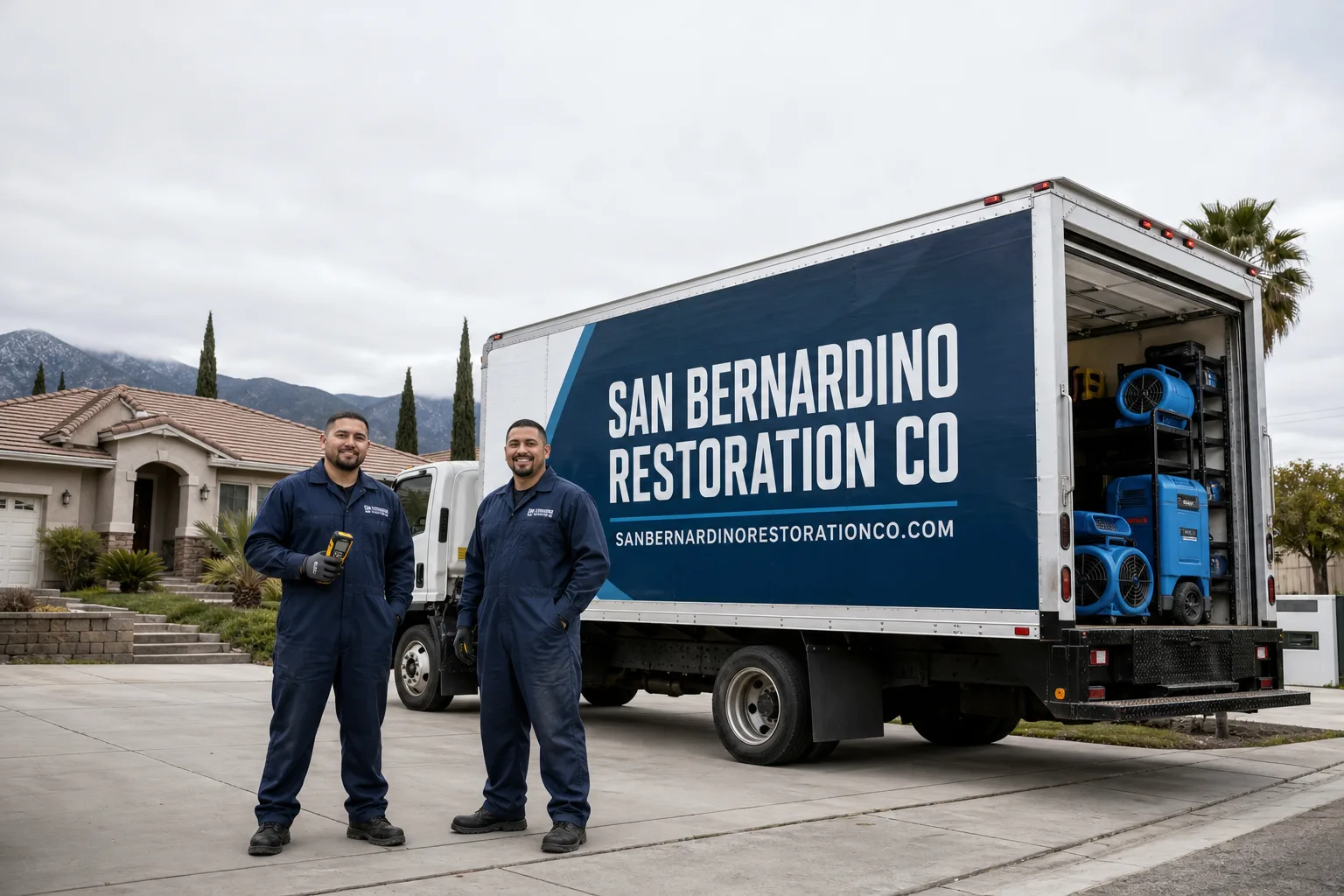
Noel Armenta built San Bernardino Restoration Co to run like the commercial-grade restoration crews he trained with, because Pomona’s housing stock doesn’t give you much grace when water gets loose. Tight lot lines, shared walls, clay soil, and 70-year-old plaster all change how a water event behaves, and guessing wrong costs you time and money. We document moisture readings, photo everything for your adjuster, and never start tear-out without a written scope agreed first.
Key Takeaways
- Two distinct water damage profiles exist in Pomona: crawlspace flooding in the clay-heavy flats and wind-driven intrusion near the foothills.
- Aging galvanized plumbing and original plaster walls mean water travels farther before you see it.
- IICRC-certified technicians with Dri-Eaz, Phoenix, and Injectidry systems on every Water Damage Restoration job.
- Same storm, different scopes: 91766 needs subfloor drying, 91768 needs roof and window remediation.
- Direct insurance documentation and adjuster coordination included from extraction to clearance.
Restoration work we handle
Why San Bernardino Restoration Co Is Pomona’s Preferred Water Damage Restoration Company
Pomona is a two-front restoration market, and most companies only know how to fight on one. That’s not a knock on them so much as a reality of the geography. The pre-war flats south of the 10 around the 91766 core were built on clay-heavy alluvial soil that holds water against raised foundations and crawlspaces. The foothill-adjacent streets up north in 91768 and 91797 catch the full force of Santa Ana wind events that tear at roof edges, flashings, and window seals. A single winter storm sends us to both zip codes for completely different reasons, and we’ve learned to scope each job accordingly.
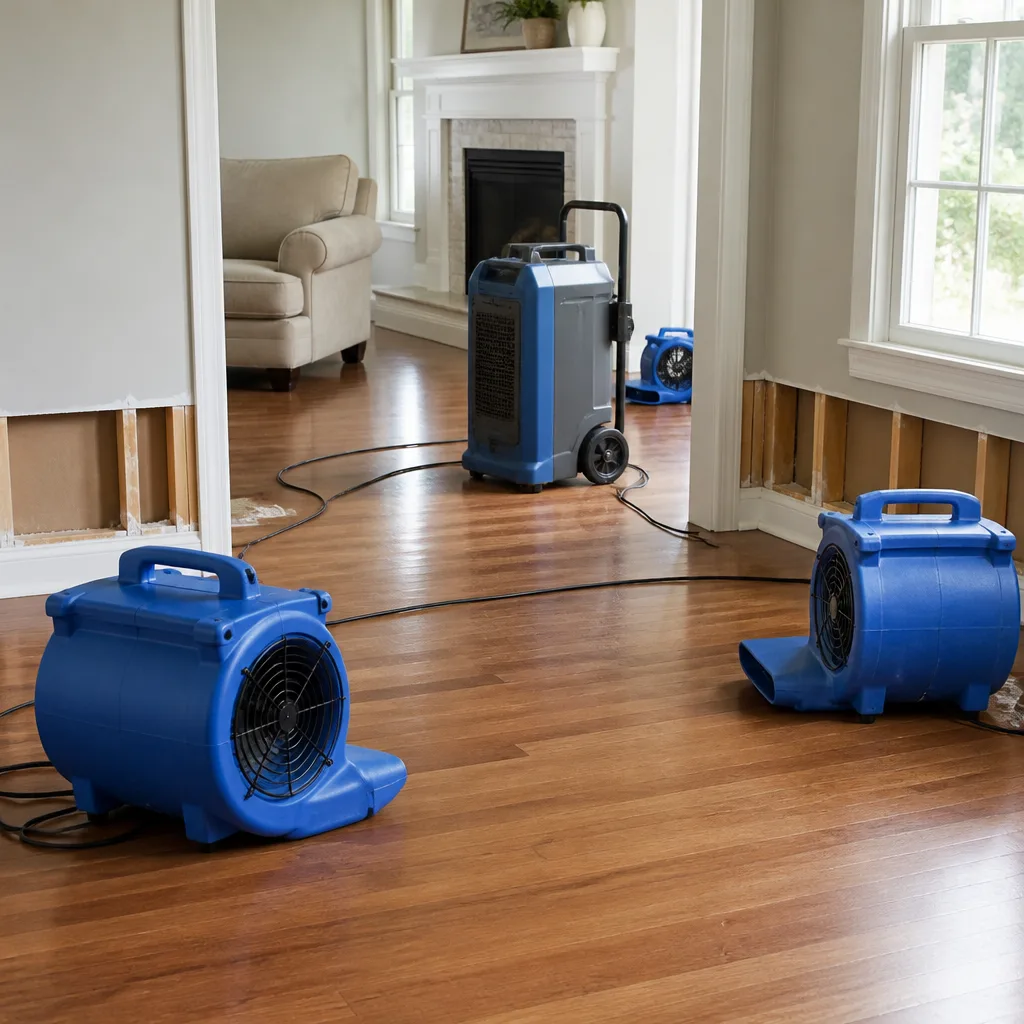
Noel Armenta and our Pomona crews understand the difference between a category 1 clean-water event and water that’s already degrading toward category 3 after sitting in a warm crawlspace for 36 hours. We don’t send a generalist with a rented extractor. We send IICRC-certified technicians with Dri-Eaz dehumidifiers, Phoenix air movers, and Injectidry wall-cavity drying systems, the same equipment trusted on large commercial losses.
Our reputation in Pomona is built on showing up with a plan, documenting everything, and finishing with a scope the adjuster can actually read. Homeowners in the Ganesha Hills, Phillips Ranch, and downtown Pomona neighborhoods regularly tell us the same thing: they’d already called someone else, got a vague answer, and called us second. We’d rather be the second call that gets it right than the first call that guesses.
Flood Damage Restoration in Pomona
Flood damage restoration in Pomona is shaped by the city’s geography in predictable ways. When a winter storm pounds the San Gabriel foothills and overwhelms the older drainage systems in the flats, homes on 91766 and 91767 streets like Holt Avenue corridor, Garey Avenue corridor, and the Phillips Ranch area see water pushing up through their pier-and-beam foundations. Flood damage restoration typically runs $2,200 to $7,000 in Pomona depending on square footage and how much subfloor and insulation got saturated. The first 48 hours determine whether you’re drying or tearing out.
Crawlspace Extraction and Foundation Drying
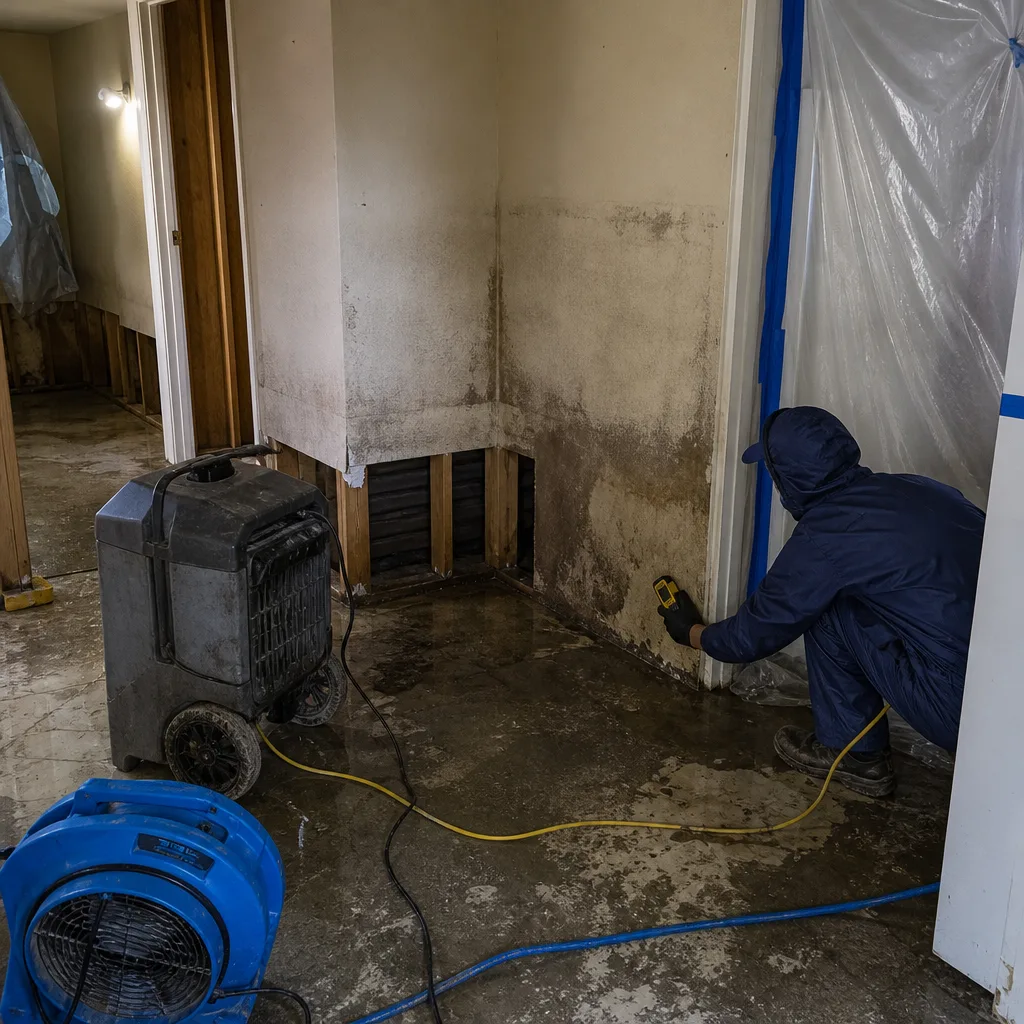
Raised foundations in Pomona’s pre-1950 housing stock are the primary flood casualty. Clay soil doesn’t drain, so storm water pools under the house and wicks upward through joists, subfloor, and original plaster. We run moisture mapping, set containment, and place low-grain refrigerant dehumidifiers under the structure while Injectidry mats pull trapped water from cavities without demolition.
Storm Water Intrusion Through Aging Building Envelopes
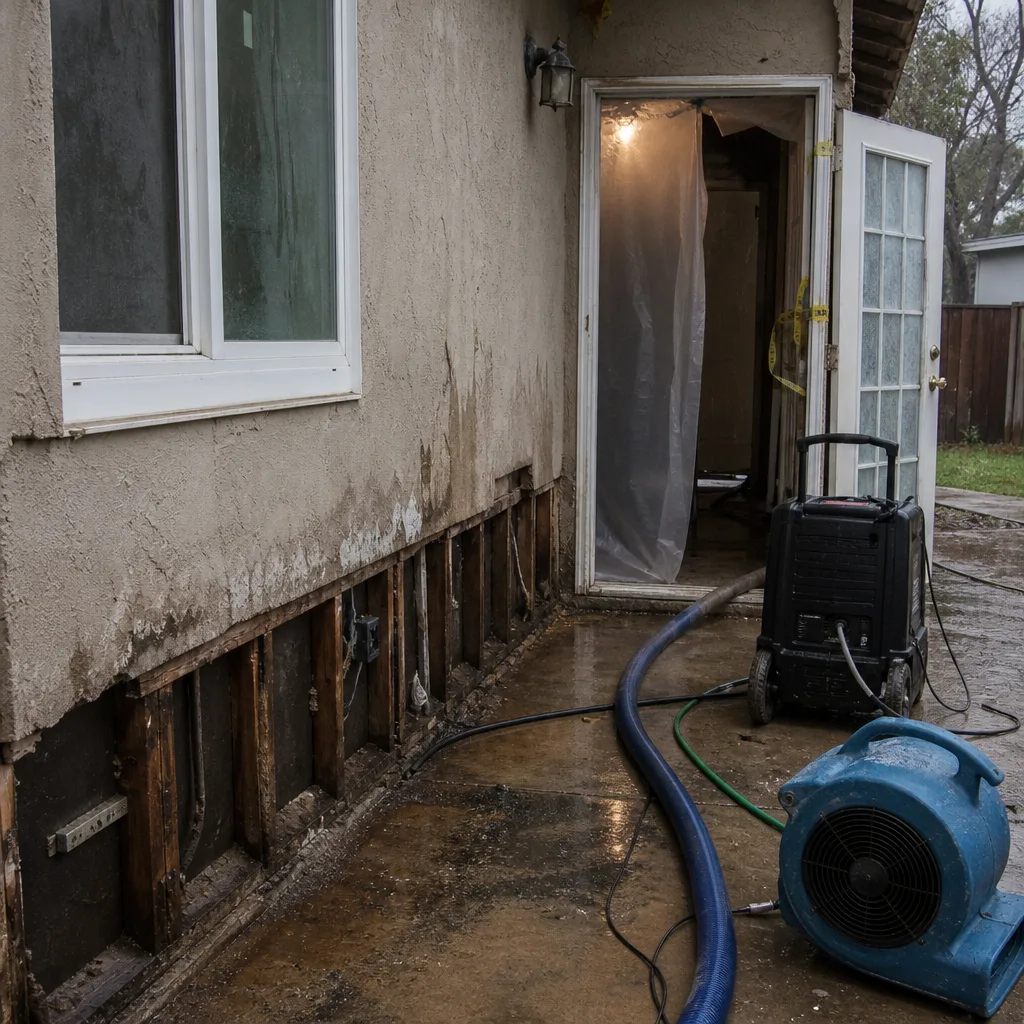
Foothill-adjacent Pomona homes take water differently. Wind-driven rain finds failing composition shingle edges, corroded flashings, and old window seals, sending water behind stucco and into insulation. Our crews address the intrusion point first, then dry the cavity to IICRC standards before any repair work starts.
Water Damage Cleanup in Pomona
Water damage cleanup in Pomona isn’t just mopping floors and calling it a day. The city’s semi-arid climate means wood framing, roofing, and caulking are often dry and cracked before the water ever arrives, so leaks spread through wall cavities faster than you’d expect. Cleanup runs $900 to $3,400 in Pomona for contained events, and $4,500 to $9,000 when water has reached multiple rooms or a crawlspace. The faster we get extraction and drying started, the less you spend on rebuild later.
Category 1 to Category 3: What Changes During Cleanup
We classify water the moment we arrive. Category 1 is clean supply line or rainwater caught early. Category 2 has contaminants, often from a dishwasher overflow, washing machine failure, or a roof leak that picked up dust and debris. Category 3 is the one that makes us recommend full containment and antimicrobial treatment: sewage backup, storm drain overflow, or any water that’s been sitting long enough to grow bacteria. In Pomona’s tight townhome and alley-accessed properties, category 1 water left too long degrades fast because air movement is hard to establish quickly.
Plaster and Pier-and-Beam Drying Without Unnecessary Tear-Out
Original plaster walls from the 1920s through the 1950s are common in Pomona, and tearing them out is expensive and destructive. We use Injectidry mats inside wall cavities and under subfloors to dry in place wherever materials are salvageable. We only open what the moisture readings say needs to open, and the adjuster gets the numbers to support every cut.
Trusted Brands We Service in Pomona
We work on all makes and models of plumbing and water systems found across Pomona’s housing stock, from original galvanized lines in 1920s bungalows to early copper in 1950s-era Pomona tracts and modern townhomes in Phillips Ranch. Our trucks carry a range of common fittings and replacement parts sized for the pipes, valves, and supply lines we see most often across 91766, 91767, 91768, and 91769. Because we work from a stock of Dri-Eaz dehumidifiers, Phoenix air movers, and XPOWER extraction tools, we aren’t waiting on a rental house to get equipment to a Pomona job site. That matters when the fix is time-sensitive to saving your floors.
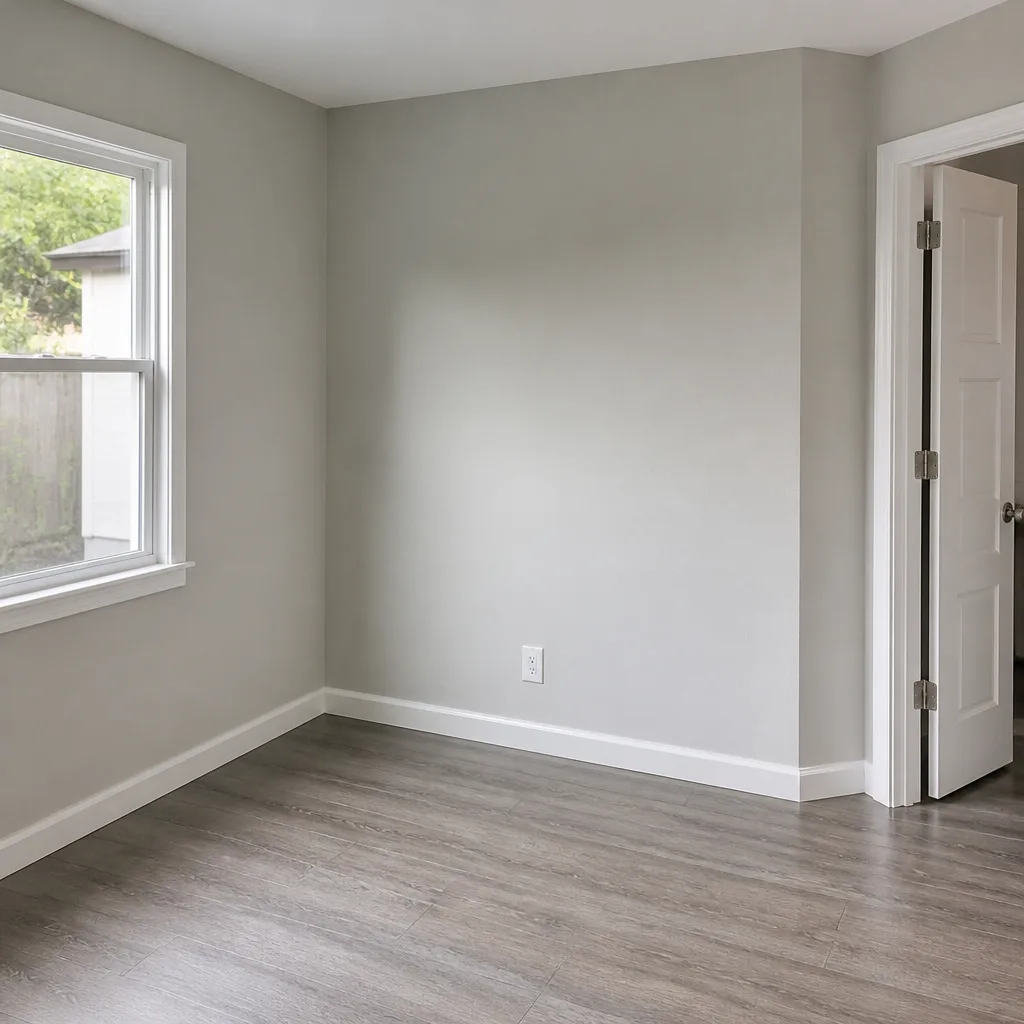
See the difference
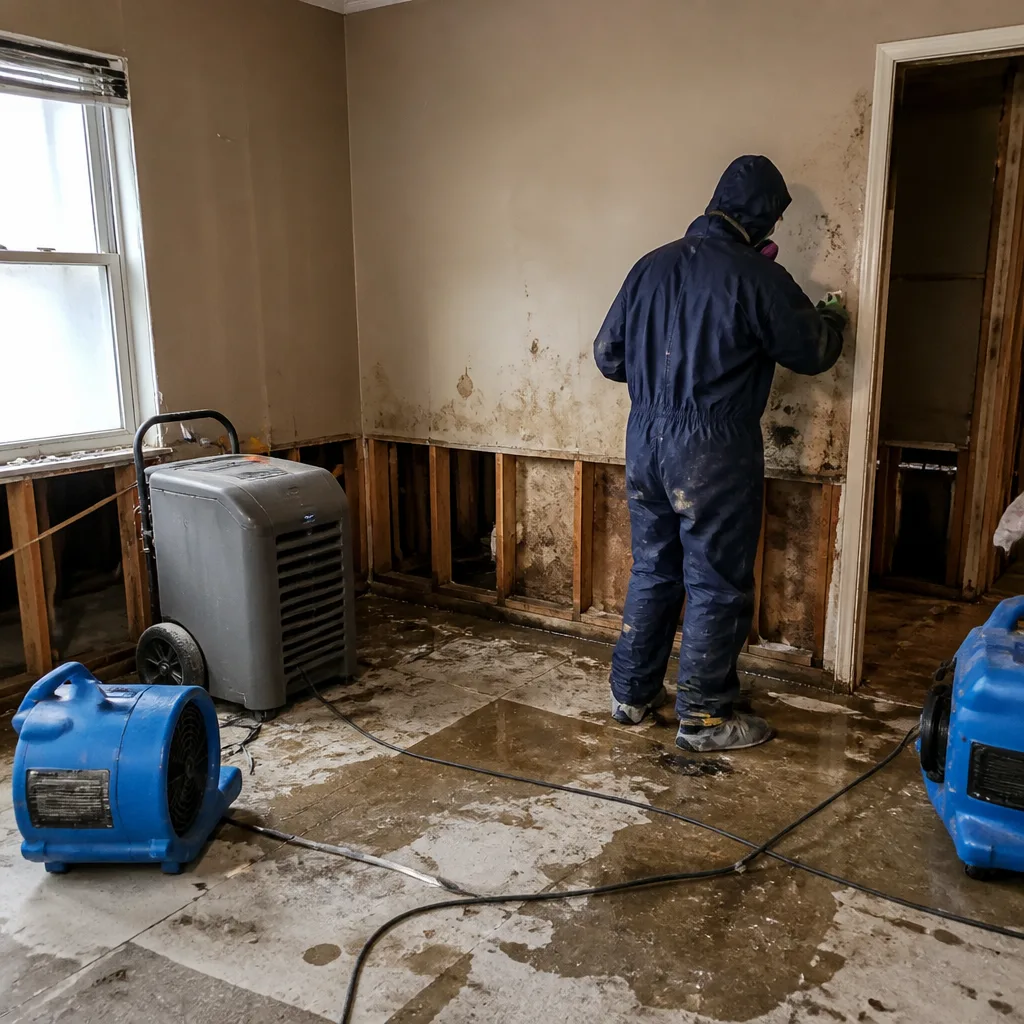 Before
 After
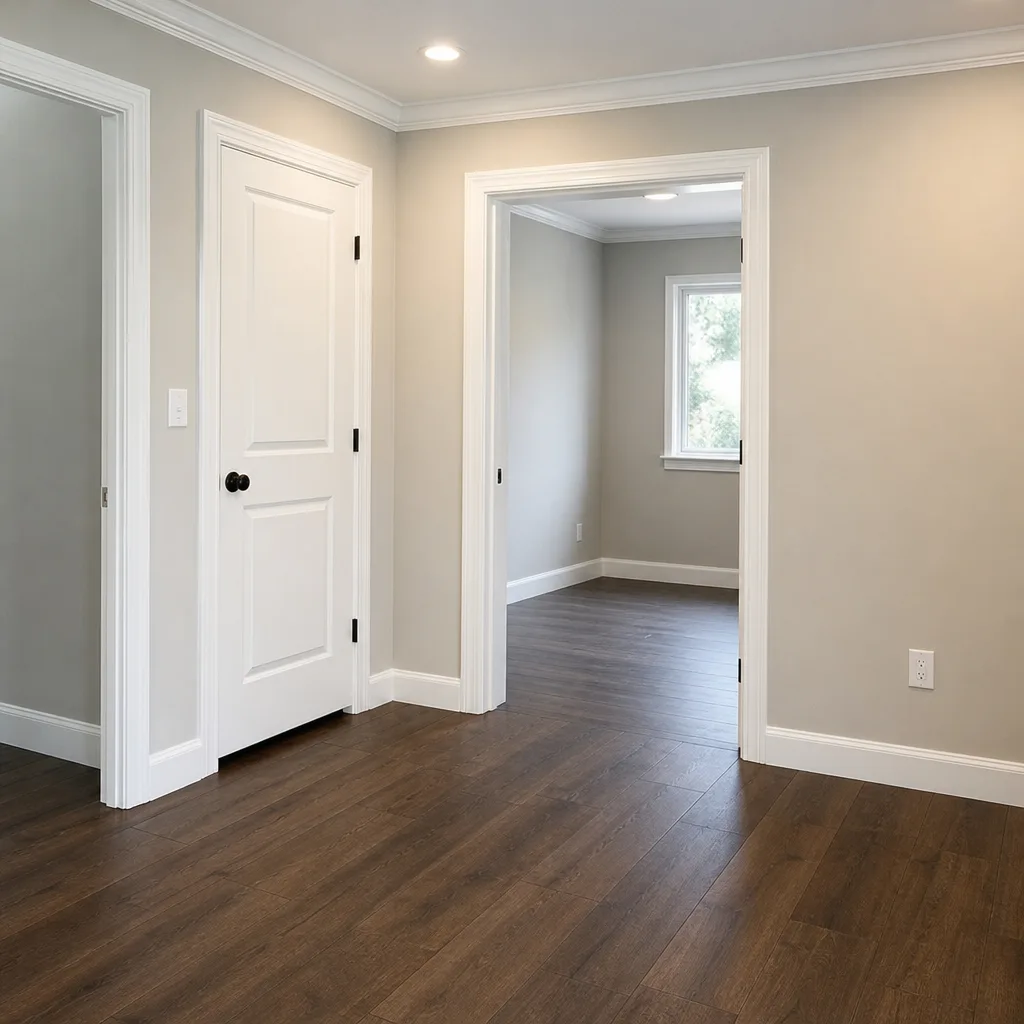
 Before
 After
 Before
 After
Common Water Damage Restoration Problems We See in Pomona Homes
- Crawlspace flooding in the 91766 flats: Clay-heavy soils hold storm water against raised foundations, and the damage is often invisible until plaster starts staining. By the time homeowners call, moisture has typically spread through the subfloor.
- Slow pinhole leaks in galvanized plumbing: Pomona’s pre-1960 homes still have original galvanized or early copper supply lines. Small leaks run inside wall cavities for weeks before you see a stain, thanks to the dry climate that evaporates surface moisture quickly.
- Wind-driven roof and window intrusion near the foothills: Santa Ana events in fall and early winter push rain under shingle edges and window flashing. Homes in 91768 and 91797 get water behind stucco and into insulation long before it shows on ceilings.
- Tight alley access and shared townhome walls in the dense core: Downtown Pomona and the older multi-family buildings around the 91766 core make it hard to position air movers and establish containment quickly. Without good air flow, category 1 water degrades faster.
Pricing for Water Damage Restoration in Pomona, CA
Water extraction and drying on a contained burst pipe in Pomona runs $1,800 to $4,200. Flood damage restoration across a wider area, including crawlspace work, runs $3,500 to $8,500. If mold has already started, remediation adds $2,500 to $7,000 depending on the affected square footage and whether containment is required. The factors that move your number: water category, how long it sat, whether framing and insulation are saturated, and access conditions around your property. Tight alley access or townhome shared walls can slow drying and add labor. Every estimate we give in Pomona is written, itemized, and photo-documented, so you know exactly what you’re paying for before work starts. Call (877) 358-7678 for a free estimate.
We Also Serve Cities Near Pomona
San Bernardino Restoration Co provides Water Damage Restoration across the eastern San Gabriel Valley and Pomona Valley. Our crews regularly respond to jobs in La Verne, Claremont, Montclair, and Los Serranos, bringing the same IICRC-certified protocols and professional-grade equipment to every call. Serving Water Damage Restoration in Pomona means we’re positioned to move across the area quickly.
Serving Pomona, CA — Our Local Coverage Area
We’re based in the Pomona area and know this community well. Use the map below to see our service coverage — if you’re nearby, we can almost certainly help.
FAQs About Water Damage Restoration in Pomona
The 91766 flats in Pomona sit on clay-heavy alluvial soil that drains poorly, so winter storm water pools against raised foundations and finds its way into crawlspaces. Once under the house, the water wicks up through joists and into original plaster walls that homeowners don’t notice until damage has spread. Call us at (877) 358-7678 if your crawlspace smells musty after rain, we’ll map the moisture and dry it before mold takes hold.
Mold can start within 24 to 48 hours after a wind-driven roof leak in the foothill-adjacent neighborhoods of Pomona, especially when the semi-arid climate has already dried out framing and caulking, creating perfect conditions for water to spread through wall cavities. The sooner we get airflow and dehumidification established, the less likely you’ll need full mold remediation. Call (877) 358-7678 the day you spot a ceiling stain.
Category 1 is clean water from supply lines or rain that hasn’t picked up contaminants yet, Category 2 contains significant contamination from sources like dishwashers or washing machines, and Category 3 is grossly contaminated water from sewage or storm drain backups. In Pomona townhomes with shared walls, category 1 water left sitting for more than 48 hours can degrade to category 2 or 3 because of restricted airflow. We classify the water on arrival and adjust the scope accordingly. Call (877) 358-7678 for an evaluation.
Yes, in many Pomona pier-and-beam homes we dry the structure in place using Injectidry mats under the subfloor and inside wall cavities while Dri-Eaz dehumidifiers pull moisture from the air, avoiding unnecessary demolition of original plaster. We only cut what moisture readings prove is unsalvageable. Call (877) 358-7678 and we’ll assess your home’s specific conditions.
Alley access and tight parking in downtown Pomona can make it harder to position air movers, run extraction hoses, and establish proper containment quickly, which slows drying and increases the chance of category 1 water degrading. Our crews plan equipment staging around Pomona’s alley-loaded properties and shared walls, bringing smaller-footprint Dri-Eaz and XPOWER units sized for tight spaces. Call (877) 358-7678 and we’ll work with your access constraints.
Written by Noel Armenta, Owner at San Bernardino Restoration Co, providing IICRC-certified water damage restoration across Pomona and the surrounding Pomona Valley.