 Water damage drying
 Fire & smoke cleanup
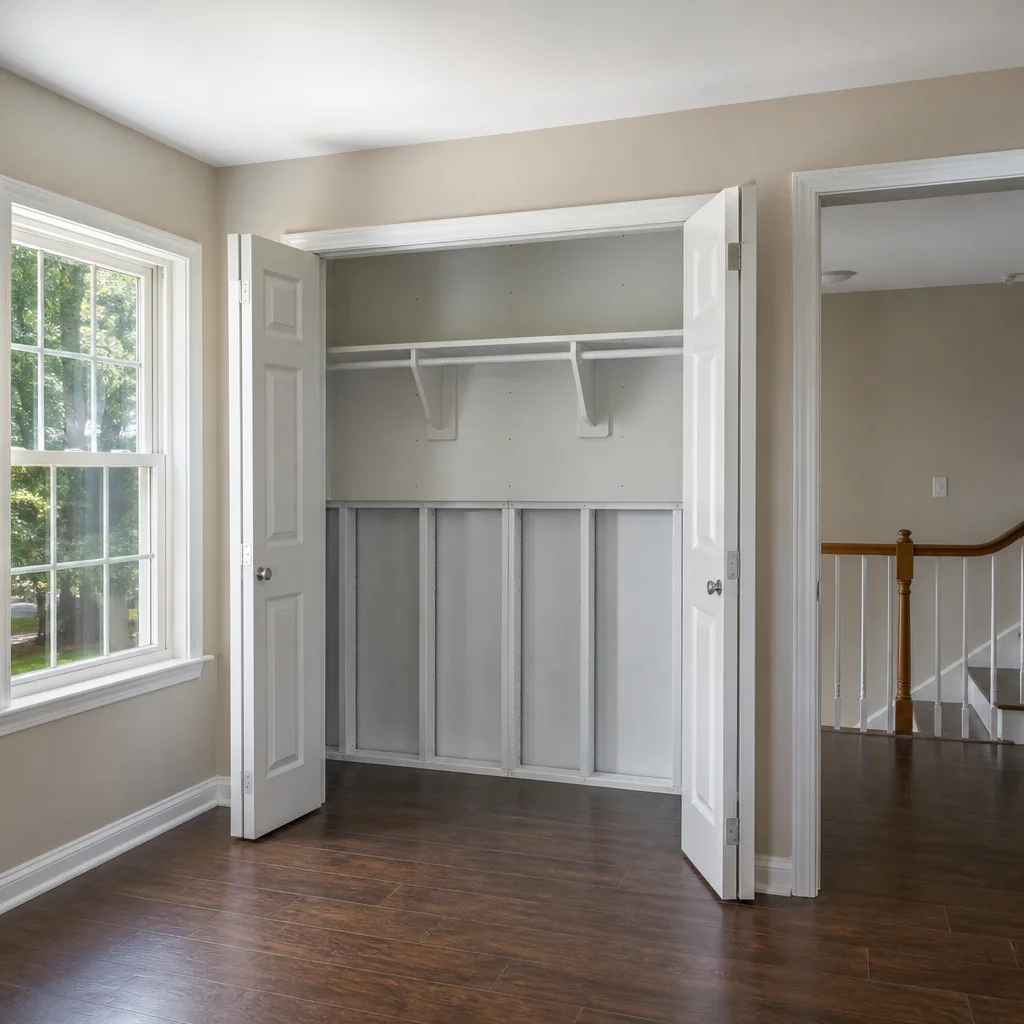 Mold remediation
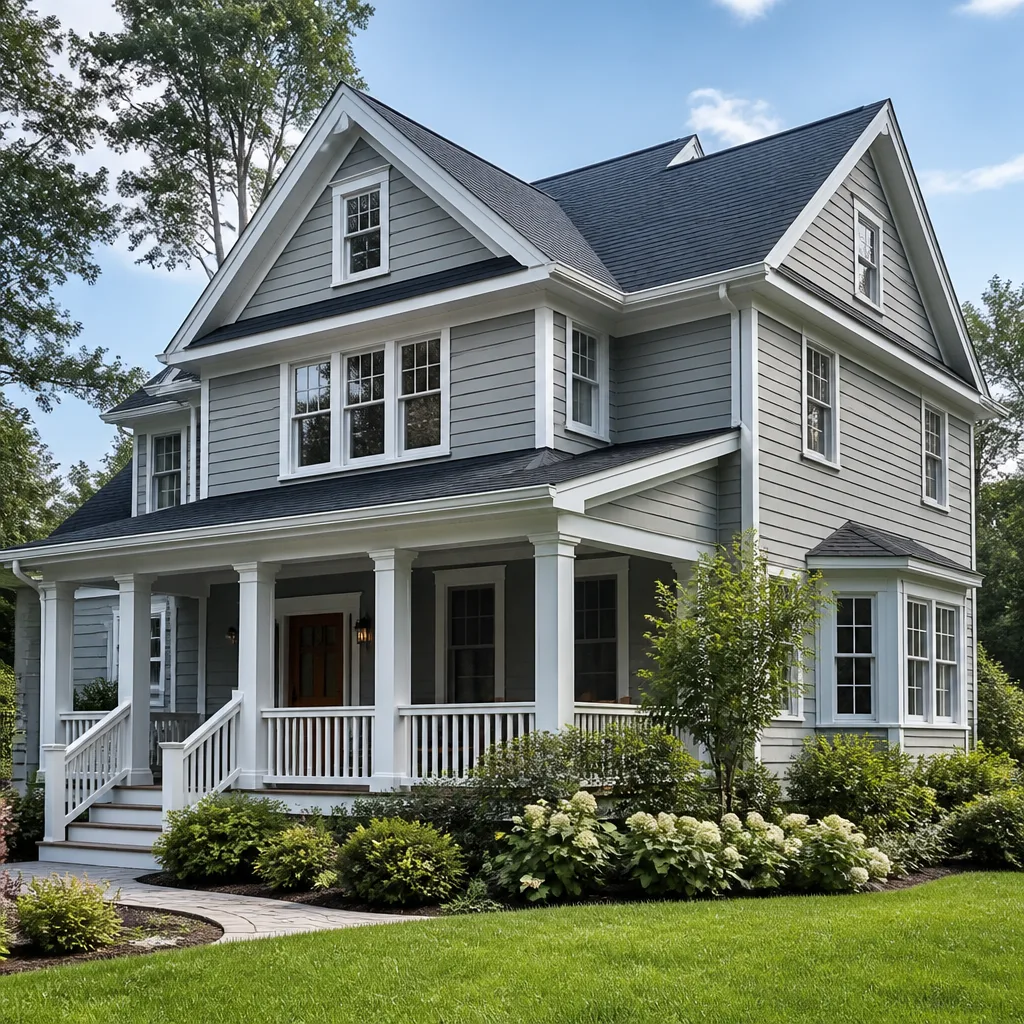 Storm response
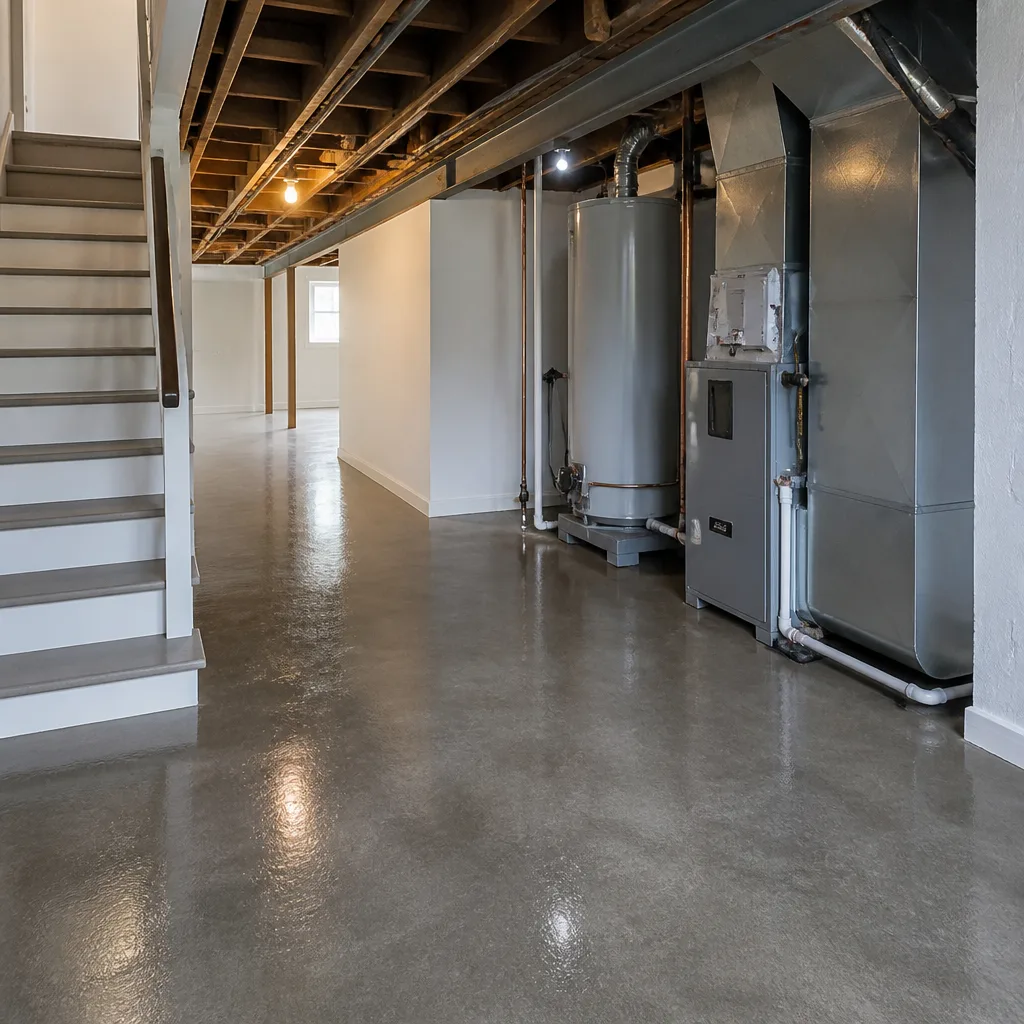 Sewage cleanup
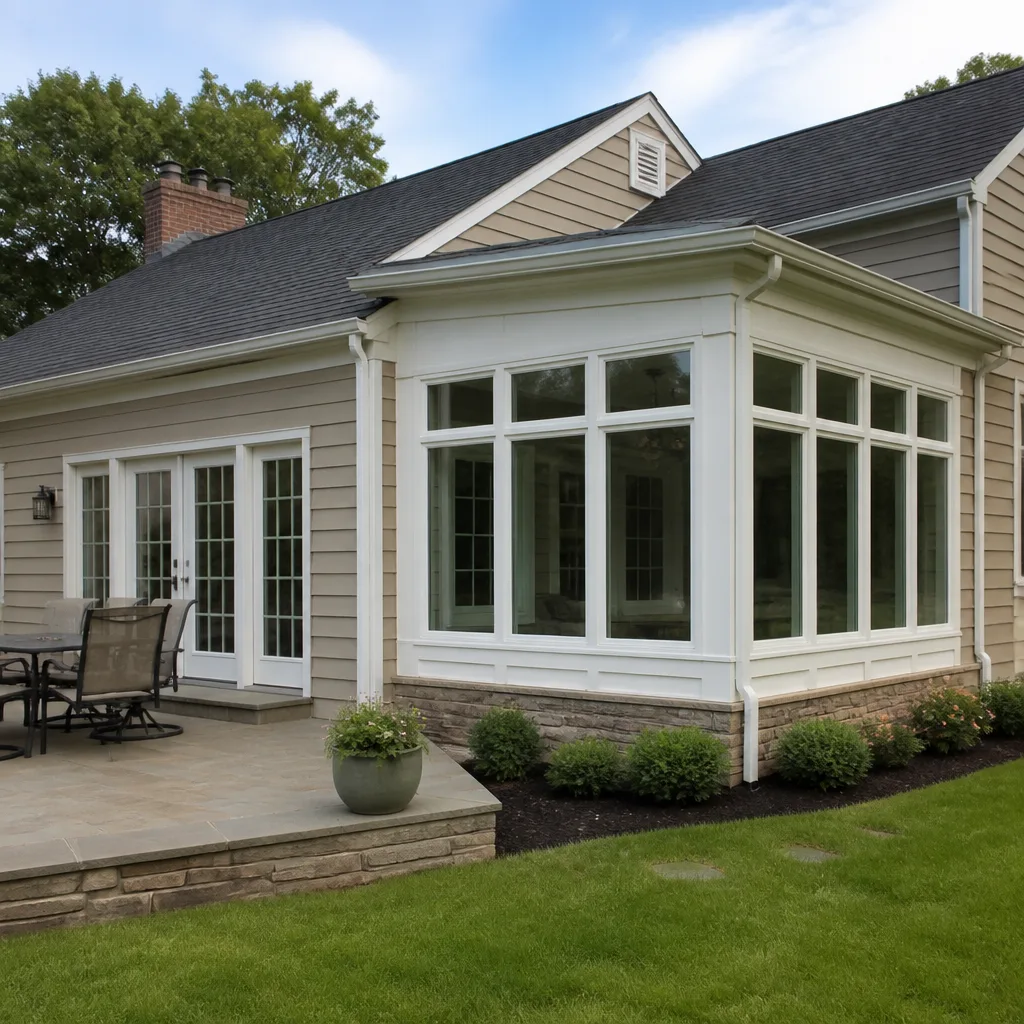 Reconstruction
Free visual inspection and a written scope of work before any mitigation begins - photos, moisture readings, and drying logs go in your claim file
The scope we write is the scope we bill. Anything new gets shown to you, in writing, before we touch it.
Get your free estimateFast, Reliable Water Damage Restoration Across Corona
Water damage in Corona moves fast. The city sits at the bottom of the Santa Ana River watershed, and when a winter atmospheric-river storm pushes sheet flow through the older street grid near Grand Boulevard and 6th Street, water doesn’t wait for a convenient time to show up. Our Water Damage Restoration team handles everything from emergency water extraction to full structural drying, and we know Corona’s housing stock well enough to know that a 1920s bungalow needs a different approach than a 2000s tract home off Foothill Parkway. Call (877) 358-7678 the moment you see water. Minutes matter. We’re licensed, insured, and IICRC-certified, and we’ll walk you through what’s happening before a single fan gets plugged in.
Why San Bernardino Restoration Co Is Corona’s Preferred Water Damage Restoration Company
We didn’t set out to be every city’s restoration company. We set out to be the one Corona homeowners call when they’re standing in an inch of water and need someone who actually understands what they’re looking at. Corona’s housing stock runs from early-1900s citrus-era bungalows with pier-and-beam subfloors to 1990s-2000s stucco tract homes on slab foundations, and those two homes have almost nothing in common when they flood. We’ve worked both. Our technicians carry moisture meters and thermal imaging as standard equipment, not as an upsell. When we dry a crawlspace off 6th Street, we’re reading actual moisture content in the framing, not guessing when it’s dry enough.
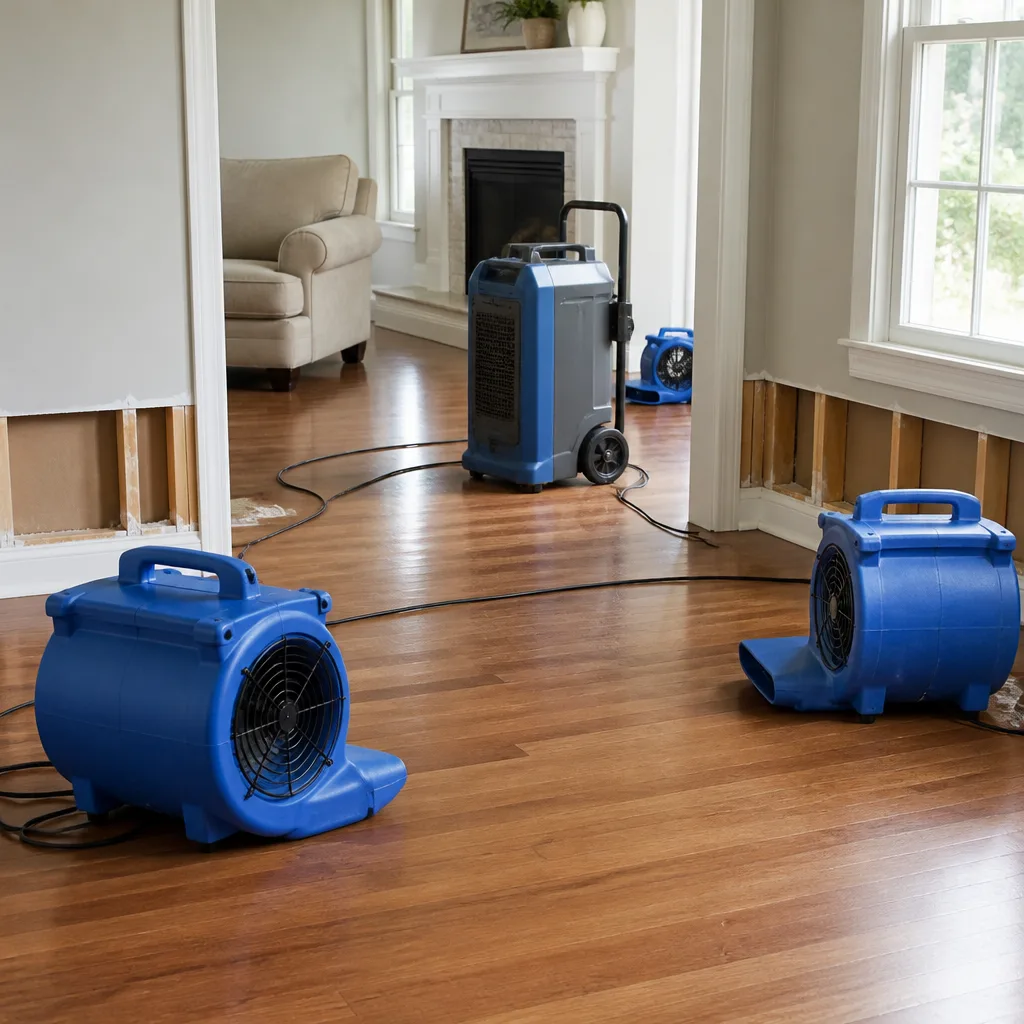
The work is done by IICRC-certified technicians, which means every extraction and drying protocol follows the restoration industry’s most rigorous international standard. We run Dri-Eaz and Phoenix dehumidifiers, XPOWER and B-Air air movers, and Injectidry wall-cavity drying systems. The equipment matters because a consumer-grade fan and a shrug don’t save a house. A professional drying plan does. We also carry dual industry-association standing through the Restoration Industry Association (RIA) and IFA, which means we’re accountable to a professional peer community, not just our own marketing. Noel Armenta leads the team, and the standard is simple: dry it right the first time and document everything for insurance.
Serving Corona means understanding both halves of this city’s exposure. The historic core floods. The foothill edges face wildfire smoke and ember damage. The same truck often carries flood gear and soot sponges. That’s not a tagline. It’s the reality of restoring property in this specific geography.
Restoration work we handle
Flood Damage Restoration in Corona
Flood damage restoration in Corona usually means one of two things: water that rose from outside during a big storm, or water that backed up from aged drains inside the house. Both are ugly. Both need to be addressed within hours, not days. A typical flood damage restoration job in Corona runs $2,500 to $8,500 depending on how far the water traveled, what it touched, and whether structural drying is needed. When the Santa Ana River corridor floods and sheet flow moves through the low-lying streets near Grand Boulevard, we’re pulling standing water from living rooms, garages, and crawlspaces across 92879 and 92882. The older homes in that part of Corona sit on pier-and-beam, which means water gets under the house and stays there unless someone physically removes it.
Stormwater Intrusion on the Historic Core
Corona’s oldest neighborhoods drain toward the river corridor, and when a winter atmospheric-river storm hits hard, the street grid becomes a drainage channel. We’ve seen water enter through doors, foundation vents, and floor registers. The fix starts with high-capacity extraction, then moves to airflow and dehumidification. On pier-and-beam homes, the crawlspace is almost always involved. We pull water from the subfloor cavity, map moisture throughout the framing, and run Dri-Eaz dehumidifiers until the wood reads dry.
Drain Backup and Galvanized Pipe Failure
Aged galvanized drains in 1950s-60s ranch homes off 6th Street were not built for the volume of water an atmospheric-river storm can deliver. When those drains back up, water wicks into subfloors and original hardwood. Homeowners often think they have a slab leak. It’s usually the drain system. We trace the source, extract the water, and dry the structure before mold gets a 24- to 48-hour head start. In these older homes, saving the original flooring matters more to the homeowner than any other single outcome.
Water Damage Cleanup in Corona
Water damage cleanup in Corona is what you need when a washing machine supply line lets go, a water heater dies at 2 a.m., or a roof leak finally makes itself known on the ceiling. It’s not a flood. It’s a contained, sudden release of water that soaks into drywall, baseboards, flooring, and whatever’s underneath. Water damage cleanup in Corona typically runs $1,800 to $5,500 for a single-room incident. The cost depends on how much water, what surface it landed on, and whether we’re dealing with clean water or something that picked up contaminants on the way through.
Supply Line and Appliance Failures
A braided steel supply line can let go in seconds and dump gallons per minute into a kitchen or laundry room. When we arrive, the water is often already through the flooring and into the subfloor. We extract standing water immediately, then set up containment and drying. The goal is always to dry what can be saved rather than demo what can’t. Injectidry systems let us dry wall cavities without tearing out drywall, which protects both the structure and the homeowner’s budget.
Roof Leak and Ceiling Damage
Corona’s hot, dry summers bake roof flashing and seals. When a Santa Ana wind event or a winter storm finally pushes water through, the damage shows up as a bubble in the ceiling or a slow drip that’s been going longer than anyone realized. We open only what’s necessary, dry the ceiling cavity, and document everything with moisture readings. If the leak was slow and hidden, we check for mold while we’re in there. On foothill homes off Foothill Parkway, we also check attic vents for ash and ember residue, because that material can create a corrosive slurry when the next rain comes.
Trusted Brands We Service in Corona
Corona homeowners don’t buy restoration equipment. They buy outcomes. But the equipment we bring matters because it’s the difference between a house that stays dry and a house that re-leaks in three weeks. We run Dri-Eaz and Phoenix dehumidifiers, XPOWER and B-Air air movers, and Injectidry wall-cavity drying systems. These are the machines used on large commercial losses, not rentals from the home center. When you call us for water damage in Corona, you’re getting commercial-grade drying science applied to your living room, your crawlspace, or your attic. We stock the consumables and hardware our equipment needs, so we’re not waiting on parts when your house needs dry air moving through it right now.
See the difference
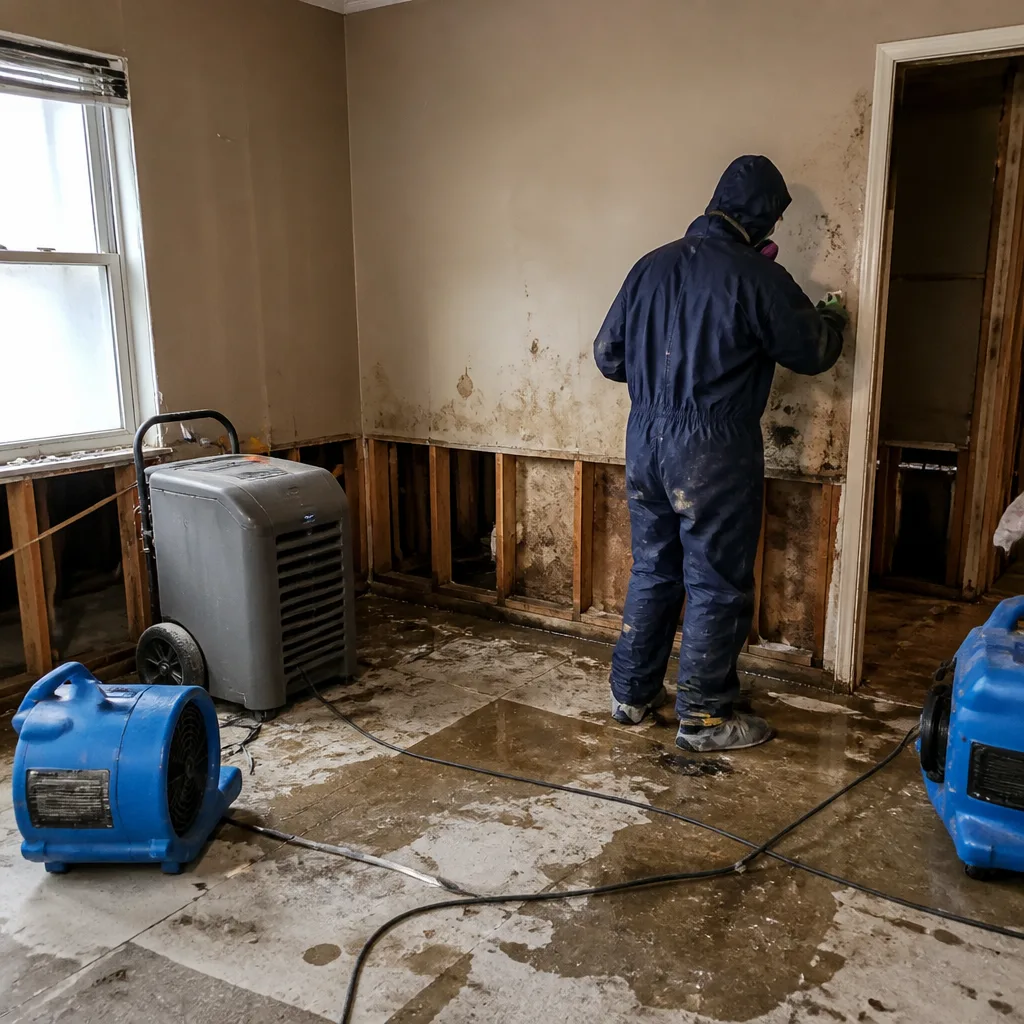 Before
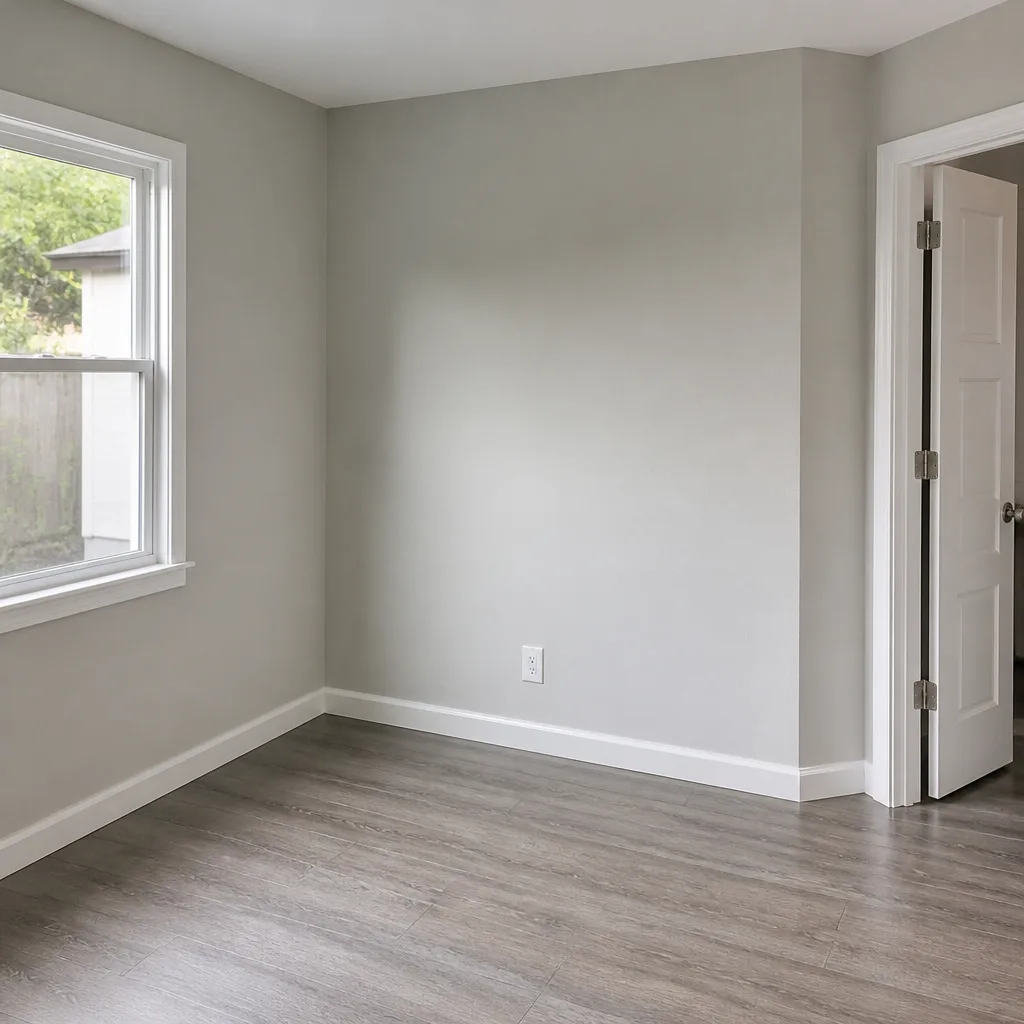 After
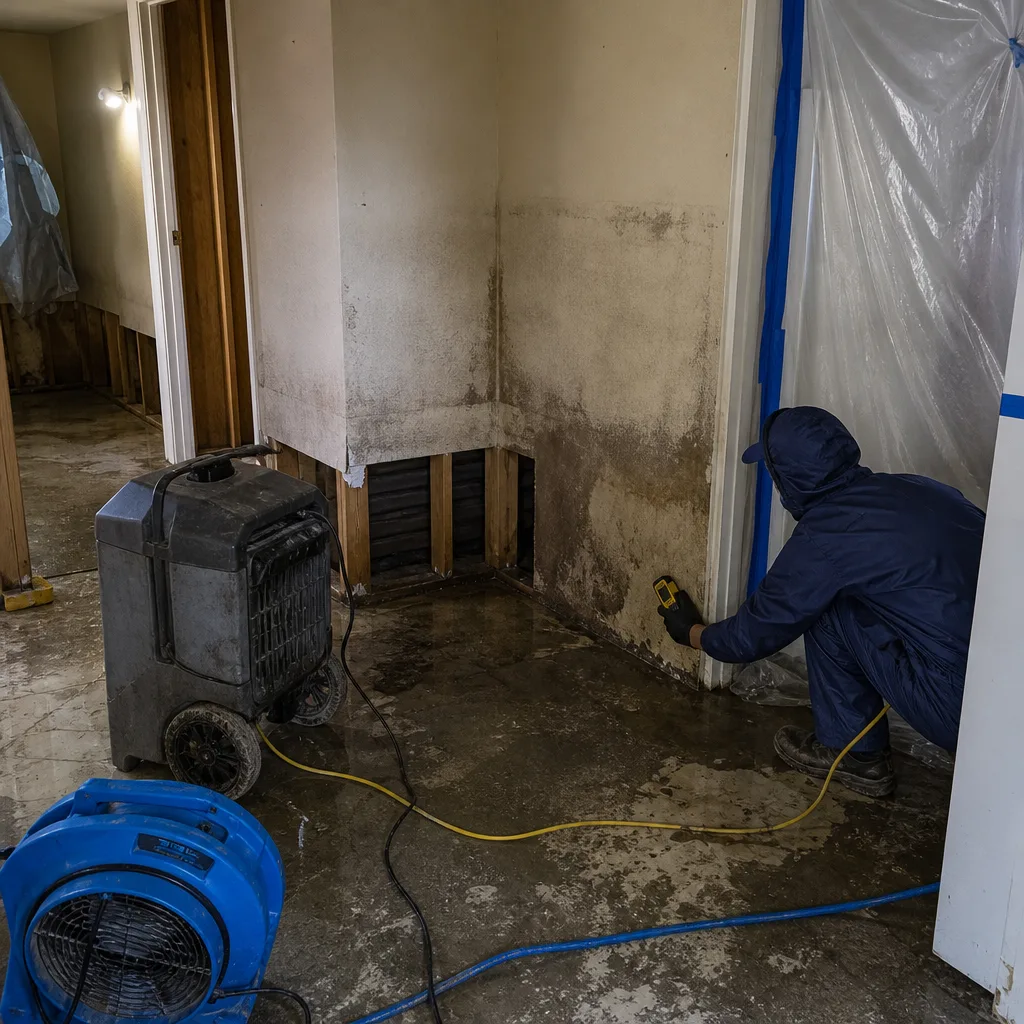 Before
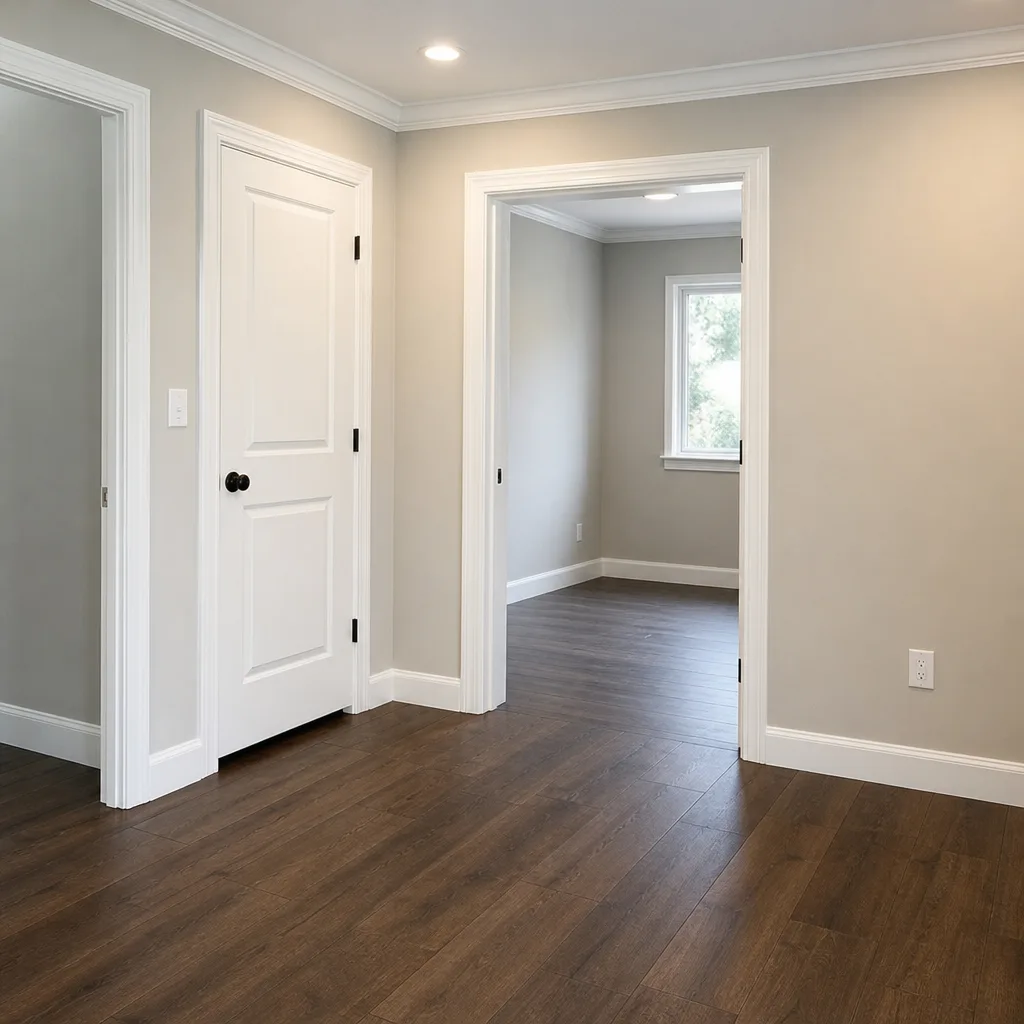 After
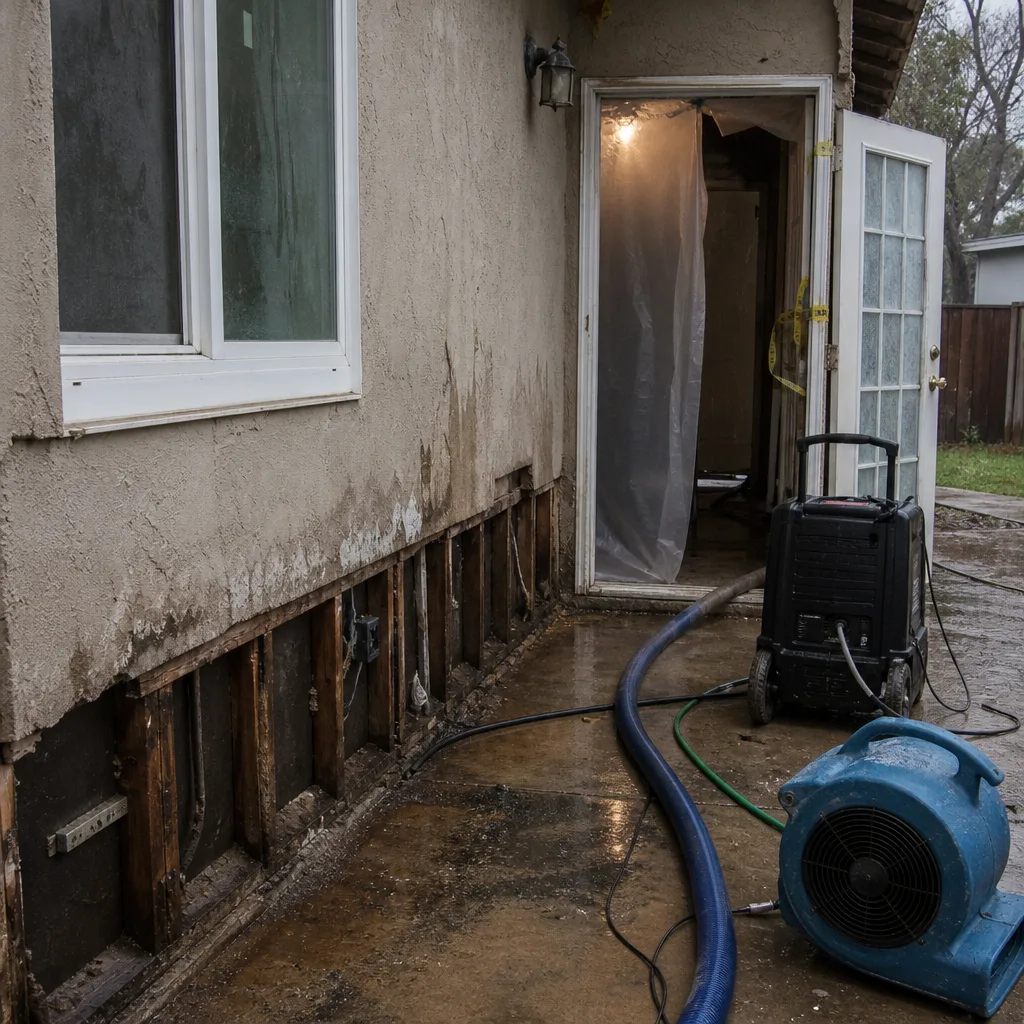 Before
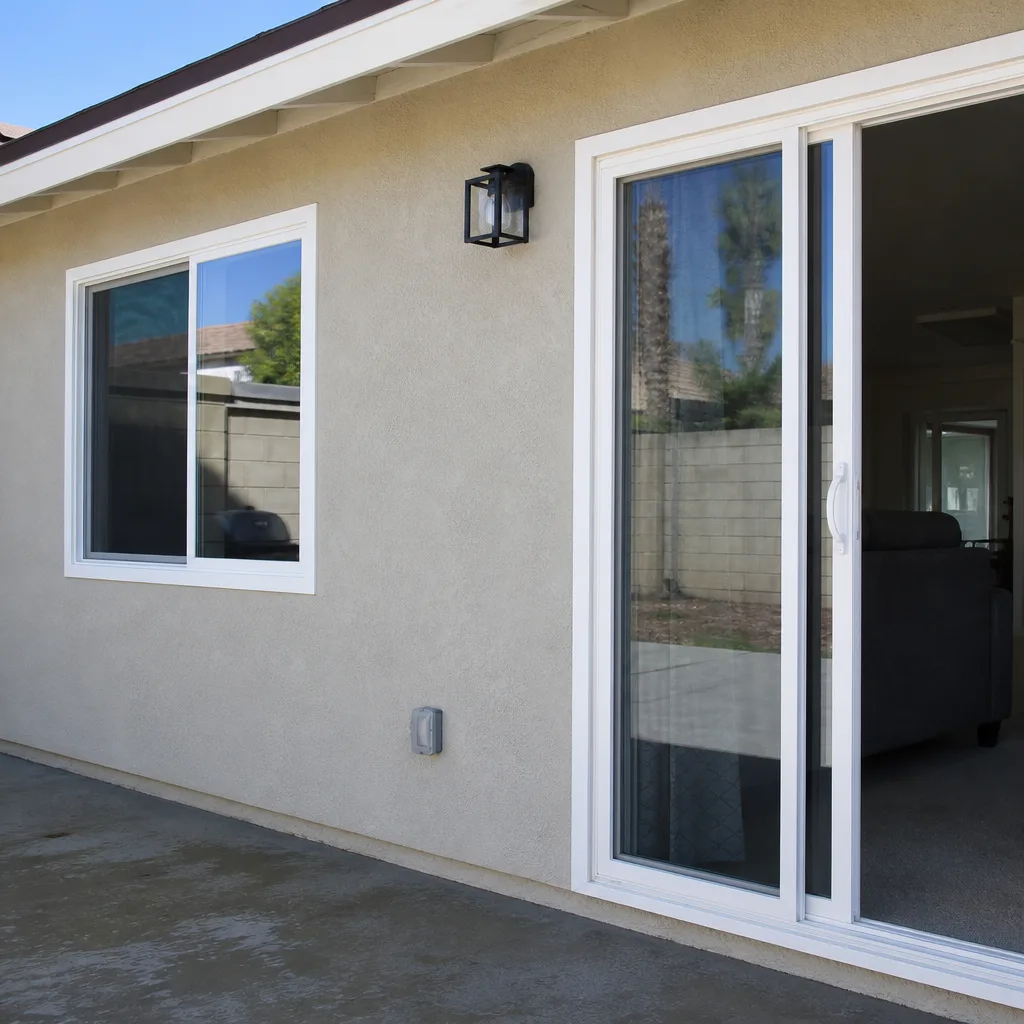 After
Common Water Damage Restoration Problems We See in Corona Homes
- Galvanized supply line failures in 92879 and 92882 bungalows. The original galvanized pipes in early-1900s and post-war Corona homes corrode from the inside out. When they fail, the leak often starts inside a wall cavity and runs for days before anyone notices. By the time the baseboard buckles, mold is already working.
- Pier-and-beam crawlspace flooding near the Santa Ana River corridor. Homes near Grand Boulevard and 6th Street sit low, and storm runoff moves through the older street grid. Water gets under the house, saturates the subfloor, and hides there. Homeowners notice the musty smell before they see the water.
- Ash and ember residue on Foothill Parkway homes after Santa Ana wind events. The wind drives ember-laden ash into attic vents and eaves. The ash sits there until the next rain, then turns into a corrosive slurry that eats through old flashing and finds its way into ceiling cavities.
- Cast-iron plumbing failures in older slabs. Some of Corona’s 1950s and 1960s ranch homes have cast-iron drain lines in slab foundations. When those fail, sewage backs up into the floor. It’s Category 3 water, and it needs full remediation, not just cleanup. We handle that with the same IICRC-certified protocol.
Pricing for Water Damage Restoration in Corona, CA
Water damage restoration pricing in Corona usually falls somewhere between $1,800 and $8,500 depending on the scope. That’s a wide range because the work is a wide range. A simple supply line leak in a laundry room might be $1,800 to $3,500. A flooded crawlspace under a 1920s bungalow runs $3,000 to $6,000. A full atmospheric-river storm event with flooring removal, structural drying, and mold prevention across multiple rooms can reach $8,500 or more. The variables are water category, square footage affected, and how deep the water went. We give you a written scope on site before work starts, so you know what you’re approving. Estimates are free. Call (877) 358-7678.
Insurance is in the room on almost every Corona water damage job, whether it’s a homeowner policy or a commercial property claim. We document everything with photos and moisture readings, and we coordinate directly with your adjuster. That paperwork matters more than most people realize. It’s the difference between a claim that pays and a claim that gets questioned.
We Also Serve Cities Near Corona
Our Water Damage Restoration coverage for Corona extends to the surrounding communities that share the same watershed and housing patterns. We serve Home Gardens, El Cerrito Corona, Eastvale, and Norco. If your home floods in any of these areas, the same IICRC-certified team and equipment fleet is available. Call (877) 358-7678.
Serving Corona, CA — Our Local Coverage Area
We’re based in the Corona area and know this community well. Use the map below to see our service coverage — if you’re nearby, we can almost certainly help.
FAQs About Water Damage Restoration in Corona
Expect the crawlspace to be saturated, and expect the galvanized drains to be a likely source. We pulled water from a 1920s citrus-era bungalow off 6th Street after an atmospheric-river storm pushed sheet flow through the low-lying street grid and into a pier-and-beam subfloor. Our tech ran extraction from the crawlspace, then used moisture mapping and structural drying with Dri-Eaz dehumidification and air movers to stabilize the original galvanized drains before mold could set in. The homeowner was relieved we could save the original hardwood and avoid a full pack-out. Call (877) 358-7678 and we’ll do the same for your home.
Yes. Ash and ember residue on the eaves and attic of a Foothill Parkway home becomes a corrosive slurry when the next rain hits, and that slurry eats through old roof flashing and finds its way into ceiling cavities. It’s a direct line from wildfire season to water damage. We clean the residue, check the flashing, and dry any ceiling cavity that already took water. The sooner you call, the less damage there is to fix.
Category 1 water is clean, from a supply line or a broken pipe. Category 3 water contains sewage, bacteria, or other contaminants, from a backed-up drain, sewer line, or floodwater. The difference matters because Category 3 water requires full remediation, not just drying. When we determine the category, we determine the protocol. That classification drives everything from containment to disposal. Call (877) 358-7678 and we’ll classify it correctly the first time.
Yes. Corona’s position means one company needs to handle both flood and fire losses. The historic core near Grand Boulevard floods during winter atmospheric-river storms, while the foothill tracts off Foothill Parkway face Santa Ana wind-driven ember and smoke damage. We run water extraction and structural drying, and we also handle smoke and ash cleanup. The same IICRC-certified team does both. It’s unusual for any other restoration company in the area to have both disciplines under one roof.
We dry the subfloor from below, using negative airflow in the crawlspace and dehumidification to pull moisture out of the wood without subjecting the hardwood to direct heat or unnecessary tearing out. Moisture mapping tells us exactly where the water went, and Dri-Eaz dehumidifiers bring the moisture content down to a safe level. On a 1920s bungalow, the subfloor is often original lumber that can’t be replaced like-for-like from a home center. We treat it accordingly. Call (877) 358-7678 for a free estimate.
If you’re standing in water in Corona right now, don’t wait. Every hour that water sits, it’s wicking higher into drywall, deeper into subfloor, and closer to mold. Call San Bernardino Restoration Co at (877) 358-7678. We’ll get you on the phone with someone who knows Corona’s housing stock and knows exactly what to do next.
Written by Noel Armenta, Owner at San Bernardino Restoration Co, serving Corona and the surrounding communities with IICRC-certified water damage restoration.